



Antique Cherrywood Furniture
Antique cherrywood furniture brings a warm, russet tone and robust grain to an interior, offering practical storage and seating built from native timbers.
Antique Cherrywood Furniture
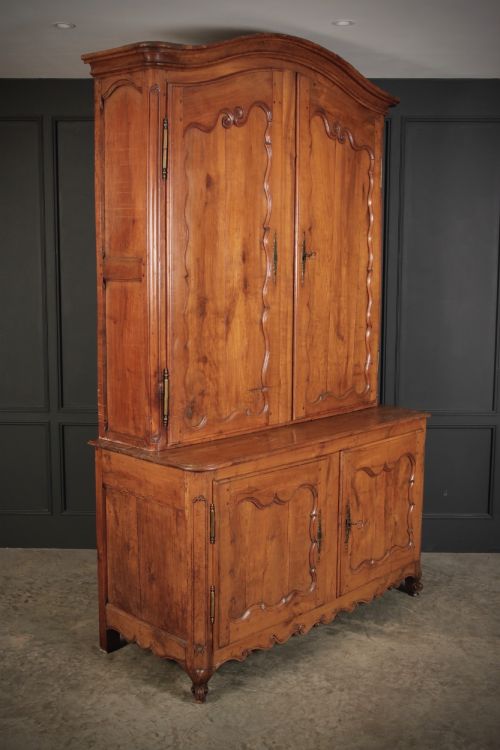
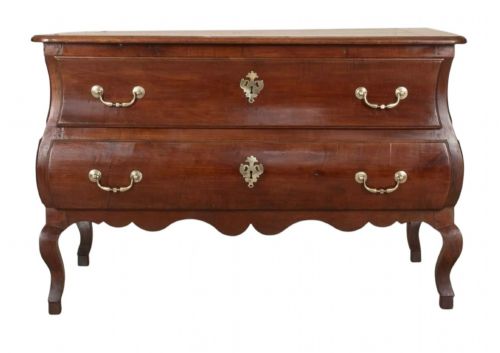
The material displays a characteristic reddish-brown patina that deepens with age, distinguishing it from walnut or mahogany. French provincial and country pieces dominate the available selection, often featuring panelled doors and serpentine fronts.
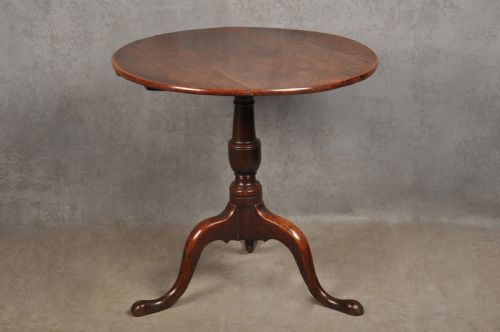
Forms range from large cupboards and armoires down to smaller side tables and coffee tables. These items served domestic functions in country houses and provincial dwellings, balancing utilitarian construction with regional decorative touches.
Construction and materials
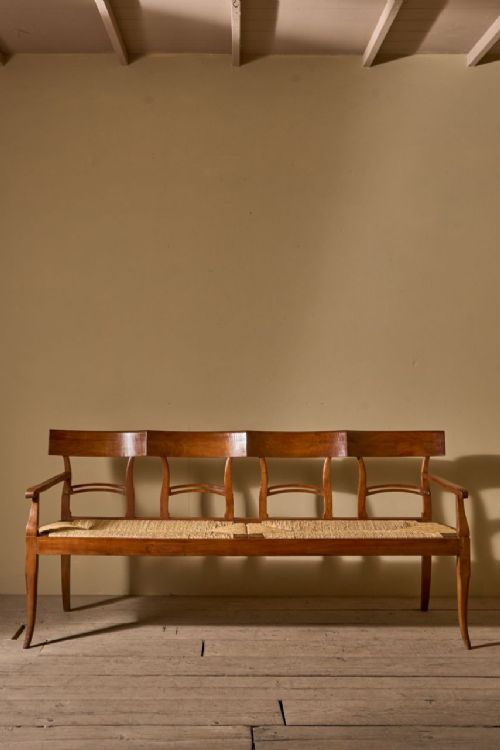
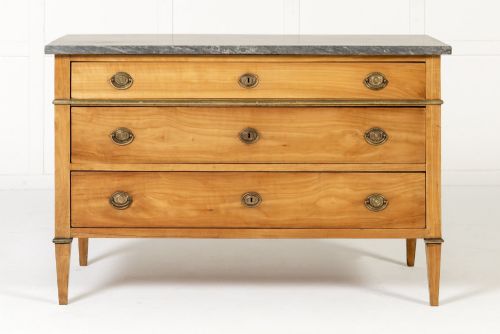
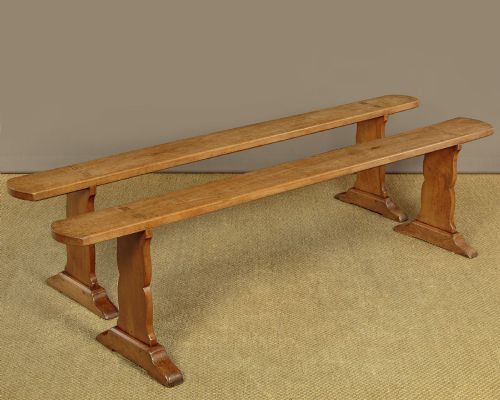
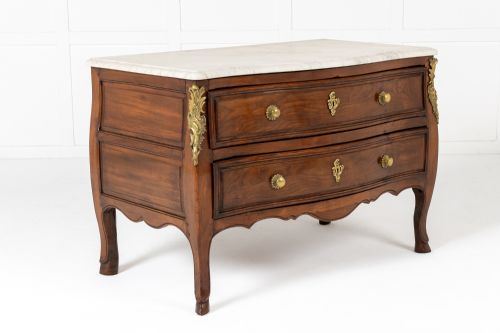
Cabinet makers utilised solid cherry wood for primary surfaces, often pairing the timber with brass handles, escutcheons, and occasional marble tops on commodes. Rush seating appears on regional benches, woven tightly to create durable surfaces for daily use.
Joinery relies on traditional pegged mortise and tenon construction for stability, accommodating the natural movement of fruitwood timbers over centuries. Secondary woods such as walnut or local conifers appear in internal drawer linings and carcass backs.
Listings feature eighteenth and nineteenth century periods, incorporating brass hardware, rush seating, and marble inserts alongside solid cherrywood.
Markers of quality
Quality rests upon the preservation of the original timber surface and the crispness of moulded details around drawer fronts and panel edges. Superior examples retain their unstripped, deep patination and original brass hardware without excessive timber replacement.
Structural integrity differentiates standard provincial work from finer cabinet making, visible in the snug fit of drawer sides and the delicacy of hand-carved cabriole legs on lowboys and commodes.
The Antique Cherrywood Furniture Glossary
- Commode
- A low chest of drawers or cabinet originating in France, typically featuring multiple drawers and shaped aprons. It served both decorative and practical storage roles in domestic rooms.
- Lowboy
- A small oak, walnut, or cherry table with drawers, resembling the lower section of a highboy. It functioned as a dressing table or side table in eighteenth-century interiors.
- Semainier
- A tall, slender chest of drawers traditionally featuring seven drawers, one for each day of the week. This form maximised vertical storage space in bedrooms.
- Rush
- Dried marsh grass twisted into cords and used for bottoming chairs and benches. It creates a sturdy, textured seating surface that requires careful humidity management.
- Serpentine
- A furniture front or edge shaped with a central convex curve flanked by concave curves. This contour requires skilled carpentry to execute across solid timber drawer fronts.
Antique Cherrywood Furniture: Frequently Asked Questions
How do I clean antique cherry wood?
Dust surfaces regularly with a soft, dry cloth to prevent abrasive particle buildup. Avoid silicone polishes and modern sprays that leave residue, opting instead for traditional beeswax applied sparingly.
Buff the wax gently with a clean cloth to maintain the natural sheen of the timber. Keep pieces away from direct sunlight and heat sources to prevent the wood from drying and splitting.
Is cherry wood durable for daily use?
Cherry is a strong hardwood that withstands regular domestic use when maintained properly. Its dense grain resists denting better than softer fruitwoods, making it practical for tables and seating.
Use coasters and felt pads beneath objects to protect the polish from rings and scratches. Placing pieces in rooms with stable humidity levels prevents structural joints from loosening over time.
How can I tell an eighteenth century piece?
Examine the drawer construction for hand-cut dovetails, uneven board widths, and tool marks on the interior timbers. Eighteenth-century pieces often utilise pegged joinery and show signs of hand planning rather than mechanical sawing.
Check for natural wear patterns around handles and feet that indicate centuries of handling. The patina should exhibit a deep, translucent quality that modern staining cannot replicate.