

Antique Chatelaine
An antique chatelaine is a decorative belt hook suspended with working instruments, offering a tactile glimpse into domestic history.
Antique Chatelaine
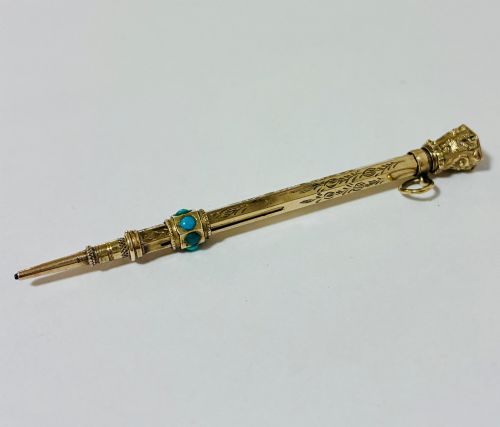
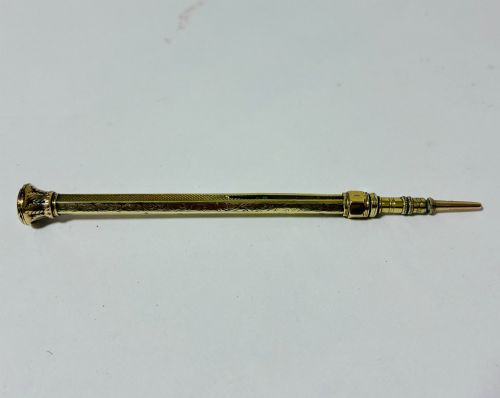
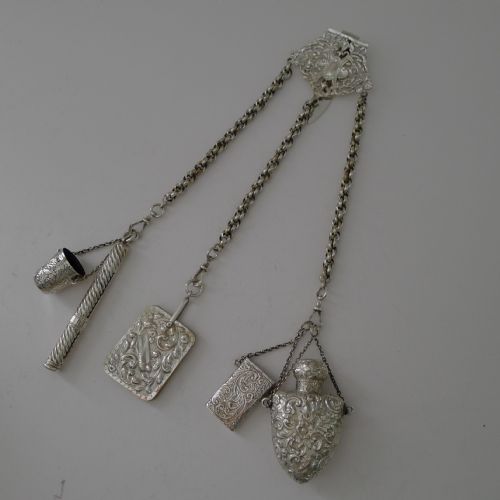
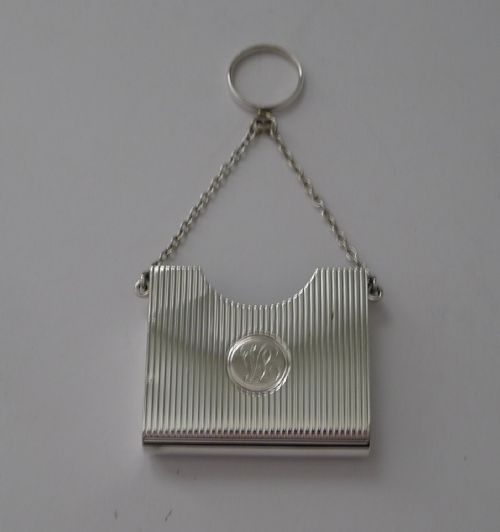
An antique chatelaine comprises a secure belt hook or waist clip fastened to a series of hanging chains that suspend small household implements. The pieces recorded span Victorian, Edwardian, and Art Deco periods, encompassing both complete harness structures and individual suspended accessories.
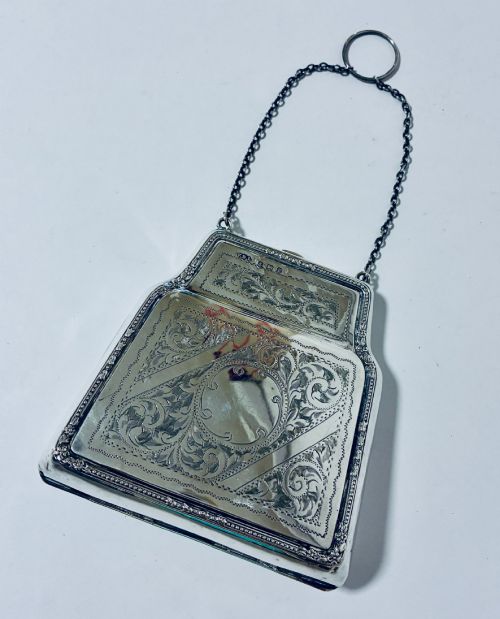
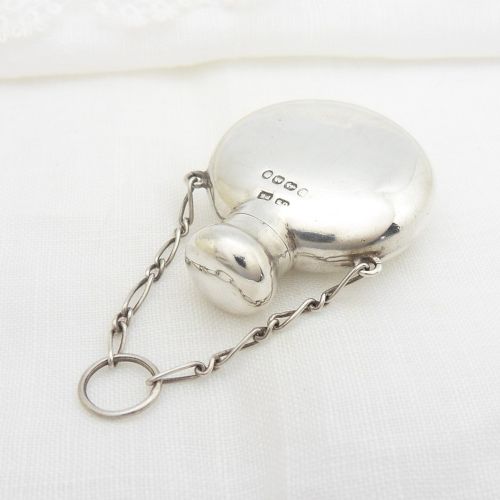
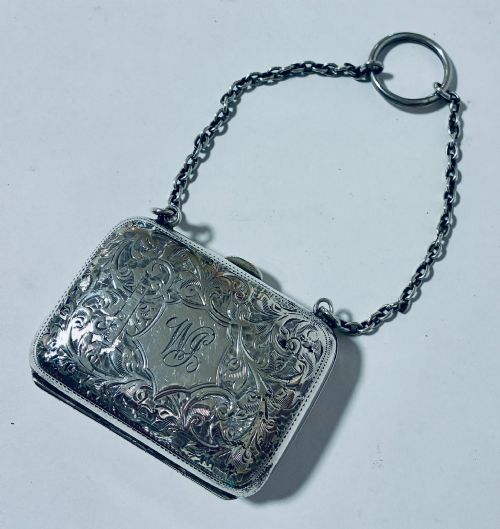
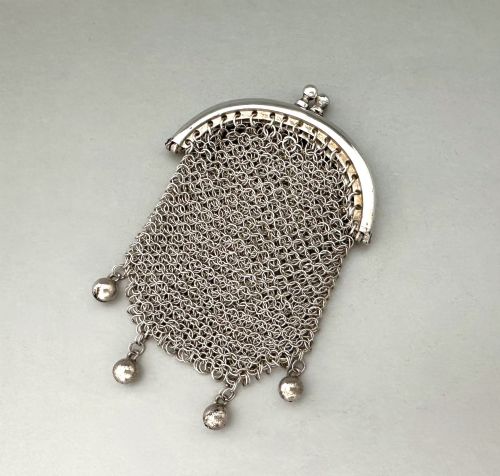
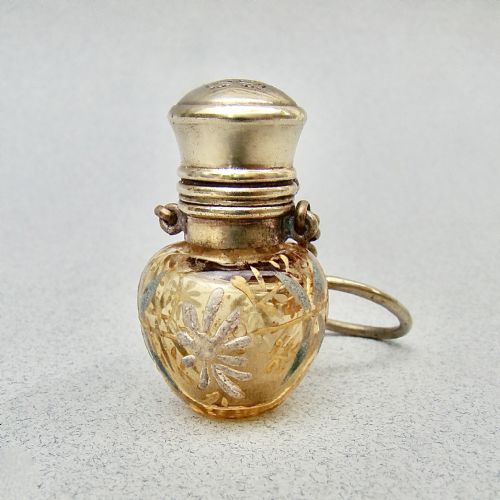
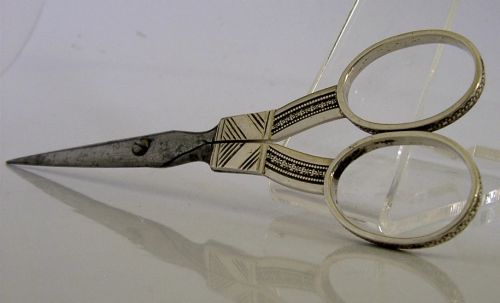
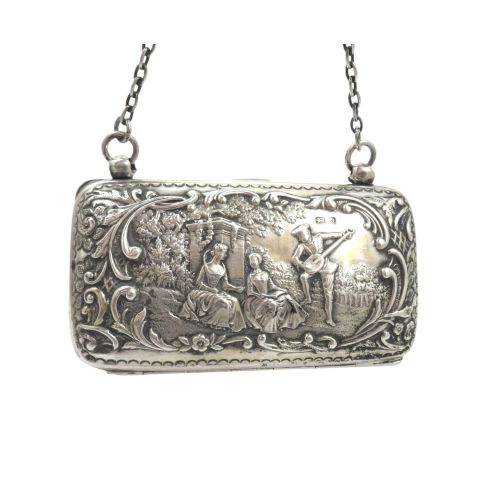
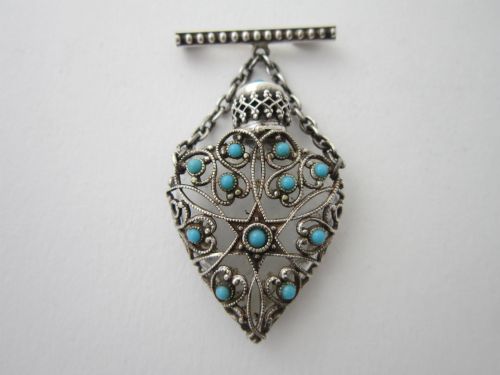
The objects hanging from these belts include scent bottles, sewing accessories, purses, and prayer book holders. Sterling silver and steel form the backbone of these survivals, frequently paired with glass, enamel, and turquoise.
Victorian examples dominate the material record, often displaying rococo decoration or classical scenes. French and Dutch variants sit alongside English productions, showing regional preferences for ornate or novelty forms.
Materials and Technique
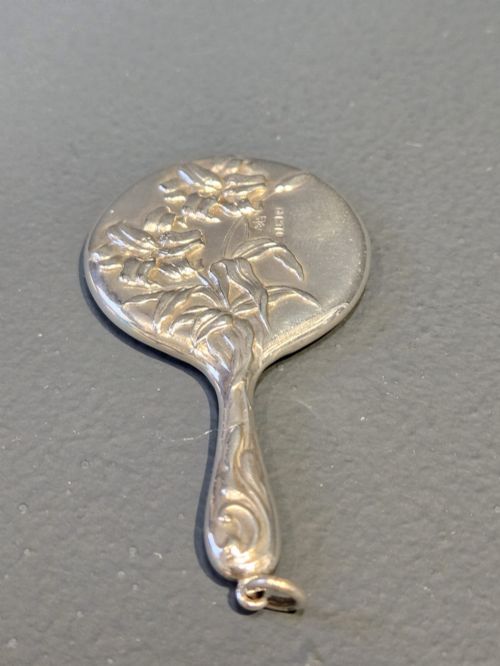
Silversmiths shaped sterling silver through casting, piercing, and repoussé work to create the intricate frames and hooks. Ormulu mounts and steel frameworks provided sturdy support for delicate glass scent bottles and woven mesh purses.
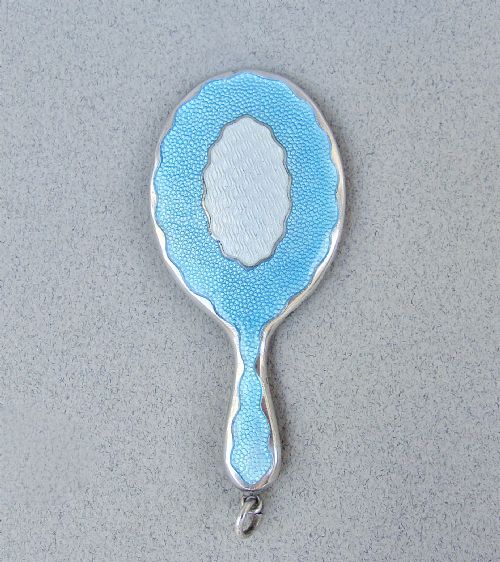
Enamelling techniques, particularly guilloché and opaque colour layers, added vibrant hues to compacts and miniature mirror cases. Skilled artisans combined precious metals with velvet linings, semi-precious stones, and multi-coloured gold elements.
Antique Chatelaine Retail Price Guide 2026
Typical asking prices for chatelaine among the pieces listed under this phrase on Sellingantiques today, from the lower quarter to the upper quarter. They describe what is for sale here now, not the wider market.
The listings on this page span the mid-nineteenth century through the 1920s, featuring sterling silver, steel, and delicate Moser glass.
Distinctions in Quality
Quality rests upon the crispness of the metal stamping, the depth of the repoussé relief, and the integrity of any applied enamel. Superior chatelaines exhibit finely detailed chased motifs rather than soft, mass-produced pressing.
The completeness of the suspended tool set and the mechanical precision of catches, spring hinges, and detachable components elevate a piece. Hand-painted panels, undamaged guilloché work, and high-grade opaline or Moser glass distinguish finer items from simpler utilitarian gear.
William Comyns & Sons·Saunders & Shepherd·Sampson Mordan·Henry Williamson·The Boots Company·G. Norman·Charles Horner·Laurence Emanuel·Wright & Davies
The Antique Chatelaine Glossary
- Chatelaine
- A decorative waist hook with suspended chains designed to carry practical household tools. It served as a functional badge of household authority for the mistress of the house.
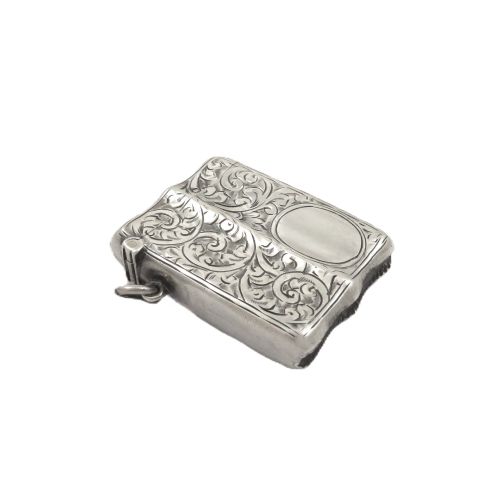
- Vesta
- A small pocket box or case used for holding matches. These frequently featured hinged lids and striking surfaces on the base.
- Etui
- A small ornamental case used to hold needles, scissors, and other sewing implements. They represent some of the most compact forms of personal organisation.
- Guilloché
- An ornamental engraving technique where a precise, intricate pattern is mechanically etched into a metal substrate. Translucent enamel is often layered over this work to create depth.
- Vinaigrette
- A small metal container holding a sponge soaked in aromatic vinegar or smelling salts. These were used to revive individuals suffering from faintness in crowded rooms.
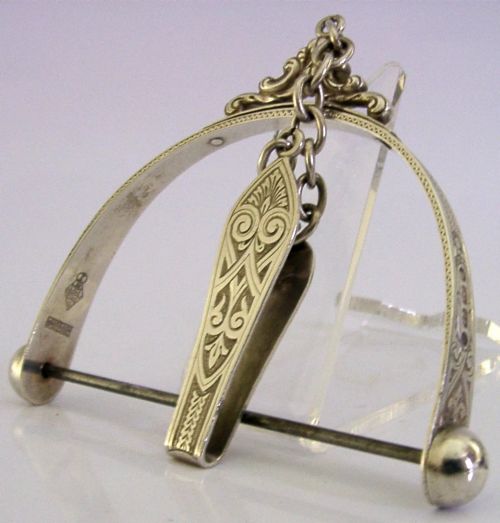
- Skirt Lifter
- A mechanical clip device suspended from a belt to raise heavy Victorian hems above muddy streets. It allowed women to navigate outdoor environments without soiling their garments.
Antique Chatelaine: Frequently Asked Questions
What did women actually carry on a chatelaine?
Owners suspended essential daily tools such as sewing scissors, thimbles, memo pads, and scent flasks from the hanging chains. The exact combination changed depending on whether the wearer intended to sew, write, or attend social calls.
Over time, specific modules could be swapped out or added to suit the practical demands of the household manager. This modular nature means surviving examples show a wide variety of attached implements.
How do I wear an antique chatelaine?
Most pieces feature a sturdy belt hook designed to slide directly over the waistband or belt of a skirt. Modern wearers often secure the hook onto a sturdy fabric belt or display the piece flat within a cabinet.
Because the hanging chains and tools add noticeable weight, pairing the hook with proper structural support prevents fabric stretching. Displaying them on a dedicated stand also preserves the delicate links from daily friction.
Are the hanging tools usually original to the piece?
Many chatelaines were assembled over time as owners acquired matching silver or steel accessories. Finding a uniform suite of tools bearing identical hallmarks is less common than finding assembled sets sharing a common period style.
When evaluating a piece, look at the suspension rings and chain links to see if the metalwork matches throughout. Mixed collections of tools remain historically accurate to how these items were used.
How do I distinguish Victorian from Edwardian pieces?
Victorian chatelaines generally feature heavier, more ornate decoration such as rococo scrolls, deep repoussé scenes, and dark oxidized finishes. They often lean towards Gothic Revival or naturalist motifs.
Edwardian and later pieces tend to embrace lighter forms, geometric lines, and brighter silver finishes influenced by Art Nouveau and early Art Deco design. Enamel work and pastel glass components also became more prevalent as the twentieth century approached.