
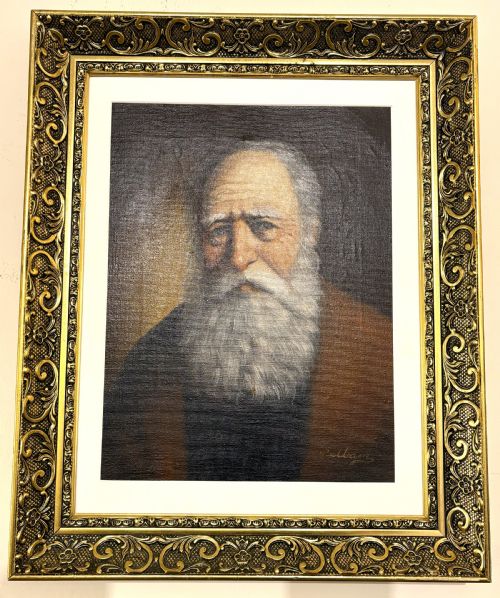


Antique Character Portrait Painting
These antique character portrait painting examples capture distinct personalities through oil on canvas and watercolour, offering a direct window into past lives.
Antique Character Portrait Painting
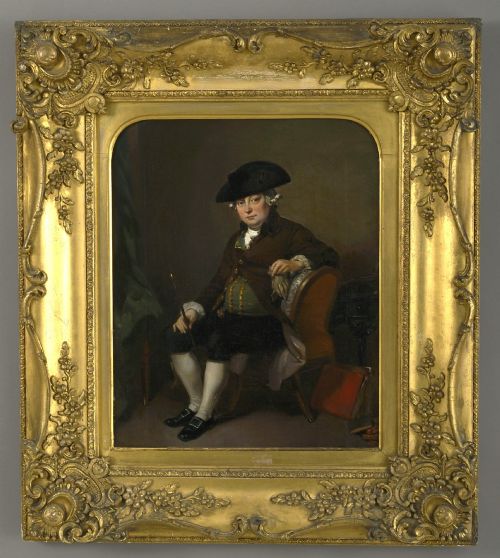
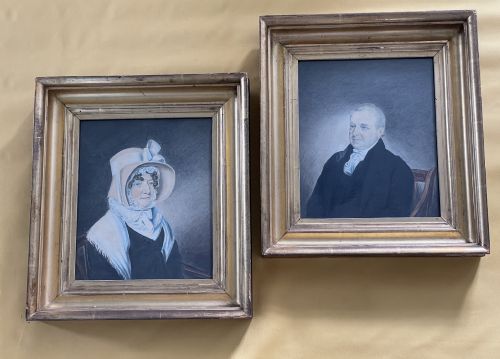
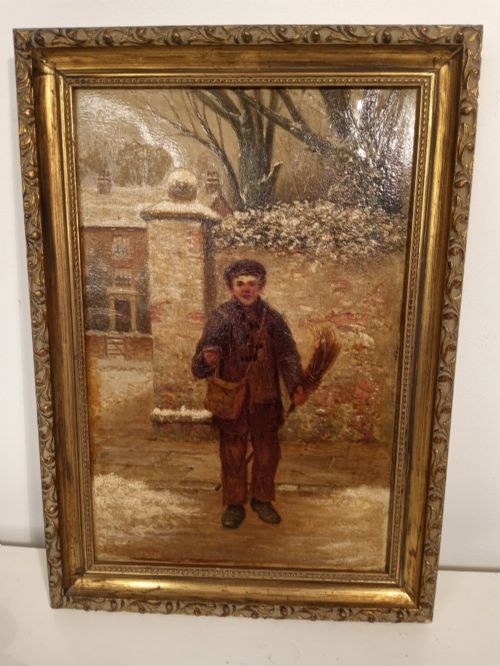
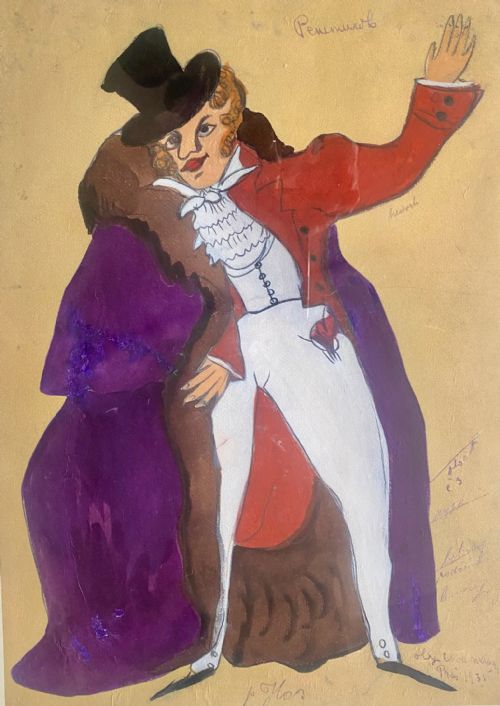
An antique character portrait painting focuses on specific individuals, subjects in theatrical roles, or imagined figures rather than formal likenesses commissioned for posterity. The selections found on this page span the Georgian, Victorian, and Edwardian eras, encompassing both oil paintings and watercolour portraits.
Buyers frequently encounter works depicting notable literary characters like Martin Chuzzlewit or Dolly Varden, alongside elderly subjects, actors in character, and bearded gentlemen. These pieces often arrive framed in giltwood and wood, preserving the aesthetic of 19th Century realism and British impressionism.
Materials and construction
Artists utilised oil paint applied to canvas as the primary medium for these character studies, building rich textures and deep tones over wooden stretchers. Watercolours on paper also appear, often protected beneath glass within period frames.
Giltwood frames frequently house these works, providing a decorative boundary that complements the painted canvas or paper surface. The supporting materials range from simple wood to elaborate gilded mouldings characteristic of the period.
Listings feature works from the Georgian period through the Edwardian era, predominantly utilising canvas, paper, and oil paint.
Distinguishing quality in portraits
Quality rests in the psychological depth of the subject and the confidence of the brushwork, distinguishing a lively study from a rigid depiction. Works by named artists such as Ferruccio Vitale or Lucy Kemp-Welch demonstrate superior handling of light and expression compared to anonymous studio pieces.
The integration of the subject within the composition and the preservation of the original canvas or paper surface dictate the overall standard. Finer examples maintain their original framing and retain the intended vibrancy of the oil paint or watercolour pigments.
Samuel De Wilde·Ferruccio Vitale·Frederick Christian Lund·Roberto Venturi·William Powell Frith·Lucy Kemp-Welch
The Antique Character Portrait Painting Glossary
- Oil on canvas
- A painting medium where pigments are suspended in drying oils and applied to a stretched woven fabric support. This combination allows for rich colour blending and textured brushwork.
- Watercolour
- A paint consisting of colour pigments suspended in a water-soluble vehicle, typically applied to paper. It yields translucent washes that capture delicate light effects.
- Giltwood
- Wood carved and coated with a thin layer of gold leaf or gold paint. It forms the ornate frames commonly found on 19th-century fine art.
- Victorian narrative realism
- An artistic style focused on depicting everyday life, historical events, or literary scenes with high fidelity. These works tell a distinct story through the subject's pose and setting.
Antique Character Portrait Painting: Frequently Asked Questions
What is a character portrait painting?
A character portrait painting depicts a specific type, theatrical persona, or literary figure rather than a traditional portrait commissioned by a sitter. These works emphasise personality, costume, or narrative over strict formal likeness.
Such paintings often capture actors in role or imagined elderly subjects, reflecting the Victorian interest in storytelling and human expression.
How do I date these portraits?
Dating relies on costume details, framing styles, and the canvas or paper supports used during specific eras. Georgian and Victorian works often feature distinct clothing styles and framing techniques typical of the 19th century.
Signatures, inscriptions on the reverse, and artist biographical details further clarify the exact period of creation.
Where should I hang an oil portrait?
These works suit traditional living spaces, studies, or libraries where rich oil colours and giltwood frames complement period furniture. Avoid direct sunlight to protect the canvas and pigments from fading.
Stable indoor humidity levels help preserve both the wooden stretchers and the oil paint layers over time.
Are watercolours as durable as oils?
Waterworks on paper require protection under glass and framing to shield the delicate pigments from moisture and light damage. When properly framed, they remain stable over centuries.
Oils on canvas offer a more robust surface but still benefit from controlled environments away from extreme temperature shifts.