

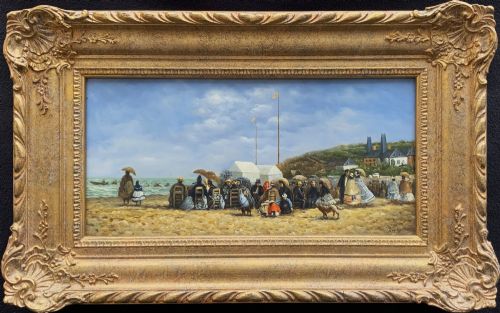
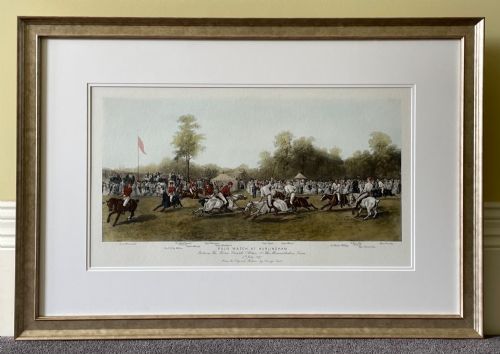

Victorian Gilt Framed Art
Victorian gilt framed art brings together period paintings and decorative prints enclosed within ornate metallic moulding.
Victorian Gilt Framed Art
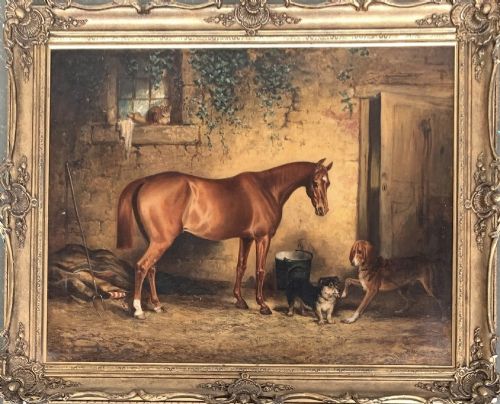
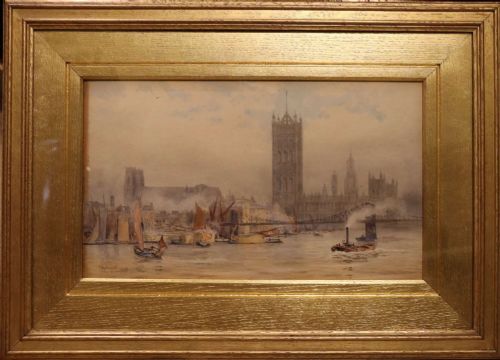
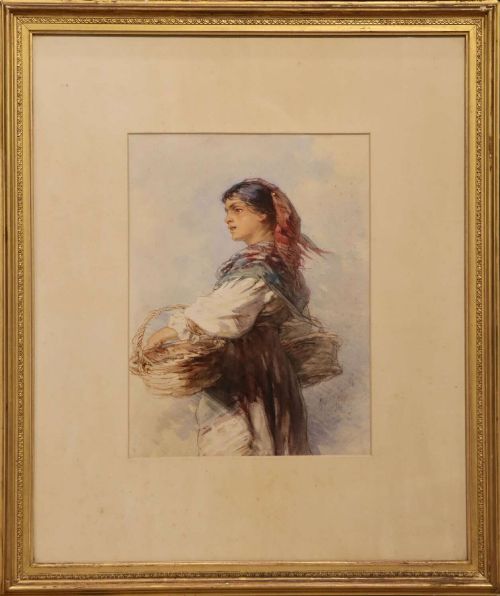
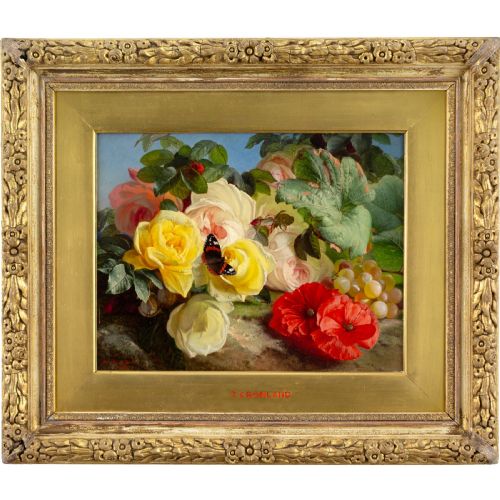
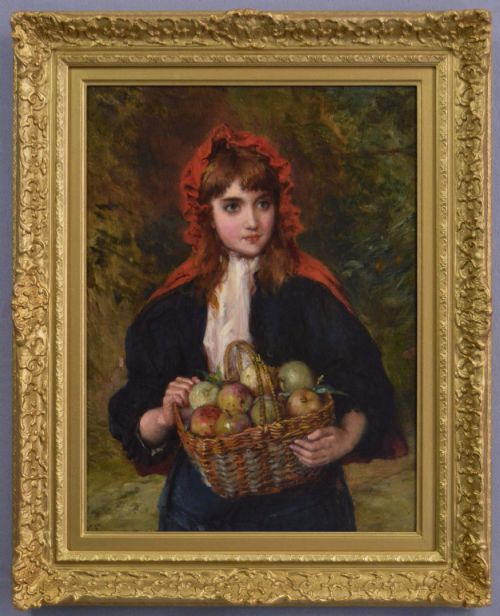
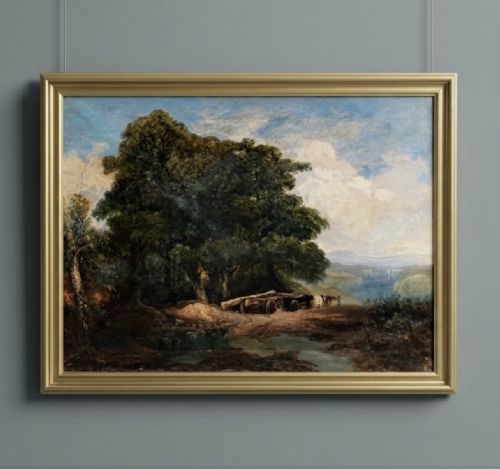
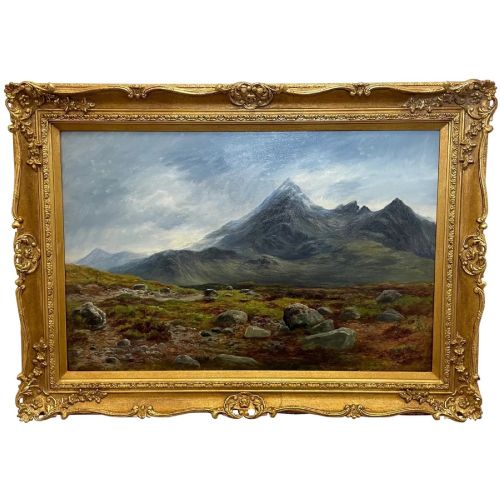
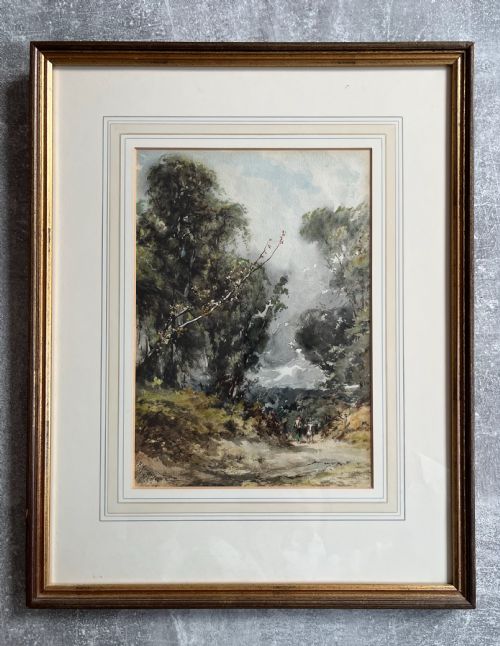
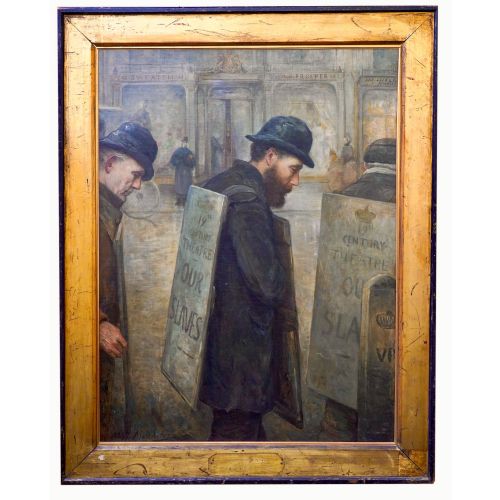
When you examine victorian gilt framed art, you encounter oil paintings on canvas or panel, watercolours, and early prints dating primarily from the nineteenth century. These pieces encompass diverse subjects such as landscapes, maritime scenes, equine portraits, and social realism, reflecting the broad visual culture of the period.
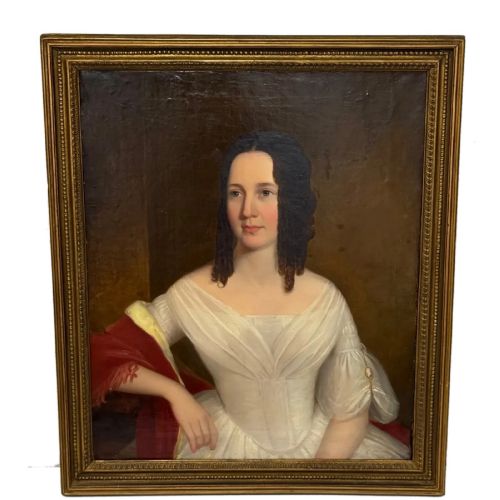
You are most likely to meet original oil paintings and watercolours housed in deep, decorative surrounds made of wood and gesso. The offerings range from intimate botanical studies and domestic portraits to monumental historical canvases created by established British and European artists.
How They Were Made
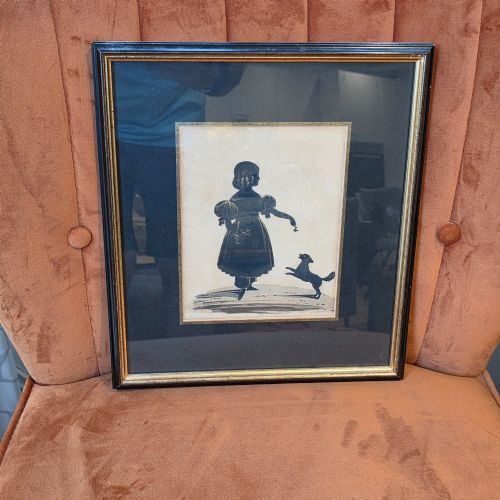
Makers constructed the frames using timber carcasses built up with layers of gesso, which they carved or moulded into intricate floral and geometric relief patterns before applying gold leaf or metallic paint. Canvases were stretched across wooden frames and painted in oil, while works on paper utilised watercolour, lithography, or silhouette cutting techniques.
Artisans secured the artworks behind glass where appropriate, backing the assemblies with wooden boards and protective paper seals. The combination of durable canvas, heavy wooden stretchers, and dense plaster ornamentation accounts for the substantial weight typical of these framed works.
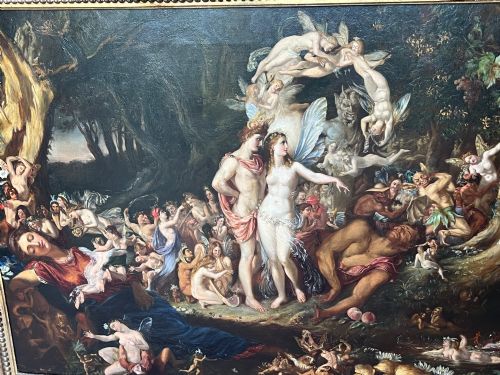
Among the historical subjects, a remarkably dignified shorthorn bull shares wall space with classical cameos and theatrical fairies.
What Varies in Quality
The sophistication of the hand-carved or moulded gesso ornamentation on the frame distinguishes standard production from finer examples. Crisp detail in the relief work and the depth of the gilding indicate the level of craftsmanship invested in the enclosure.
In the artworks themselves, anatomical precision, brushwork control, and the handling of light separate skilled academic output from simpler decorative works. Original pairings of art and frame that retain their synchronous period character command greater interest than mismatched assemblies.
Henry Barraud·George Armfield·H. Medlycott·Guido Bach·Theude Grönland·Sir Joseph Noel Paton·William James Hubard·William Oliver·Richard Sebastian Bond·William Beattie-Brown·George Fotherly Hargitt·Felix Stone Moscheles·John Maler Collier·Dumini Leopoldo·William Howard Hardy·Arthur Wardle·John Horace Hooper·William McAlpine·A. Mitchell·Sir Stanley Clarke·Sir Joshua Reynolds·Alfred Fontville de Breanski Jr·Oliver Clare·Frederick Morgans·Edward Mills
The Victorian Gilt Framed Art Glossary
- Gesso
- A plaster mixture applied to wood frames to create a smooth surface for gilding or deep relief moulding. This material allows for intricate decorative motifs to be pressed or carved.
- Giltwood
- Timber that has been coated with gold leaf or metallic powder. It provides the reflective, luminous finish characteristic of period frames.
- Lithograph
- A print produced by drawing an image on limestone or a metal plate with a greasy substance. The technique allows for the mass reproduction of detailed pictorial works.
- Realism
- An artistic movement focused on depicting everyday subjects and contemporary life without idealisation. It appears frequently in nineteenth-century portraiture and genre scenes.
- Watercolour
- A paint consisting of pigment suspended in a water-soluble binder, typically applied to paper. It yields translucent washes valued for landscape and portrait sketches.
Victorian Gilt Framed Art: Frequently Asked Questions
Are these paintings original?
The pieces listed include original hand-painted works on canvas and paper, alongside period prints and lithographs produced during the nineteenth century. Signatures, dates, and artist attributions help establish the provenance of individual works.
Examination of the canvas texture, stretcher bars, and framing materials often provides further confirmation of period origin. Documentation accompanying the piece usually records known history and authorship.
Where should I hang heavy frames?
Secure heavy gilt-framed art directly into wall studs or utilise robust masonry fixings capable of supporting substantial weight. Because the combined wood and gesso frames are exceptionally dense, standard picture hooks rarely suffice.
Position the artwork away from direct sunlight and fluctuating heat sources to protect both the canvas pigments and the wooden frame. Maintaining stable environmental conditions prevents the gesso from cracking.
Can I replace the glass?
Original glass should be preserved whenever possible, as antique panes often exhibit historic imperfections and bubbles characteristic of early manufacturing. If replacement becomes necessary, consult a specialist to source suitable clear glass.
Ensure that any new glazing sits properly within the rebate without placing undue pressure on the artwork or frame. Conservation-grade materials help protect watercolours and prints from environmental damage.