




Antique Chapel Seat
An antique chapel seat brings monumental architectural scale and ecclesiastical character into a domestic interior.
Antique Chapel Seat
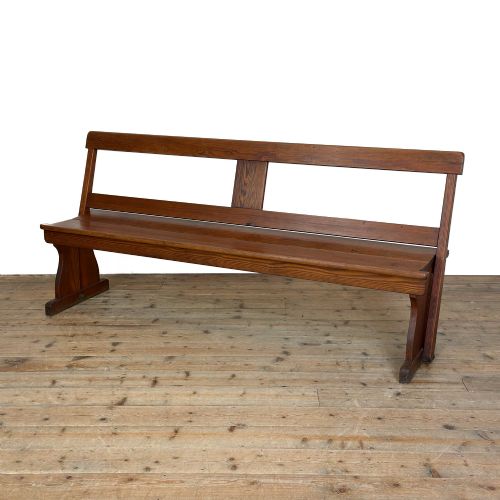
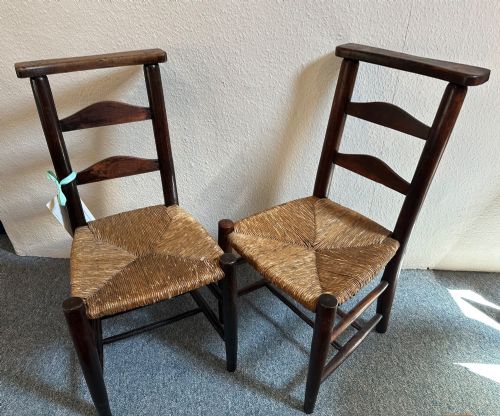
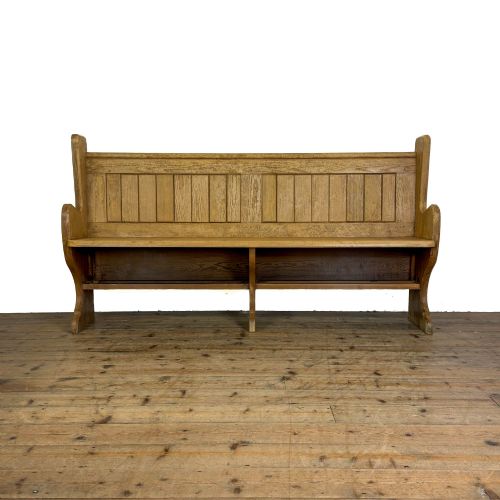
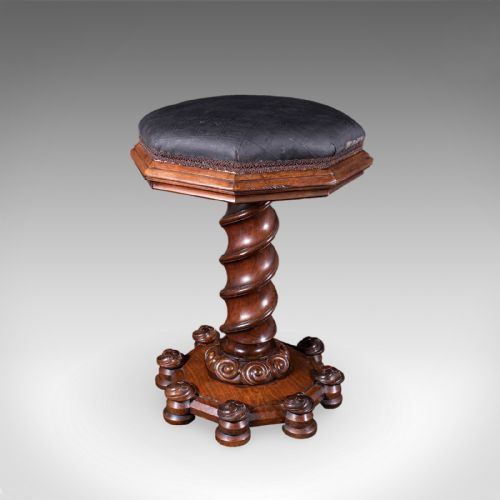
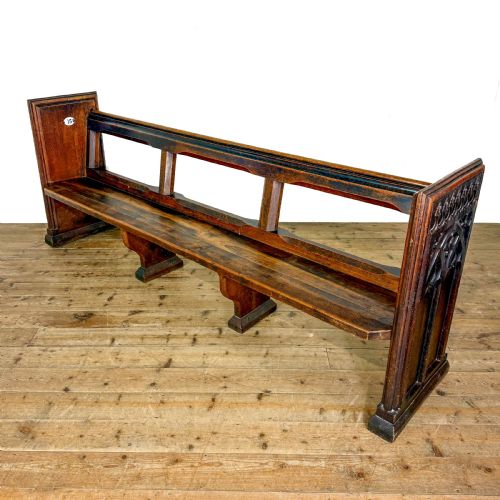
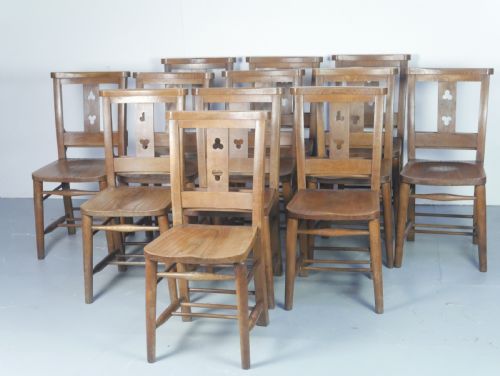
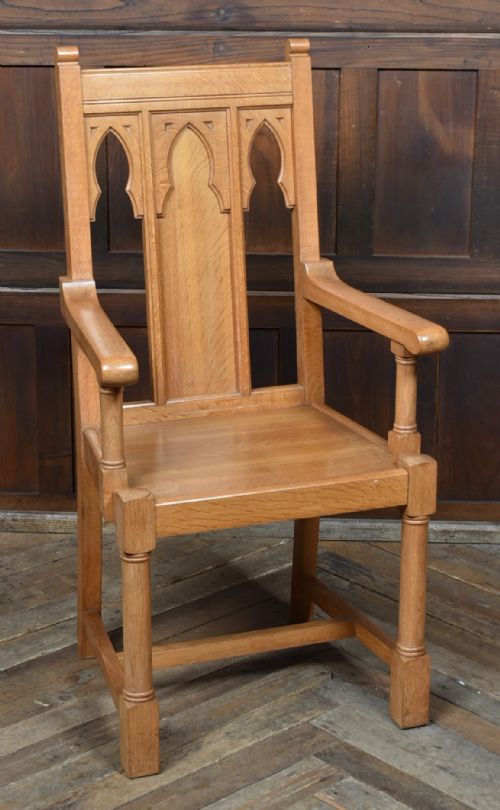
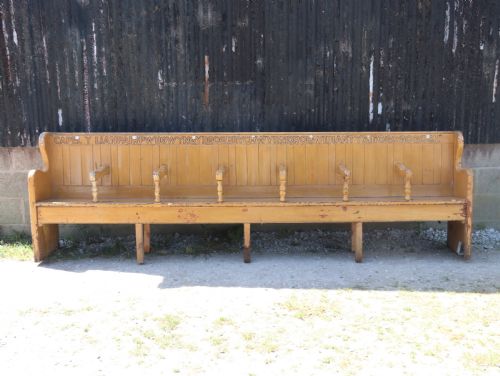
When you search for an antique chapel seat, you encounter robust timber furnishings originally constructed for sacred spaces, including pews, benches, throne chairs, and specific organist stools. These pieces range from simple utilitarian pine forms to elaborate Gothic Revival seating commissioned for cathedrals and parish chapels.
The versions you are most likely to meet on this page date primarily from the nineteenth century, spanning Georgian, Victorian, and Edwardian eras. They appear in durable woods like oak and pine, frequently displaying ecclesiastical details such as pointed arch motifs or inscribed markings.
Beyond standard pews, the selection encompasses specialised seating such as flip-over bench designs and Scottish throne chairs. Each item carries the distinct provenance of communal worship, adapted over time for residential hallways, kitchens, and dining rooms.
How they were made
Makers constructed these seats using robust domestic timbers, predominantly solid oak and pitch pine, chosen for their ability to withstand heavy daily use in public buildings. Joinery was straightforward yet immensely sturdy, often utilising heavy plank construction and sturdy framing to support long spans without central legs.
Surface treatments varied from waxed pine and polished oak to painted finishes, as seen on pieces marked for specific rural chapels. Metal components such as brass brackets and iron reinforcements were occasionally integrated to secure structural stability.
Upholstered elements, when present, relied on traditional materials like leather and heavy fabric, while specific music stools incorporated walnut and brass mechanical risers for adjustable height.
The inventory records specialised forms including organist stools, flip-over pews, and throne chairs alongside standard dining and side chairs.
What varies in quality
The distinction between standard utility seating and exceptional pieces often lies in the original commission and the grade of timber selected. Dense, slow-grown oak and high-figure pitch pine indicate higher-tier workshop production, whereas utilitarian pine benches prioritize basic function over decorative finish.
Carving detail and stylistic ambition set individual chairs and throne seats apart from mass-produced pews. Pieces tied directly to notable ecclesiastical buildings through carved or stamped markings carry greater historical weight than unmarked vernacular seating.
Proportion and structural integrity define the remaining differences across the range. Superior examples retain their original length, uncompromised feet, and authentic surface patination accumulated through decades of institutional service.
The Antique Chapel Seat Glossary
- Pew
- A long wooden bench with a high back and solid ends, designed for communal seating in churches and chapels. These form the bulk of heavy timber seating encountered.
- Pitch Pine
- A durable, resinous softwood commonly utilised in Victorian church furniture. It provides strong structural framing and distinctive grain patterns.
- Throne Chair
- An imposing, high-backed ceremonial seat often placed in the chancel for clergy use. They display superior carving and scale compared to standard side chairs.
- Flip-Over Pew
- A convertible bench design featuring a reversible backrest that allows sitters to alter their facing direction. This mechanism is typical of specific nineteenth-century chapel seating.
Antique Chapel Seat: Frequently Asked Questions
How do I fit a long chapel bench into a home?
Long pews work exceptionally well placed against a dining table or fitted tightly against a hallway wall. Their narrow depth allows them to sit comfortably in tight circulation spaces without blocking passage.
Shorter pine benches and individual church chairs offer more flexibility for smaller rooms. They can be moved easily around a kitchen table or used as standalone seating in a bedroom.
Are church chairs comfortable for daily dining use?
Nineteenth-century church chairs were designed for upright posture during services rather than lounging. Many feature supportive timber backs and solid wood seats that encourage an upright seating position.
If you plan to use them around a dining table for long meals, consider adding loose squabs or cushions. Their sturdy proportions make them ideal for robust everyday domestic life.
How can I tell a Victorian pew from a Georgian one?
Georgian seating often displays simpler, heavier vernacular lines or specific regional traits associated with earlier rural joinery. The timber patination tends to show deeper oxidation and softer wear patterns from extended use.
Victorian pieces frequently embrace the Gothic Revival style with sharp architectural detailing, chamfered framing, and standardised dimensions. Stamped markings or metal tags from specific cathedral commissions typically point to the mid-to-late nineteenth century.
What is the difference between pitch pine and oak church furniture?
Oak was traditionally chosen for prominent ecclesiastical furniture, offering a heavy, dense medium that accepted intricate carving and dark polishing. It represents the more prestigious end of church seating.
How should I clean and maintain an antique wooden pew?
Maintain the dry timber surface using a mild beeswax polish applied sparingly with a soft cloth. Avoid modern liquid cleaners that can strip the historic wax and dry out the grain.
Keep wooden chapel seating away from direct heat sources and intense sunlight to prevent the timber from splitting. Regular dusting with a dry cloth is sufficient for daily upkeep.