





Antique Ceramic Urn with Cover
An antique ceramic urn with cover brings sculptural presence to a room, uniting functional vessel forms with elaborate decorative painting across centuries of global manufacture.
Antique Ceramic Urn with Cover
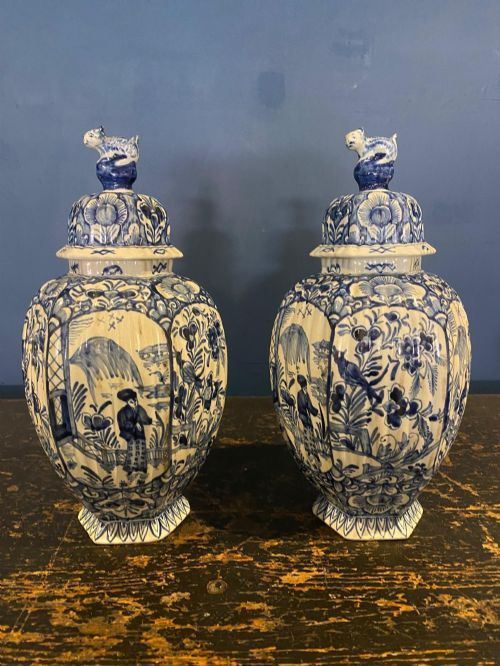
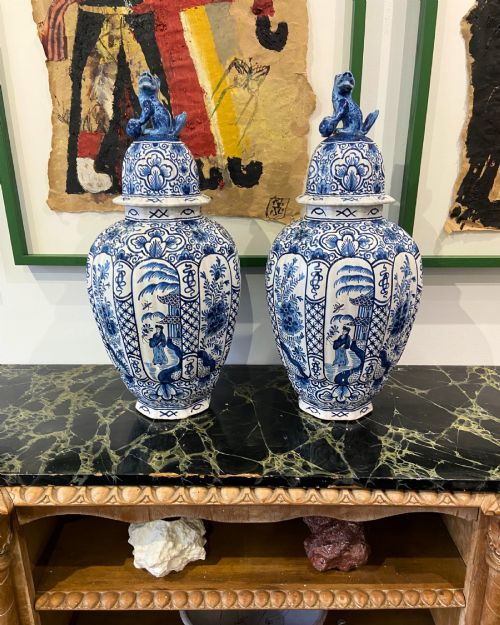
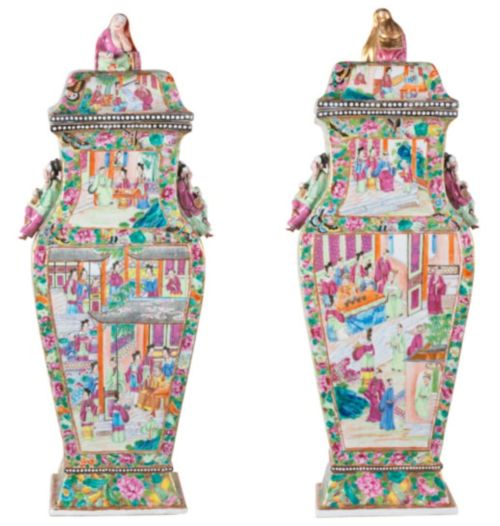
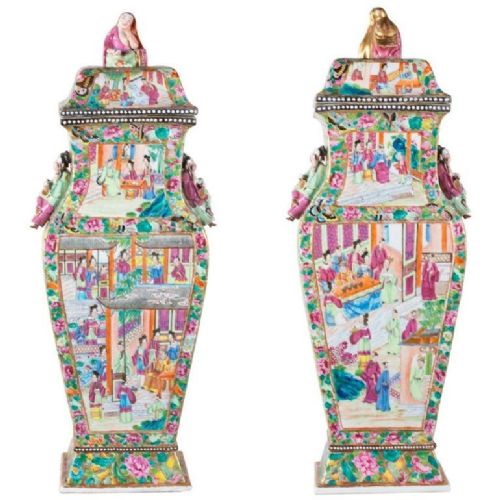
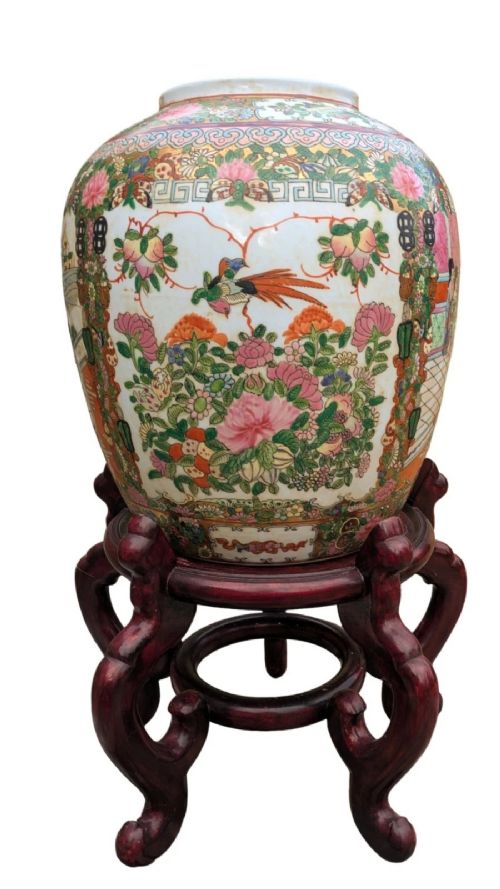
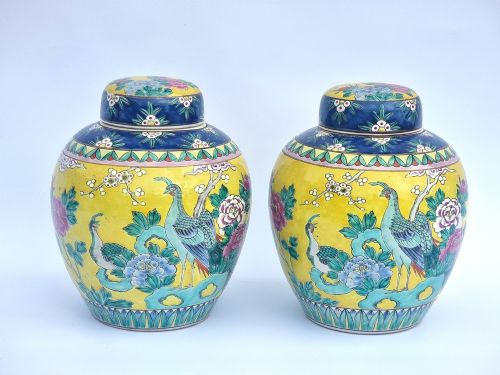
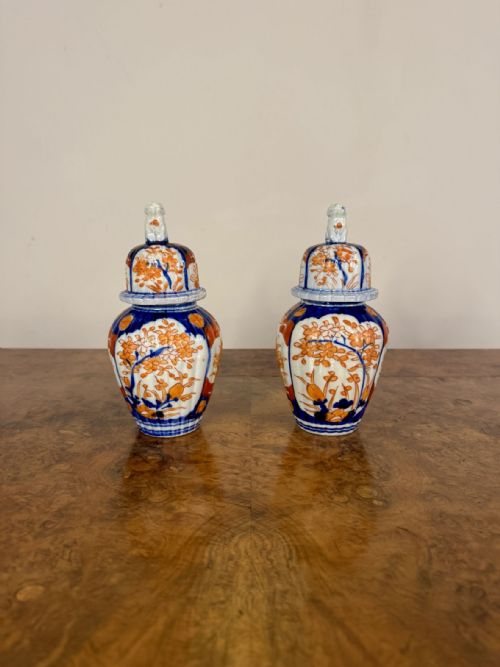
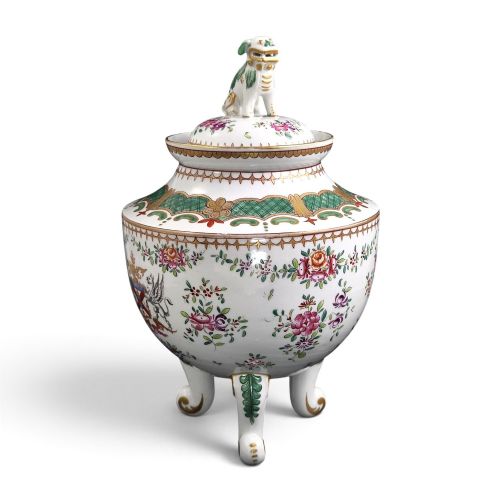
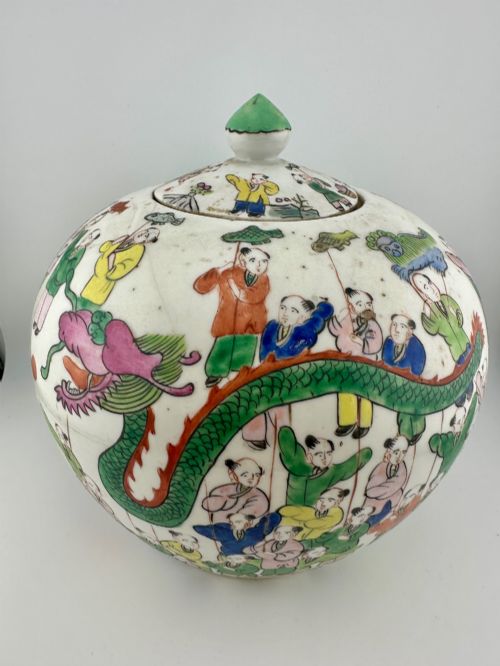
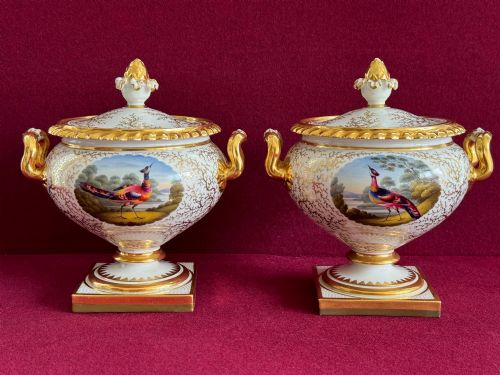
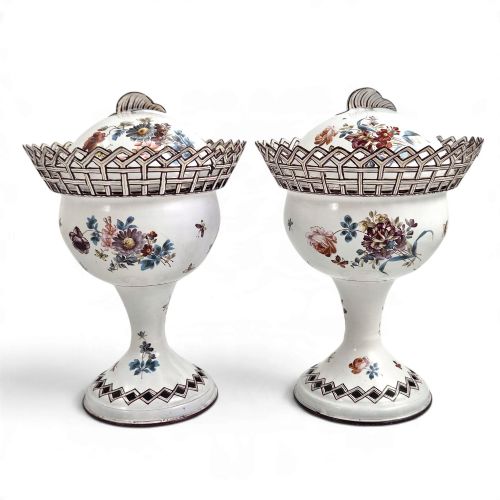
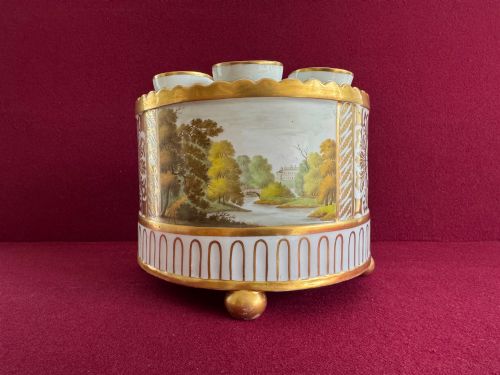
When searching for an antique ceramic urn with cover, collectors encounter a diverse array of vessels spanning from pre-16th century Chinese pottery to Edwardian earthenware and Victorian porcelain. The forms range from bulbous pairs of Sitzendorf vases to monumental Delft lidded jars and pedestal vases bearing intricate hand-painted motifs.
The material origins trace through various stylistic revivals, including Dutch Baroque, Renaissance Revival, and Victorian Chinoiserie. Pieces frequently appear as matched pairs or monumental single display items intended for mantelpieces and large tables.
Originating from English factories such as Worcester and Royal Crown Derby, alongside continental European and Asian workshops, these covered urns reflect the shifting tastes of the eighteenth, nineteenth, and early twentieth centuries.
Manufacturing materials and methods
Makers utilised a variety of ceramic bodies, including soft and hard-paste porcelain, earthenware, tin-glazed earthenware, terracotta, and faience. These bodies were shaped on the wheel or cast in moulds to create complex bulbous, pedestal, and handled forms before receiving initial firing.
Decoration relied heavily on hand-painted pigments, enamel work, and underglaze printing, often complemented by applied gilding and gold leaf highlights. Tin-glazing and majolica techniques provided opaque white or coloured grounds suitable for intricate pictorial scenes and floral compositions.
Antique Ceramic Urn with Cover Retail Price Guide 2026
Typical asking prices for ceramic urn with cover among the pieces listed under this phrase on Sellingantiques today, from the lower quarter to the upper quarter. They describe what is for sale here now, not the wider market.
The listings span multiple centuries, ranging from 18th-century Delft and Regency porcelain to Edwardian earthenware and 1930s Art Deco pieces.
Evaluating craftsmanship and execution
Quality in an antique ceramic urn with cover is determined by the precision of the form and the skill evident in the hand-painted decoration. Superior examples display crisp moulding, confident brushwork in floral or figurative scenes, and well-integrated covers that fit the vessel mouth securely.
The application of gilding and enamel work separates standard production from exceptional pieces. Higher-grade ceramics often exhibit finer detail in secondary elements such as handles, crests, and applied botanical motifs.
Chamberlain Worcester·Flight Barr and Barr·Hadley's Worcester·Helena Wolfsohn Dresden·Royal Crown Derby·Royal Winton·Sitzendorf·Spode
The Antique Ceramic Urn with Cover Glossary
- Maiolica
- Tin-glazed earthenware produced in Italy and other European centres, known for colourful painted decoration. It provides an opaque white surface that readily accepts metallic oxides for pictorial scenes.
- Delft
- Tin-glazed earthenware originating from the Netherlands, traditionally finished in blue and white or polychrome palettes. It often mimics Chinese porcelain imports popular during the seventeenth and eighteenth centuries.
- Porcelain
- A vitrified ceramic material made from china clay and petuntse, fired at high temperatures to achieve a dense, white, translucent body. It forms the basis for many fine nineteenth-century decorative urns.
- Koro
- A Japanese incense burner typically supported on three legs and fitted with a decorative cover. These pieces often incorporate Satsuma earthenware and intricate signature cartouches.
- Gilding
- The application of gold leaf or powdered gold to ceramic surfaces to highlight rims, handles, and painted details. It adds a reflective quality that enhances the sculptural lines of the vessel.
Antique Ceramic Urn with Cover: Frequently Asked Questions
What distinguishes an urn from a standard vase?
An urn typically incorporates a defined foot, a bulbous body, and a fitted cover, often accompanied by handles or a pedestal base. This architectural silhouette separates it from simpler, open-topped decorative vases.
Historically, covered urns served both decorative and functional purposes, such as housing potpourri or dry aromatics, whereas standard vases focused primarily on holding cut flowers.
How should I display a lidded ceramic urn?
These vessels demand stable placement on heavy sideboards, mantels, or dedicated pedestals where their vertical proportions can be appreciated safely. Pairs look best balanced symmetrically, while single large urns work well as focal points.
Keep them away from direct sunlight and high-traffic areas to protect delicate hand-painted enamel surfaces and applied gilding from accidental damage.
How do I identify the period of a ceramic urn?
Dating relies on examining the paste, glaze characteristics, factory marks stamped or painted on the base, and the prevailing artistic style of the decoration. For instance, pieces decorated in the Edo manner or bearing Victorian Chinoiserie motifs point to specific nineteenth or early twentieth-century revivals.
Comparing the potting technique and colour palette to documented examples from makers like Worcester or Delft helps narrow the window of production.
Are covers always original to the urn?
While many pieces retain their matched, original lids, replacements do occur in older ceramics due to the fragile nature of covers. Close inspection of the glaze flow and clay body where the lid meets the rim helps confirm a correct pairing.
Matching decoration, wear patterns, and fit provide the strongest indications that the cover has belonged to the vessel since its manufacture.