






Antique Ceramic Table Statue
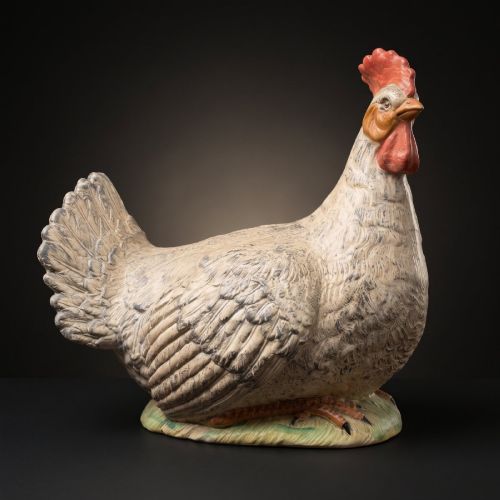
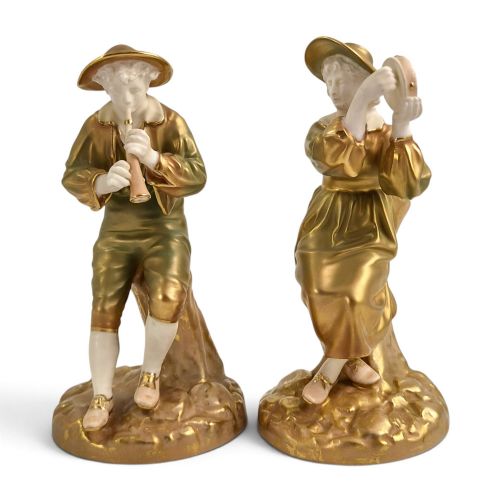
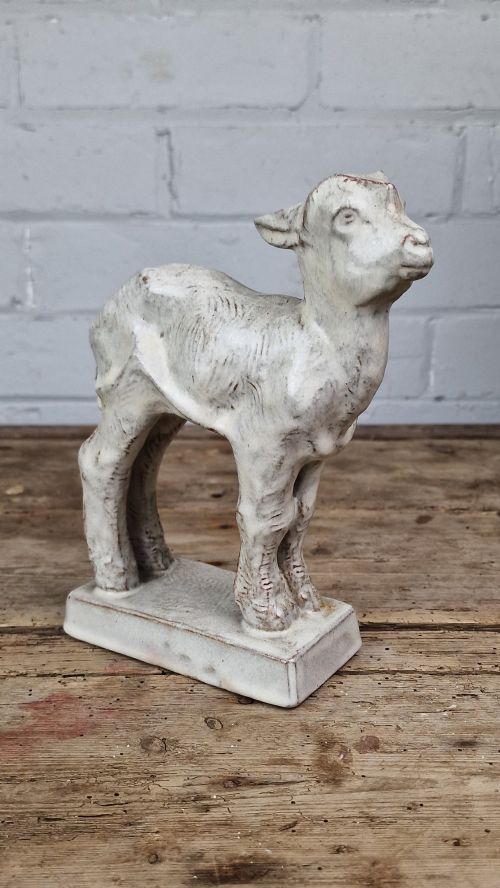
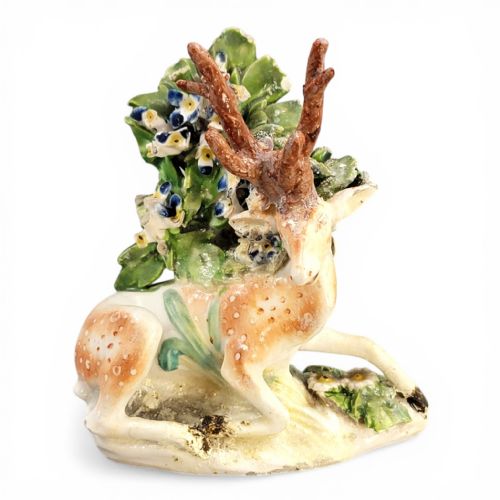
These antique ceramic table statues span delicate eighteenth-century figures to bold twentieth-century groups, bringing character and sculptural presence to any surface.
Antique Ceramic Table Statue
When you search for an antique ceramic table statue, you encounter a diverse array of figural works, porcelain sculptures, and decorative groups designed to sit upon furniture surfaces. These pieces include single figures, paired subjects, table lamps, and figural centrepieces produced across multiple centuries.
Most items on this page manifest as porcelain figurines, earthenware groups, or terracotta sculptures. Makers across Britain, France, Germany, and Italy utilised these mediums to create ornamental objects for domestic display.
Materials and production methods
Ceramic table statues rely on foundational materials such as porcelain, bone china, earthenware, pearlware, and terracotta, often shaped through moulding or slip casting. Biscuit porcelain provides an unglazed, matte finish resembling marble, while earthenware and bone china accept colourful glazes and enamel painting.
Antique Ceramic Table Statue Retail Price Guide 2026
Typical asking prices for ceramic table statue among the pieces listed under this phrase on Sellingantiques today, from the lower quarter to the upper quarter. They describe what is for sale here now, not the wider market.
Listings feature porcelain, earthenware, and terracotta forms spanning the Georgian, Victorian, and mid-century periods.
Markers of quality and craftsmanship
Friedrich Goldscheider·Guido Cacciapuoti·Meissen·Royal Dux·Royal Worcester·Sitzendorf
The Antique Ceramic Table Statue Glossary
- Biscuit porcelain
- Unglazed porcelain fired to a matte, porous finish that resembles white marble. It is frequently employed for neoclassical and Victorian figures.
- Pearlware
- A refined earthenware developed in the eighteenth century featuring a thin glaze with a faint bluish tint in the recesses. It served as a popular base for coloured figures.
- Parian ware
- A fine-grained white biscuit porcelain resembling marble, developed in the nineteenth century for portrait busts and classical statuary. It takes its name from Parian marble.
- Slip cast
- A manufacturing technique where liquid clay slip is poured into a plaster mould to form hollow figures. This method allowed for consistent production of complex shapes.
- Enamel
- Vitreous coloured decoration applied over the glaze or fired on top of the ceramic body. It provides vibrant hues on porcelain and earthenware figures.
Antique Ceramic Table Statue: Frequently Asked Questions
Where should I display a table statue?
Place ceramic statues on stable surfaces such as mantelpieces, sideboards, or dedicated display cabinets where they remain safe from accidental knocks. Ensure the location avoids direct sunlight to prevent the fading of hand-painted enamel colours over time.
Keep pieces away from sources of extreme heat or dampness, which can stress aged ceramic bodies and historic glazes. Proper placement protects both the stability of the base and the integrity of the finish.
How can I tell the period of a figure?
Examine the base for factory marks, impressed ciphers, or painted signatures that correspond to known operational dates of the pottery. The style of dress, hair, and sculptural execution often provides reliable clues to the era of manufacture.
Inspect the fabric of the ceramic itself, noting whether the piece uses early pearlware, Victorian bone china, or mid-century terracotta. Glaze characteristics and wear patterns on the underside further assist in dating.
Are these statues fragile?
Ceramic and porcelain figures are inherently delicate, featuring thin extremities like fingers, flower petals, and animal limbs that break easily. Handle them with both hands supporting the base and main body rather than protruding decorative elements.
Transporting these items requires individual wrapping in soft materials and sturdy packaging to absorb shocks. Displaying them out of high-traffic zones minimises the risk of accidental damage.