





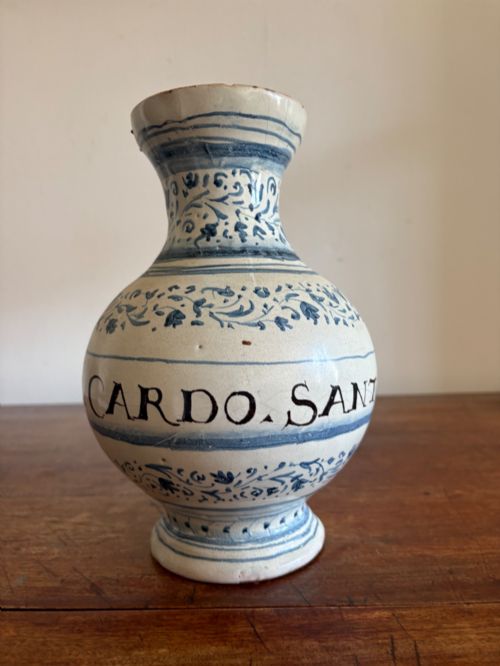


Antique Ceramic Storage Vessel
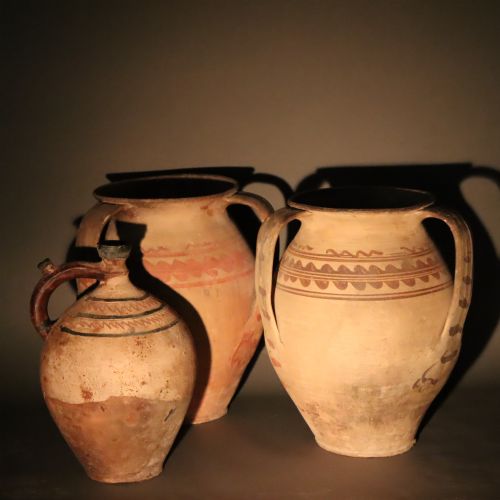
An antique ceramic storage vessel brings utility and history into a room, offering robust earthenware and terracotta bodies shaped for pantry, cellar or dispensary use.
Antique Ceramic Storage Vessel
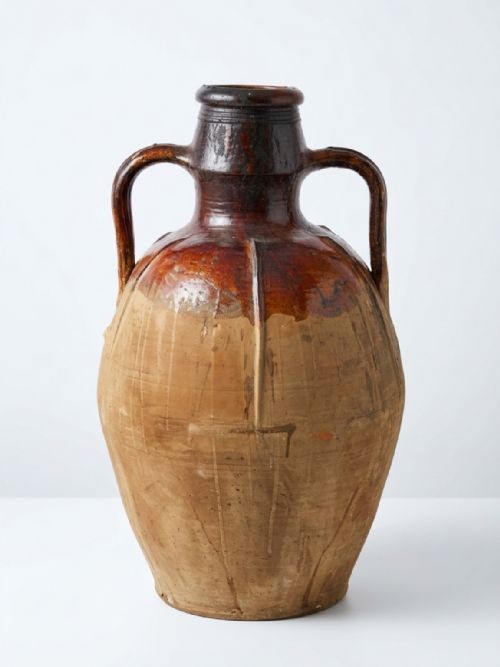
An antique ceramic storage vessel encompasses utilitarian wares made to hold provisions, liquids, and medicines across centuries of domestic and commercial life. The selection here leans heavily towards terracotta oil jars, French confit pots, and apothecary jars from the eighteenth and nineteenth centuries.
Buyers encounter forms ranging from large garden planters and wine jars down to small porcelain ginger jars and drug containers. European country pottery sits alongside Chinese porcelain and Japanese Kutani wares, showing how diverse domestic storage solutions were in the past.
Pieces span periods from the Ming Dynasty through to the Edwardian era, with Victorian examples and nineteenth-century Mediterranean pots appearing frequently. Each piece retains the specific shape dictated by its original function, whether storing walnuts, oil, wine, or dry drugs.
Materials and construction
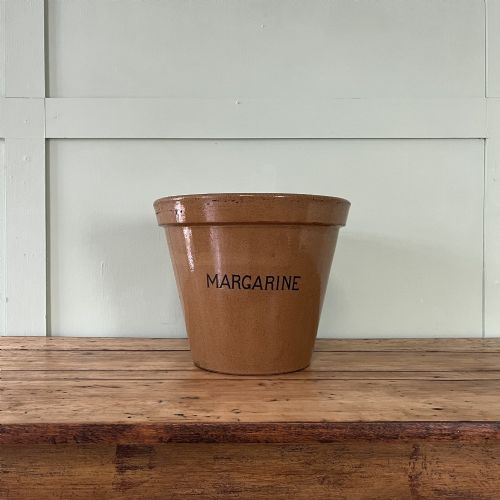
Potters relied on earthenware, terracotta, and stoneware bodies, thrown or hand-built to withstand heavy daily use in kitchens and shops. Earthenware and terracotta allowed porous or semi-porous walls, whilst salt-glazing and applied tin-glazes provided non-porous interior surfaces for holding liquids.
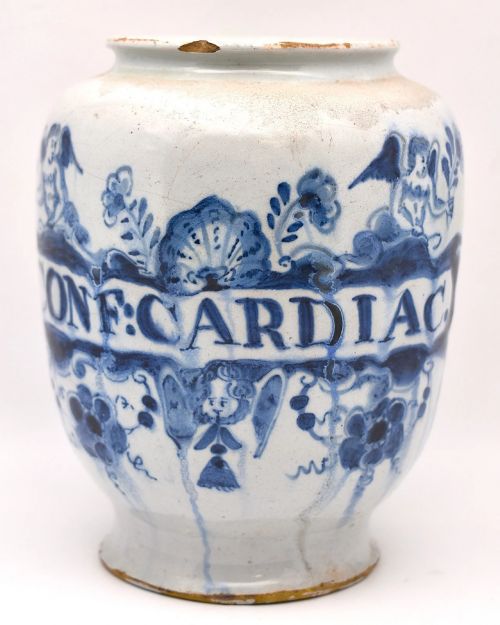
Glazes applied to these vessels include traditional green lead glazes, tin-glazes for drug jars, and salt glazes on heavy industrial stoneware. Surfaces often display hand-painted cobalt blue decoration, polychrome drug labels, or the plain aged patina of raw clay exposed to oil and weather.
Antique Ceramic Storage Vessel Retail Price Guide 2026
Typical asking prices for ceramic storage vessel among the pieces listed under this phrase on Sellingantiques today, from the lower quarter to the upper quarter. They describe what is for sale here now, not the wider market.
Listings feature items spanning the eighteenth century to the mid-twentieth century, incorporating terracotta, porcelain, and glazed stoneware.
Judging quality and character
Quality rests in the harmony between the potting and the functional wear accrued over the life of the vessel. A well-thrown body with balanced proportions and an even, stable base stands apart from clumsy, misshapen utility wares.
The integrity of the glaze and the legibility of hand-painted apothecary inscriptions dictate value in medical and pharmacy jars. Surface weathering, such as the authentic flaking on French confit pots or the deep crazing on tin-glazed earthenware, separates purposeful age from mere damage.
Samuel Alcock and Co·Doulton of London
The Antique Ceramic Storage Vessel Glossary
- Confit pot
- A French earthenware vessel featuring glazed interiors and unglazed lower bodies, originally designed for storing preserved meats. They often display rich green or honey-coloured lead glazes.
- Drug jar
- An apothecary vessel, frequently made from tin-glazed earthenware or Delftware, used to hold dry medicines or wet syrups. They usually carry painted Latin labels.
- Ginger jar
- A globular porcelain or stoneware container originally made to store and transport spices in East Asia. They typically feature domed lids and blue and white painted decoration.
- Majolica
- Pottery decorated with opaque tin glazes and fired with metallic oxide colours. It produces bright polychrome surfaces seen on many Italian apothecary vessels.
- Stoneware
- A dense, hard ceramic fired at high temperatures until vitrified and rendered waterproof. It resists acids and moisture without needing an interior glaze.
Antique Ceramic Storage Vessel: Frequently Asked Questions
What were antique ceramic storage vessels used for?
These vessels served practical storage needs in homes, apothecaries, and warehouses. They held bulk commodities like oil, wine, walnuts, and preserves, or contained medicinal herbs and drugs.
Larger pots stood in gardens or cellars for liquids, whilst smaller jars sat on shop shelves or kitchen counters. Their thick walls helped regulate temperature and protect contents from light and pests.
How do I care for an antique terracotta pot?
Keep porous terracotta and earthenware away from freezing damp conditions if displayed outdoors, as trapped moisture causes the clay to flake and crack.
Dust them gently with a dry cloth and avoid harsh chemical cleaners that might strip the historic patina or old glaze. If used indoors as a planter, place a liner inside to protect the historic clay from mineral deposits.
How can I tell the age of an apothecary jar?
Examine the base, glaze texture, and lettering style to determine the likely period of manufacture. Eighteenth-century pieces often feature tin-glazes with soft blue hand-painted drug labels, whilst nineteenth-century examples show sharper transfer printing or clearer polychrome work.
Tool marks on the base and weight distribution also offer clues to whether a jar dates from the Georgian period or later Victorian production.
Are Chinese ginger jars marked with dynasties?
Some pieces carry reign marks on the base that indicate the imperial period during which they were made. Other export pieces feature floral or symbolic brushwork typical of nineteenth-century production without specific date marks.
Evaluating the clarity of the cobalt blue underglaze and the weight of the porcelain body helps distinguish older pieces from later decorative copies.