


Antique Ceramic Salts
Antique ceramic salts encompass small salt cellars alongside heavier domestic crocks and jugs formed in stoneware, earthenware, and salt glaze.
Antique Ceramic Salts
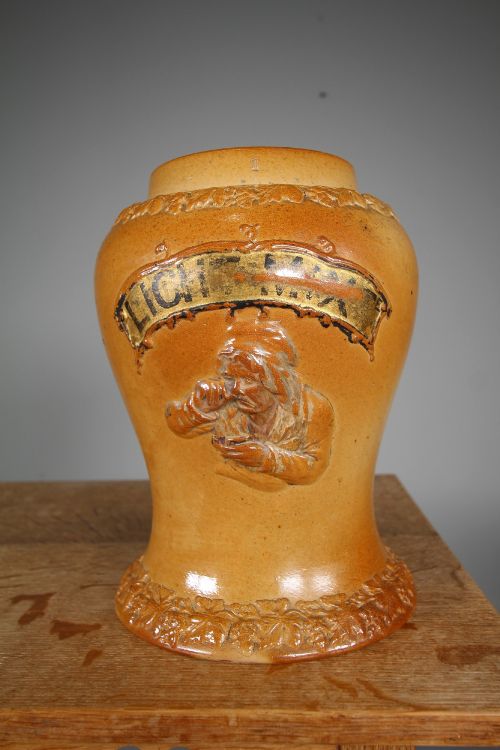
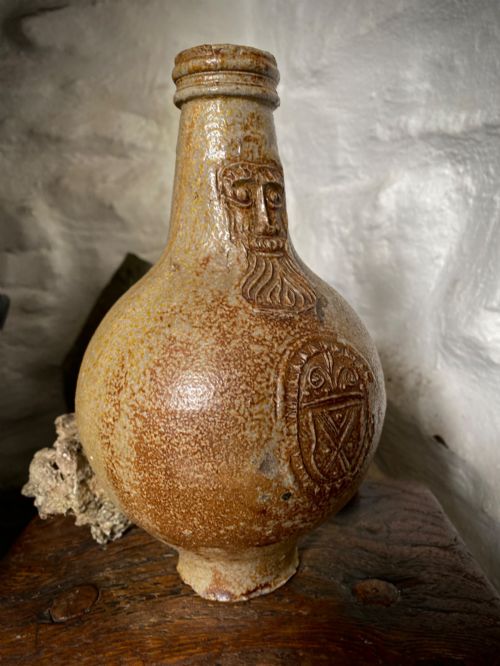
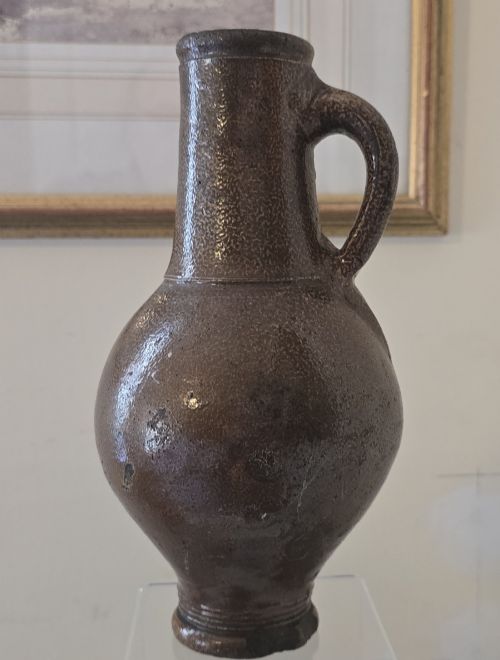
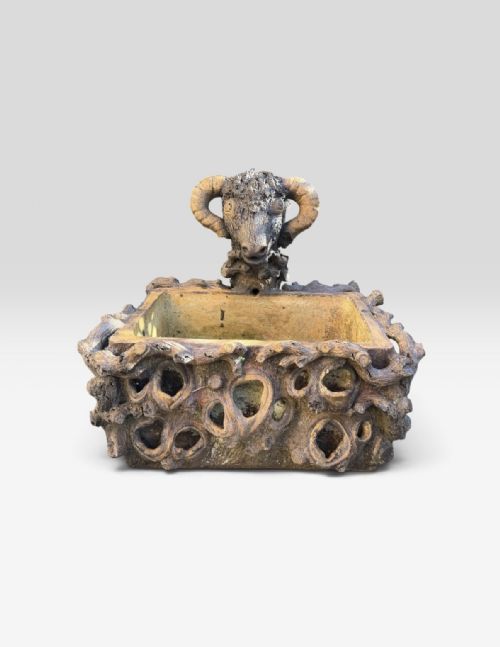
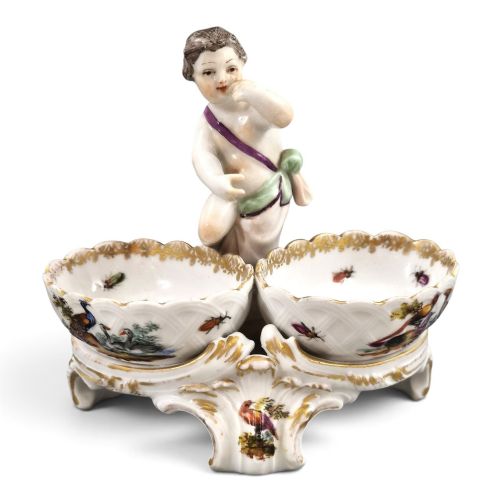
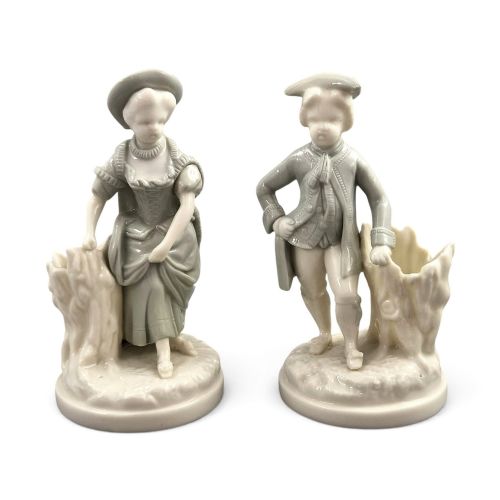
When buyers search for antique ceramic salts, they encounter a range of forms spanning open table cellars to substantial dairy vessels and planters. The pieces on this page cross multiple periods, stretching from the seventeenth century through the Georgian era and into late Victorian production. Smaller table salts often feature hand-painted details or figural designs, while larger utilitarian pieces display the robust qualities of historic storage vessels.
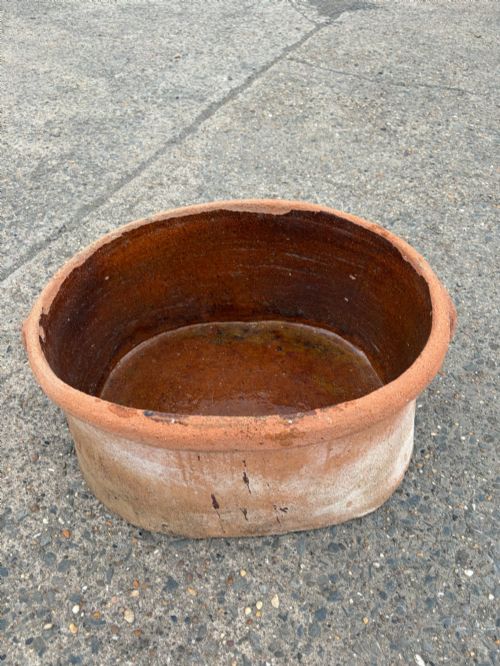
Table-specific examples include octagonal dishes and double salt cellars originating from English and continental potteries. Alongside these diminutive items, the material evidence records heavier functional containers like salters, troughs, and jugs carrying traditional glazes. This mix reflects how ceramic salt containers evolved from intimate dining accessories to sturdy household implements.
Materials and production methods
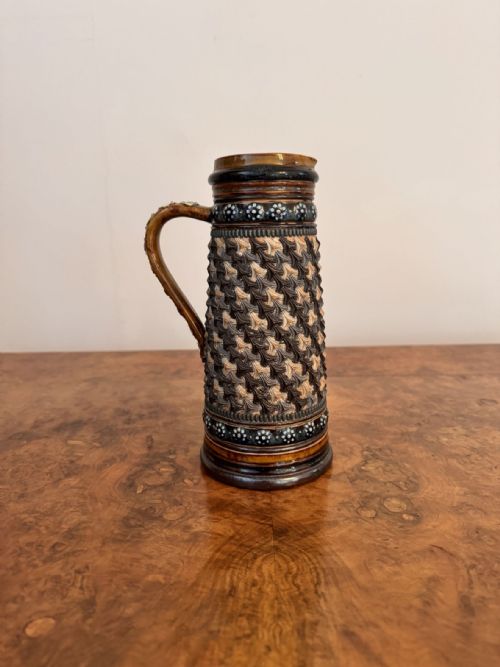
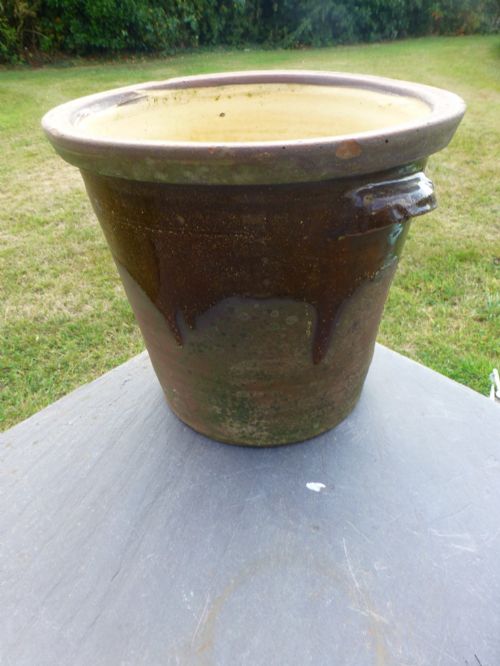
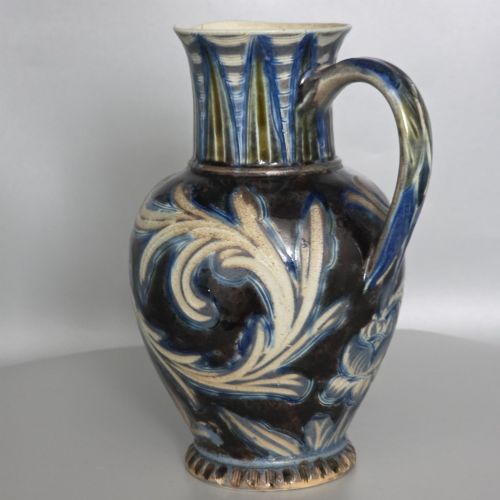
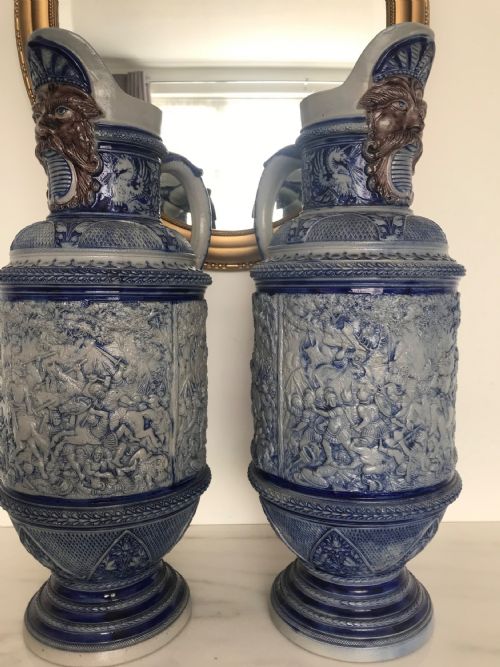
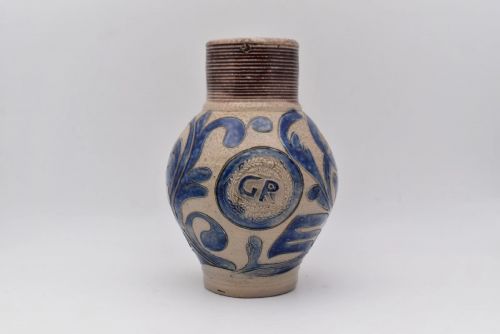
Makers shaped these objects using clay, terracotta, and dense stoneware bodies suited to holding salt, liquids, and foodstuffs. Salt glazing remains a defining characteristic, achieved by throwing common salt into the kiln during high-temperature firing to produce a textured surface finish. Enamel decoration, cobalt blue pigments, and hand-painted motifs frequently accent the fired bodies, particularly on continental European and English delftware examples.
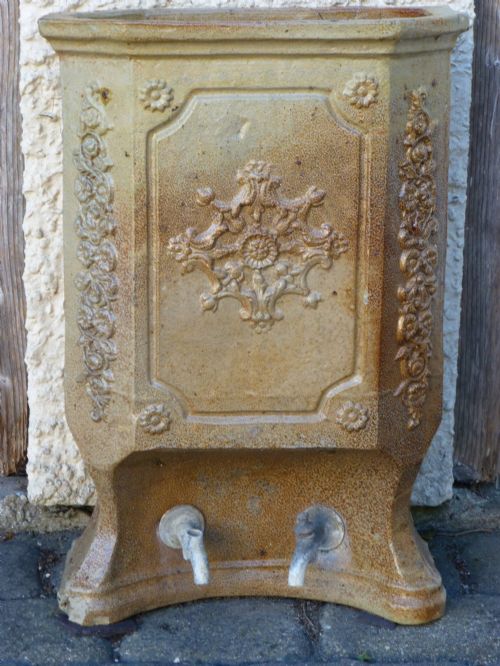
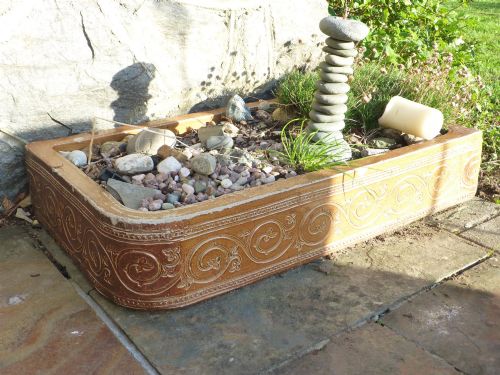
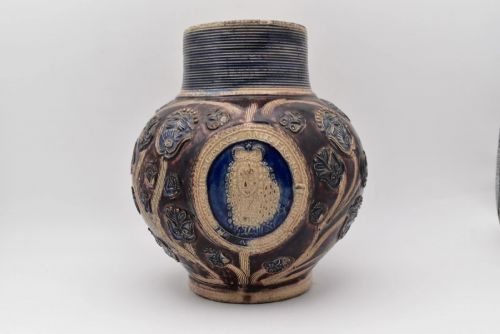
Potters also utilised moulded terracotta and applied relief work, visible on harvest jugs and decorative troughs. Silver rims and mounts occasionally finish the tops of stoneware beakers and jugs, adding functional reinforcement and contrast to the earthy ceramic material.
Antique Ceramic Salts Retail Price Guide 2026
Typical asking prices for ceramic salts among the pieces listed under this phrase on Sellingantiques today, from the lower quarter to the upper quarter. They describe what is for sale here now, not the wider market.
Puzzle jugs challenge drinkers to consume ale through hidden spouts without spilling a drop down their fronts.
Evaluating distinction and execution
Quality in these pieces rests upon the crispness of moulded relief work, the control of cobalt cobalt application, and the evenness of the salt glaze texture. Pieces produced by established studio artists or recognised potteries exhibit sharper detail in figural elements and hand-painted birds or heraldic ciphers. Stronger domestic vessels display balanced proportions and consistent kiln development without surface distortion.
The sophistication of the glaze and the clarity of painted decoration separate standard utilitarian output from finer decorative table salts. Careful execution in potting and glazing ensures that functional pieces retain distinct aesthetic merit alongside their historical utility.
John Dwight Fulham Pottery·Simon Peter Gerz·Doulton Lambeth·Emma Shute·Emily Stormer
The Antique Ceramic Salts Glossary
- Salt Glaze
- A vitreous coating formed on stoneware by introducing salt into the kiln during firing. This process creates a distinctive textured surface resembling orange peel.
- Stoneware
- A heavy, dense ceramic fired at high temperatures until semi-vitrified. It is completely impermeable to liquids even without a glaze.
- Delftware
- Tin-glazed earthenware produced in England and the Netherlands, typically decorated with blue designs on a white background.
- Tyg
- A drinking vessel featuring three or more handles designed for passing among guests at table. These sturdy ceramic pieces date back to the seventeenth and eighteenth centuries.
- Faience
- Tin-glazed earthenware produced in France and other continental European regions. It often displays colourful hand-painted botanical or figurative motifs.
Antique Ceramic Salts: Frequently Asked Questions
What are antique ceramic salts?
Antique ceramic salts encompass small open cellars designed for dining tables as well as heavier storage crocks and domestic vessels associated with salt and food preservation. They span several centuries of ceramic history and include domestic wares made across England, Germany, and France.
These pieces range from delicate hand-painted table dishes to robust stoneware containers. Their construction reflects the shifting domestic habits and potting technologies of past eras.
How were salt cellars used?
Table salts held dry salt within easy reach of diners before free-flowing salt shakers became common in households. Guests would pinch salt from the open vessel to season their food during meals.
Larger salt containers and troughs served practical functions in kitchens, dairies, and larders, keeping bulk salt dry and accessible for daily cooking and preserving.
How do you date salt glazed stoneware?
Dating salt glazed stoneware relies on identifying specific manufacturing characteristics, potting styles, and historical ciphers stamped onto the clay body. Pieces bearing royal ciphers or specific monarchical stamps provide a clear chronological anchor for production.
Stylistic shifts, such as the transition from early Westerwald jugs to later Victorian relief work, also help place pieces within specific centuries.
How should I clean antique pottery?
Cleaning antique pottery requires gentle care using soft cloths and lukewarm water without harsh chemical detergents. Porous materials and historic glazes can be sensitive to aggressive scrubbing or soaking.
Keeping these items in stable indoor environments protects the surface glazes and any applied enamel decorations from unnecessary wear.