

Antique Ceramic Royal Figure
An antique ceramic royal figure captures the likenesses of monarchs and dignitaries through the skilled work of potteries spanning the Victorian and twentieth-century eras.
Antique Ceramic Royal Figure
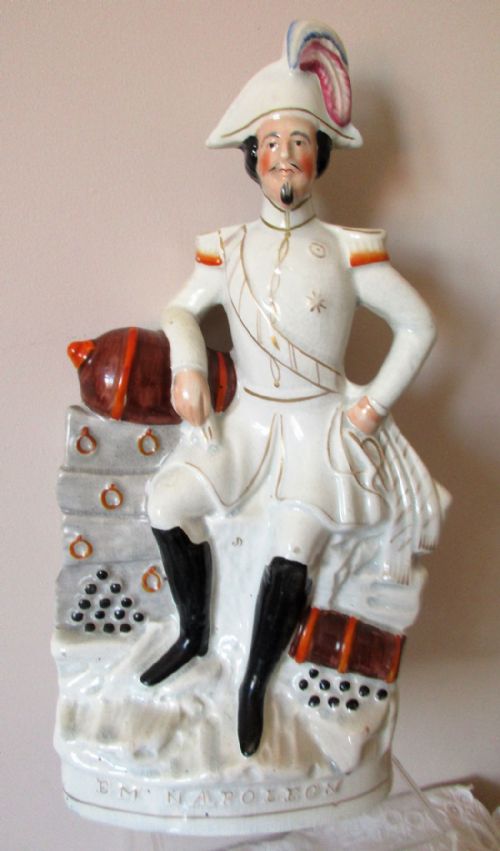
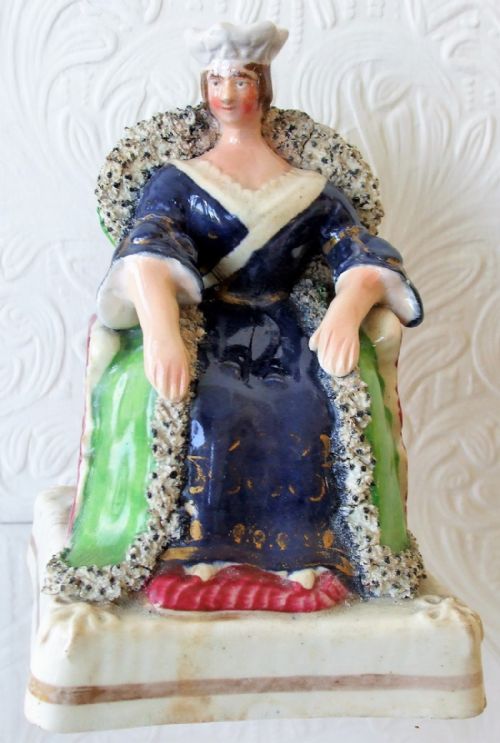
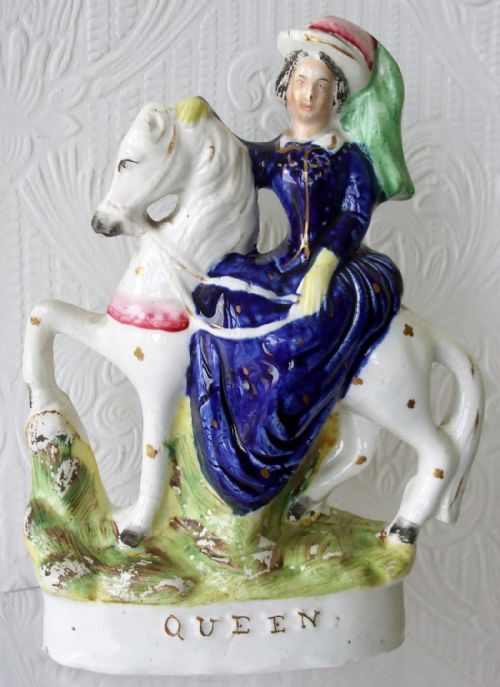
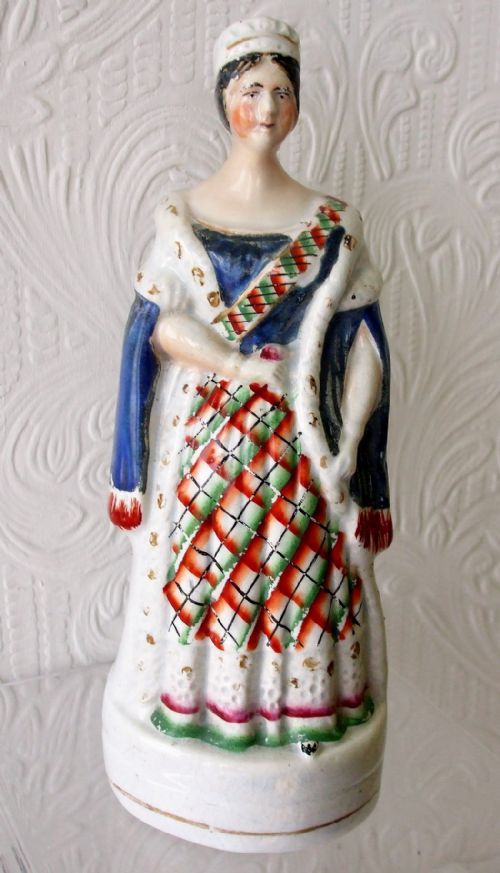
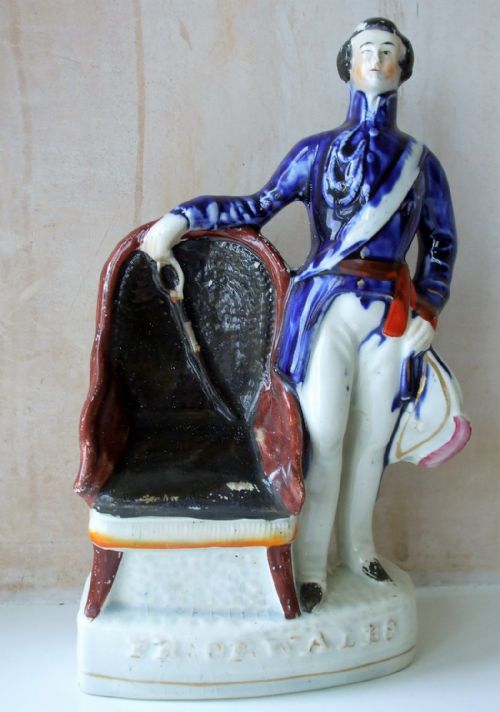
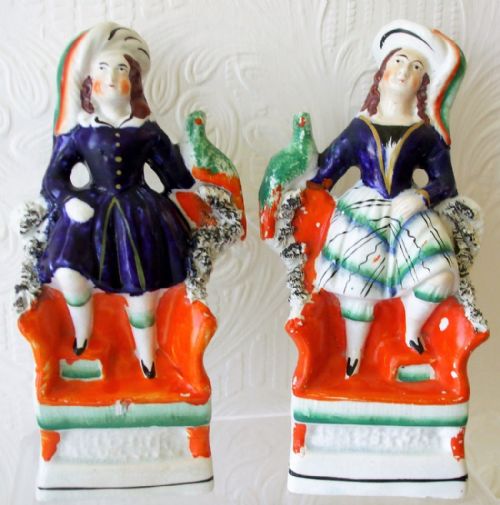
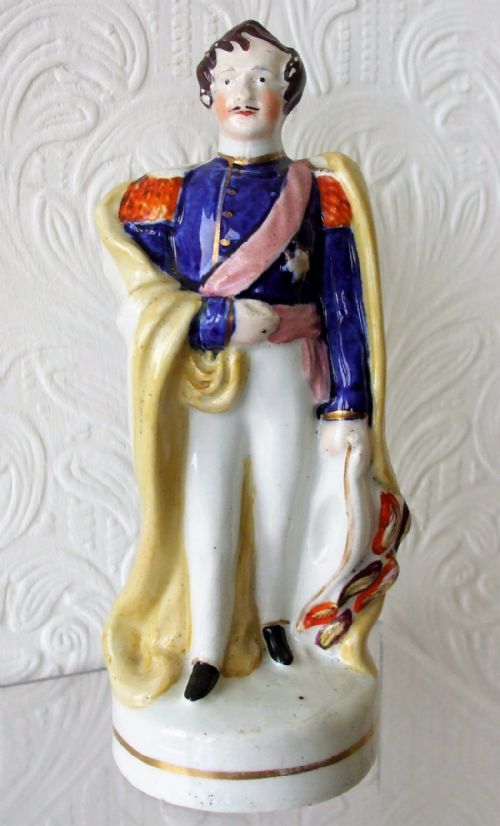
An antique ceramic royal figure encompasses portrait pieces and sculptural studies produced by major factories across the nineteenth and twentieth centuries. The earliest examples met on this page are nineteenth-century Staffordshire pottery items depicting British royalty such as Queen Victoria, Prince Albert, and the Prince of Wales.
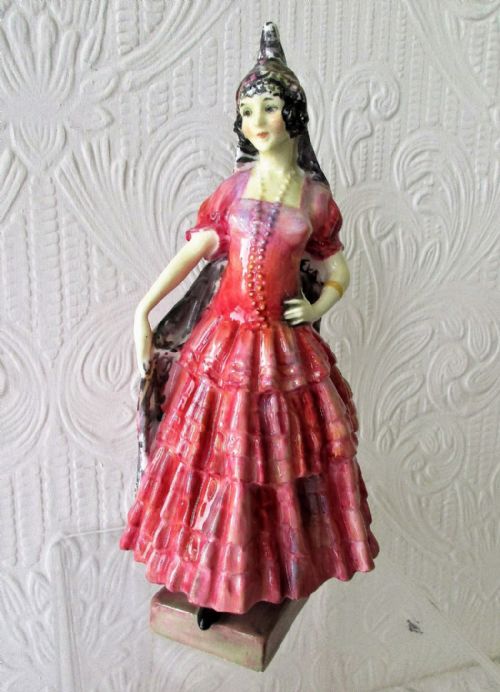
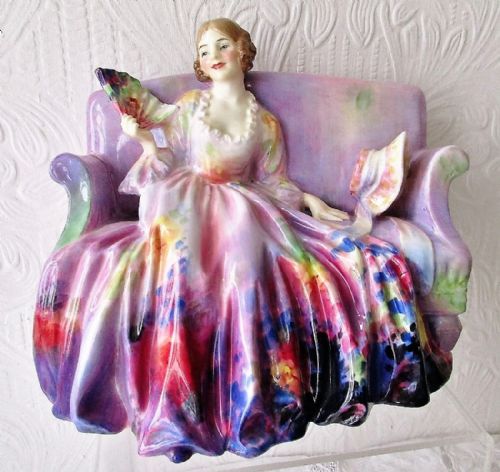
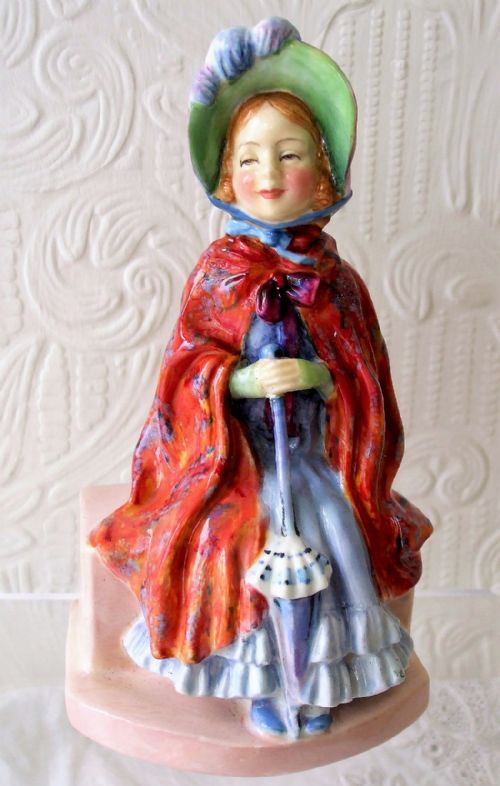
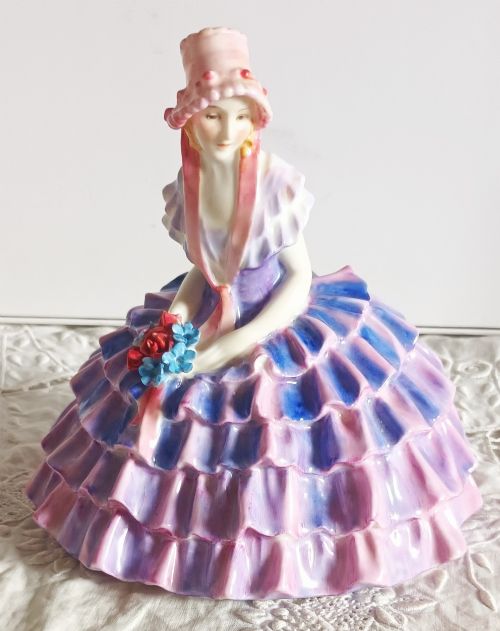
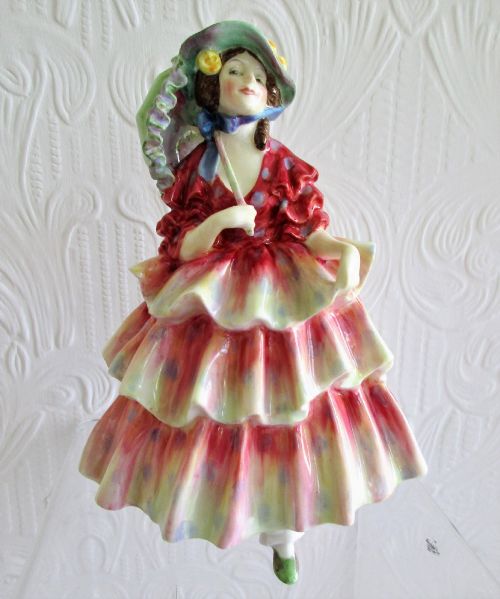
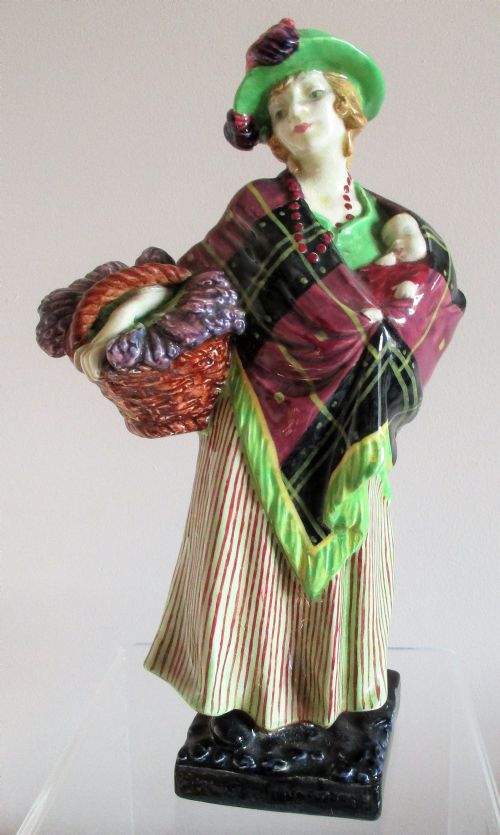
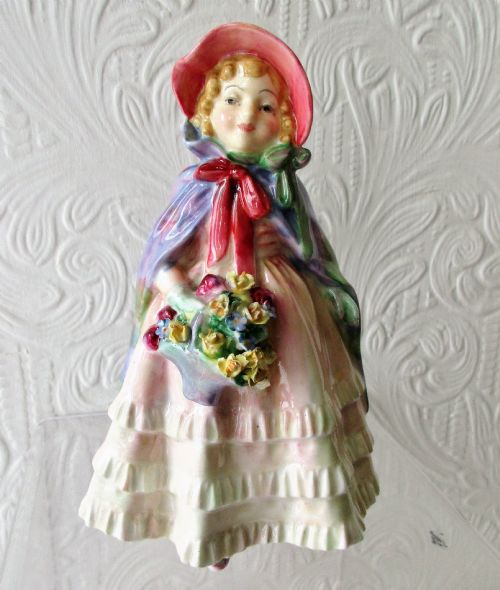
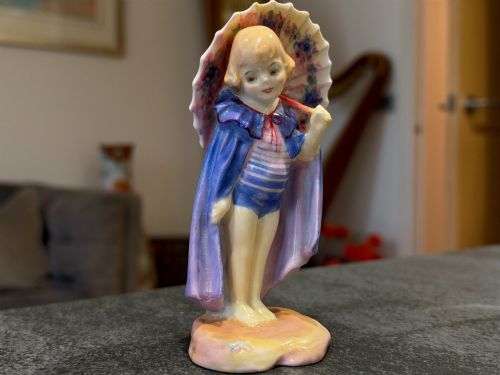
Later works shift towards sophisticated porcelain and bone china figures from manufacturers like Royal Doulton and Royal Worcester. These span Victorian portrait subjects to Art Deco models and twentieth-century character studies.
Forms range from flatback Staffordshire mantel ornaments to monumental Art Nouveau figures and delicate blush ivory groups modelled by designers like James Hadley.
Materials and methods
Makers utilised earthenware, porcelain, bone china, and Parian ware to shape these subjects, often applying intricate glaze and enamel decoration. Staffordshire pieces rely on heavy earthenware moulded into flatbacks and hand-painted with cobalt blue and other pigments.
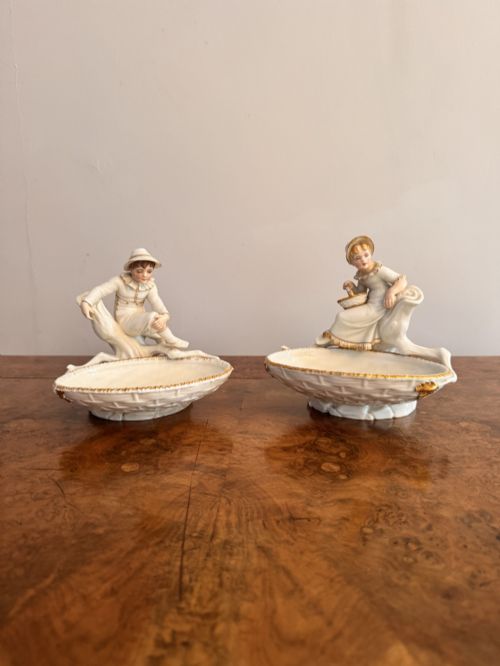
Porcelain works incorporate fine details finished with gold leaf or gilt highlights, particularly seen in the blush ivory surfaces and metallic patents of Royal Worcester. Figures from Royal Dux Bohemia and Royal Copenhagen demonstrate skilled modelling in large-scale and delicate ceramic compositions.
Antique Ceramic Royal Figure Retail Price Guide 2026
Typical asking prices for ceramic royal figure among the pieces listed under this phrase on Sellingantiques today, from the lower quarter to the upper quarter. They describe what is for sale here now, not the wider market.
Some Victorian Staffordshire portrait figures misspell royal names on their bases, revealing the phonetic work of rural potters.
Factors of quality
Factory porcelain benefits from sophisticated sculpting by named modellers, where intricate details such as lace, drapery, and natural elements remain sharp. The depth of the glaze and the preservation of original gilt accents further distinguish superior examples.
Royal Doulton·Royal Worcester·Royal Dux·Royal Copenhagen
The Antique Ceramic Royal Figure Glossary
- Flatback
- A Staffordshire figure designed with a finished front and an unglazed or flat rear meant to stand against a mantelpiece. This style originated in the nineteenth century for domestic display.
- Blush ivory
- A soft, cream-coloured ceramic body developed by Royal Worcester with subtle tinted grounds. It provides a muted backdrop for gilt and enamel floral decoration.
- Bone china
- A type of porcelain incorporating animal bone ash that produces a strong, milky-white body. It allows for thin-walled casting and delicate sculptural forms.
- Parian ware
- A fine-grained, unglazed porcelain resembling white marble, often used for portrait busts and classical figures in the nineteenth century. It captures facial details and smooth drapery with high definition.
Antique Ceramic Royal Figure: Frequently Asked Questions
What are Staffordshire portrait figures?
Staffordshire portrait figures are earthenware ornaments created in the nineteenth century to depict monarchs, military leaders, and notable public figures. Potters moulded these pieces for everyday domestic display on mantelpieces.
These figures often feature hand-painted details and identifying names inscribed along the base. They offer a direct window into Victorian popular culture and loyalty.
How do I date an antique ceramic figure?
Dating relies on maker marks, patent stamps, and the specific ceramic body used in construction. Victorian pieces frequently show impressed numbers or registry marks on the underside.
Twentieth-century works by factories like Royal Doulton include specific pattern numbers, such as the HN series, alongside distinctive backstamps that changed over decades.
Where were Royal Dux figures made?
Royal Dux figures originated in Bohemia during the late nineteenth and early twentieth centuries. The factory gained renown for large-scale Art Nouveau maiden studies and naturalistic animal groups.
These pieces are typically identified by applied pink triangular porcelain seals rather than traditional stamped backstamps.
How should I display ceramic figures?
Ceramic figures require stable shelving away from direct sunlight to preserve delicate enamel colours and gilt highlights. Enclosed cabinets protect pieces from dust and accidental impacts.
Staffordshire flatbacks sit securely on mantelpieces, while intricate porcelain figurines benefit from level surfaces where fragile limbs and accessories remain safe.