





Antique Ceramic Pin Dish
These antique ceramic pin dish examples bring practical elegance to dressing tables, holding small trinkets with the refined craftsmanship of past centuries.
Antique Ceramic Pin Dish
When you search for an antique ceramic pin dish, you encounter small decorative vessels created to hold pins, rings, and other small personal items on dressing tables and desks. The examples collected here span the nineteenth century, the Edwardian era, and into the mid-twentieth century, showcasing diverse forms from simple rounds to shaped trays.
The utility of these small dishes changed little over time, serving primarily as tidy receptacles for daily accessories. Their survival depends on their robust construction and the care previous owners took with such domestic trifles.
Materials and technique
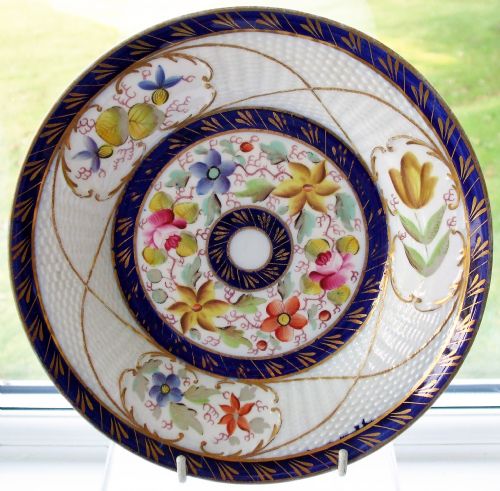
Makers shaped these small vessels from refined pastes such as porcelain, bone china, and earthenware, often finishing them with a smooth glaze to seal the body. Many pieces receive hand-painted botanical or figurative details, sometimes enhanced with gilt edging or raised gold leaf.
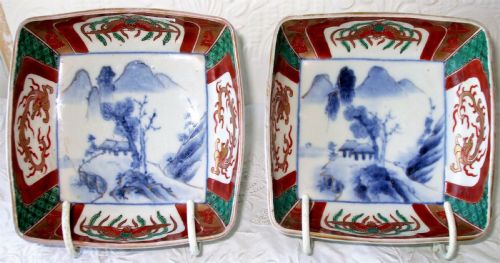
Techniques varied by region, with English potteries employing transfer printing and hand-enamelling, while French faience traditions relied on tin-glazed earthenware painted with bright blue and white pigments. Japanese Imari pieces demonstrate high-fired porcelain decorated with underglaze blue and iron red, frequently accented with gilding.
Specialised workshops also incorporated metal mounts, such as ormolu and champleve enamel, combining ceramic bodies with decorative brass or bronze hardware for dressing table accessories.
Antique Ceramic Pin Dish Retail Price Guide 2026
Typical asking prices for ceramic pin dish among the pieces listed under this phrase on Sellingantiques today, from the lower quarter to the upper quarter. They describe what is for sale here now, not the wider market.
Several dishes double as tiny fish ponds and shell resting places, proving Victorians loved their smallest trinkets to tell elaborate stories.
Judging quality in small trays
The distinction between ordinary production and superior work rests on the precision of the hand-painting and the clarity of the glaze. Master painters employed by major factories executed intricate floral sprays and figures with fine brushwork that remains sharp and vibrant.
Form and proportion separate standard utilitarian items from exhibition pieces, where moulded details, pierced rims, or unusual shapes like shells and fans demand greater technical skill from the potter. The presence of identifiable artist signatures or specific factory marks elevates a piece beyond anonymous domestic wares.
Material choice also dictates standard; translucent bone china and fine porcelain require more exacting kiln temperatures and preparation than coarse earthenware, resulting in a lighter, more resonant body.
Royal Crown Derby·New Hall·HR Quimper·Doe and Rogers·Carlton Ware·Royal Worcester·Barr Flight and Barr·Vienna·Helena Wolfsohn·Macintyre and Co·William Moorcroft·Liberty and Co·Royal Dux·Mason·Wedgwood·Royal Copenhagen
The Antique Ceramic Pin Dish Glossary
- Faience
- Tin-glazed earthenware produced in France and other European regions, typically featuring opaque white glazes painted with coloured pigments. It offers a distinctive porous body beneath the decorative surface.
- Imari
- A style of Japanese porcelain decorated in underglaze blue, iron red, and gold, which heavily influenced European factories. English and continental makers frequently copied these vibrant palettes on small dishes and trays.
- Vide-Poche
- A French term translating to empty pocket, describing a small dish or tray placed in an entrance hall or on a dressing table for coins, pins, and keys. These forms often incorporate shallow wells and shaped rims.
- Bone China
- A type of porcelain incorporating bone ash into the paste, developed in England to create a durable, highly translucent ceramic body. It accepts fine enamel painting exceptionally well.
- Gilt
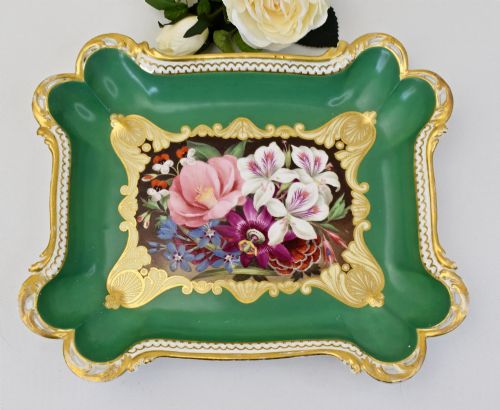
- A thin layer of gold applied to the ceramic surface, either as liquid gold fired in a kiln or as applied gold leaf. It highlights rims, handles, and painted motifs on nineteenth-century tableware.
Antique Ceramic Pin Dish: Frequently Asked Questions
What is an antique ceramic pin dish used for?
These small vessels were designed to hold loose sewing pins, needles, and small jewellery items safely on a dressing table or vanity.
Today, they serve the same practical function for rings and modern trinkets, or simply act as cabinet displays for collectors of nineteenth-century ceramics.
How do I date an antique porcelain dish?
Dating relies heavily on factory backstamps, impressed marks, and stylistic indicators such as the heavy gilding of the Victorian period or the geometric motifs of the Art Deco era.
Comparing the paste, glaze characteristics, and painting style to documented examples from specific potteries provides a reliable chronological frame.
Are Quimper pin trays French?
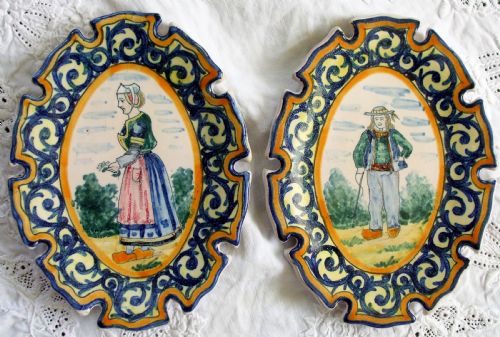
Yes, HR Quimper pieces originate from the French town of Quimper in Brittany, known for its distinctive hand-painted faience earthenware.
These items typically feature peasant figures or floral motifs rendered in a naive, charming palette of blues, yellows, and greens.
What is Imari style?
Imari style refers to the distinctive Japanese export porcelain pattern utilising deep underglaze blue, rusty iron red, and supplementary gilding.
European factories widely imitated these striking colour combinations on small trays and bowls throughout the nineteenth century.