





Antique Ceramic Model
An antique ceramic model captures the skill of master modellers across centuries, offering collectors tangible fragments of history to display at home.
Antique Ceramic Model
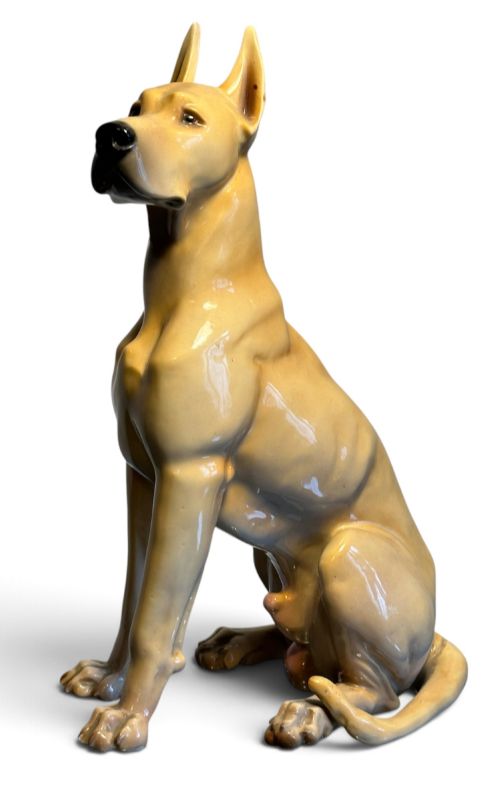
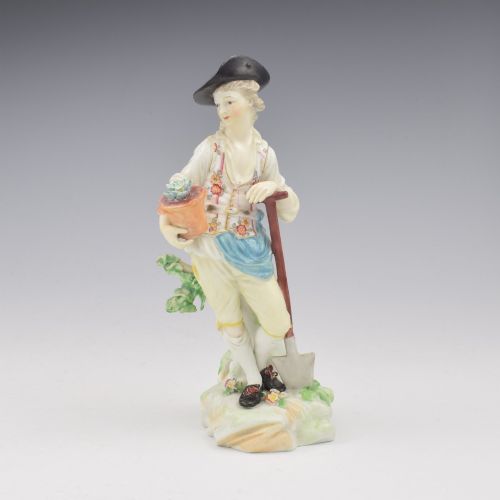
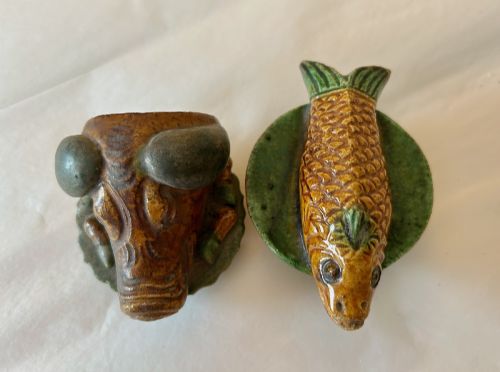
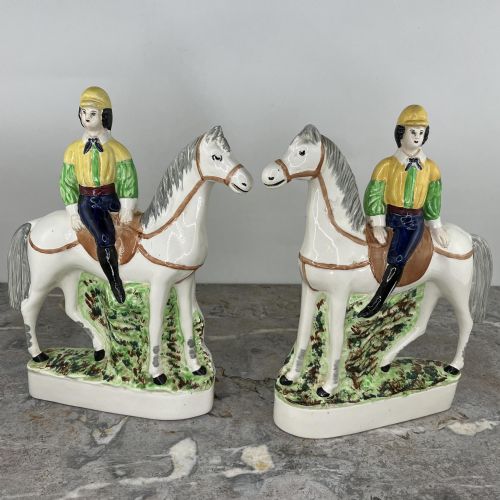
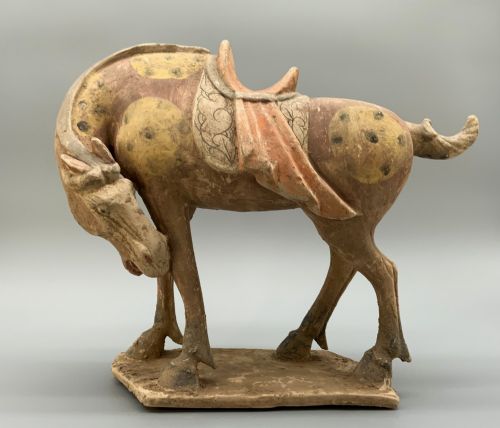
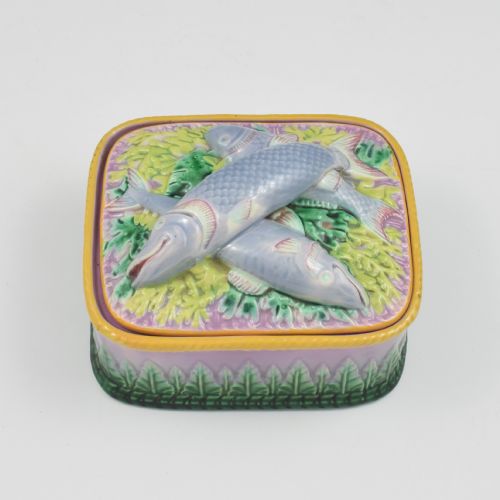
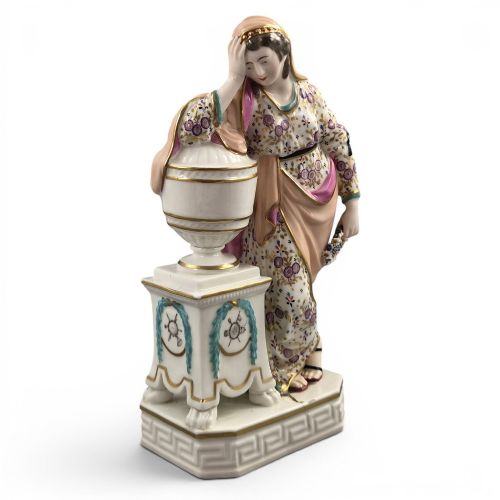
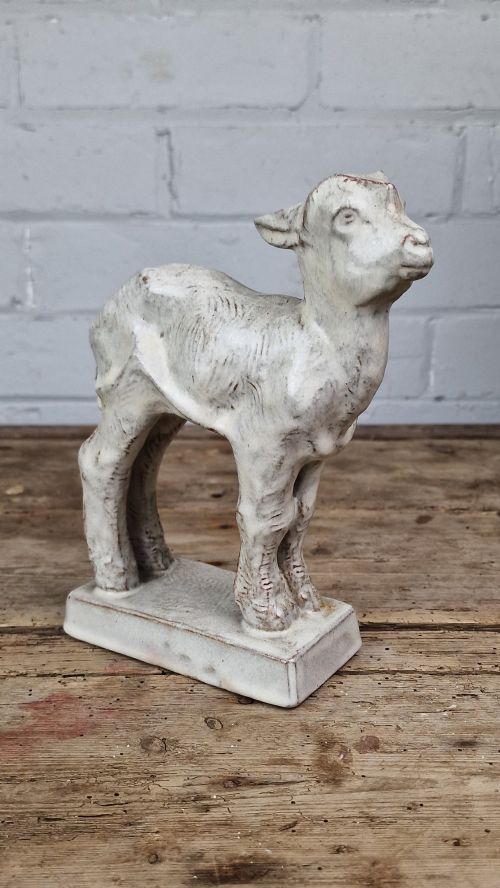
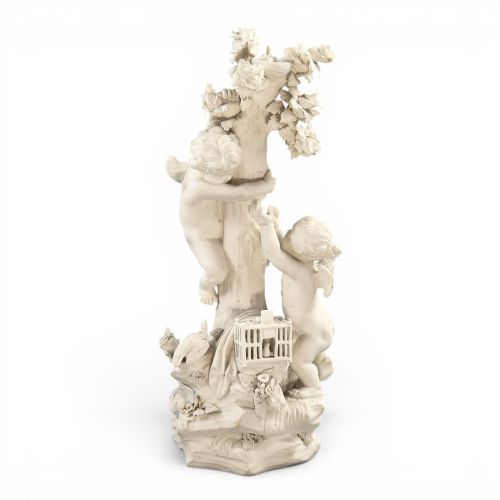
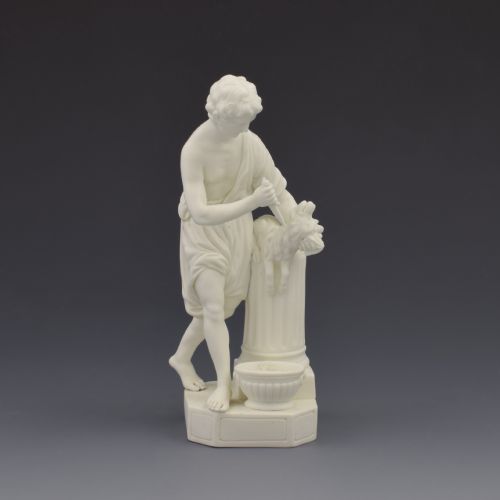
Every antique ceramic model on this page represents a diverse range of forms, from figurative groups and animals to architectural granaries and anatomical studies. The selection spans significant periods such as the Georgian era, the Victorian age, and the early twentieth century.
Buyers frequently encounter porcelain figures and earthenware animals produced by prominent European factories alongside earlier Chinese pottery and Japanese Kutani pieces. These items served ornamental and utilitarian purposes in period interiors, reflecting changing aesthetic tastes from Rococo to Art Nouveau.
Makers utilised distinct numbering systems and marks to identify specific models, allowing collectors to trace origins from eighteenth-century English works to continental European studios. The variety extends across soft-paste porcelain, hard-paste porcelain, majolica, and biscuit wares.
Materials and production techniques
Makers shaped these pieces using varied ceramic bodies including earthenware, soft-paste porcelain, and unglazed biscuit porcelain, often applying lead or tin glazes to seal the surface. Skilled modellers pressed clay into multi-part moulds before hand-finishing intricate details like foliage, garments, and facial expressions.
Workshops employed rich enamel colours, gold leaf, and lustres, fixing the decoration through subsequent kiln firings to achieve durable vibrancy. Figures featuring delicate background elements such as porcelain bocage required careful support during high-temperature firing to prevent distortion.
Antique Ceramic Model Retail Price Guide 2026
Typical asking prices for ceramic model among the pieces listed under this phrase on Sellingantiques today, from the lower quarter to the upper quarter. They describe what is for sale here now, not the wider market.
Seated bagpipers and inquisitive cockatoos share shelf space with eighteenth-century philosophers and anatomical models.
Distinguishing quality in modelling and finish
Quality also rests in the application of the palette, where finely painted enamels and controlled gilding enhance the sculptural form without obscuring the underlying ceramic body. The naturalism of the pose and the proportional balance of auxiliary elements like bocage or bases separate masterworks from routine factory output.
Derby·Meissen·Royal Dux·Royal Worcester·Wedgwood·Royal Doulton·George Jones·Turn Vienna
The Antique Ceramic Model Glossary
- Biscuit porcelain
- Unglazed porcelain fired once to a porous, matte state that highlights sculptural detail without surface shine.
- Bocage
- An applied background of ceramic leaves and branches often found behind eighteenth-century figures.
- Majolica
- Earthenware covered with an opaque lead glaze containing tin oxide, decorated with brightly coloured metal oxides.
- Pearlware
- A refined earthenware developed in the eighteenth century featuring a thin glaze with a faint bluish tint.
- Shishi
- A traditional East Asian guardian lion, frequently rendered in ceramic or porcelain as a decorative model.
Antique Ceramic Model: Frequently Asked Questions
What is a ceramic model?
A ceramic model is a three-dimensional sculptural object formed from clay or porcelain, ranging from human figures and animals to decorative vessels and anatomical studies.
These pieces were shaped in moulds, fired in kilns, and hand-decorated by artisans using glazes, enamels, or gilding to serve as ornamental displays.
How do I identify factory marks?
Factory marks typically appear as painted, impressed, or incised symbols on the unglazed base of a piece, accompanied by model numbers or artist ciphers.
Consulting standard ceramic reference guides helps match these marks to specific periods and production centres.
What does biscuit porcelain mean?
Biscuit porcelain refers to wares that have been fired in the kiln without a final glaze application, leaving a smooth, matte surface resembling marble.
This technique was particularly favoured for neoclassical figures because it revealed the fine detail of the modeller's work.
How should I display delicate figures?
Display these models away from direct sunlight and fluctuating temperatures to protect painted enamels and delicate applied elements like bocage.
Placing them within stable cabinets or on secure surfaces prevents accidental knocks to protruding limbs or decorative additions.