


Antique Ceramic Mantelpiece Figure
These antique ceramic mantelpiece figure pieces bring nineteenth-century domestic character to a room, offering colourful Staffordshire animals and continental porcelain subjects designed to sit proudly on a shelf.
Antique Ceramic Mantelpiece Figure
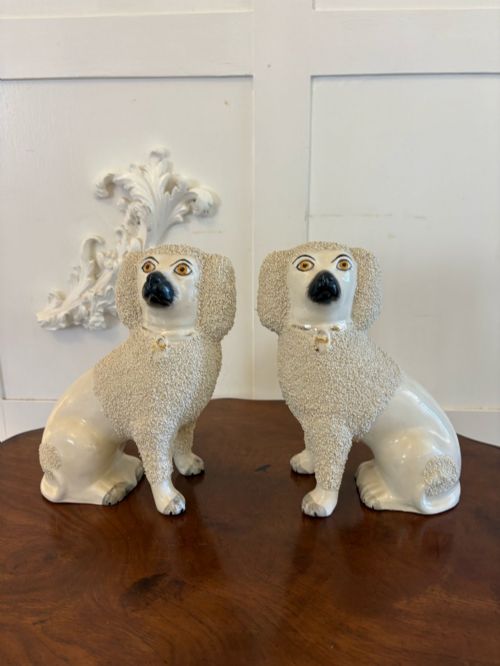
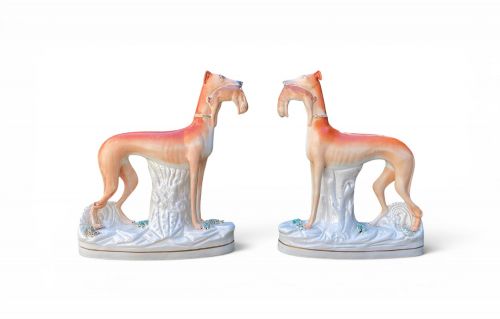
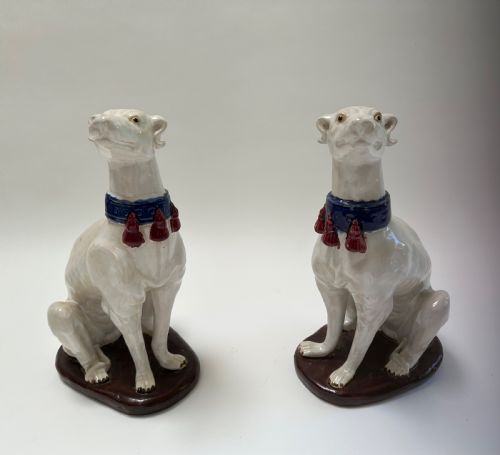
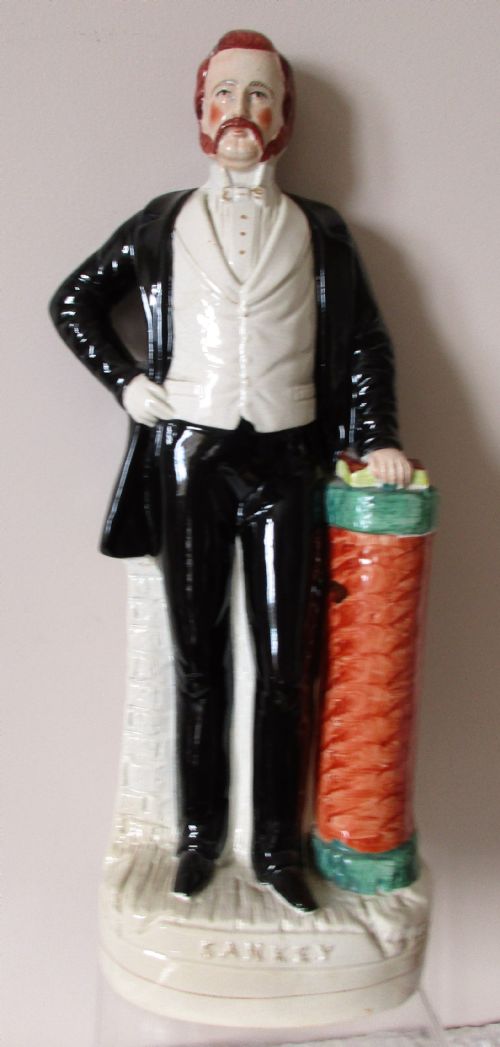
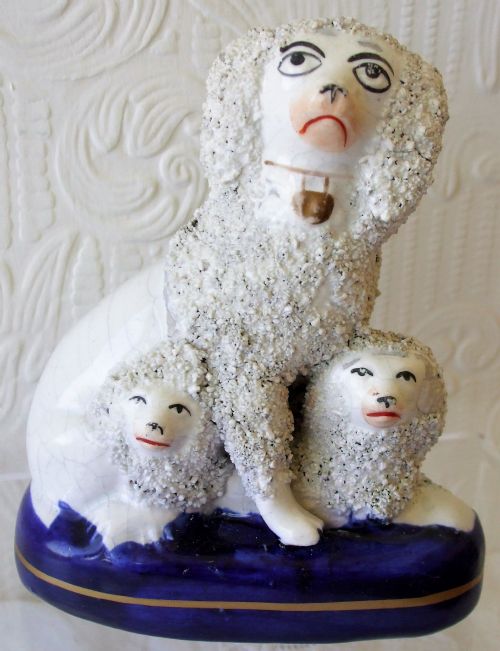
When you search for an antique ceramic mantelpiece figure, you encounter an array of nineteenth-century Staffordshire earthenware pottery, porcelain figurines, and spill vases. These ornaments depict animals like poodles, greyhounds, spaniels, lions, and cats, alongside portrait figures, historical groups, and allegorical subjects.
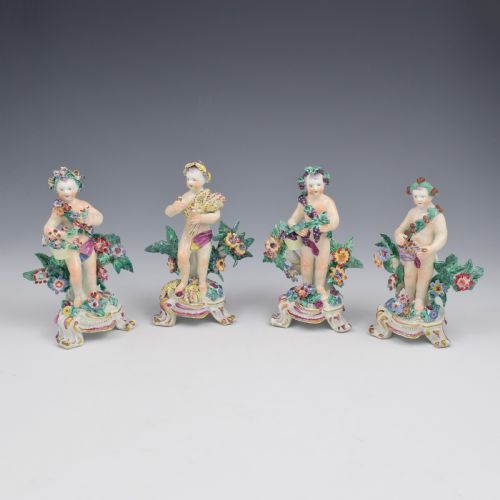
The predominant form on this page is the Victorian Staffordshire flatback, moulded to sit flush against a wall or mantel ledge. Alongside these domestic earthenware pieces appear continental porcelain groups, Staffordshire spill vases, and sculptural pairs intended for decorative display.
Materials and Construction
Makers utilised earthenware, porcelain, and stoneware, shaped through press-moulding or slip-casting before receiving hand-painted enamel details and lead glazes. Copper lustre finishes and touches of gold leaf provide metallic sheen on specific animal sculptures and portrait figures.
Potters applied glazes directly over the clay body or over white enamel grounds, firing the pieces in kilns to fix the vibrant pigments. Many earthenware models feature hollow backs, a practical construction method that reduced weight and prevented cracking during firing.
Listings feature nineteenth-century Staffordshire earthenware, Victorian flatbacks, and continental porcelain from French and German factories.
Distinctions in Quality
Pairs show greater desirability when the two pieces match closely in size, stance, and decorative detail, reflecting careful studio execution. The depth of the modelling on flatback figures and the retention of original gilding also separate standard production from finer sculptural work.
Bow Porcelain·Volkstedt Richard Eckert·Royal Capodimonte Factory·Royal Doulton·Eugene Clauss of Paris·Royal Dux·Sitzendorf
The Antique Ceramic Mantelpiece Figure Glossary
- Flatback
- A figure moulded with a finished front and a flat, unadorned rear designed to stand against a wall or mantelpiece. This construction allowed potters to save materials while producing stable decorative objects.
- Spill vase
- A hollow cylindrical vase attached to a figure, intended to hold wooden spills for lighting candles and fires. These practical vessels frequently take the form of tree trunks beside animals or human figures.
- Earthenware
- Porous pottery fired at lower temperatures, commonly used for nineteenth-century Staffordshire figures. It required an opaque glaze or enamel paint surface to achieve colour and waterproof qualities.
- Lead glaze
- A glossy coating containing lead oxide applied to pottery before firing to give a smooth, vitreous finish. This technique enhances the colours of the underlying painted decoration.
- Putti
- Plump, winged infant figures often found in continental porcelain allegorical groups. They frequently represent mythological themes or the seasons in eighteenth and nineteenth-century design.
Antique Ceramic Mantelpiece Figure: Frequently Asked Questions
What is an antique ceramic mantelpiece figure?
These decorative objects are nineteenth-century earthenware and porcelain sculptures made to adorn domestic fireplaces and shelves. They include Staffordshire dogs, portrait figures, and continental porcelain groups.
Potters created them in varied forms, ranging from flatback animal pairs to functional spill vases and allegorical figures.
How were Staffordshire mantelpiece figures used?
Victorian households placed these ceramic figures in pairs upon mantelpieces, sideboards, and drawing-room tables to display taste and prosperity. Spill vase versions served the practical purpose of holding tapers used to light fires and candles.
Over time, they transitioned from functional room ornaments into collectable displays of nineteenth-century folk art and ceramic design.
What materials make up these figures?
The pieces utilise earthenware, stoneware, and porcelain bodies finished with lead glazes, enamel paints, and occasional gold leaf highlights. Continental works often employ fine porcelain, whilst British mantel ornaments predominantly use Staffordshire pottery.
Surface decoration relies on hand-applied pigments fixed through kiln firing.