



Antique Ceramic Flagon
An antique ceramic flagon is a sturdy vessel built for holding liquids, prized for its robust stoneware body and historical utility.
Antique Ceramic Flagon
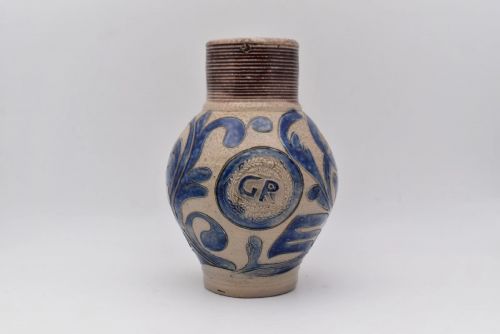
When you search for an antique ceramic flagon, you encounter a variety of heavy-duty vessels designed primarily for storing and serving liquids like wine, whisky, or water. These containers range from plain utilitarian storage jars to ornate tavern jugs bearing royal ciphers or sporting motifs.
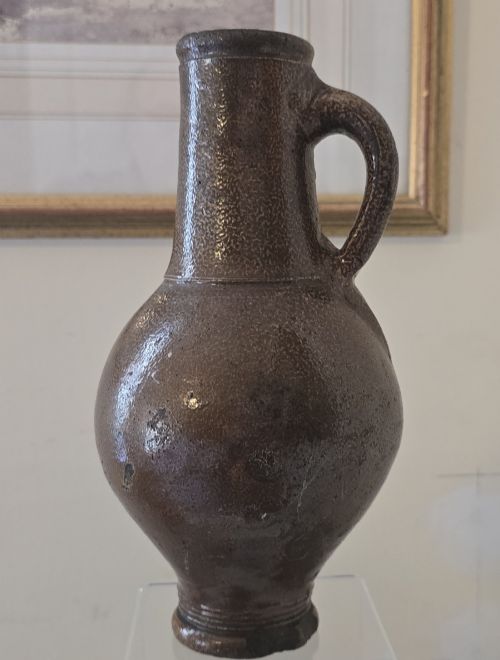
The pieces appearing on this page span several centuries, including seventeenth-century London stoneware, eighteenth-century German salt glaze pieces, and nineteenth-century Victorian flagons. You are most likely to meet utilitarian stoneware and earthenware jugs with handles and loop attachments suited for daily service.
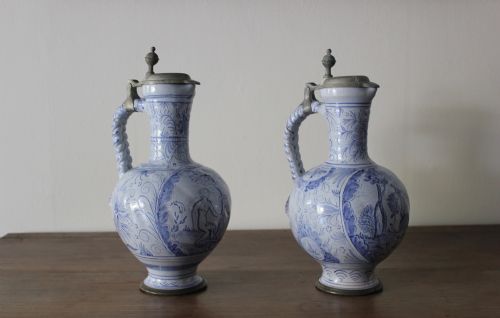
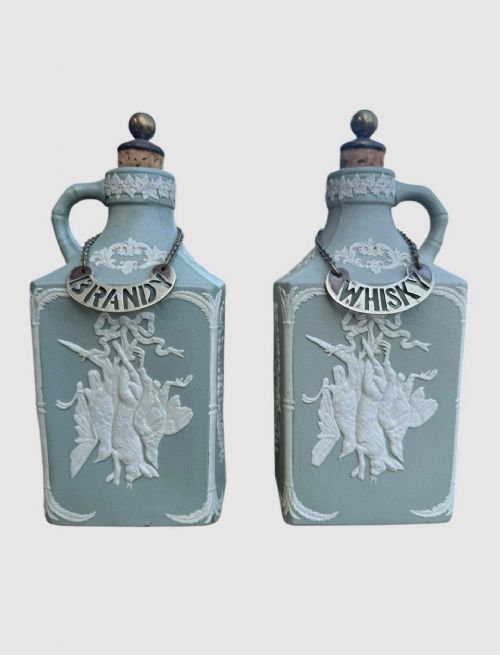
Origins vary from English potteries in London and Fulham to German production centres like Westerwald, alongside specific regional wares such as slipware and Delft blue glazed vessels. Forms include whisky flasks, decanters, carafes, and large shipping jars that reflect both domestic and commercial use.
How they were made
Potters built these flagons using dense clay bodies, primarily relying on stoneware and earthenware to ensure durability and liquid retention. Many surfaces received a salt glaze treatment, creating a distinctive textured finish during the high-temperature firing process.
Decoration often involved applied reliefs, royal ciphers, or blue glaze work, while stoppers frequently incorporated materials such as cork. Metal additions like silver plate mountings appear on specific Victorian pieces to enhance the neck or handle assemblies.
Antique Ceramic Flagon Retail Price Guide 2026
Typical asking prices for ceramic flagon among the pieces listed under this phrase on Sellingantiques today, from the lower quarter to the upper quarter. They describe what is for sale here now, not the wider market.
Several flagons were evidently built with golf in mind, pairing nineteenth-century whisky storage with enthusiastic sporting motifs.
What varies in quality
The distinction between standard utility vessels and superior examples rests in the crispness of the moulded details, such as royal ciphers or applied motifs. Finer pieces demonstrate control over salt glaze textures and uniform colouration across the ceramic body.
Provenance and specific maker attribution elevate certain flagons, particularly those originating from notable potteries like Fulham or Doulton. The presence of original fitted elements, such as caddies or matching stoppers, also separates comprehensive survival pieces from basic bodies.
Fulham Pottery·Royal Doulton·Port Dundass·Bridgewater
The Antique Ceramic Flagon Glossary
- Stoneware
- A dense, impermeable ceramic fired at high temperatures until the clay vitrifies. This material resists liquids naturally without requiring an internal glaze.
- Salt Glaze
- A glossy, slightly pitted surface texture achieved by throwing common salt into the kiln during the high-heat stage of firing. The sodium reacts with the silica in the clay body.
- Slipware
- Pottery decorated with slip, a liquid mixture of clay and water, applied before firing to create linear or brushed patterns. It appears frequently on rustic country vessels.
- Royal Cipher
- Monogram or initials of a reigning monarch stamped or moulded onto the body of a flagon. These marks indicate official capacity or royal patronage.
- Delft
- Tin-glazed earthenware originating from the Netherlands or English imitators, typically decorated in blue on a white background. These vessels prioritize display over heavy transport.
Antique Ceramic Flagon: Frequently Asked Questions
What is an antique ceramic flagon?
An antique ceramic flagon is a heavy earthenware or stoneware vessel designed for holding and pouring liquids like wine, spirits, or water. They were built for durability in domestic, tavern, or shipping environments.
Over the centuries, these jugs evolved from plain utilitarian storage containers into decorative barware and commemorative pieces featuring moulded ciphers and motifs.
How were these flagons used?
These flagons served primarily to store, transport, and pour beverages such as wine, beer, and whisky before the widespread use of glass bottles. Large examples functioned as shipping jars for bulk goods.
Smaller flasks and carafes were brought directly to the table or kept in taverns for immediate service, sometimes housed within protective caddies.
How do I date an antique flagon?
Dating relies on identifying the clay body, glaze technique, and any stamped royal ciphers or maker marks present on the piece. Seventeenth and eighteenth-century pieces often feature distinct salt glaze textures and early Fulham or German origins.
Victorian and later nineteenth-century examples introduce brown glazes, specific company names like Doulton, and commercial branding related to whisky or shipping.
How do I display a ceramic flagon?
Displaying these flagons depends on their size and weight, as stoneware and shipping jars require stable surfaces that can support heavy ceramic bodies. Placing them on sturdy sideboards or open shelving highlights their historic forms.
Because many feature textured salt glazes or blue painted designs, grouping them away from direct foot traffic ensures their safety while showcasing their craftsmanship.