


Antique Ceramic Equestrian
These antique ceramic equestrian figures and vessels capture riders and horses across centuries, offering characterful display pieces for any mantel or shelf.
Antique Ceramic Equestrian
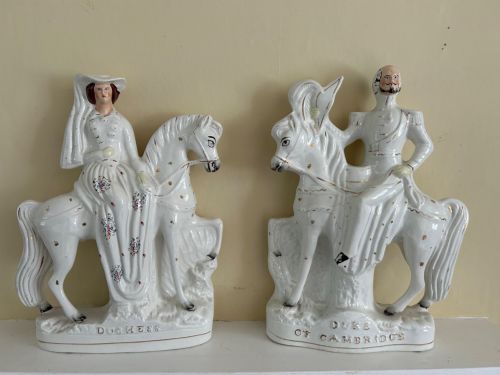
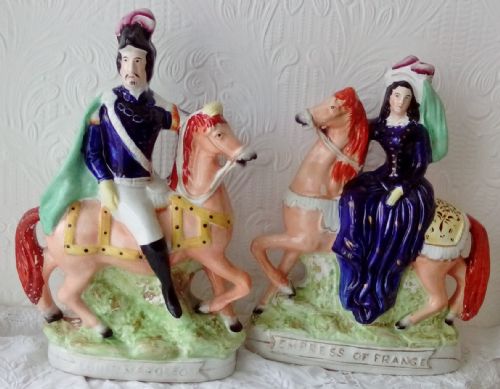
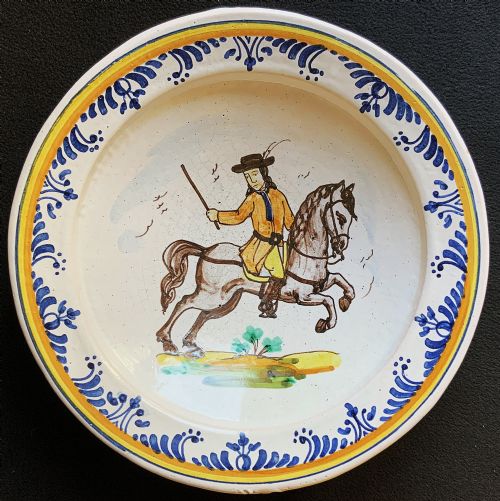
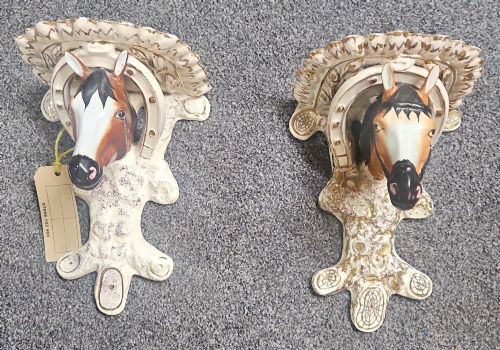
When you search for antique ceramic equestrian, you encounter a varied selection of figures, flatbacks, wall brackets, and chargers depicting horses and riders. The most common examples on this page are Victorian Staffordshire earthenware figures showing historical figures, royalty, and hunters on horseback.
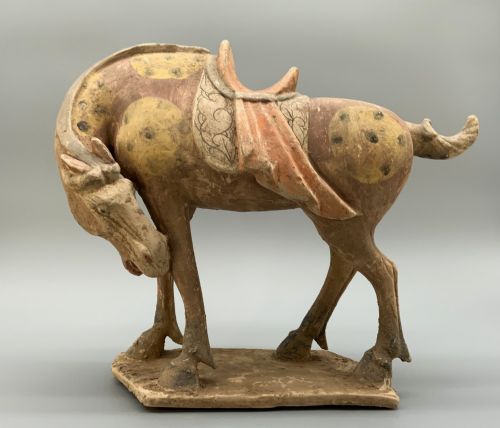
The selection spans periods from pre-sixteenth century Chinese pottery and Persian lustre bowls up through nineteenth-century English flatbacks and twentieth-century porcelain. Formats range from freestanding shelf sculptures and stirrup cups to wall plaques and large chargers.
Makers and origins stretch across England, France, China, Spain, and Persia. Each regional tradition brings distinct modelling styles and glazing techniques to the subject of the horse.
Materials and construction methods
Potters relied primarily on earthenware and porcelain, shaping bodies through moulding, throwing, or hand-modelling. Figures were often cast in sections and joined before firing.
Periods range from pre-sixteenth century Asian pottery to twentieth-century European porcelain and decorative plates.
Assessing quality in ceramic horses
Quality rests heavily on the crispness of the modelling and the precision of the hand-painting in facial expressions and tack details. Softer, blurred outlines indicate worn moulds or hurried finishing.
The vibrancy and stability of the glaze application distinguish superior pieces from utilitarian wares. Rich, evenly distributed enamels without heavy firing flaws command greater attention.
Royal Staffordshire·Royal Dux·Helena Wolfsohn
The Antique Ceramic Equestrian Glossary
- Flatback
- A figure moulded with a finished front and a flat, unglazed or minimally decorated rear designed to stand against a wall. These were common in nineteenth-century Staffordshire potteries.
- Earthenware
- A porous, non-vitreous pottery fired at lower temperatures, typically requiring a glaze to achieve impermeability. Most nineteenth-century English figures utilise this body.
- Stirrup cup
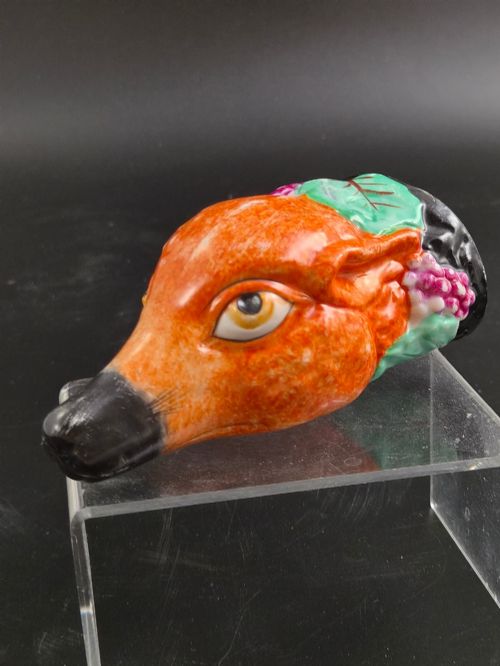
- A ceramic vessel shaped like an animal head, traditionally handed to riders before a hunt without a flat base for setting down. Examples often take the form of hound or horse heads.
- Sancai
- A traditional three-colour Chinese glaze technique utilised widely in Tang dynasty ceramics. Colours typically include amber, green, and cream white.
- Charger
- A large decorative plate intended for display on a wall or dresser rather than daily dining service. These often feature elaborate painted scenes.
Antique Ceramic Equestrian: Frequently Asked Questions
How should I display flatback figures?
Flatbacks are designed to sit flush against a wall on mantelpieces, brackets, or high shelves. Their flat rears make them stable for shelf placement.
Keep them away from direct sunlight and high-traffic areas to protect their hand-painted enamel surfaces from accidental knocks.
Are these ceramic horses waterproof?
Many nineteenth-century earthenware pieces and ancient vessels are porous due to the lower firing temperatures of the clay bodies. They suit dry display rather than holding liquids or flowers.
Items like stirrup cups and mugs were functional originally, but older ceramics benefit from gentle handling and dry conditions today.
How do I clean antique ceramics?
Dust surfaces gently with a soft, dry brush or a feather duster. Avoid using water or chemical cleaners on pieces with delicate enamel decoration or glaze cracks.
Moisture can seep into the porous earthenware body or damage old repairs, so dry maintenance remains the safest approach.
What subjects appear on these figures?
The pieces depict a wide range of subjects including historical figures, royalty, highwaymen, and literary characters on horseback. Hunting scenes and oriental horsemen also feature prominently.
Victorian Staffordshire works often celebrated contemporary heroes and local legends, while earlier Asian and Middle Eastern pieces focused on courtly riders and traditional animals.