


Antique Ceramic Creamer
An antique ceramic creamer holds the milk for your morning table while carrying centuries of porcelain and pottery history in the palm of your hand.
Antique Ceramic Creamer
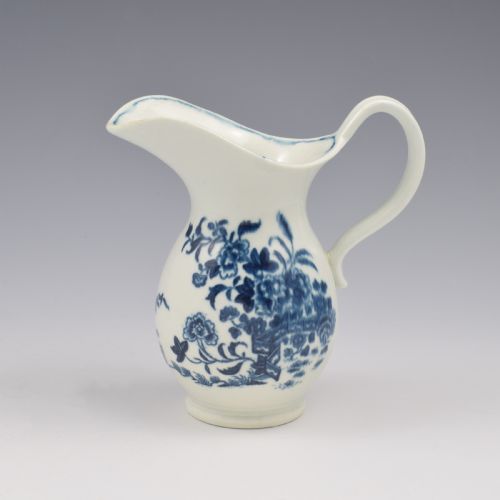
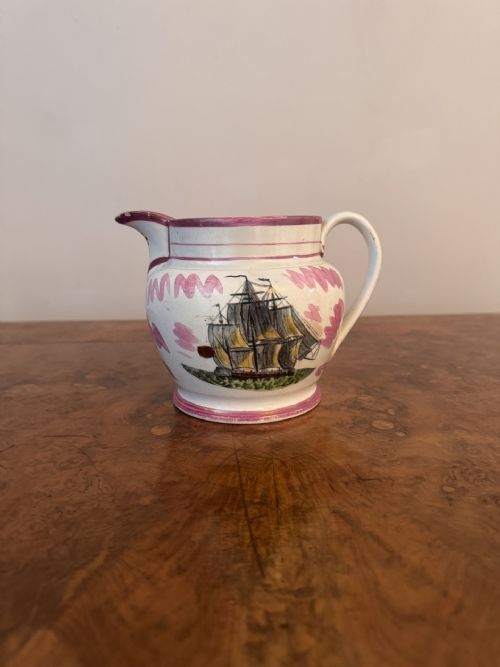
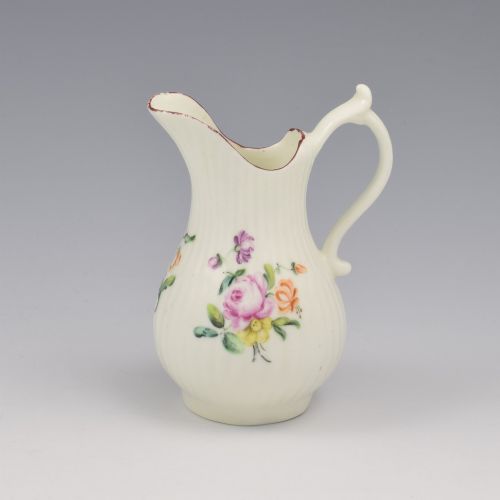
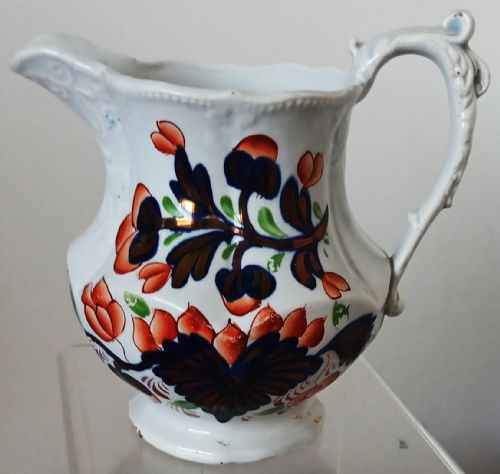
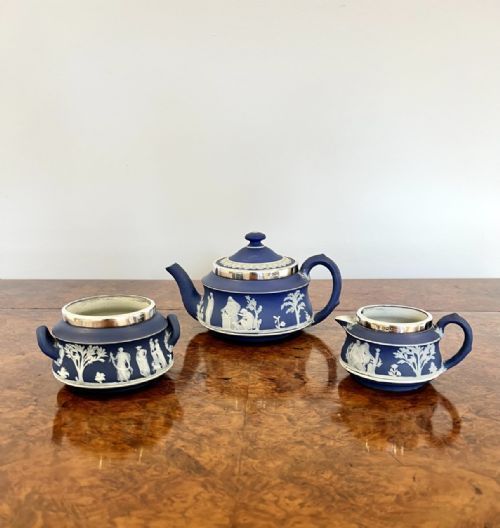
When you search for an antique ceramic creamer, you encounter small pouring vessels shaped as jugs, ewers, and cow creamers spanning the eighteenth and nineteenth centuries. These pieces cross domestic tea sets and individual serving forms, originating from English factories, Welsh potteries, and European kilns.
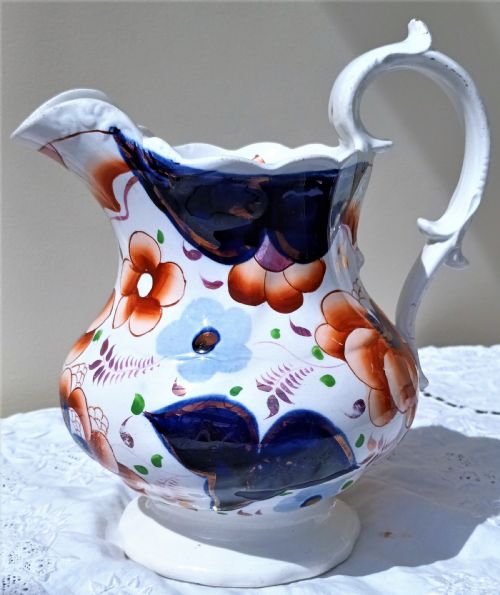
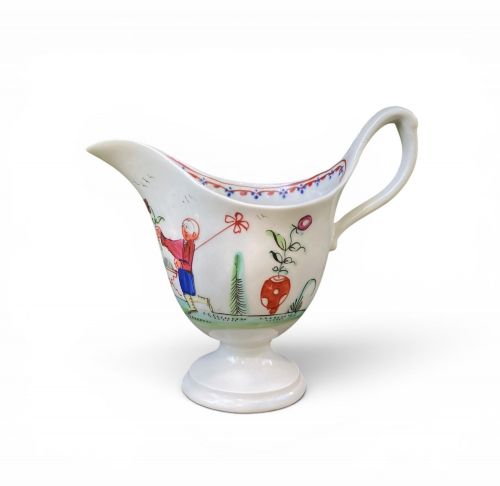
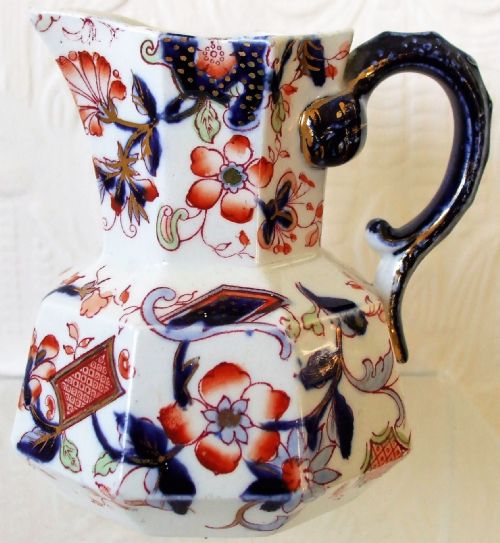
You will regularly meet Victorian earthenware and Georgian porcelain examples displaying transfer printing, lustre decoration, and hand-painted floral motifs. The selection encompasses utilitarian milk jugs alongside decorative ewers with specialised lamprey or dolphin handles.
Domestic forms from the Georgian and Victorian eras dominate the selection, offering functional vessels that range from simple earthenware pitchers to elaborate armorial porcelain cream jugs.
Materials and Manufacturing Techniques
Potters utilised earthenware, stone-paste ironstone, and refined porcelain bodies, shaping them on wheels or casting them in plaster moulds. These foundational bodies received tin glazes, salt glazes, or transparent lead glazes before secondary firings.
Artisans applied surface ornament through underglaze blue painting, enamel colours, transfer printing, and copper lustre finishes. Gilding and gold leaf accents were frequently added to porcelain vessels during final low-temperature kiln runs.
Listings feature eighteenth-century soft-paste porcelain from Worcester alongside nineteenth-century earthenware and stoneware from Doulton Lambeth.
Markers of Distinction in Ceramic Creamers
Distinction lies in the crispness of the modelling, particularly on moulded animal forms like cow creamers and complex ewer handles. Superior pieces maintain sharp relief details where the glaze pools evenly without obscuring the underlying bodywork.
The precision of the hand-painting or the registration of transfer-printed patterns dictates the visual success of the piece. Master painters at factories like Worcester or Derby achieved fine botanical and armorial details that lesser production runs lacked.
Royal Worcester·Wedgwood·New Hall·Masons·Doulton Lambeth·Chamberlain Worcester
The Antique Ceramic Creamer Glossary
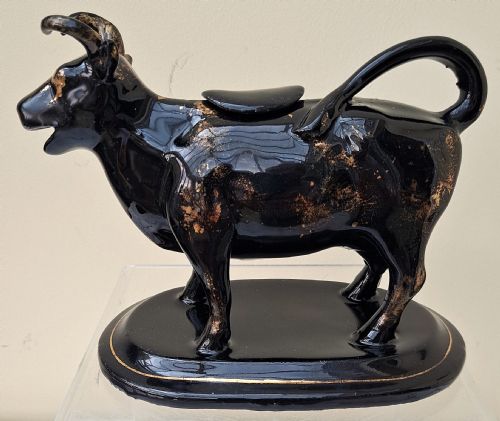
- Cow creamer
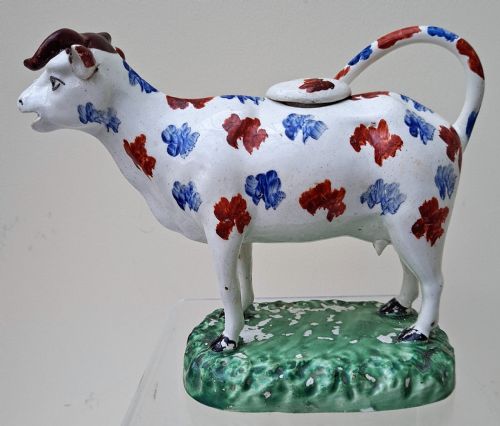
- A hollow ceramic vessel in the shape of a cow with a small opening on the back for filling and a spout formed through the animal's mouth. These whimsical pieces were popular across Georgian and Victorian Staffordshire potteries.
- Lustreware
- Earthenware or stoneware featuring a metallic surface film that reflects a copper, silver, or purple sheen. Potters achieved this effect by applying metallic salts during a reducing kiln atmosphere.
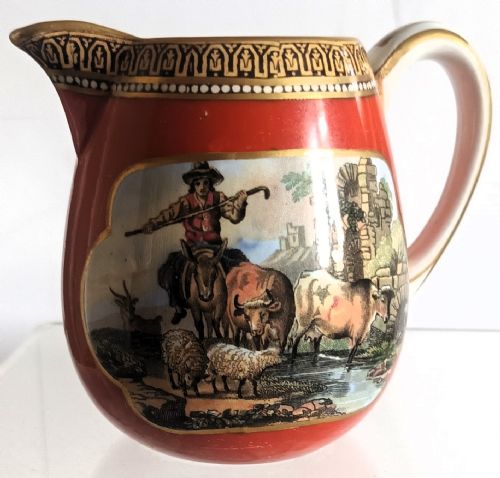
- Transfer printing
- A mechanical method of applying complex designs to pottery by engraving a copper plate, pulling the image on tissue paper, and pressing it onto the ceramic biscuit before glazing. This technique allowed factories to produce intricate patterns rapidly.
- Armorial
- A ceramic decoration displaying a specific family crest, coat of arms, or heraldic badge. These bespoke porcelain and pottery services were commissioned by wealthy patrons during the eighteenth century.
- Pearlware
- A refined earthenware body developed in the late eighteenth century featuring a thin glaze with a faint bluish tint that pooled in crevices. It bridged the technical gap between creamware and later white earthenware.
Antique Ceramic Creamer: Frequently Asked Questions
How do I use an antique creamer today?
These small jugs function perfectly for serving cream or milk at the breakfast table or during afternoon tea service.
Their compact sizes also make them suitable for holding short-stemmed seasonal flowers on a desk or windowsill.
Can I put antique creamers in the dishwasher?
Hand washing in warm soapy water using a soft cloth protects the fragile handles and delicate overglaze gilding.
Modern dishwashers expose antique ceramic bodies and historical enamel decorations to harsh detergents and thermal shock.
What is a cow creamer?
A cow creamer is a novelty milk jug shaped like a bovine creature, filled through a hole on the top of the back.
Users tilt the animal by its tail to pour milk or cream directly from the protruding snout.
How do I distinguish pearlware from creamware?
Creamware exhibits a warm, buttery yellow tone imparted by its pale lead glaze over a cream-coloured earthenware body.
Pearlware utilises a blue-tinted glaze over a whiter body to simulate the appearance of imported Chinese porcelain.
Why do some cream jugs have animal handles?
Earthenware and porcelain makers drew inspiration from marine life and mythology, shaping handles as lamprey eels or dolphins.
These sculptural elements provided a secure grip while demonstrating the ceramic modeller's technical skill.