
Antique Ceramic Bottle
When you search for an antique ceramic bottle, you enter a diverse field of scent flasks, snuff bottles, and utilitarian vessels spanning several centuries.
Antique Ceramic Bottle
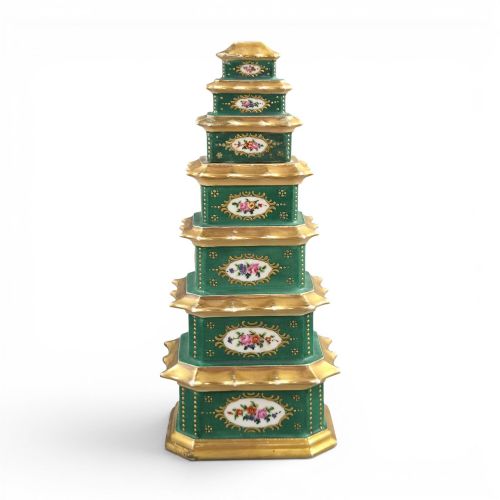
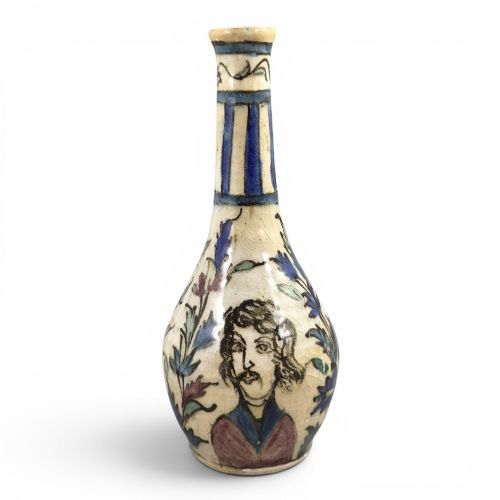
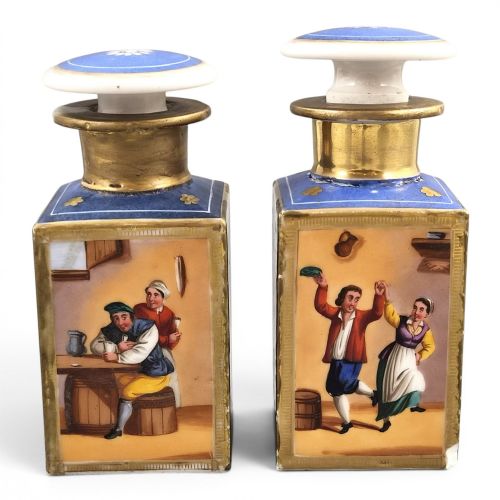
An antique ceramic bottle encompasses a broad spectrum of historical vessels, ranging from small porcelain snuff bottles and scent flasks to larger stoneware flagons and earthenware apothecary jars. These pieces served practical storage roles or functioned as decorative cabinet items across European and Asian traditions.
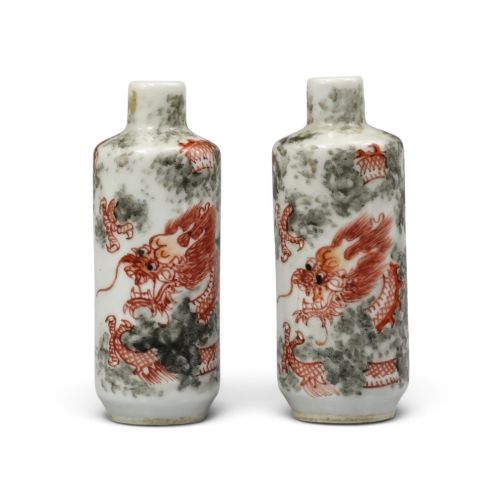
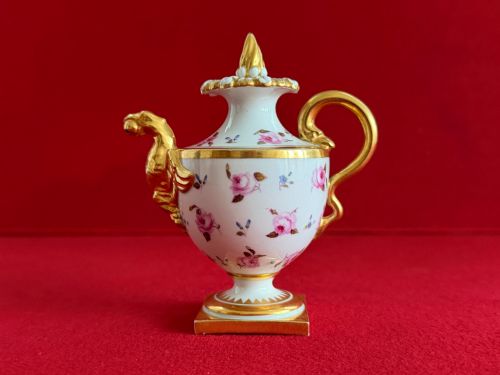
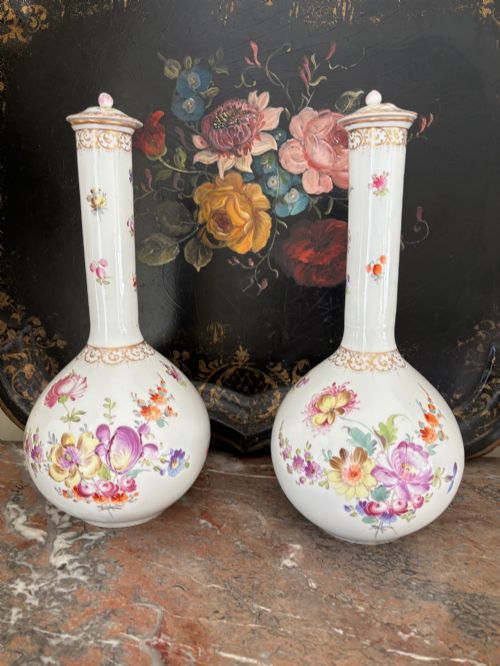
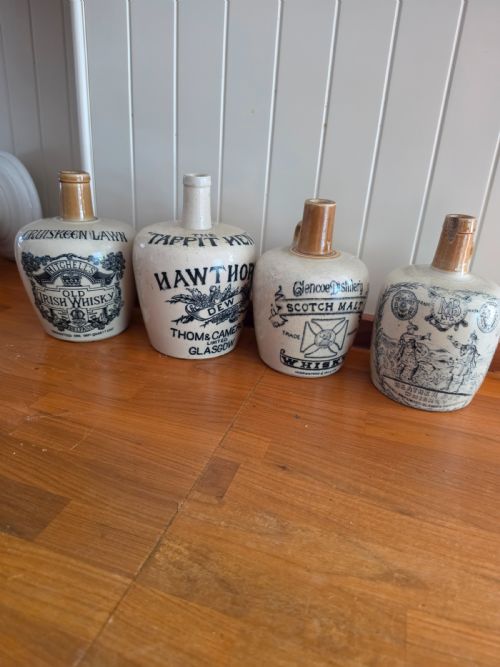
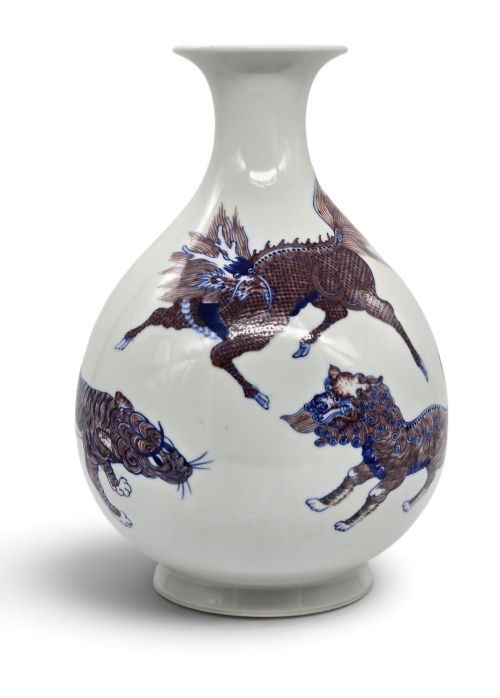
The selections encountered on this page stretch from seventeenth-century Japanese tokuri and German salt-glazed wine bottles to nineteenth-century Staffordshire scent bottles and Chinese Qing dynasty porcelain vases. Buyers most frequently meet nineteenth-century stoneware whisky flasks, porcelain perfume bottles, and Japanese Imari vases in this inventory.
Materials and construction
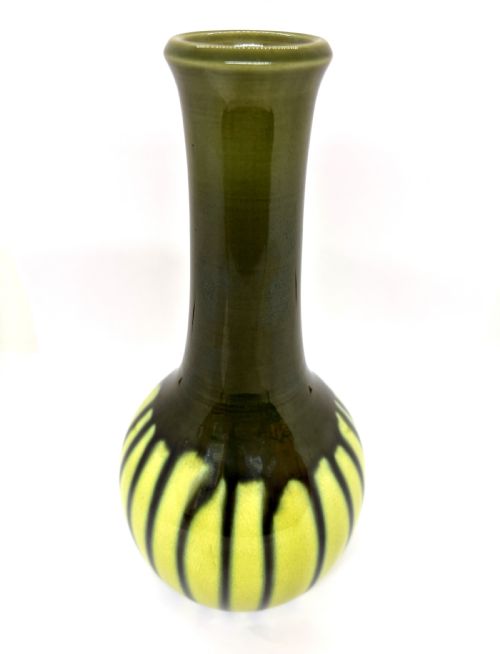
Makers shaped these vessels from stoneware, earthenware, and fine porcelain, often finishing them with tin-glazes, salt-glazes, or underglaze blue painting. Stoneware pieces relied on dense, vitrified clay bodies suited for holding liquids like whisky, wine, or oil safely without seepage.
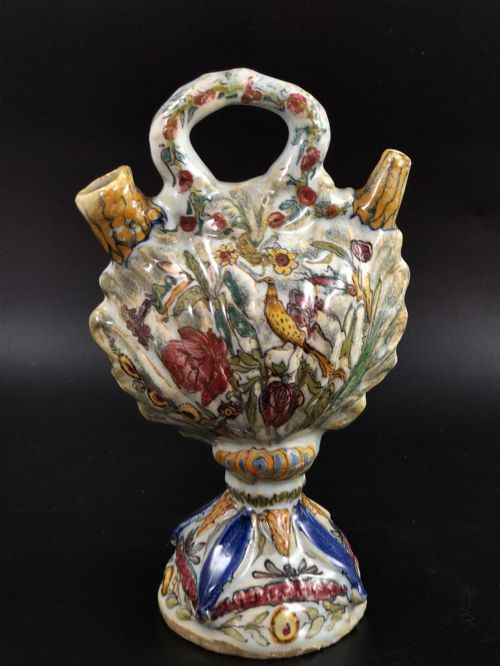
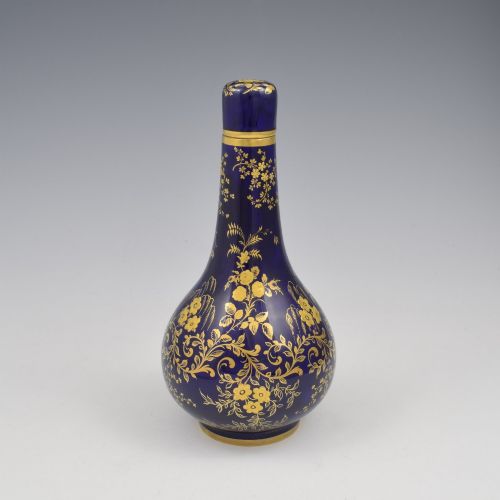
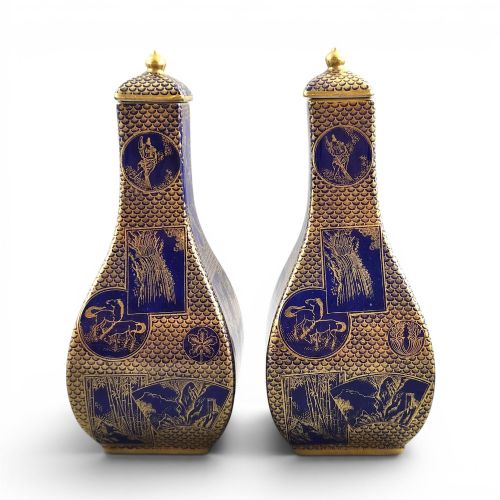
Porcelain and earthenware items frequently received hand-painted enamel decoration, gilding, or moulded relief details. Specialised manufactories applied techniques such as copper-red underglaze painting and transfer printing to achieve durable surface patterns.
Some nineteenth-century scent bottles took the cheeky form of speckled bird eggs fitted with sterling silver caps.
Evaluating the standard
Quality in these vessels rests upon the crispness of the moulding, the precision of the hand-painted or underglaze decoration, and the preservation of original stoppers or metal mounts. Finer pieces demonstrate careful control during high-temperature firing, resulting in unblemished glazes and balanced proportions.
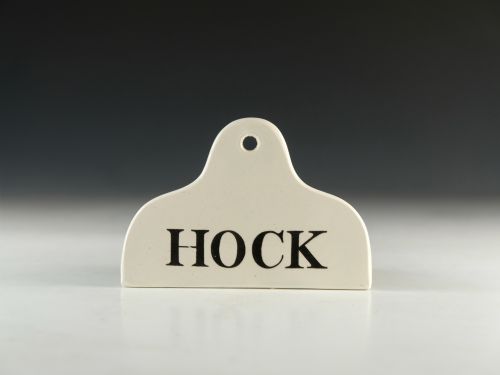
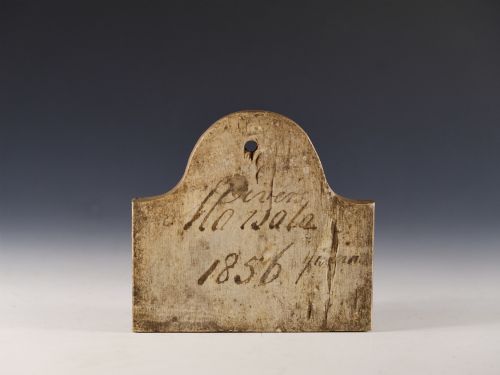
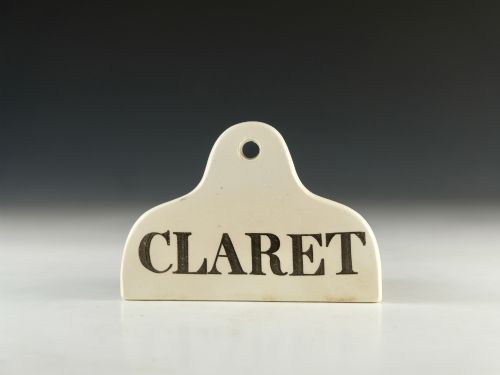
Mass-produced utilitarian flasks prioritize rugged durability over artistic finish, whereas pieces from notable factories exhibit deliberate artistry in figural painting, dragon motifs, or floral compositions. The retention of original components, such as stoppers on scent bottles or bin labels, distinguishes superior surviving examples.
Flight Barr and Barr·Sitzendorf·Burmantoft's Pottery·Mason's Patent Ironstone·Jacob Petit·Royal Doulton·Crown Staffordshire·MacIntyre
The Antique Ceramic Bottle Glossary
- Stoneware
- A robust, heavy ceramic fired at high temperatures until semi-vitrified and waterproof. It resists liquid absorption without requiring an internal glaze.
- Famille Rose
- A palette of opaque enamel colours dominated by pink, introduced to Chinese porcelain during the Qing dynasty. It allowed artists to render delicate floral and figural scenes.
- Tokuri
- A traditional Japanese sake bottle characterised by a bulbous body and a narrow neck. These vessels appear in various ceramic bodies across different periods.
- Salt-Glazed
- A finish achieved by throwing common salt into the kiln during high-temperature firing, creating an orange-peel textured surface on stoneware. This technique was common on utilitarian German and English bottles.
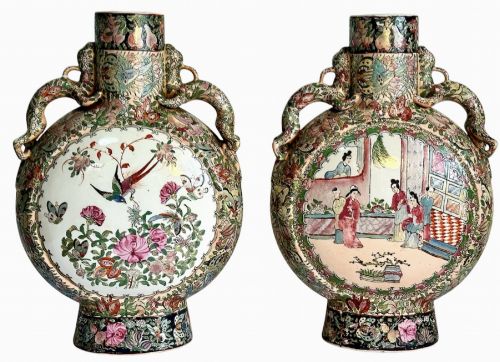
- Moon Flask
- A flattened circular flask with a short neck and two loop handles, inspired by ancient metal prototypes. Potters in China and Europe reproduced this symmetrical form in porcelain.
Antique Ceramic Bottle: Frequently Asked Questions
What is an antique ceramic bottle used for?
These vessels served many practical and decorative purposes throughout history. Utilitarian stoneware examples held wine, spirits, oil, or vinegar, while small porcelain pieces contained perfume, snuff, or apothecary preparations.
Many refined pieces were made exclusively for display on cabinet shelves or dressing tables. Their functions shifted over time from daily utility to decorative collection.
How do I clean an antique ceramic bottle?
Dust and surface dirt should be removed gently using a dry, soft brush. Avoid submerging pieces with old stoppers, corks, or delicate enamel decorations in water.
Harsh chemical cleaners will strip fragile gilt or overglaze paintwork. Professional conservation advice should be sought for vessels with deep internal staining or structural fragility.
How can I tell the age of a bottle?
Dating relies on examining the clay body, glaze characteristics, base marks, and manufacturing techniques. Early pieces often display distinct potting marks, hand-mixed glazes, or specific regional styles.
Comparing the decorative motifs, such as nineteenth-century transfer printing versus hand-painted Qing dynasty designs, helps narrow the period of production.
Are stoppers usually original?
Original stoppers are uncommon on many antique scent and perfume bottles due to centuries of handling and replacement. Finding a piece that retains its matching stopper increases its completeness.
Replacement stoppers are frequently encountered and can often be identified by slight mismatches in glaze colour or wear patterns.