





Antique Ceramic Bedside Light
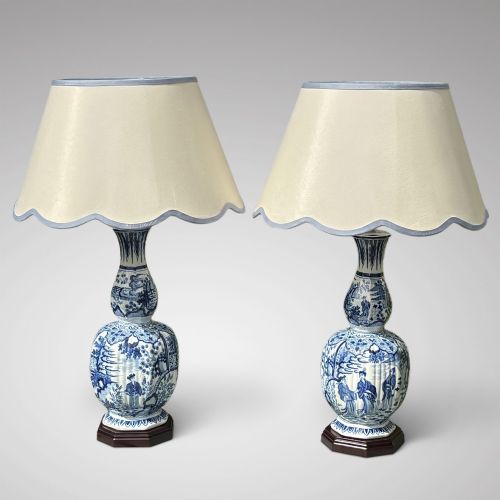
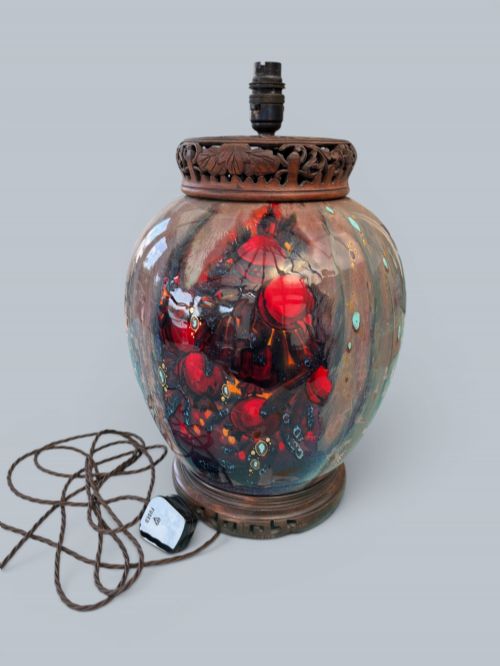
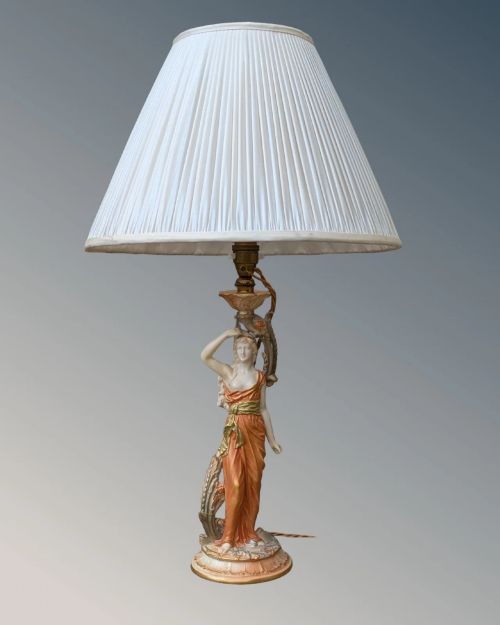
These antique ceramic bedside light pieces bring a soft illumination and sculptural presence to a room, turning past craft into daily utility.
Antique Ceramic Bedside Light
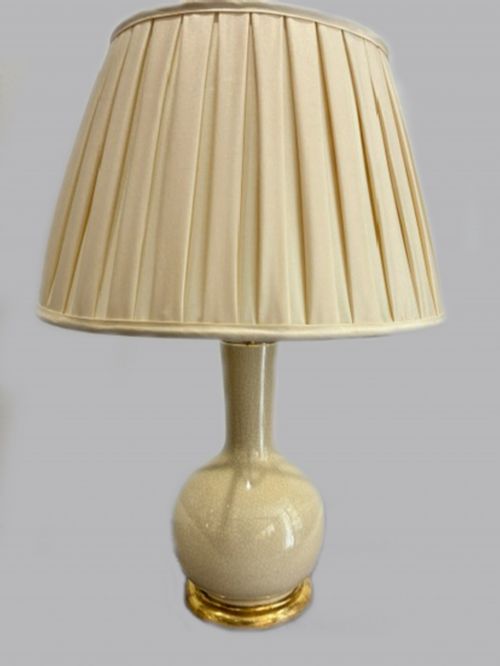
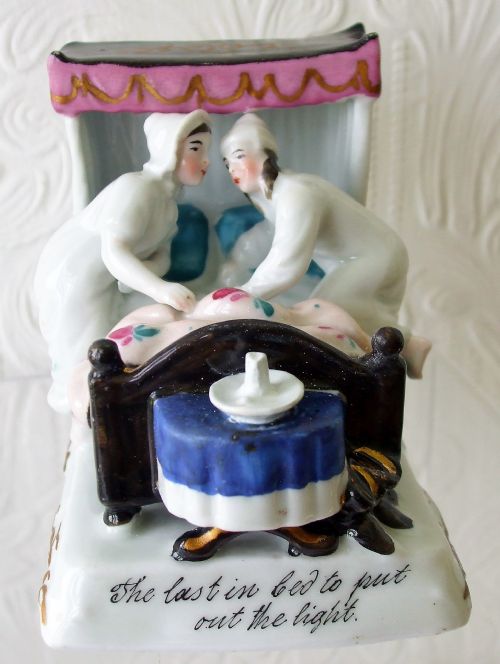
An antique ceramic bedside light brings together historical vessels and illumination, taking forms such as table lamps, vases, ginger jars, and converted figurines. When searching this phrase, buyers encounter pieces fashioned from nineteenth century porcelain, earthenware, and majolica, alongside converted vases.
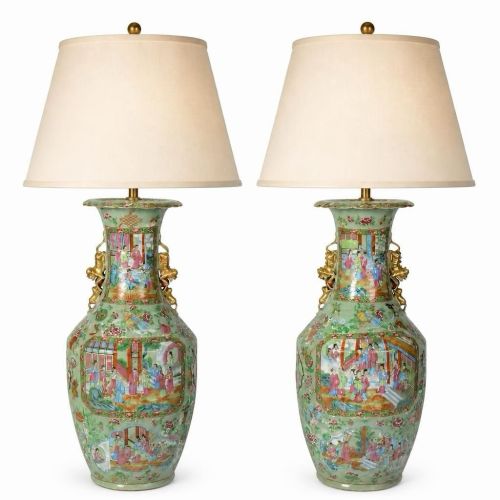
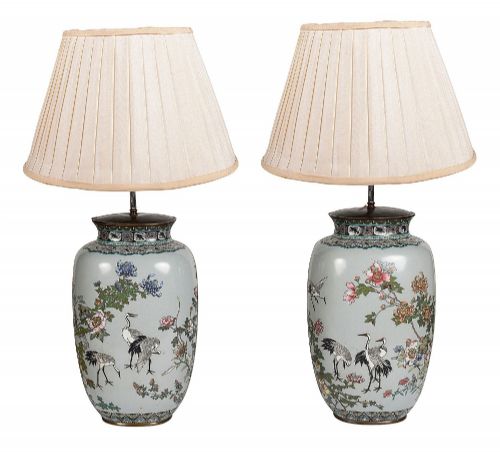
The selection ranges from Victorian and Edwardian European manufactories to East Asian export wares mounted for lighting. Many examples originate as Japanese Satsuma, Chinese blue and white ginger jars, or French Paris porcelain bodies fitted with electrical components.
Makers and studios span various traditions, including English potteries, German porcelain works, and French ateliers. These objects function as practical bedside illumination while retaining the distinct character of their original ceramic forms.
How They Were Made
The construction of an antique ceramic bedside light relies upon shaping clay through throwing, moulding, or slip casting, followed by high-temperature firing. Glazes, hand-painted pigments, and enamel details are applied to the surface before a secondary firing fixes the decoration.
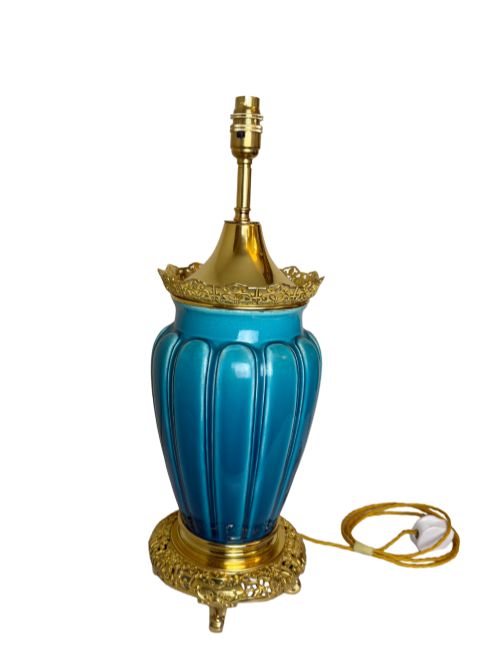
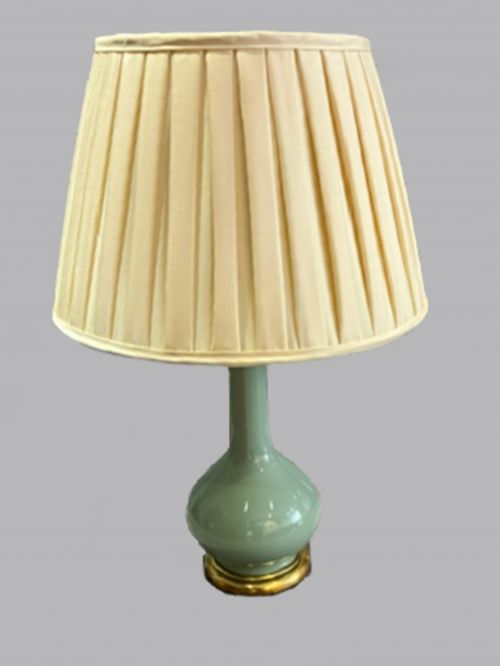
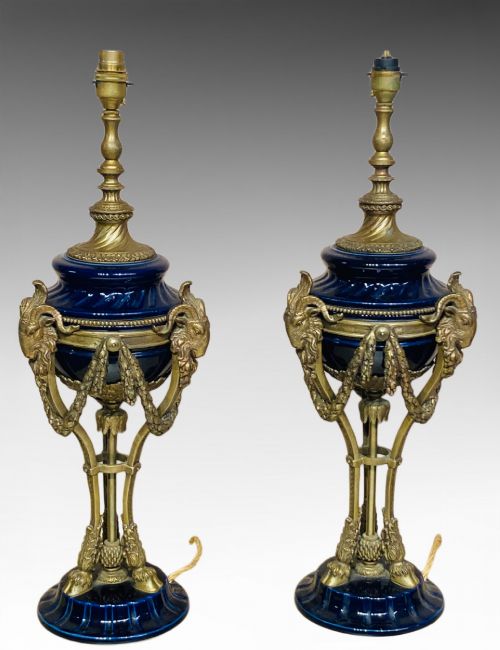
Metal mounts in brass, gilt bronze, or ormolu are frequently added to secure the ceramic body and provide a stable base for electrical fittings. Fabric, silk, or handmade shades complete the assembly, often paired with wooden components for structural support.
Listings feature ceramics from the nineteenth and early twentieth centuries, incorporating materials such as porcelain, gilt bronze, earthenware, and silk.
What Varies in Quality
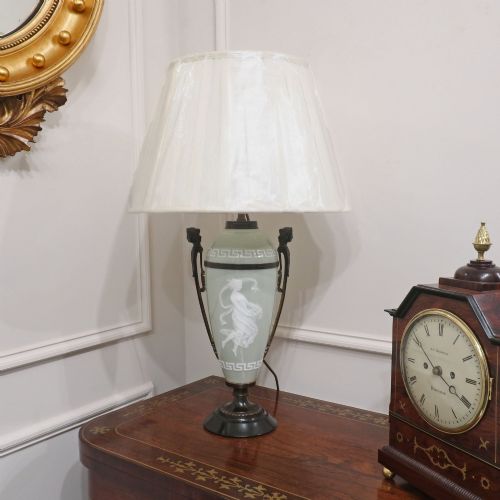
The quality of an antique ceramic bedside light rests upon the refinement of the ceramic body and the precision of the hand-painted decoration. Finer examples display crisp detail in pate sur pate, intricate enamel work, and well-balanced proportions.
The integration of metal mounts also defines the tier of the piece, where cast gilt bronze or ormolu mounts demonstrate superior hand-finishing compared to simpler brass fittings. The harmony between the original ceramic vessel and its subsequent lamp conversion dictates the overall execution.
Ernst Bohne Sohn·Royal Doulton·Royal Worcester·Sitzendorf
The Antique Ceramic Bedside Light Glossary
- Ormolu
- Gilt bronze mounted onto decorative objects. This technique involves applying a finely ground gold-mercury amalgam to a bronze base, creating a durable golden finish.
- Pate sur pate
- A porcelain decoration technique where liquid clay is built up in successive layers on a contrasting body. This process creates a low-relief cameo effect.
- Satsuma
- Japanese earthenware pottery featuring a crackle glaze and elaborate polychrome and gilt enamel decoration. These wares were widely produced for export during the Meiji period.
- Majolica
- Tin-glazed earthenware characterised by brightly coloured lead glazes painted directly onto an unfired white background. This technique was popular in Italian and European ceramic production.
Antique Ceramic Bedside Light: Frequently Asked Questions
What is an antique ceramic bedside light?
An antique ceramic bedside light is a lamp constructed from historical pottery, porcelain, or earthenware vessels. These pieces range from nineteenth century European porcelain to converted Chinese ginger jars and Japanese Satsuma vases.
Such items serve as functional lighting while displaying traditional decorative techniques and historical manufacturing styles.
How were these lamps originally used?
Many ceramic bodies used in these lamps started as decorative vases, apothecary jars, tobacco jars, or display pieces before conversion into lighting. Over time, workshops adapted these containers by adding electrical fittings and bases.
Today, they function primarily as bedside table lamps, combining period aesthetics with modern illumination.
How do I style a ceramic bedside light?
Placing a ceramic bedside light on a nightstand introduces texture, colour, and historical context to a bedroom scheme. Pairing the lamp with complementary fabric or silk shades helps balance the weight of the ceramic base.
These pieces suit both traditional and contemporary interiors, acting as focal points through their painted motifs and glazed finishes.
How can I tell the period of the ceramic body?
Dating relies upon identifying the ceramic material, glaze characteristics, and painting style associated with specific periods such as the nineteenth century or Art Deco era. Maker marks, where present, help pinpoint the origin and manufactory.
Stylistic markers like Chinoiserie designs, French Neoclassical mounts, or Meiji period aesthetics provide further clues to the date of manufacture.