


Antique Censer Bowl
An antique censer bowl brings quiet ritual vessels of bronze, porcelain, and celadon into modern spaces for burning incense.
Antique Censer Bowl
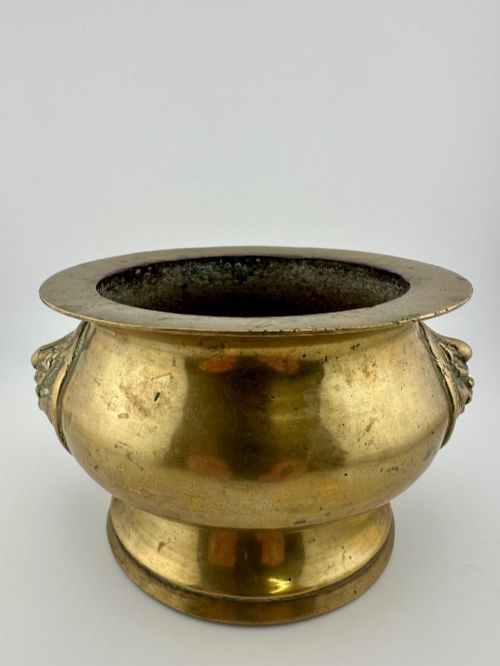
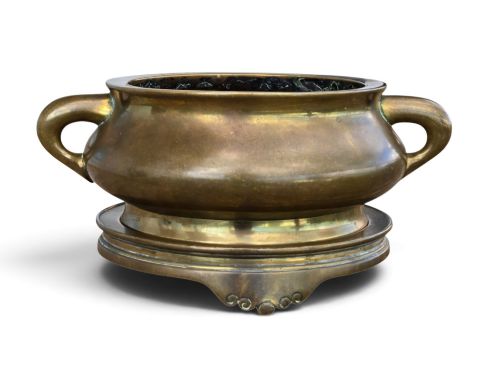
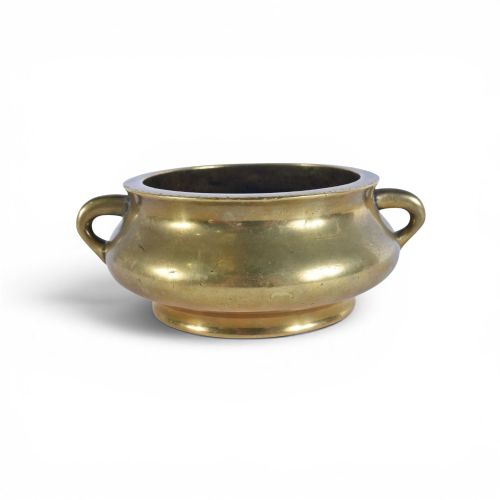
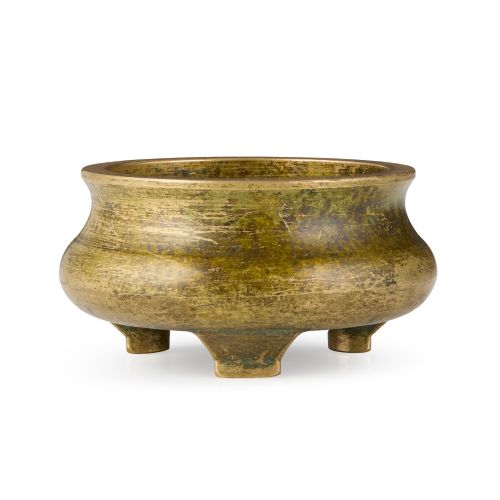
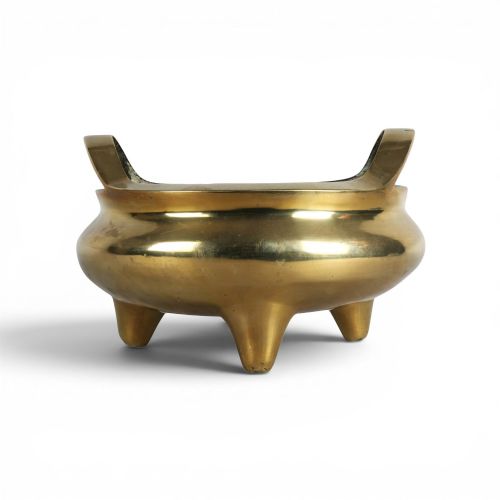
When you search for an antique censer bowl, you encounter ritual vessels and scholar's desk items originating from Chinese dynasties and Japanese periods. These pieces take the form of heavy tripod vessels, footed bowls, and handled containers designed originally for burning aromatic resins and woods.
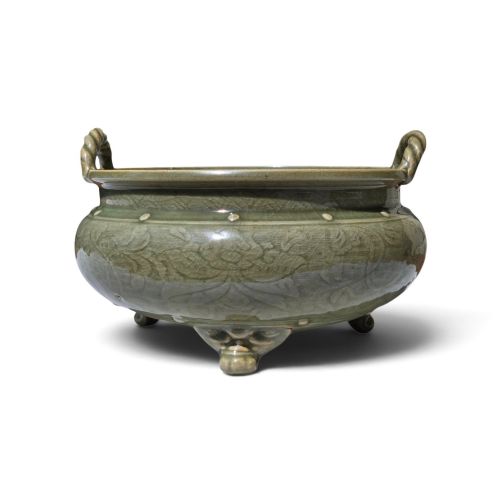
The selections span centuries of metalwork and ceramic tradition, from Ming and Qing dynasty bronzes to Edo period Japanese examples. Most examples you meet here are cast in bronze or fashioned in celadon glazed stoneware and porcelain.
Scholar's studio pieces dominate the selection, often bearing apocryphal Xuande marks or character stamps to the base. They function equally well today as decorative bowls, planters, and traditional incense burners.
How they were made
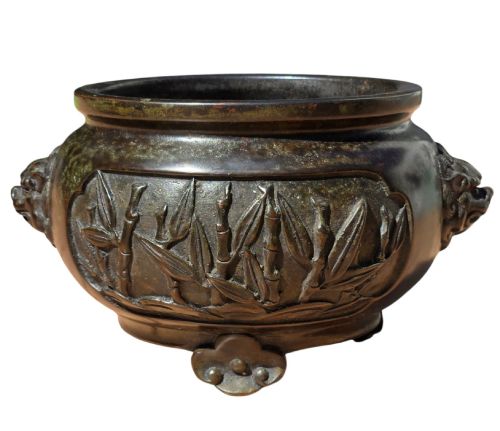
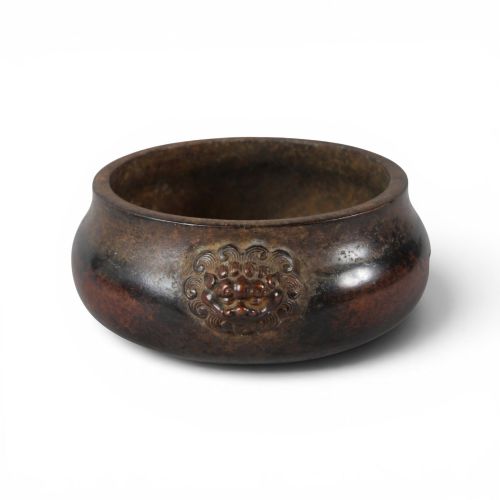
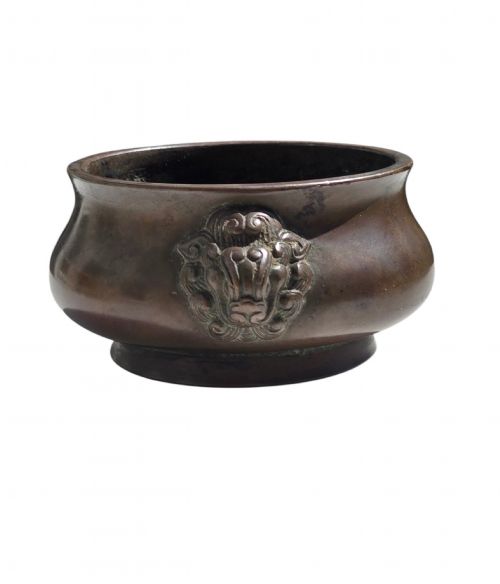
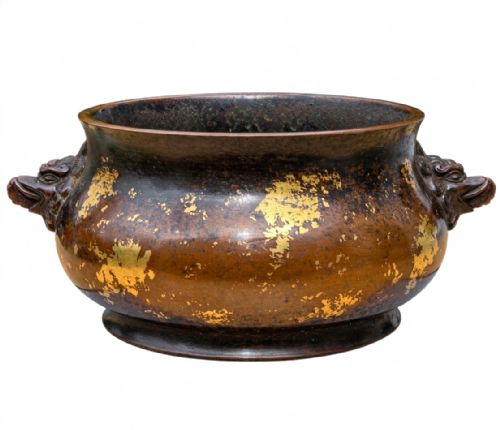
Metal vessels rely upon lost-wax and master-casting techniques to achieve heavy walls and intricate surface relief. Artisans integrated cast bronze, brass, and copper alloy with decorative elements such as lion mask handles and taotie motifs.
Ceramic pieces utilise high-fired stoneware bodies finished with celadon glazes or blanc de chine porcelain finishes. Artisans applied gold leaf and champleve enamel details to select later Japanese metal and ceramic bodies.
Some heavy scholar's bronzes were cast thick enough to produce a clear bell-ring resonance when struck.
What varies in quality
Weight and metal density distinguish utilitarian containers from master-cast scholar's pieces. Substantial heft and resonant bell-metal alloys denote superior foundry work.
Precision in the relief casting of archaic motifs and clarity of studio marks separate ordinary vessels from important examples. Surface treatments, including gold-splash distribution and patination, reflect the skill of the original workshop.
The Antique Censer Bowl Glossary
- Celadon
- A pale green jade-like glaze applied to high-fired stoneware. This finish originates from longquan kilns during early Chinese dynasties.
- Archaistic
- A style that deliberately copies the ritual forms and decorative motifs of ancient bronzes. Makers during the Ming and Qing periods utilised this aesthetic for scholar's vessels.
- Gui
- An ancient Chinese ritual vessel form used for food offerings, characterised by a rounded bowl on a footed base. Later scholar's censers frequently adopt this specific silhouette.
- Champleve
- An enamelling technique where troughs are dug into a metal surface and filled with vitreous paste before firing. This method creates colourful decorative patterns across bronze bodies.
Antique Censer Bowl: Frequently Asked Questions
What is an antique censer bowl?
An antique censer bowl is a traditional vessel designed for burning incense during ritual ceremonies or quiet contemplation in scholar's studies. These pieces originate primarily from historical Chinese dynasties and Japanese periods.
They take various forms, including tripod vessels with mask handles, heavy bronze bowls, and celadon glazed ceramic containers. Collectors prize them for their sculptural presence and historical metalwork techniques.
How do I use a censer bowl today?
You can use a censer bowl to burn resin incense, aromatic woods, or modern incense cones by placing a bed of ash inside the vessel. The heat-resistant properties of heavy bronze and thick ceramic make them ideal for this traditional purpose.
Alternatively, many people place them on desks or tables as decorative bowls or small planters. Their subdued patinas and classical shapes complement minimalist and traditional interiors alike.
How can I tell the period of a bronze censer?
Determining the period involves examining the casting method, the quality of the alloy, and the style of decorative motifs such as taotie masks or lion handles. Scholar's marks stamped to the base also provide clues to the era of production.
Earlier pieces from the Ming dynasty often display deep patination and master-casting techniques with substantial weight. Later Qing and Japanese Meiji period examples introduce different patinas and decorative enamels.
What is a scholar's censer?
A scholar's censer is a smaller, refined vessel created for the desk of a traditional East Asian scholar or literatus. These pieces were valued for their tactile qualities, balanced proportions, and subtle artistic references.
They often feature specific studio marks, such as those referencing the Xuande period, and are cast from dense bronze alloys that produce a bell-like resonance when struck.