


Antique Cattle Painting
When you search for an antique cattle painting, you enter a pastoral tradition stretching from quiet English riverbanks to rugged Highland lochs.
Antique Cattle Painting
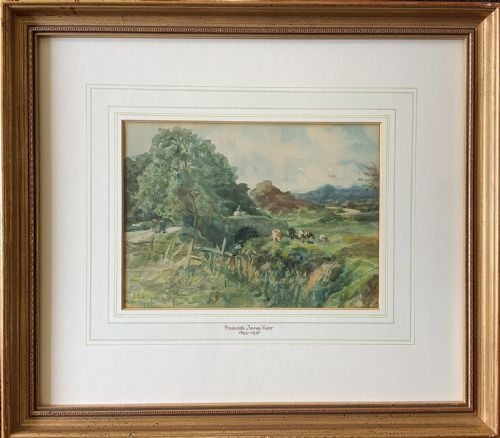
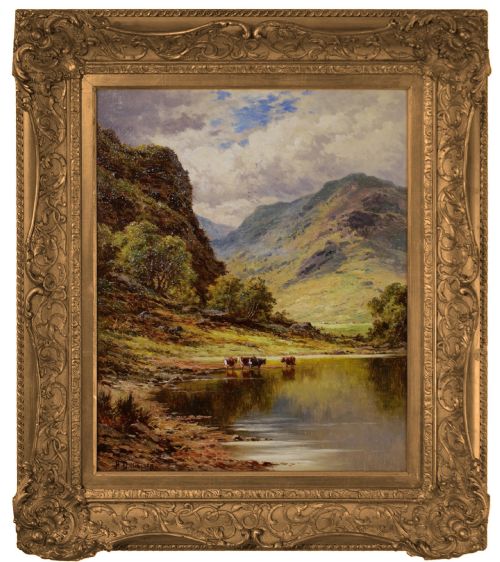
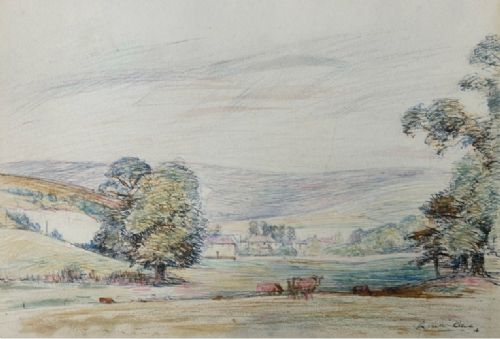
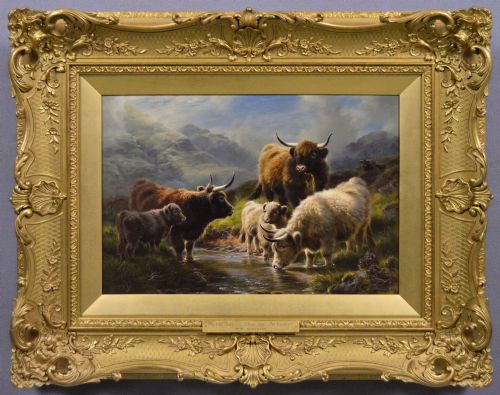
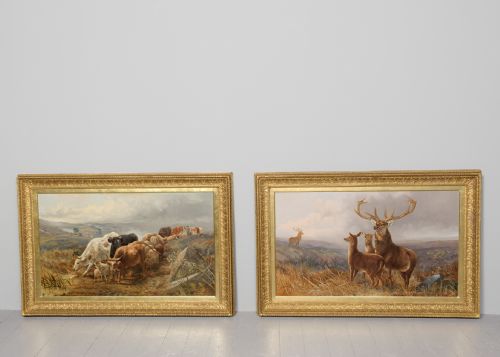
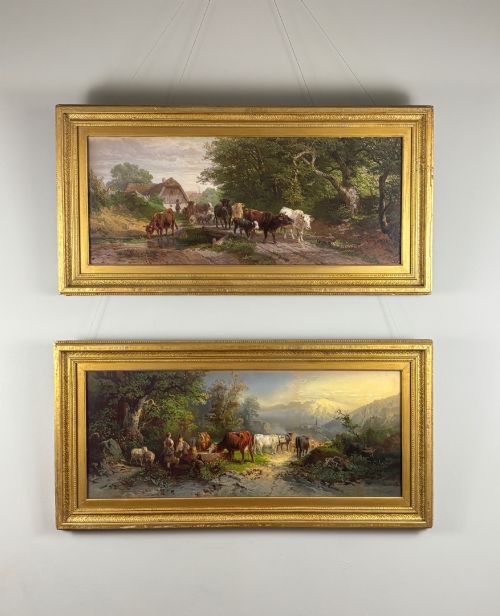
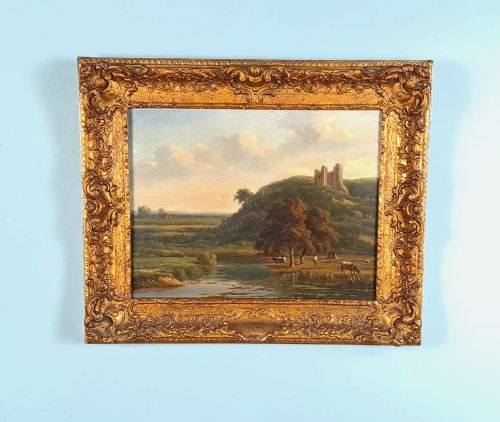
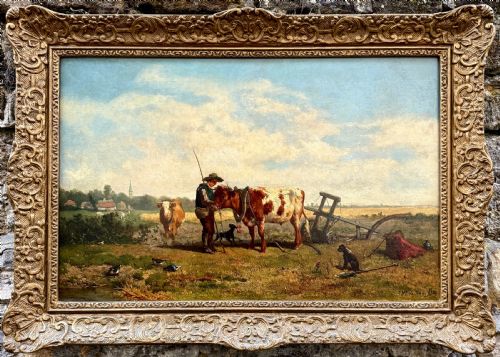
An antique cattle painting captures domestic livestock within rural, pastoral, or mountainous landscapes, reflecting the agrarian interests of the nineteenth and early twentieth centuries. These works range from intimate watercolour studies on paper to large-scale oil paintings on canvas housed in original giltwood frames.
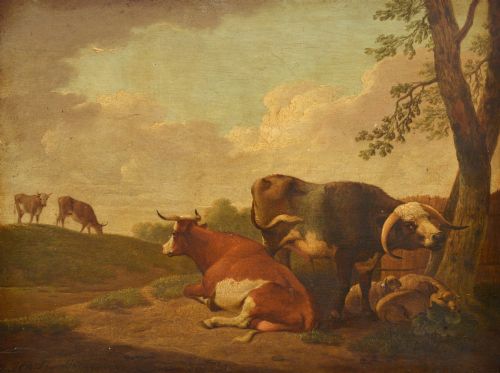
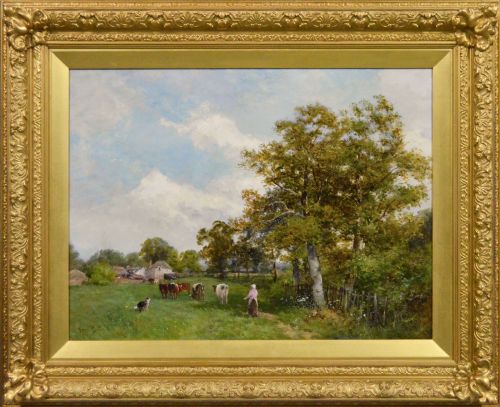
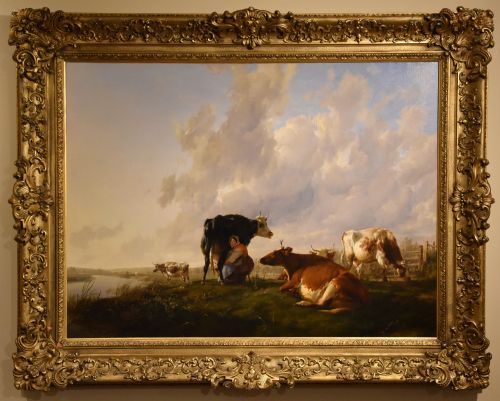
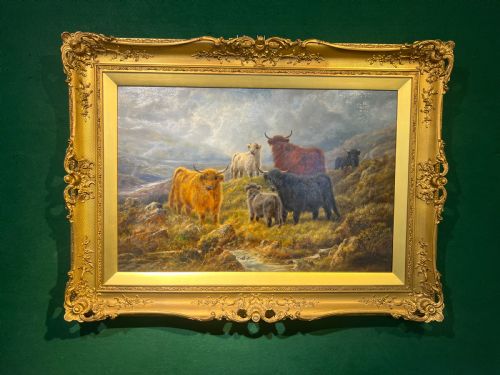
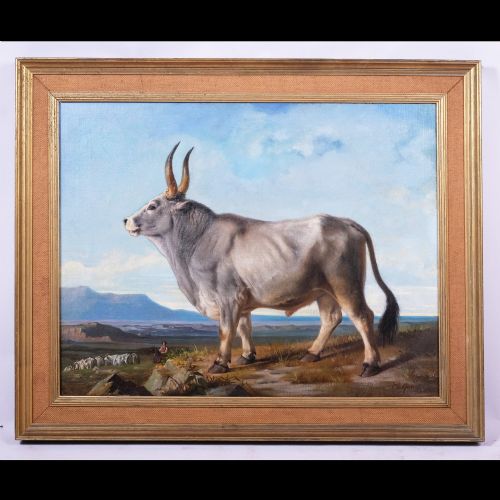
Buyers will most frequently encounter Victorian and Edwardian interpretations depicting Highland cattle by lochs, shorthorn bulls in pastures, and dairy cows watering by rivers. British and continental schools dominate the selection, often pairing the animals with drovers, milkmaids, or rustic cottages.
Materials and Technique
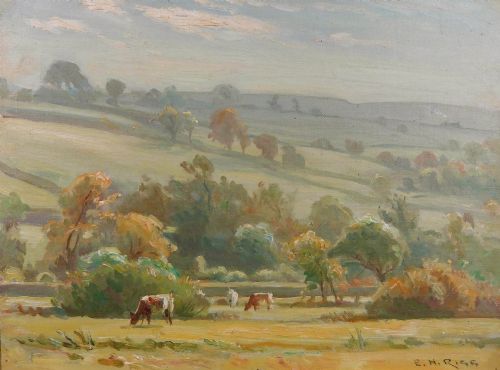
Painters typically applied oil paint onto stretched canvas or wooden panels, building up rich textures to render the dense coats of the animals and the atmospheric light of rural skies. Watercolours on paper offer a lighter, more transparent medium, frequently preserved beneath glass within period frames.
Heavily ornamented giltwood and gesso frames frequently accompany these works, providing the decorative housing typical of nineteenth-century presentation. Mixed-media approaches and occasional oil on copper panels also appear among the listed techniques.
Antique Cattle Painting Retail Price Guide 2026
Typical asking prices for cattle painting among the pieces listed under this phrase on Sellingantiques today, from the lower quarter to the upper quarter. They describe what is for sale here now, not the wider market.
Even cows need a rest; several nineteenth-century canvases capture prize bulls deliberately lying down on the job.
Assessing the Work
The anatomical accuracy and individual character of the cattle separate standard decorative works from accomplished artistic achievements. Master artists capture the muscular weight, posture, and facial expression of breeds like Highland cattle or shorthorns with precise observation rather than generic repetition.
The handling of the surrounding landscape and atmospheric light dictates the overall success of the piece. Superior examples integrate the animals seamlessly into river valleys, woodlands, or stormy skies, using balanced composition and confident brushwork to elevate the entire scene.
Thomas Sidney Cooper·Henry H Parker·William Watson Jnr·Robert Watson·Sidney Richard Percy·Ernest Higgins Rigg
The Antique Cattle Painting Glossary
- Giltwood
- Carved wood treated with a thin layer of gold leaf, commonly found on nineteenth-century picture frames. This finish enhances the decorative presentation of oil paintings.
- Pastoral
- A genre of art depicting rural life, shepherds, and grazing livestock in an idealized countryside. These scenes emphasise calm harmony between humans, animals, and nature.
- Provenance
- The documented history of ownership attached to a work of fine art. Clear provenance helps verify the authenticity and attribution of antique canvases.
- Stretched Canvas
- Woven fabric pulled tight across a wooden frame before painting. This method provides the standard foundation for nineteenth-century oil compositions.
- Watercolour
- Painting executed with water-soluble pigments on paper. This technique yields translucent washes that suit delicate landscape studies.
Antique Cattle Painting: Frequently Asked Questions
How do I date a cattle painting?
Examine the materials, stretcher bars, framing style, and signature conventions visible on the reverse or front of the canvas. Nineteenth-century works frequently utilise heavy giltwood frames and specific canvas stamps.
Compare the clothing styles of any human figures, such as drovers or milkmaids, with historical fashion records. Artist signatures can also be cross-referenced against active exhibition dates.
Where should I hang these paintings?
Position your artwork away from direct sunlight and fluctuating heat sources to protect oil paint and paper watercolours from fading or cracking. Traditional gilt frames pair well with period interiors and neutral wall colours.
Ensure the wall space accommodates the weight and scale of the original frame without overcrowding. Adequate lighting using picture lights enhances the depth of the landscape.
What is the difference between oils and watercolours here?
Oil paintings utilise pigments bound in drying oils on canvas or panel, offering rich textures and deep colour saturation. Watercolours apply pigment suspended in water onto paper, creating lighter, luminous effects.
Oils generally tolerate ambient conditions better than watercolours, which require protective glass glazing. Both mediums were widely used to depict rural livestock during the Victorian era.
Why are Highland cattle so common?
Highland cattle became a popular subject for British artists due to their distinctive long horns, shaggy coats, and romantic association with Scottish landscapes. Victorian buyers favoured these picturesque rural scenes for domestic display.
Artists frequently travelled to regions like Perthshire or the Highlands to sketch herds against dramatic loch and mountain backdrops.