



Antique Cast Iron Pots
These antique cast iron pots bring heavy garden urns, campana planters and multi-tiered stands straight into Victorian and nineteenth-century domestic spaces.
Antique Cast Iron Pots
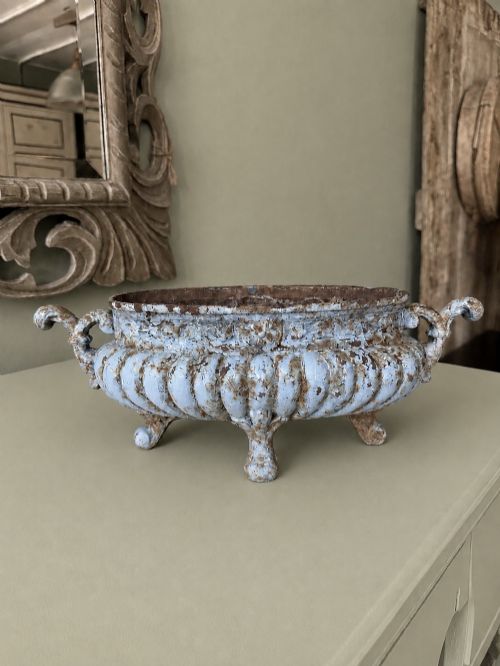
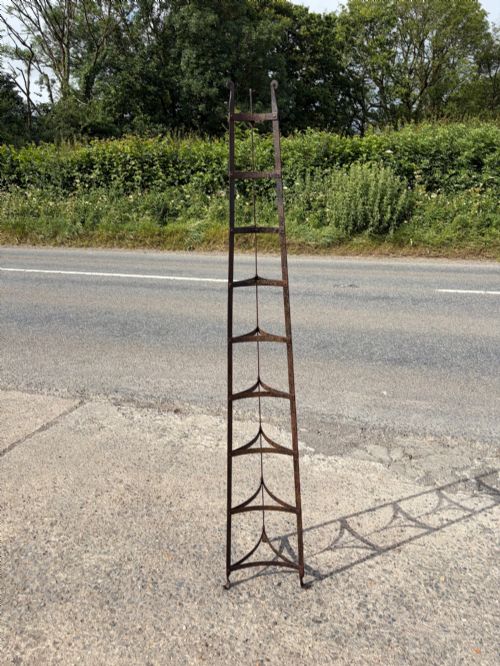
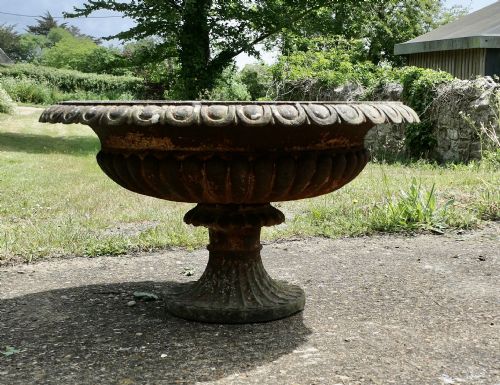
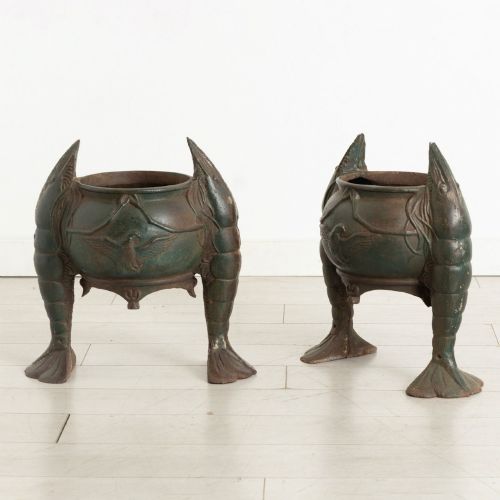
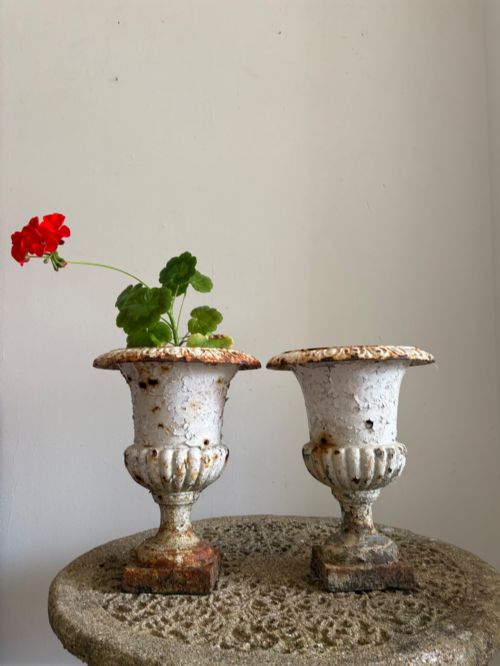
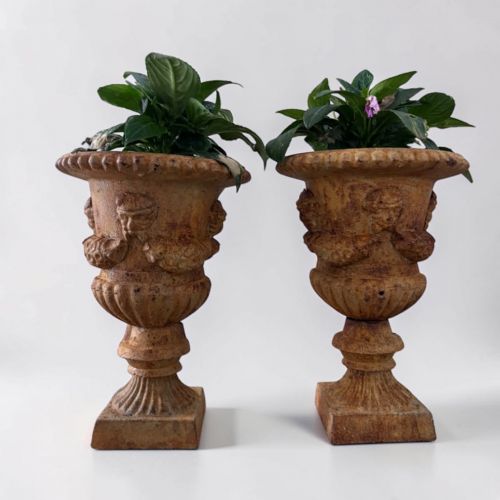
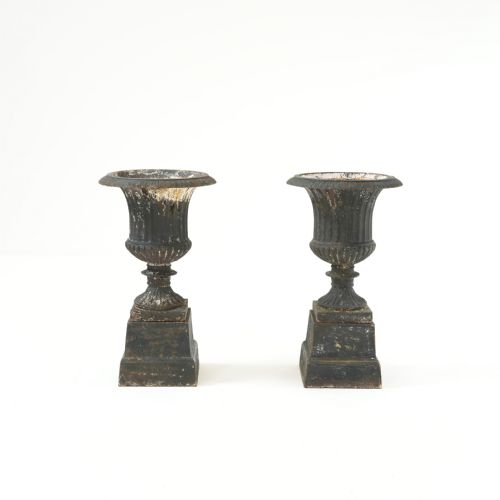
When you search for antique cast iron pots, you encounter heavy garden urns, campana planters on plinths, and multi-tiered pan stands designed for utilitarian use and display. The selection leans heavily towards nineteenth-century Victorian and French garden ornaments, alongside practical kitchenware such as copper saucepans and sake kettles.
Most examples function as garden planters, jardinieres or indoor pot stands rather than simple cooking vessels. You will find small painted garden urns, large fluted vessels, and specialised stands built to hold multiple pans or pots in nineteenth-century settings.
How they were made
Makers utilised cast iron, wrought iron, and copper, often combining metal bodies with painted surfaces, enamel, or stone elements. Foundry work defined the production of heavy garden urns and campana planters, requiring moulds that left distinct seams and textures on the metal.
Many pieces incorporate wrought iron for structural frameworks, such as multi-tiered pan stands and pot holders. Surface finishes range from original distressed paint and white painted coatings to patinated metal surfaces developed through outdoor exposure.
What varies in quality
The degree of crispness in the casting distinguishes standard utility pieces from finer decorative works. Crisp moulding on gadrooned rims, fluting, and classical motifs indicates superior foundry craftsmanship during the Victorian period.
Integrity of the material and survival of original surfaces dictate the character of each piece. Heavy cast iron with minimal pitting and untouched original paint hold greater visual presence than later replacements or heavily restored surfaces.
Andrew Handyside·Hodges & Sons
The Antique Cast Iron Pots Glossary
- Campana Urn
- A bell-shaped garden vessel with an everted rim, popular in classical and Victorian design. These urns typically sit upon integrated plinths or pedestals.
- Jardiniere
- An ornamental pot or stand designed to hold live plants or floral displays. They appear in cast iron and ceramic variations across nineteenth-century interiors.
- Gadrooned
- Decorated with a carved or cast series of convex curves or rounded moulding. This decorative motif frequently edges the rims of classical urns.
- Wrought Iron
- Iron beaten into shape by hand with a hammer, distinct from brittle cast iron. It provides structural strength for multi-tiered pan stands.
Antique Cast Iron Pots: Frequently Asked Questions
How do I use a cast iron urn?
These heavy vessels suit outdoor garden displays, porticos, and large interior spaces as planters or decorative focal points. Their robust construction allows them to withstand weather exposure when planted with shrubs or flowers.
Smaller pots and tiered stands function indoors or in conservatories to organise cookware and smaller potted plants. Ensure the surface beneath them can support substantial weight.
Are these pots meant for outdoor use?
Many of these pieces, particularly the garden urns and campana planters, were originally cast for nineteenth-century gardens and courtyards. Cast iron handles outdoor elements well, developing a stable surface patina over decades.
Interior items like pan stands and copper vessels require protection from damp conditions to preserve their finishes. Check whether a piece shows exposure wear before placing it outside permanently.
How do I identify a Victorian urn?
Victorian cast iron urns typically display classical revival motifs such as fluting, gadrooned borders, and bell-shaped campana profiles. Makers utilised heavy sand-casting techniques that left characteristic textures on the metal.
Pieces bearing maker attribution, such as works from Andrew Handyside, help anchor the style to specific nineteenth-century production centres. Compare the weight, rim detail, and base plinth against standard nineteenth-century proportions.
How do I clean an antique iron pot?
Dust and loose debris can be removed with a soft brush and dry cloth to protect the underlying metal or paint surface. Avoid harsh chemical strippers that might strip original distressed paint or historic patination.
If the piece has active rust, consult a specialist before applying oils or treatments. Preserving the existing surface texture maintains the historical integrity of the object.