

Antique Cast Brass Dogs
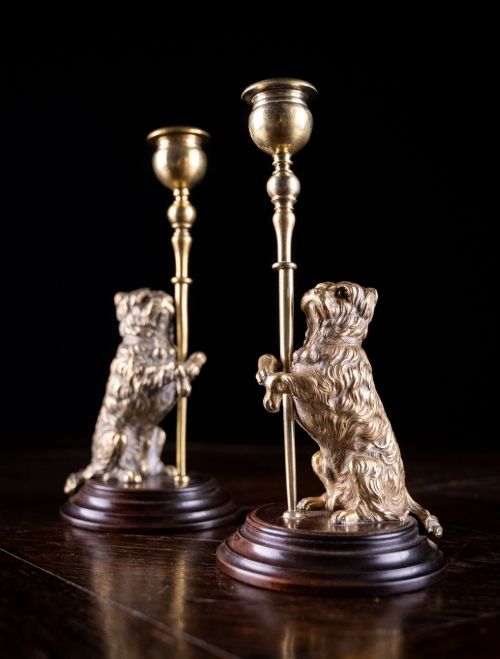
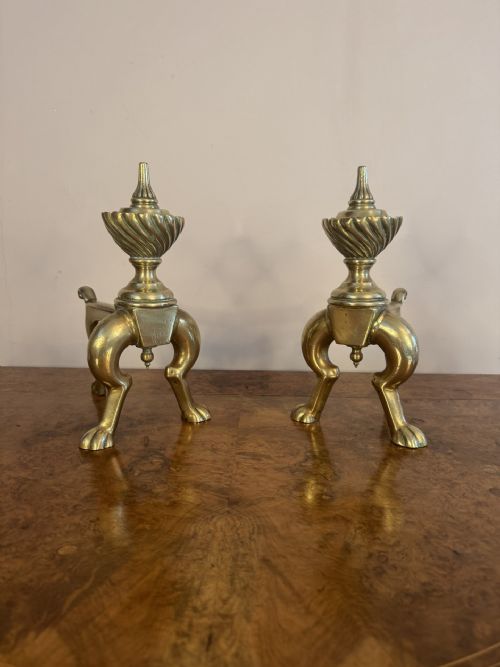
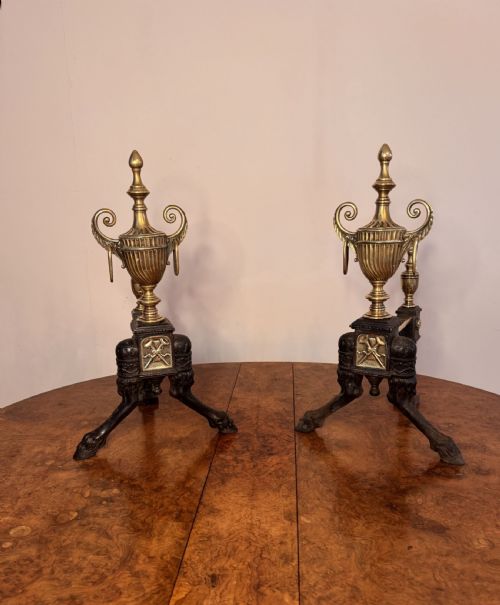
These antique cast brass dogs bring character to a hearth, appearing most often as Victorian and Edwardian fire dogs or weighty desktop candlesticks.
Antique Cast Brass Dogs
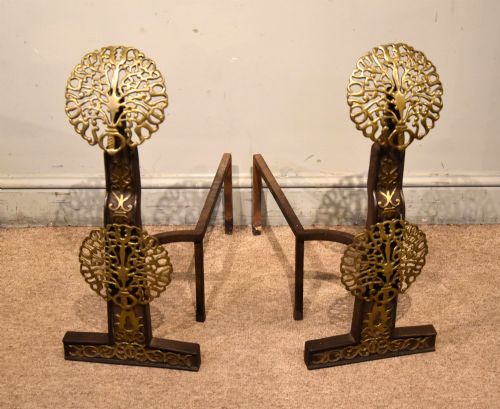
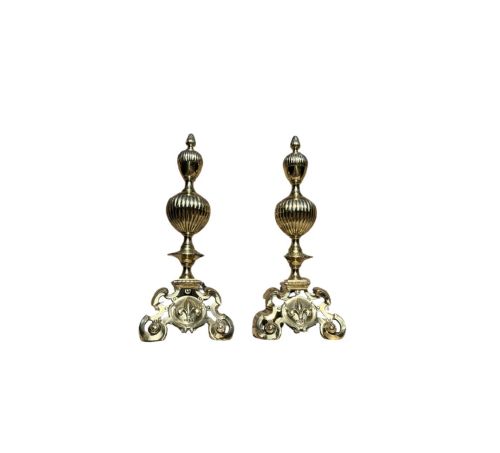
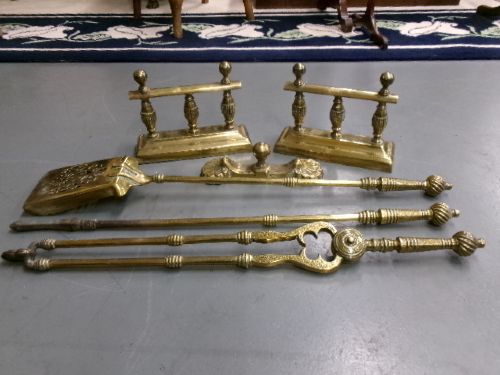
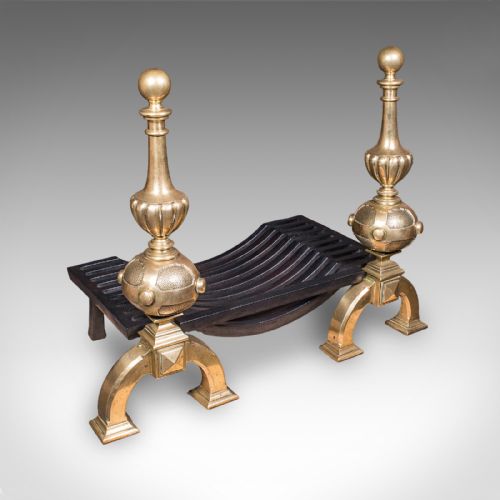
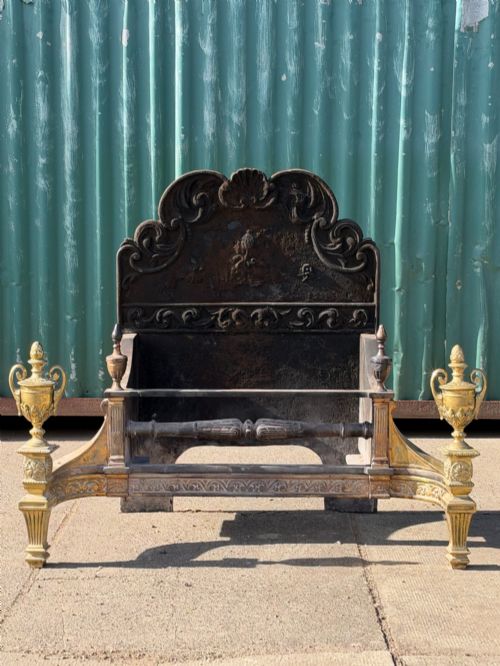
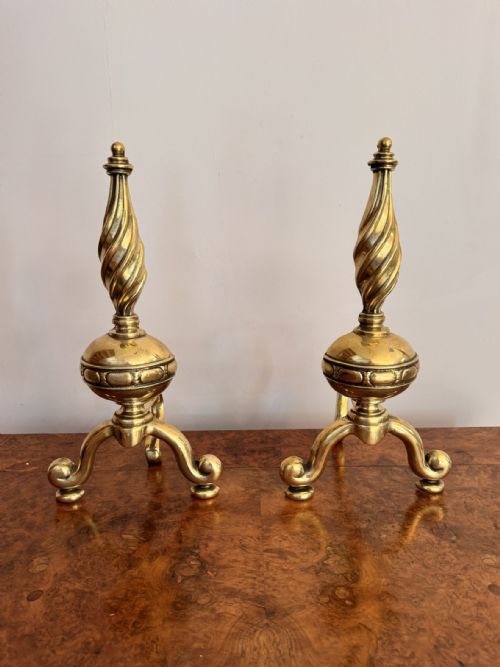
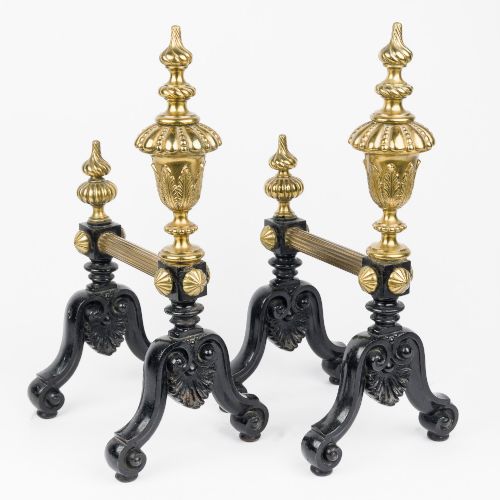
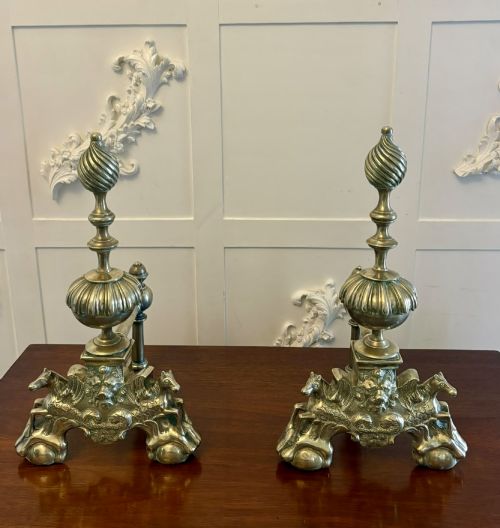
When you search for antique cast brass dogs, you encounter functional hearth furniture alongside smaller decorative objects from the nineteenth and early twentieth centuries. The domestic hearth dominates the selection, appearing as matched pairs of heavy fire dogs or andirons designed to support logs within an open grate.
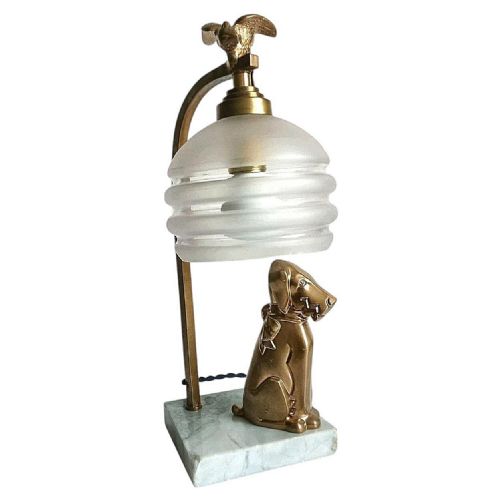
Beyond the fireplace, the category extends to table lamps, candlesticks, bookends, and jewellery caskets incorporating canine figures. These smaller decorative pieces frequently date from the Edwardian period through to the nineteen thirties, often rendered in solid cast brass or paired with cast iron and marble.
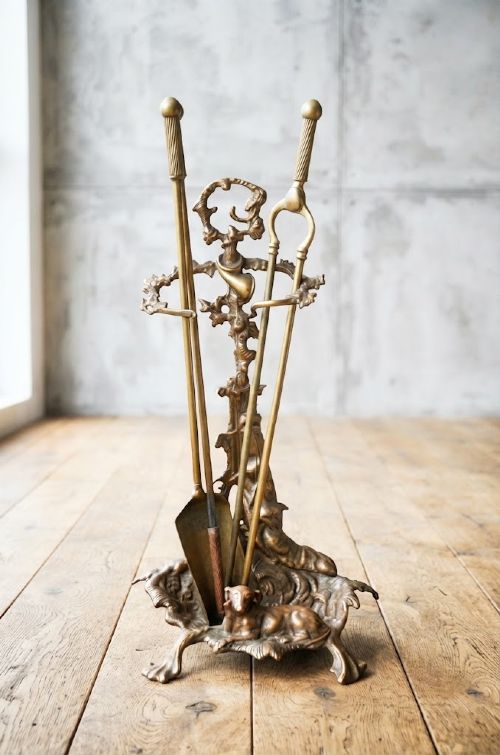
The physical forms span plain utilitarian designs intended for daily use to highly ornate pieces cast in revival styles such as Neoclassical, Baroque, and Arts and Crafts. Terriers, pugs, and stylized hounds emerge repeatedly as popular subjects across both utilitarian fire furniture and desk accessories.
How They Were Made
Many larger hearth pieces combine brass castings with structural elements of cast iron or wrought iron to provide essential strength and weight. Smaller items such as candlesticks and caskets often integrate applied gilt finishes or sit upon weighted bases of marble and wood.
Antique Cast Brass Dogs Retail Price Guide 2026
Typical asking prices for cast brass dogs among the pieces listed under this phrase on Sellingantiques today, from the lower quarter to the upper quarter. They describe what is for sale here now, not the wider market.
Listings feature cast brass dogs combined with iron, wood, and marble across Victorian, Edwardian, and Art Deco periods.
What Varies in Quality
The crispness of the initial casting separates standard production items from superior examples, as finer pieces retain sharp definition in the musculature and expression of the animal without relying on heavy post-casting file work. Heavier gauge metal indicates a sturdier build, particularly in fire dogs subjected to intense hearth temperatures.
The articulation of decorative motifs around the canine figures, such as foliate scrolls, sunflower patterns, or architectural mounts, demonstrates the skill of the workshop. Superior items integrate the dog securely into the structural framework rather than relying on crude mechanical fasteners.
William Tonks
The Antique Cast Brass Dogs Glossary
- Andirons
- Heavy metal supports placed on the hearth of an open fire to elevate logs for better air circulation. These objects often terminate in decorative brass figures or animal subjects.
- Cast Brass
- Molten alloy poured into a mould to create solid, three-dimensional decorative and functional items. This method allows for complex shapes such as canine finials and figural candlesticks.
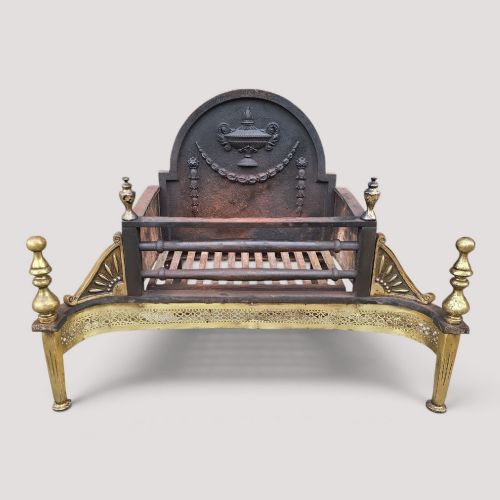
- Fire Basket
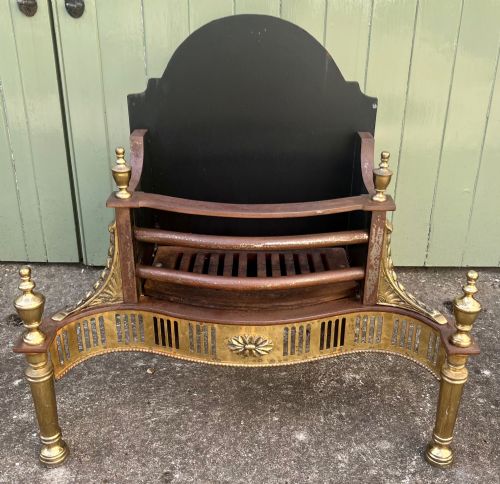
- A metal grate designed to hold coal or wood within a fireplace opening, frequently accompanied by matching andirons or fender rails. These units often combine cast iron frames with decorative brass fronts.
- Novelty
- An object shaped into an amusing or unconventional form, such as an animal serving as a lamp base, bookend, or inkwell. These pieces gained widespread popularity during the Victorian and Edwardian eras.
- Finial
- A decorative terminal ornament positioned on top of a larger object, such as the decorative top of an andiron shaft or the lid of a jewellery casket.
Antique Cast Brass Dogs: Frequently Asked Questions
What is the difference between andirons and fire dogs?
The terms are generally used interchangeably to describe the heavy metal supports placed inside a fireplace to hold burning logs. Historically, fire dogs often denote matched pairs with decorative fronts, while andirons can refer to the complete structural support system.
On this page, both terms describe heavy cast brass canine figures designed to sit at the front of the hearth.
Were these brass dogs used for actual fires?
Many of the larger pairs served a practical role supporting fuel within Victorian and Edwardian open grates. The solid cast brass construction handled the radiant heat while protecting the masonry behind.
Smaller examples found in the collection, such as candlesticks and bookends, were purely decorative items intended for tables and desks.
How do I date an antique brass dog?
Dating relies on stylistic clues, manufacturing marks, and the specific metal alloys used in construction. Pieces from the mid nineteenth century often display heavy cast forms with Victorian revival detailing, while nineteen thirties examples frequently lean towards novelty table lamps and desk accessories.
Examining the underside or mounting points often reveals screw types and casting methods characteristic of specific decades.
Can I use antique fire dogs in a modern fireplace?
Solid cast brass fire dogs remain structurally robust enough for regular decorative use in functional hearths. Measuring the depth of your fireplace opening ensures the andirons fit comfortably alongside your existing grate.
For daily fires, checking that the rear iron bars are sound prevents any strain on the decorative brass front.