


Antique Cased Miniature
An antique cased miniature brings small-scale craftsmanship home, offering portable precision and fine detail in a compact format.
Antique Cased Miniature
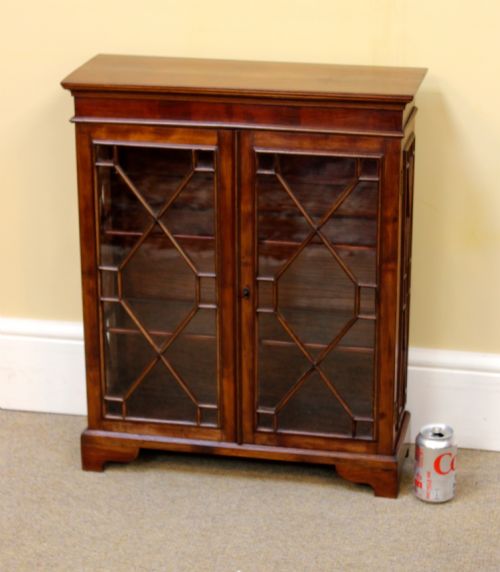
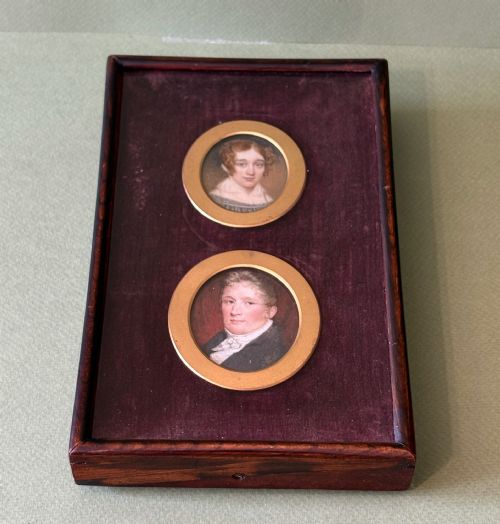
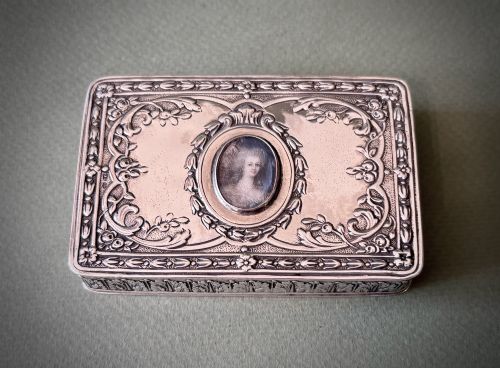
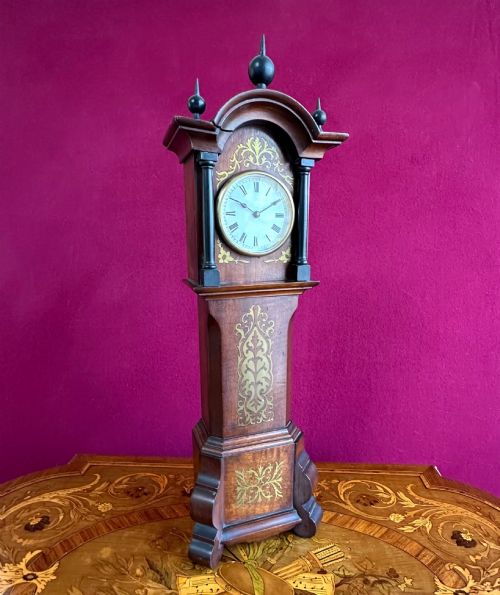
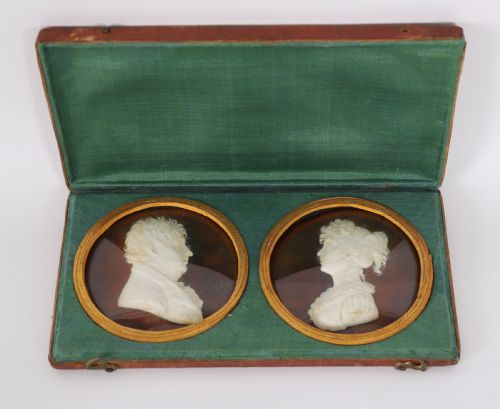
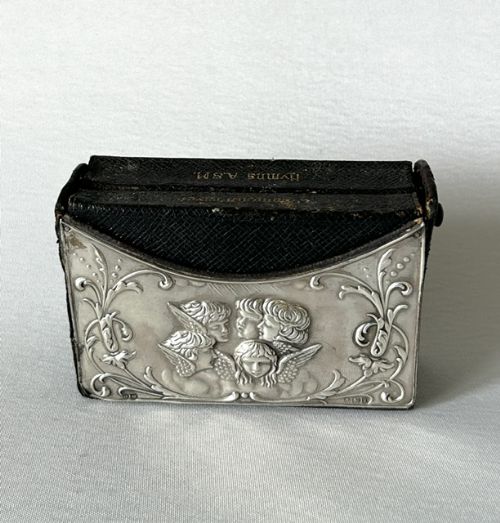
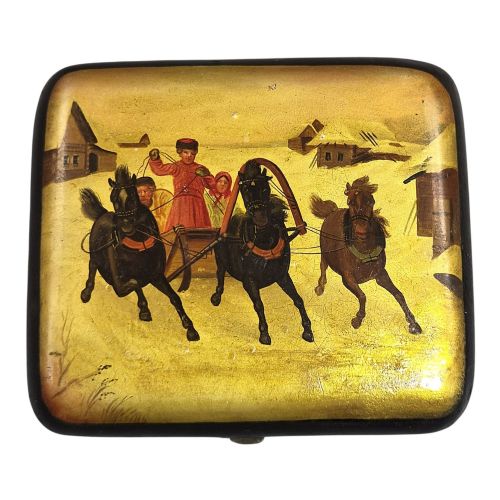
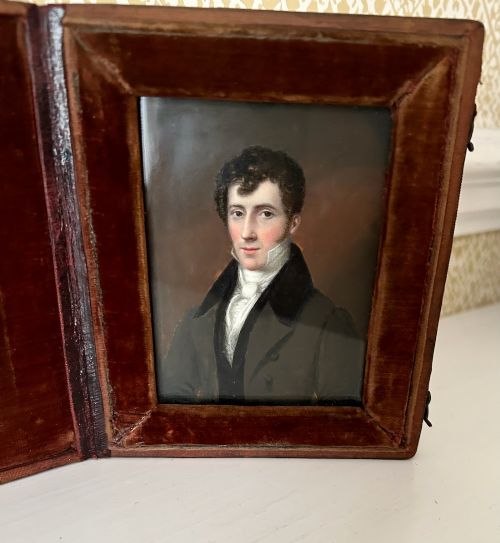
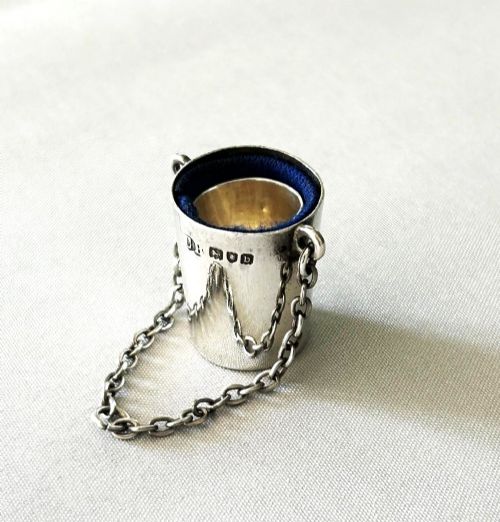
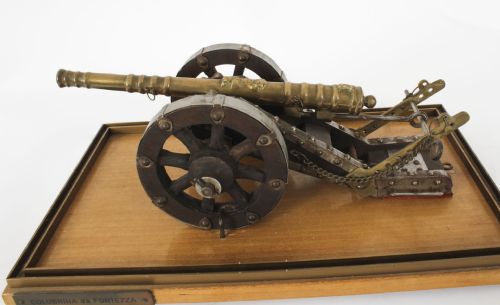
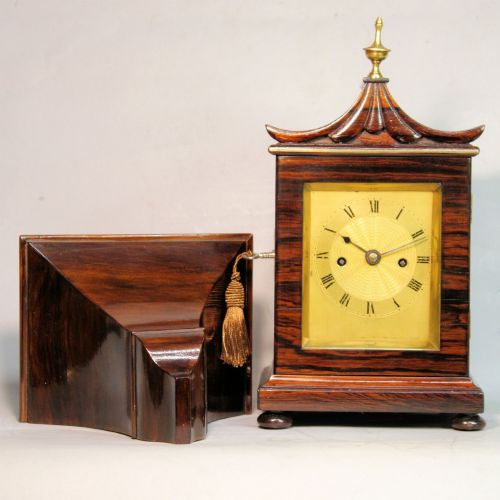
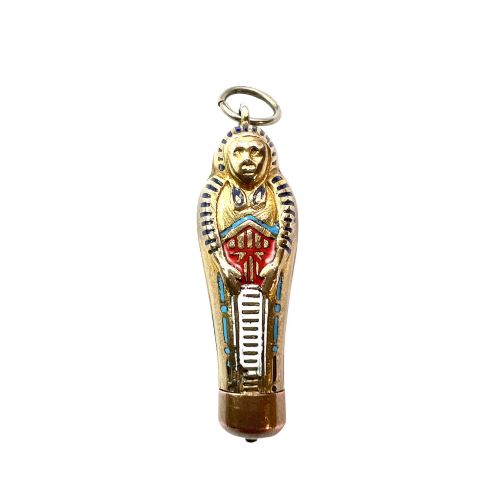
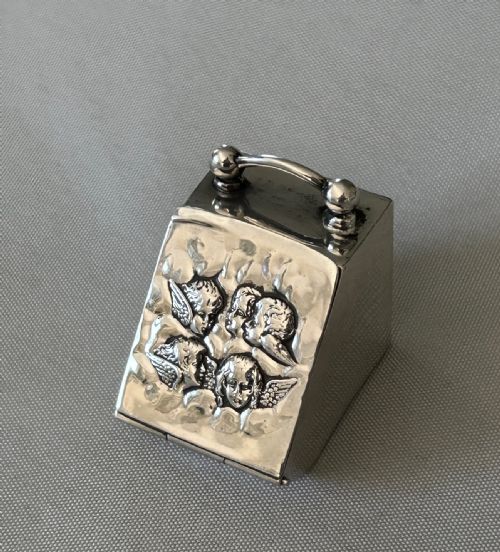
When you search for an antique cased miniature, you encounter a diverse group of diminutive objects housed within protective fitted enclosures or built as small-scale models. The forms seen span portrait miniatures, carriage clocks, snuff boxes, and small display cabinets dating from the Georgian, Victorian, and Edwardian eras.
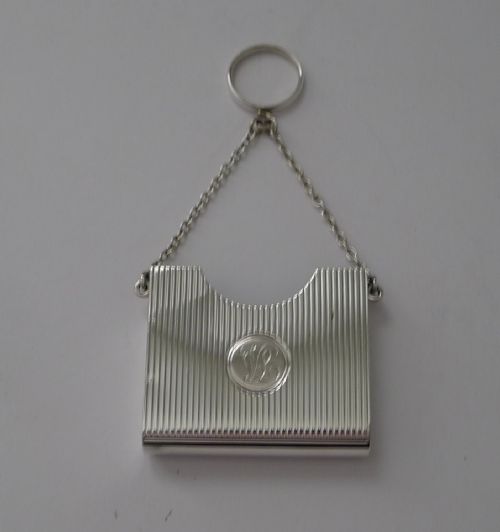
The objects themselves range from functional timepieces and prayer books to decorative wax reliefs, painted portraits, and novelty silver items. Many of these pieces originate from British, French, and Continental workshops, reflecting the widespread Victorian and Edwardian taste for portable curiosities.
Materials and construction methods
Makers utilised a combination of metals, timber, and glass, employing sterling silver, gilt brass, bronze, mahogany, burr walnut, and rosewood for the structural cases and housings. Protective layers of leather, velvet, and enamel frequently line these containers or wrap the exterior.
Techniques relied on precise metal engraving, fine wood carpentry, and miniature portrait painting executed on ivory, vellum, or paper. Clockwork mechanisms required specialised gear-cutting, while silver items involved intricate chasing and filigree work.
Among the tiny treasures are a prisoner of war carved bone domino set and a novelty garden wheelbarrow postage stamp case.
Judging the standard of execution
The integrity of the housing matters equally, with higher-grade pieces featuring undamaged glass panels, original leather or velvet linings, and well-fitted hinges that close securely without slack.
Sampson Mordan·Vishnyakov Workshop·John Miers·Richard Co·Dent of London
The Antique Cased Miniature Glossary
- Carriage clock
- A portable spring-driven timepiece developed for travel, usually fitted with a glazed brass case and a carrying handle. These often arrive in a fitted leather outer case.
- Portrait miniature
- A small, highly detailed painting executed on ivory, vellum, or card, designed to be held in the hand or worn as a pendant. They frequently depict family members or notable figures.
- Etui
- A small ornamental case used to hold needles, scissors, and other small sewing or writing implements. Georgian examples often feature silver construction and fitted internal compartments.
- Fusee
- A conical pulley used in older clockwork to maintain even power as the mainspring unwinds. This mechanism is typical in better quality British bracket and mantel clocks.
- Specimen case
- A small cabinet or chest with multiple shallow drawers designed to hold natural history samples or collector's items. Victorian examples are frequently built in mahogany or walnut.
Antique Cased Miniature: Frequently Asked Questions
What is an antique cased miniature?
An antique cased miniature is a small-scale object, such as a portrait, clock, or silver novelty, made to be easily portable or displayed in a fitted box.
These pieces capture full-scale artistry in miniature proportions, often created during the Georgian, Victorian, and Edwardian periods for personal devotion, travel, or cabinet display.
How do I date a carriage clock?
Dating a carriage clock involves examining the style of the brass case, the escapement type, and any maker signatures engraved on the backplate. Victorian and Edwardian models often feature fully engraved gilt brass frames and platform escapements.
Later 19th-century examples tend to be heavier and more ornate, sometimes including alarm complications or custom leather travel cases.
What were portrait miniatures used for?
Portrait miniatures served as intimate keepsakes exchanged between family members, lovers, or friends before the widespread use of photography. People carried them in pockets, wore them as lockets, or kept them in fitted cases on desks.
The detailed paintings recorded likenesses with remarkable precision, often incorporating hairwork or gold monograms on the reverse side.
How should I clean silver cases?
Cleaning silver cases requires a soft cloth and minimal polish to avoid removing fine chasing or engraved details. Avoid liquid dips that can seep into hinges, glass fittings, or velvet linings.
Store these objects in stable humidity conditions to prevent tarnish accumulation and protect any delicate internal materials like paper or leather.