

Antique Cased Glass
Antique cased glass encompasses vessels and optical pieces housed in custom fitted protective surrounds, appealing to collectors seeking original preservation.
Antique Cased Glass
When searching for antique cased glass, buyers encounter objects ranging from delicate perfume bottles and scent sets to decorative vases and optical lenses. The items recorded in archive sales include nineteenth century examples created by makers such as Harrach and Richardson, often paired with silver, ivory, or vermeil elements.
The term cased refers both to glass layers fused together during manufacture, such as ruby glass over clear crystal, and to objects housed within fitted carrying cases. These enclosures take the form of velvet lined boxes, leather travelling sets, and metal outer shells made from brass, silver, or toleware.
Surviving pieces span the Victorian era up to the early twentieth century, reflecting domestic, scientific, and personal vanity uses. The variety seen on the market highlights both functional scientific instruments like magnifying glasses and ornamental table vessels meant for display.
How They Were Made
The manufacture of these objects combines glassblowing techniques with precision metalwork and cabinetmaking. Glass makers applied distinct layers of coloured glass to a clear or contrasting core before cutting through the outer layer to reveal complex patterns and designs.
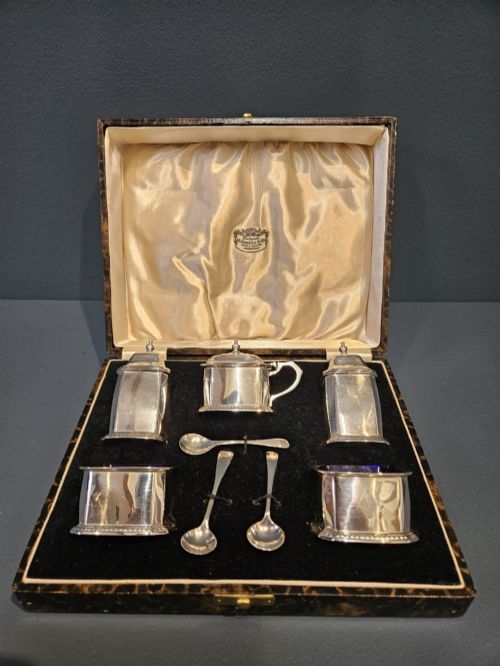
Fitted outer cases were constructed using hardwoods such as mahogany, rosewood, and walnut, frequently lined with silk, velvet, or fabric to secure the delicate glass components safely. Exterior mounts utilised brass, silver, and ormolu for hinges, clasps, and protective rims.
Victorian travellers apparently required specialised glass flasks housed inside locking wooden boxes just to survive a carriage ride with their preferred spirits.
What Varies In Quality
Quality rests upon the crispness of the glass cutting and the depth of colour achieved in multi layered vessels. Pieces featuring enamel work or precise overlay demonstrate superior technical skill compared to plain moulded examples.
The integrity and craftsmanship of the outer case dictate overall value and desirability. Custom fitted interiors executed in fine timber with undamaged velvet linings and functional original hardware distinguish higher grade specimens from later or utilitarian replacements.
Harrach·Richardson
The Antique Cased Glass Glossary
- Cased glass
- Glass formed with two or more distinct layers of different colours fused together during the blowing process. This technique allows artisans to cut away the exterior layer to expose contrasting colours underneath.
- Vermeil
- Sterling silver plated with a thin layer of gold. This finish was frequently applied to interior bottle mounts and decorative caps found within luxury dressing sets.
- Toleware
- Painted or lacquered sheet metal utensils and decorative objects popular during the nineteenth century. Toleware housings offered durable protection for portable optical equipment like magnifying glasses.
- Bijouterie
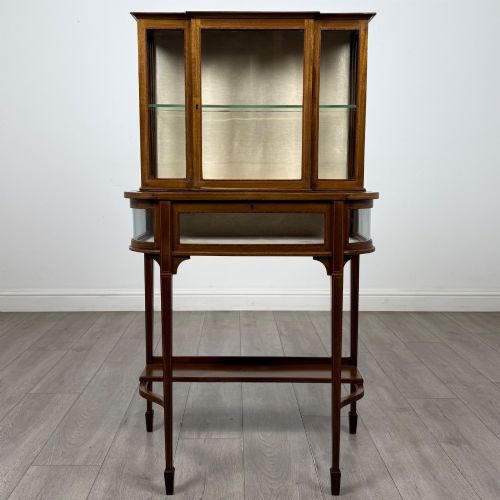
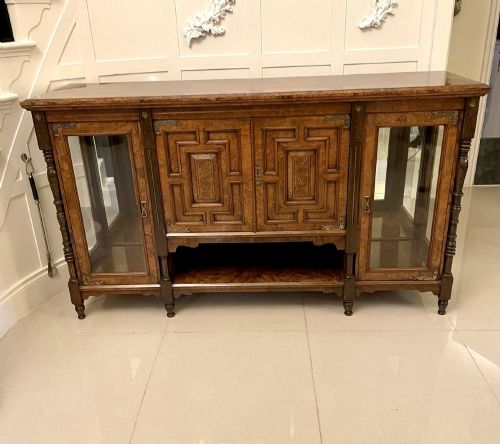
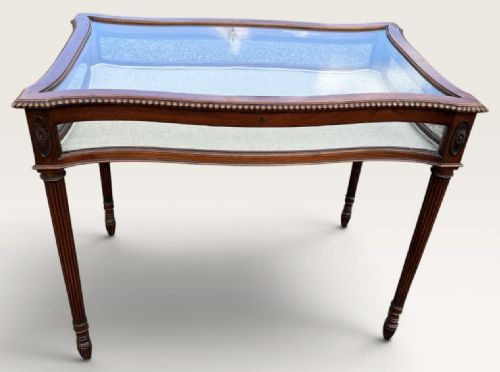
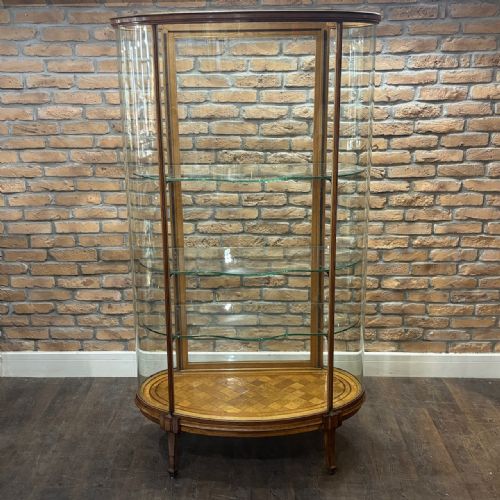
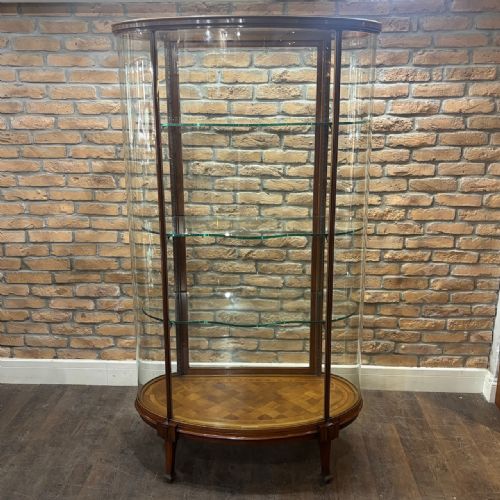
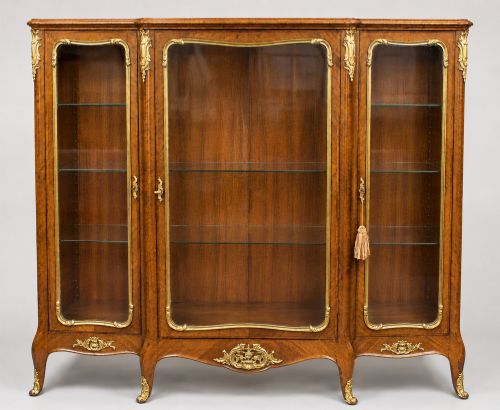
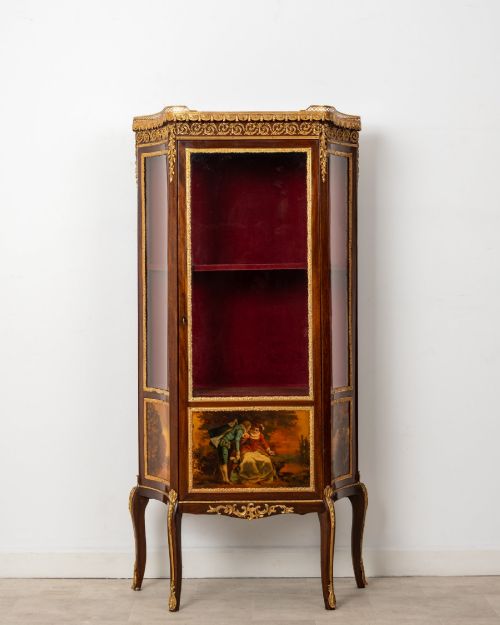
- Small ornamental items and personal accessories housed in glazed display tables or fitted boxes. The term also describes the miniature furniture built specifically to showcase such collections.
Antique Cased Glass: Frequently Asked Questions
What is cased glass?
Cased glass consists of two or more distinct layers of glass fused together during production. Craftsmen often cut through the outer coloured layer to reveal the contrasting base material underneath.
This method created rich visual depth and intricate surface patterns on decorative vases and tableware during the nineteenth century.
How were cased glass pieces stored?
Delicate items like scent bottles and magnifying glasses were kept in custom fitted boxes made from hardwoods and lined with velvet or silk. These enclosures protected fragile vessels during travel and daily domestic use.
Many surviving sets retain their original brass or silver mounts, hinges, and fitted interior partitions.
How do I date antique glass?
Dating relies on manufacturing techniques, material composition, and stylistic markers recorded across Victorian and Edwardian examples. The complexity of the glass cutting and the style of the outer fitted case offer further chronological clues.
Archival records and maker signatures help narrow down production eras to specific decades within the nineteenth and twentieth centuries.
Can I use these antique items?
Many cased glass objects and scent bottles remain robust enough for careful handling and display in modern interiors. However, fragile decorative surfaces and historical velvet linings require gentle treatment to prevent wear.
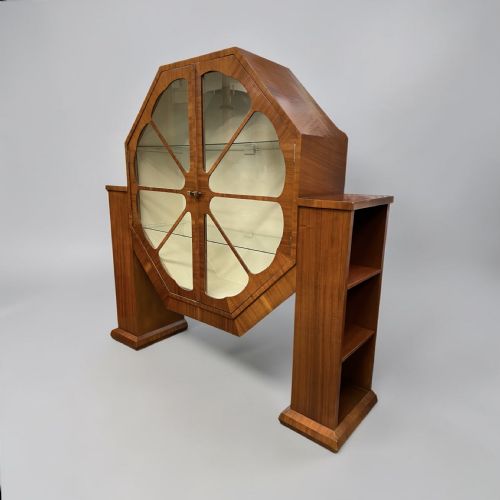
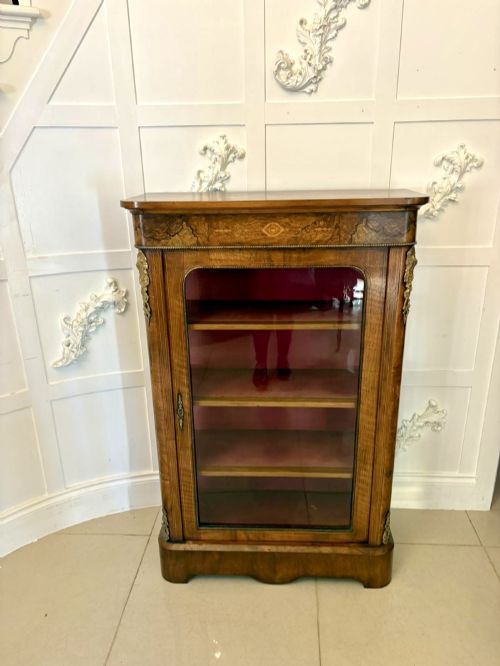
Owners often keep these pieces inside display cabinets or specialised tables to protect them from accidental damage.