




Vintage Pink Lustres
These vintage pink lustres are earthenware and glass vessels carrying metallic glaze and transfer prints, prized for their reflective surfaces and narrative motifs.
Vintage Pink Lustres
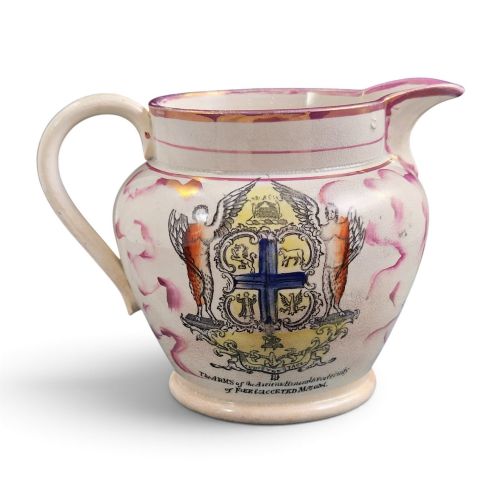
Vintage pink lustres encompass earthenware jugs, bowls, and glass mantel ornaments produced across the Georgian, Victorian, and 1920 periods. Buyers searching for vintage pink lustres typically encounter robust jugs and commemorative bowls decorated with maritime themes, masonic symbols, and transfer-printed verses.
The material record spans utilitarian ceramics and decorative glassware finished with metallic glaze, enamel, and gold leaf. These pieces originate primarily from English potteries, with Sunderland output heavily represented alongside Staffordshire pearlware and later art glass forms.
How they were made
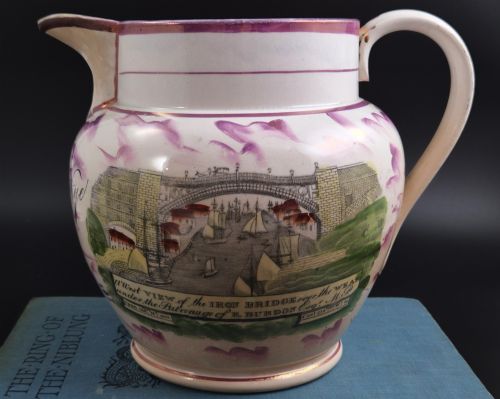
Potters shaped these vessels from earthenware and pearlware before applying metallic lustre glazes that produced an iridescent, pink-flashed or mottled surface finish. Transfer printing applied detailed pictorial scenes, such as clipper ships and iron bridges, directly onto the ceramic body.
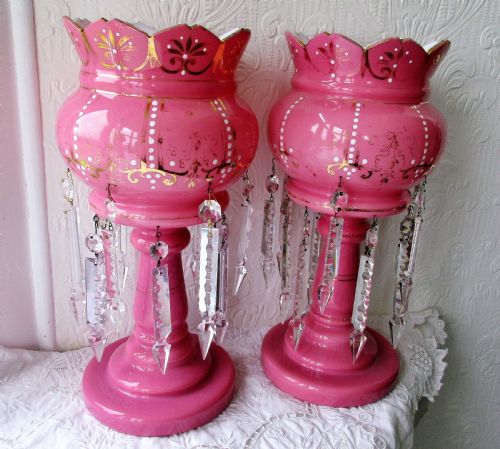
Makers enhanced select areas using enamel colours and gold leaf applied by hand over the glaze. Glass variants relied on layered or cased crystal techniques, shaped into mantel lustres hung with glass drops.
Vintage Pink Lustres Retail Price Guide 2026
Typical asking prices for vintage pink lustres among the pieces listed under this phrase on Sellingantiques today, from the lower quarter to the upper quarter. They describe what is for sale here now, not the wider market.
What varies in quality
Quality in these pieces rests upon the crispness of the transfer print and the density of the metallic lustre finish. Stronger examples display deep, even pink splashing and cleanly delineated pictorial details rather than muddy or faded glazes.
The artistic ambition of the subject matter dictates standing within the category. Detailed maritime themes, named local landmarks, and complex hand-painted enamel additions elevate an individual vessel above standard production wares.
Sunderland Garrison Pottery·Daisy Makeig-Jones
The Vintage Pink Lustres Glossary
- Pearlware
- A refined earthenware body developed in the late eighteenth century featuring a subtle bluish-white glaze. It served as a smooth canvas for transfer-printed decoration.
- Lustre Glaze
- A metallic film applied to ceramics that fires to produce an iridescent, reflective sheen. It mimics the appearance of precious metals like copper or silver.
- Transfer Printing
- A mechanical method for applying intricate designs to ceramics using engraved copper plates and tissue paper. This technique allowed complex pictorial scenes to be replicated consistently.
- Mantel Lustre
- A decorative glass or ceramic vase fitted with dangling crystal prisms designed for display on a fireplace mantel. They caught and reflected the flickering light of candles and coal fires.
Vintage Pink Lustres: Frequently Asked Questions
What are vintage pink lustres made of?
These pieces consist primarily of earthenware, ceramic bodies, and glass finished with metallic lustre glazes. Artisans added enamel colours, transfer prints, and occasional gold leaf details.
Materials reflect the manufacturing traditions of nineteenth-century English potteries and glasshouses.
How were these jugs used?
Many large jugs served as presentation pieces or commemorative items celebrating maritime trades, fraternal orders, and local engineering feats. They were displayed on dressers and tables rather than used for daily dining.
Smaller cups functioned as tableware within domestic tea sets.
How do I identify a Sunderland lustre?
Sunderland pieces often feature characteristic pink splash or mottled lustre effects created during the firing process. They frequently incorporate transfer-printed views of local landmarks like the Iron Bridge over the Wear alongside verse.
Inscriptions naming ships, sailors, or specific dates help confirm their origin.
Where should I display glass lustres?
Glass mantel lustres suit prominent flat surfaces where their pendant crystal prisms can catch ambient room light. They require stable placement away from high-traffic areas to protect the hanging drops.
Pairing them on either side of a fireplace mantel follows their traditional placement.