


Antique Case Stand
An antique case stand covers tall clocks, display cabinets, and cased silver items that bring period craftsmanship into a room.
Antique Case Stand
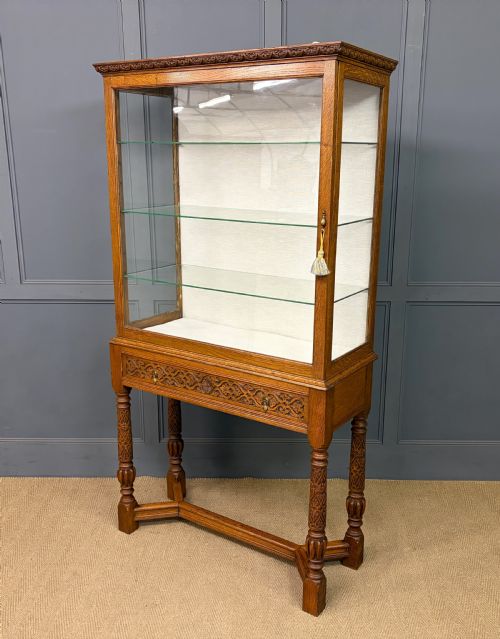
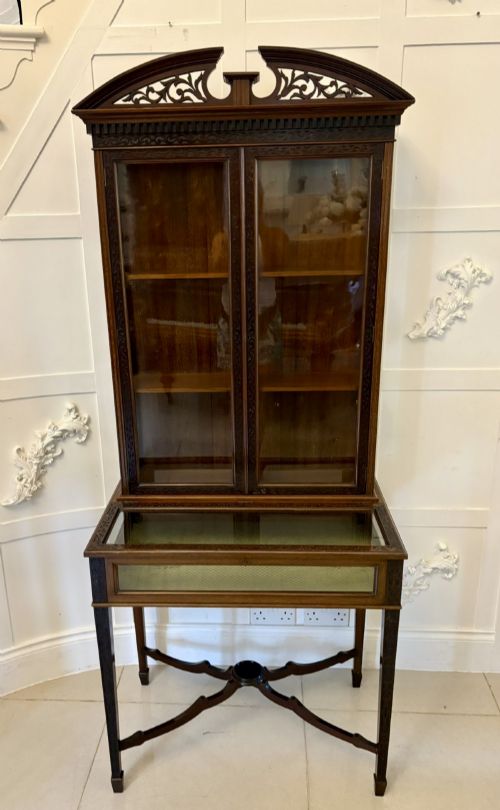
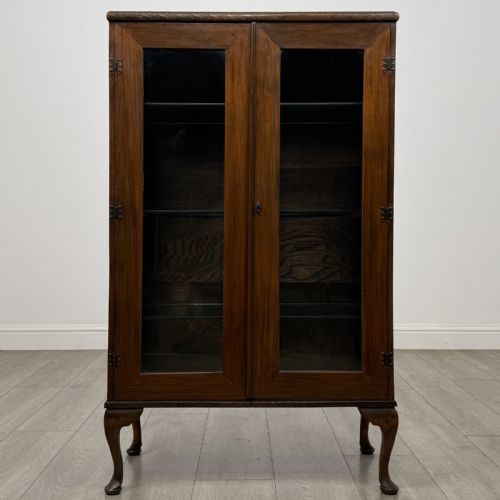
When searching for an antique case stand, a buyer encounters a diverse group of objects housed within protective enclosures or tall wooden housings. These pieces span several centuries, originating from Georgian, Victorian, and Edwardian periods.
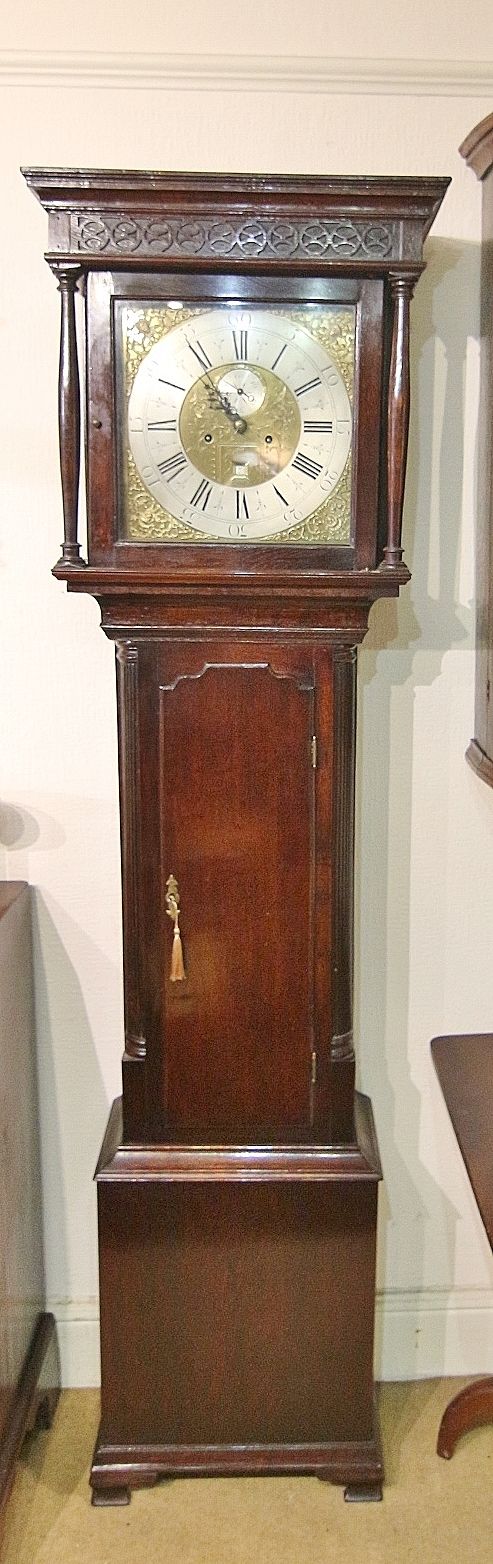
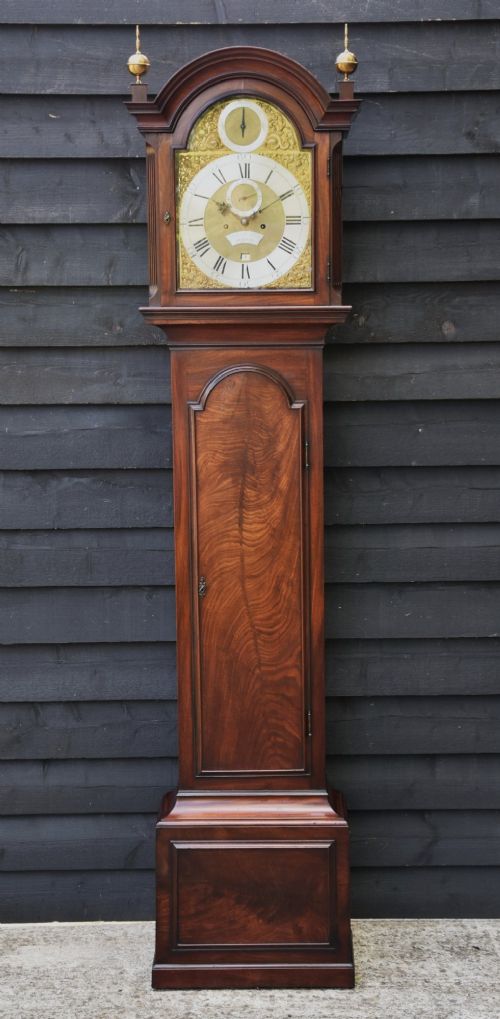
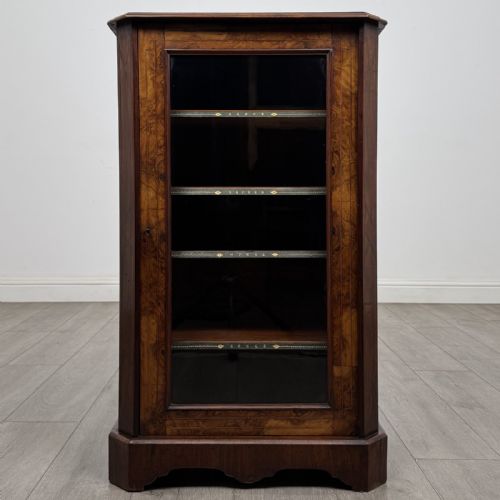
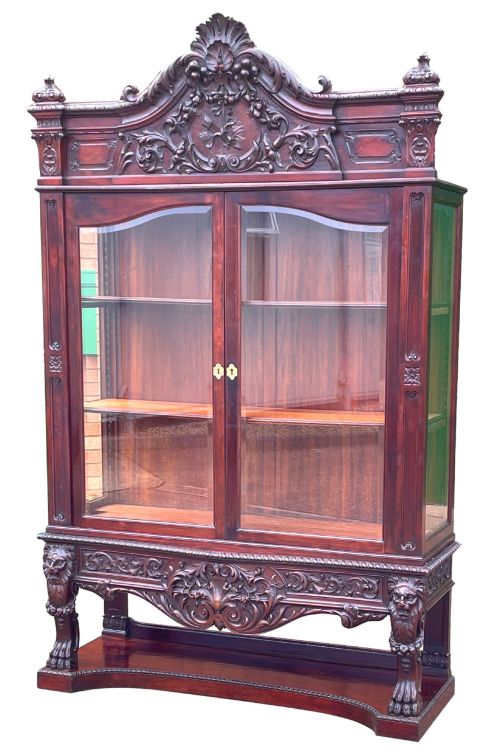
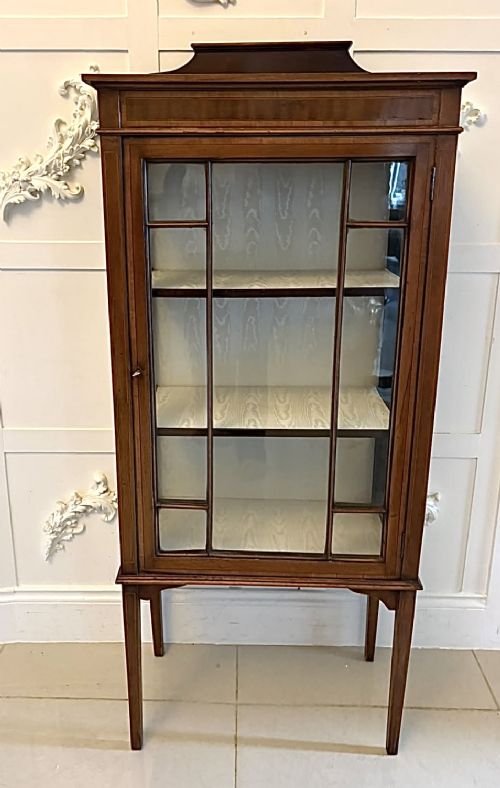
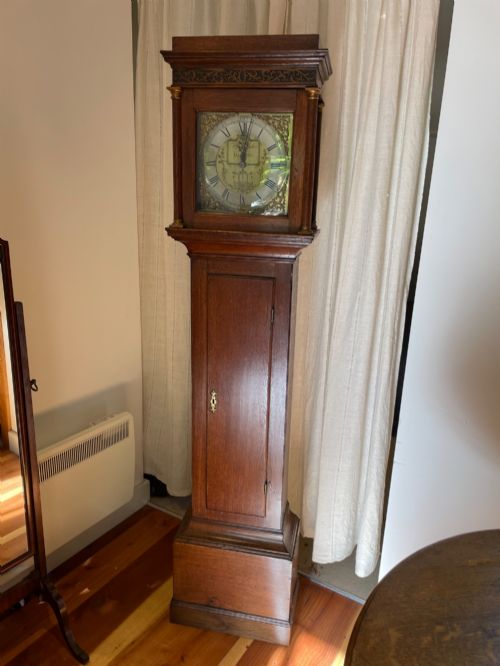
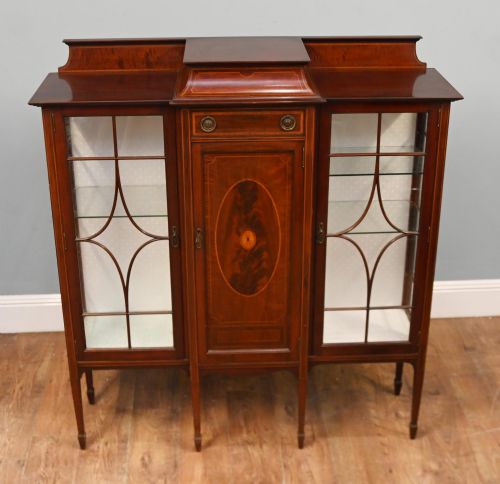
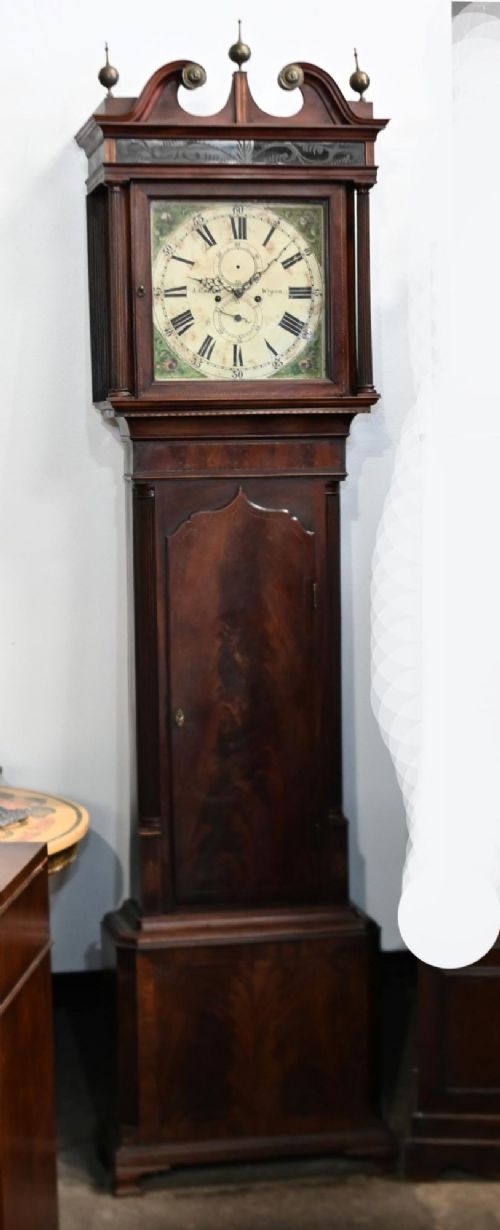
The most common forms on this page include tall grandfather longcase clocks, glazed display cabinets, corner cupboards, and smaller cased items such as pocket watches and silver menu holders. Woods like mahogany, oak, and walnut dominate the larger furniture forms.
Makers and horologists from London, Birmingham, and Scotland built these tall clock cases and cabinets to house timepieces and display household goods. The selection ranges from late eighteenth-century oak longcase clocks to Edwardian inlaid display cabinets.
How they were made
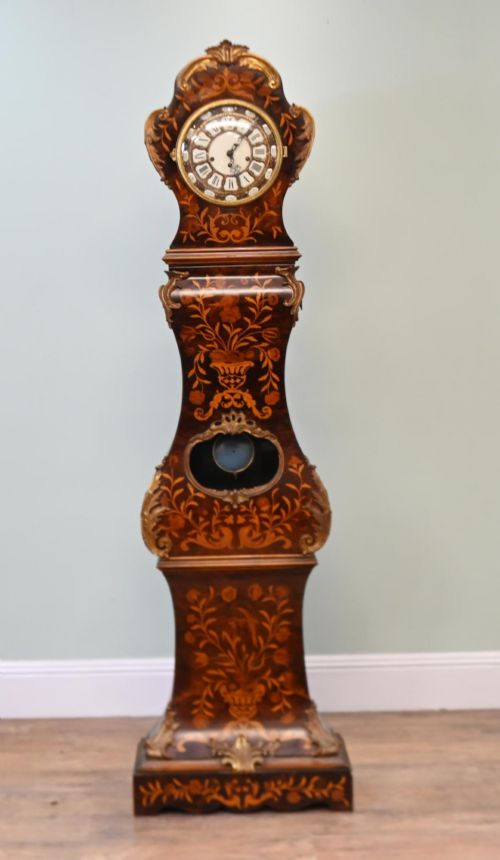
Cabinet makers utilised solid and veneered timbers, notably mahogany, satinwood, oak, and walnut, often embellished with delicate inlay, marquetry, and paterae motifs. Longcase clock housings and display cabinets rely on traditional joinery to support heavy glass doors and eight-day clock movements.
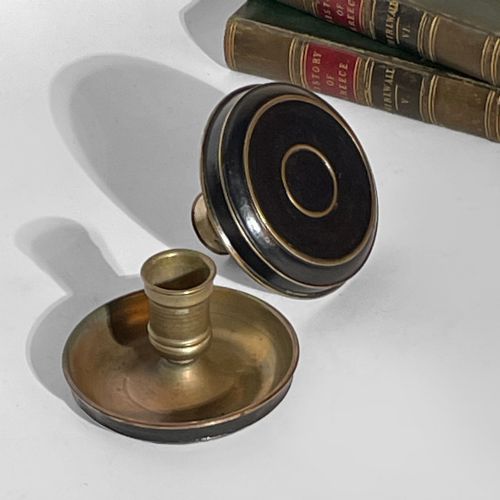
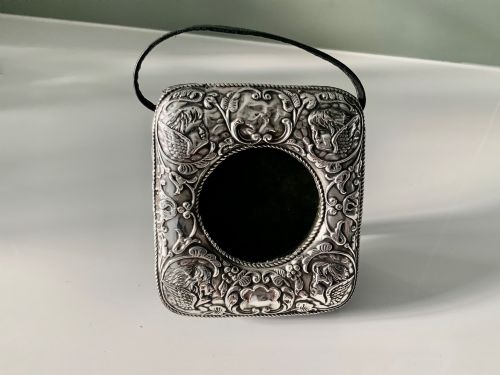
Smaller cased pieces incorporate brass, sterling silver, steel, and glass, shaped into pocket watches, standing vesta cases, and figural menu holders. Metalwork components feature engraved dials, moon phases, and hallmarked silver structures.
Antique Case Stand Retail Price Guide 2026
Typical asking prices for case stand among the pieces listed under this phrase on Sellingantiques today, from the lower quarter to the upper quarter. They describe what is for sale here now, not the wider market.
Silver animal menu holders shaped like owls wait quietly inside cases to hold dinner notes.
What varies in quality
The standard of a piece rests upon the crispness of its timber carving, the choice of veneer figures, and the fidelity of its original brass dial work or glass panels. Superior longcase clocks feature signed movements by known makers and intricate moon phase dials.
Proportion and decorative restraint dictate the desirability of display cabinets and side cupboards. Pieces retaining original feet, glass, and hardware sit higher in the range than those with heavy timber replacements.
Edward White Birmingham·Charles Shuckburgh·Hendrie Ogg·Gordon of Aberdeen·Lee of Great Marlow·D. Straiton·Richard Corless·Levi and Salaman·James McCabe·A. Wilcox
The Antique Case Stand Glossary
- Longcase clock
- A tall pendulum clock enclosed in a wooden case, commonly known as a grandfather clock. These housing structures often feature brass dials and eight-day movements.
- Vitrine
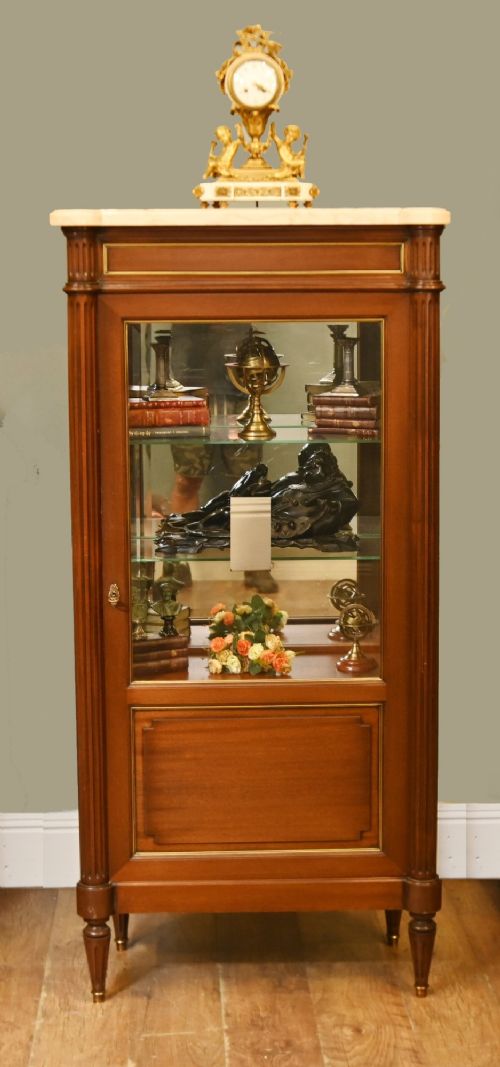
- A glass-sided display cabinet designed for exhibiting porcelain, china, and small decorative objects. They frequently appear in Edwardian and Georgian styles.
- Vesta case
- A small pocket or standing box used for holding matches, typically manufactured in sterling silver with hinged lids. Examples from Birmingham and Chester appear in the evidence.
- Paterae
- Small circular decorative ornaments carved or inlaid into furniture surfaces, often found in neoclassical and Sheraton Revival pieces.
- Moon phase
- A dial mechanism on a clock face that tracks the phases of the lunar cycle. These painted or engraved discs appear on eighteenth and nineteenth-century longcase clocks.
Antique Case Stand: Frequently Asked Questions
What periods do these pieces cover?
The listings span multiple eras, beginning in the eighteenth century with Georgian oak and mahogany longcase clocks. They continue through the Victorian and Edwardian periods into the early twentieth century.
Later examples include Art Deco items and silver pieces marked up to the 1930s, showing a broad chronological range of housing and cabinet styles.
How do tall clock cases differ?
Tall clock housings vary primarily by regional style, timber choice, and dial complexity. Scottish and provincial English makers utilised local oak and mahogany to build these floor-standing enclosures.
Some incorporate simple calendar apertures, while others display elaborate moon roller mechanisms and engraved brass faces signed by the horologist.
What are display cabinets used for?
Glazed display cabinets and vitrines serve to house and protect fine china, glassware, and small collectables. Edwardian and Georgian iterations often feature mirrored backs and glass shelving.
They allow items to be viewed safely while keeping dust away from delicate ceramics and antique glass objects.
How are smaller cased items categorised?
Smaller cased goods include pocket watches, menu holders, and vesta cases housed in metal or silver. These items utilise materials like gun metal and sterling silver.
They represent portable craftsmanship from Birmingham and Chester silversmiths active around the turn of the twentieth century.