
Antique Carving Set
An antique carving set brings solid craftsmanship to the dining table, offering dependable service and traditional style for the modern home.
Antique Carving Set
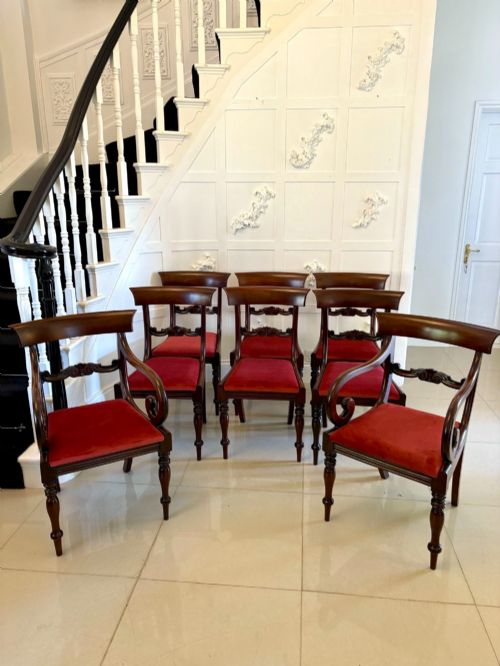
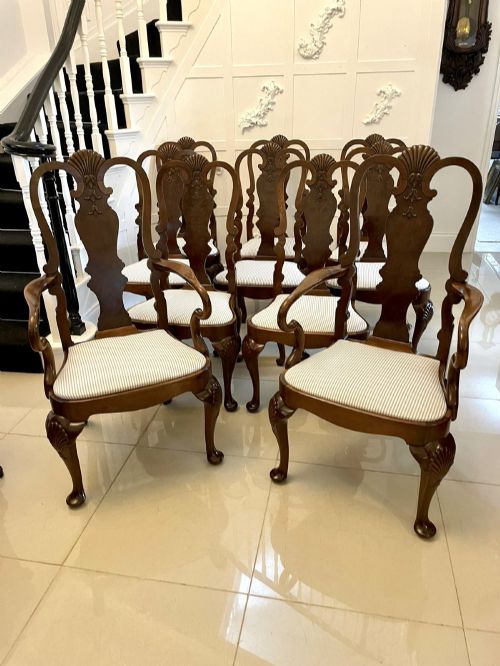
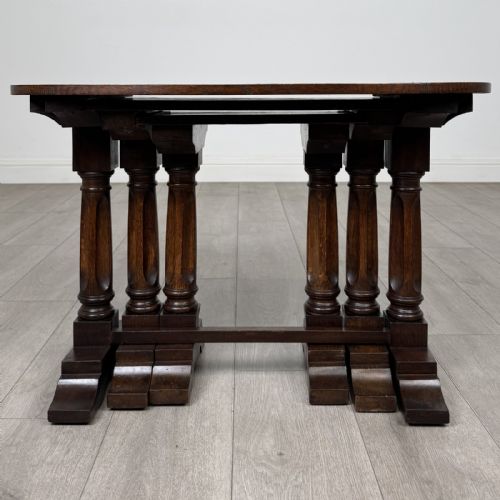
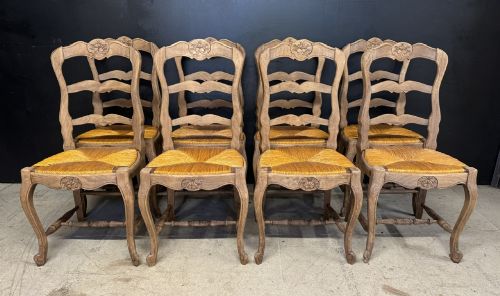
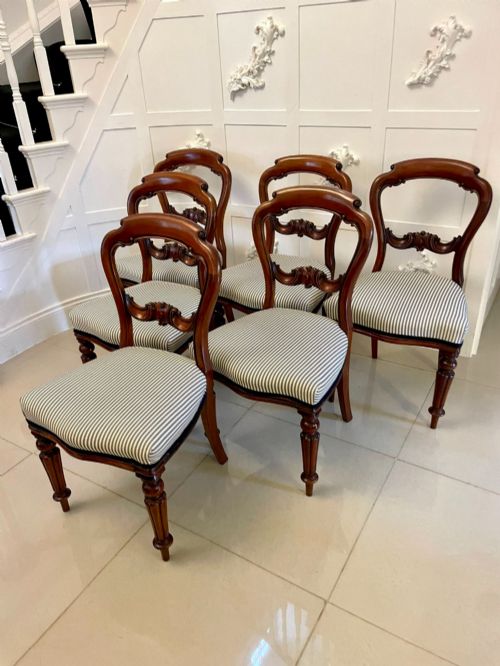
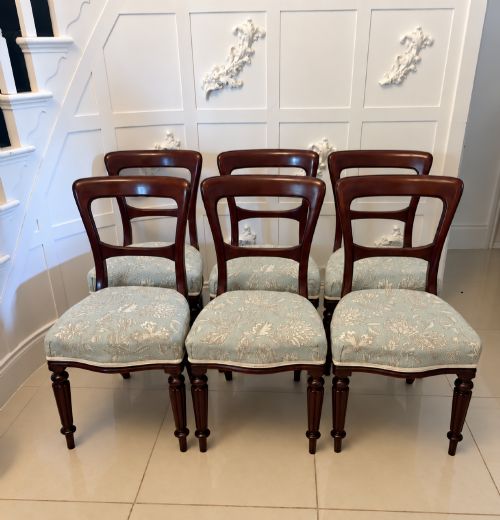
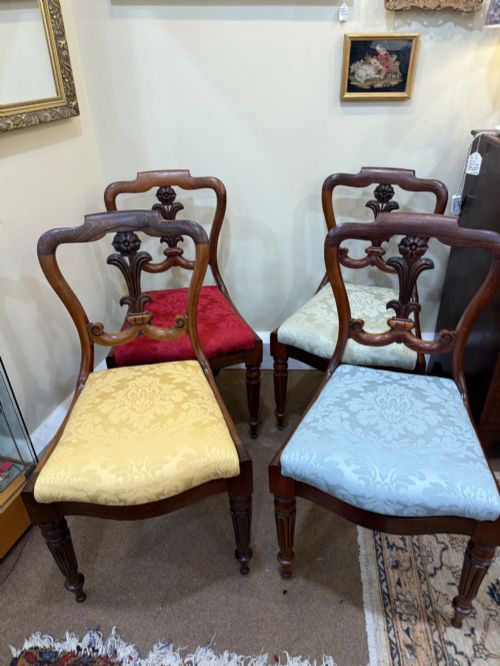
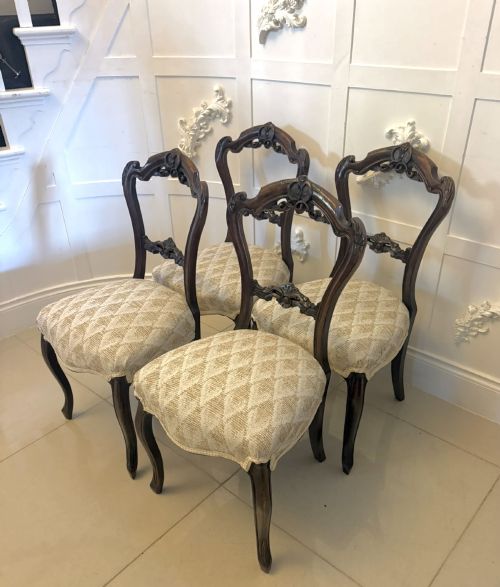
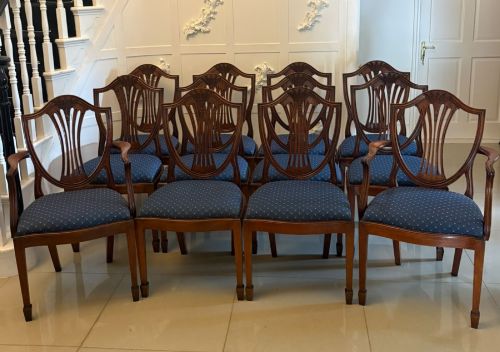
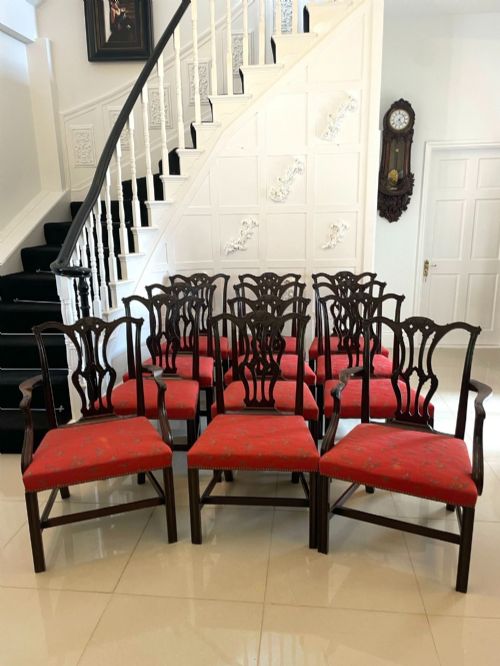
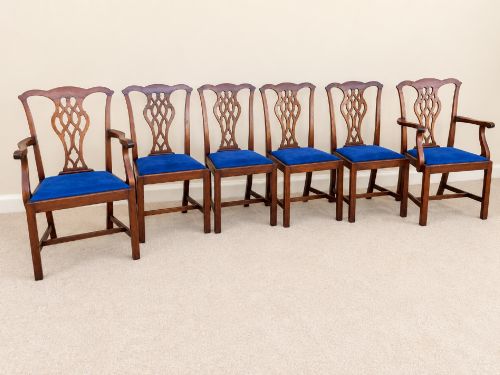
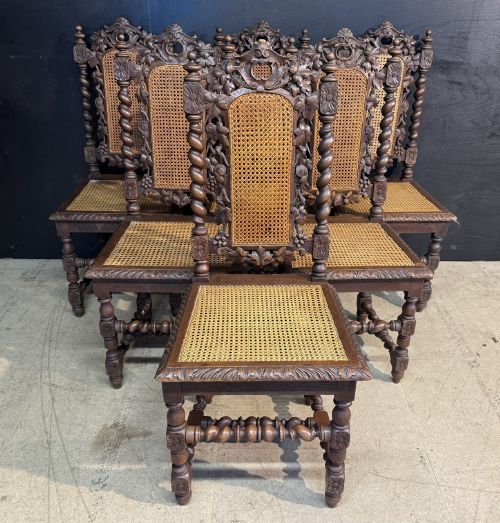
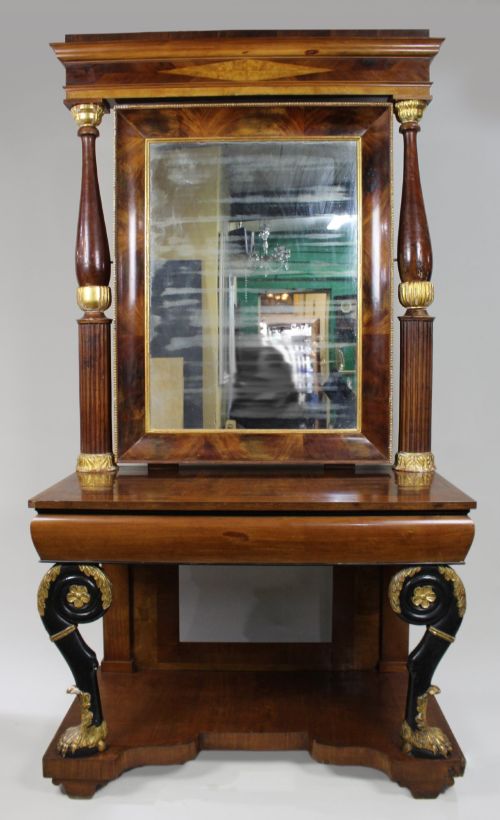
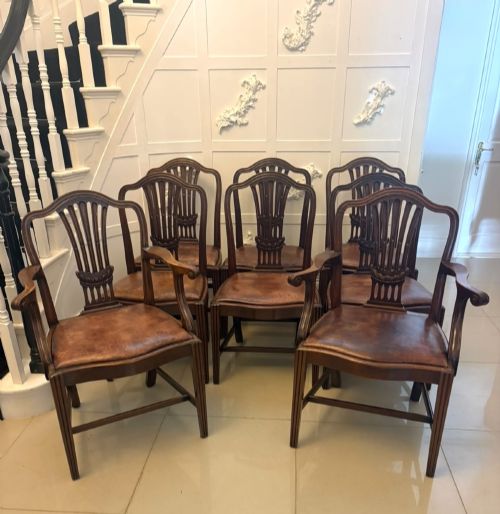
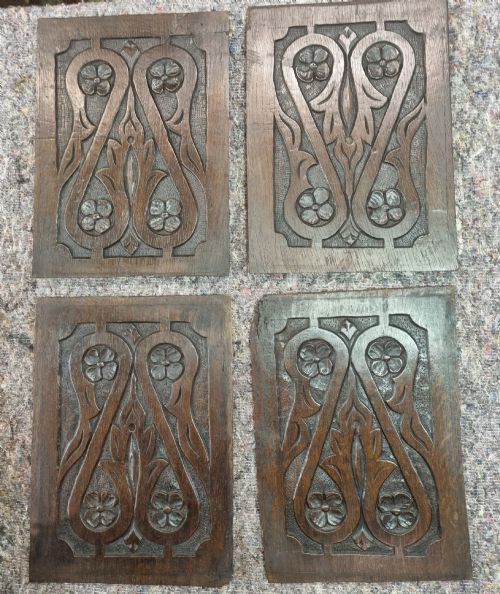
An antique carving set typically comprises a handled knife and fork designed for portioning roasted joints at the dining table. The evidence shows these sets appearing alongside substantial dining furniture from the nineteenth and early twentieth centuries, including oak settles and benches featuring detailed decorative carving.
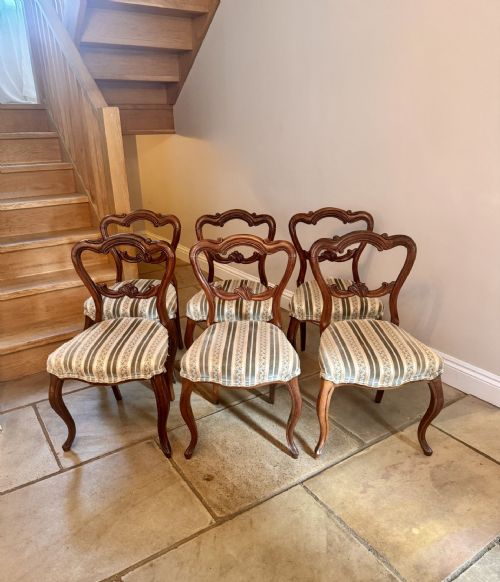
Buyers seeking this item will encounter pieces shaped by Victorian and Edwardian tastes, often housed in fitted boxes or matched with dining sets in mahogany, walnut, and oak. While the current listings lean heavily toward chairs and tables, the archival record confirms the enduring presence of these specific cutlery and serving implements.
The materials utilised in these sets reflect the domestic priorities of their eras, pairing durable steel blades with sturdy handles of wood, bone, or horn. They represent the practical side of historic dining arrangements, intended for regular use rather than mere display.
Factors determining quality
The distinction between standard utility items and finer examples rests on the grade of steel, the snugness of the handle fitting, and any supplementary ornamentation. Sets bearing the marks of established makers command attention for their superior metallurgy and balanced proportions.
Preservation of the original storage case and the condition of the steel surfaces also influence the standing of a set. Pieces that retain their factory polish without excessive sharpening show care and superior initial manufacture.
Evidence spans the Georgian, Victorian, and Edwardian eras, utilising mahogany, oak, walnut, brass, and leather across various domestic forms.
Cooper Brother And Sons·Poix Blin
The Antique Carving Set Glossary
- Carving knife
- A long-bladed knife designed specifically for slicing meat at the table. It pairs with a matching fork to stabilise joints during carving.
- Ferrule
- A metal ring or cap that strengthens the handle where it joins the blade. This component prevents the wood or bone from splitting under pressure.
- Green man
- A sculptural face carved from foliage or branches, frequently found on Victorian oak furniture in the evidence. It represents rebirth and forest spirits.
- Mahogany
- A durable tropical hardwood prized for its rich colour and stability. It was widely utilised across nineteenth-century dining furniture and storage boxes.
Antique Carving Set: Frequently Asked Questions
How do I clean an antique carving set?
Wash the steel blades by hand in warm soapy water and dry them immediately to prevent rust. Avoid soaking the handles, particularly if they are made of organic materials like bone or wood.
Store the set in a dry environment, preferably within a lined box or roll, to protect the edges from dulling against other utensils.
Are these sets suitable for modern roast dinners?
These implements remain fully functional for carving joints of meat at the modern dining table. Their steel blades take a keen edge when properly maintained.
Care should be taken with historic handles during washing, as modern dishwashers can damage nineteenth-century adhesives and materials.
What materials are typical for the handles?
Handles frequently incorporate hardwoods such as oak and mahogany to match dining furniture. Other common materials include bone, horn, and occasionally antler.
Metal caps and bolsters are typically fashioned from brass or plated steel to secure the tang within the handle.
How can I date a carving set?
Dating relies on maker marks, style of script, and the materials used for the handles and ferrules. Victorian and Edwardian examples often feature in fitted wooden cases.
Comparing the decorative motifs to contemporary furniture styles helps narrow down the decade of manufacture.