



Antique Carved Wood Panelling
Antique carved wood panelling brings centuries of architectural craft into rooms through oak panels, linenfold sections, and relief carvings.
Antique Carved Wood Panelling
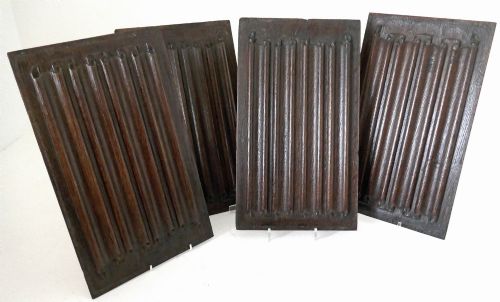
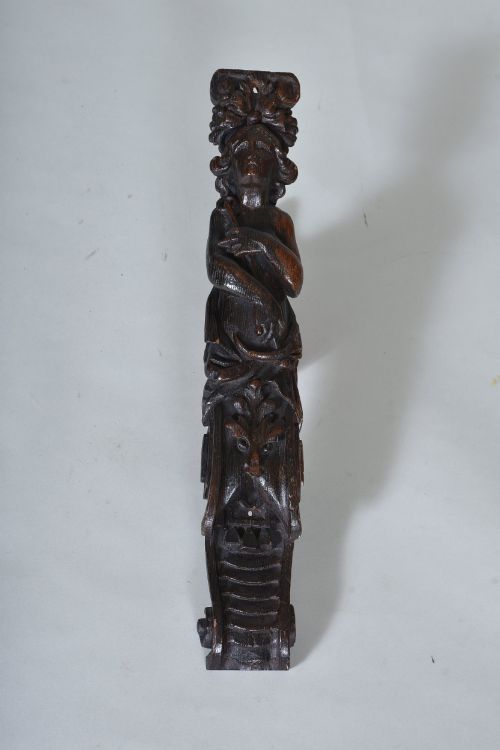
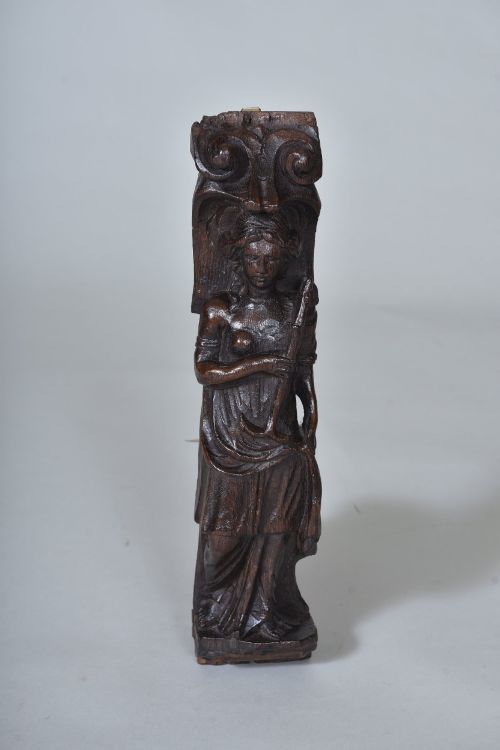
Buyers seeking antique carved wood panelling encounter structural architectural fragments, wall panels, and fitted elements originating from the sixteenth century onwards. These pieces take the form of individual relief panels, linenfold sections, overmantel panels, and joined elements designed for domestic interiors.
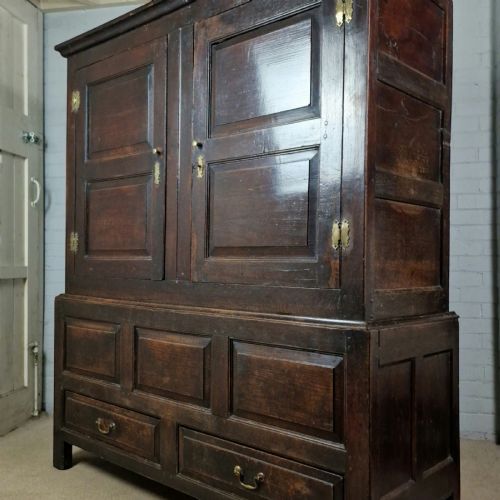
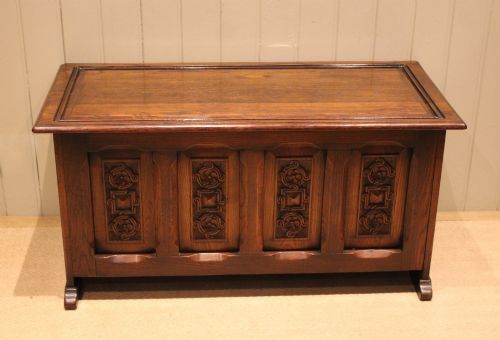
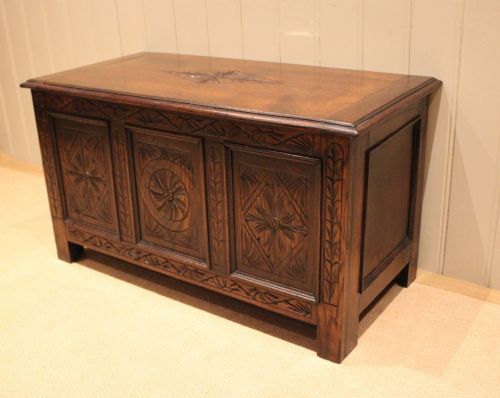
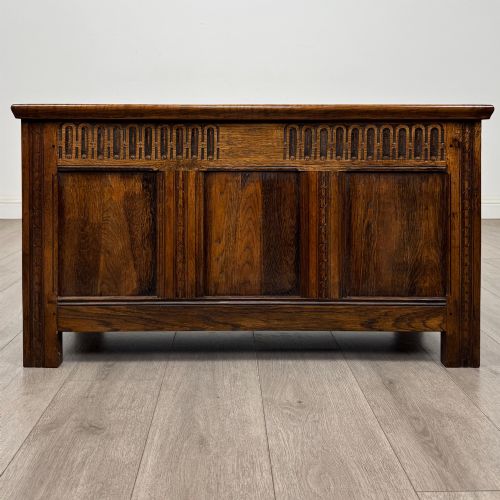
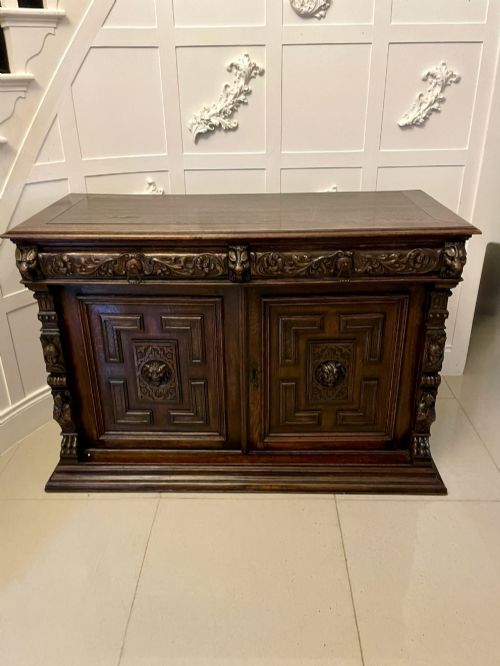
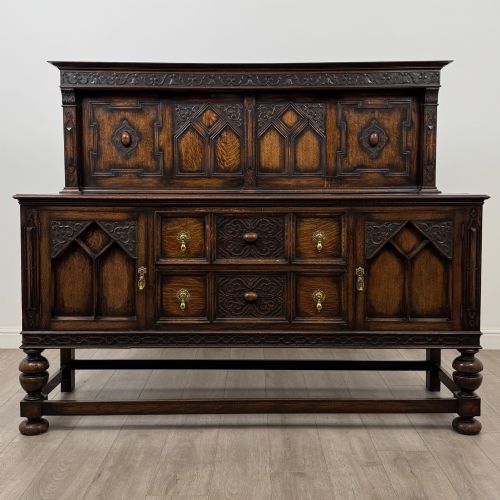
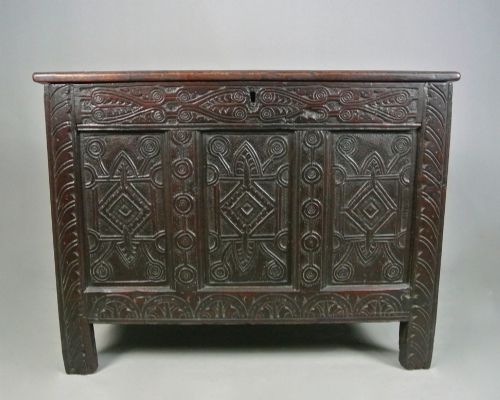
The selections on this page lean heavily towards sixteenth, seventeenth, and nineteenth-century oak fragments, alongside later revival styles. Alongside flat wall sections, related furniture items such as coffers, chests, and sideboards display matching carved wooden surfaces.
Materials and construction methods
Carpenters and joiners worked primarily in solid oak, alongside other hardwoods and timber, utilising hand chisels and gouges to sink reliefs and shape linenfold patterns. Panels were fitted into joined frames using traditional tongue and groove or pegged mortise and tenon joints.
Surface treatments rely on the natural grain of the timber, occasionally enhanced by historic wax or polished finishes that highlight the depth of the hand carving.
Listings feature oak, mahogany, and assorted hardwoods shaped into sixteenth-century linenfold panels, seventeenth-century coffers, and nineteenth-century overmantel carvings.
Distinctions in craftsmanship
Quality rests in the crispness of the chisel work and the depth of the carving relief, distinguishing confident sixteenth and seventeenth-century joinery from later revival copies. The choice of timber grain and the integrity of the original joints dictate the structural coherence of each panel.
Pieces retaining their original surface patination and un-thinned timber sections command greater interest than heavily sanded or structurally altered fragments.
The Antique Carved Wood Panelling Glossary
- Linenfold
- A style of relief carving used on wooden panels to imitate folded linen fabric. It appears commonly on sixteenth-century church and domestic woodwork.
- Wainscot
- Wooden panelling applied to the lower portion of interior walls. The term also describes armchairs constructed with panelled wooden backs in the manner of joinery.
- Overmantel
- A decorative panel, painting, or mirror frame placed directly above a fireplace mantelpiece. These often feature high-relief carvings or heraldic motifs.
- Relief
- A sculptural technique where elements project from a background plane. High-relief carvings stand out significantly from the surrounding wood.
- Coffer
- A large wooden chest used for storage, constructed with heavy panels and often ornamented with carved geometric or figural designs.
Antique Carved Wood Panelling: Frequently Asked Questions
How do I install antique wood panels?
Panels require secure backing battens fixed to interior walls, allowing the timber to adjust naturally to room temperature and humidity changes without warping.
Professional joiners typically screw through concealed tongue edges or use traditional framing methods to mount panels safely onto plaster surfaces.
How do I clean carved oak panels?
Dust carved surfaces gently using a soft, dry bristle brush to reach into the recesses of the relief work without abrading the timber.
Avoid liquid cleaners and modern polishes, applying only traditional beeswax sparingly if the wood appears dry.
What is linenfold panelling?
Linenfold panelling is a form of decorative woodwork featuring a carved motif that resembles stiff cloth folded over itself. This style originated in northern Europe during the late medieval period and remains prominent on sixteenth-century panels.
Cabinetmakers achieved this effect using specialised gouges and planes to create smooth, undulating wooden folds.
How do I date antique carved panels?
Dating relies on examining the tool marks left by hand chisels, the method of joint construction, and the species of timber used. Sixteenth and seventeenth-century pieces display irregular adze or pit-saw marks on the reverse sides.
Stylistic indicators, such as strapwork, linenfold, or Jacobean geometric motifs, help align the piece with documented periods of craftsmanship.