

Antique Carved Wall Shelf
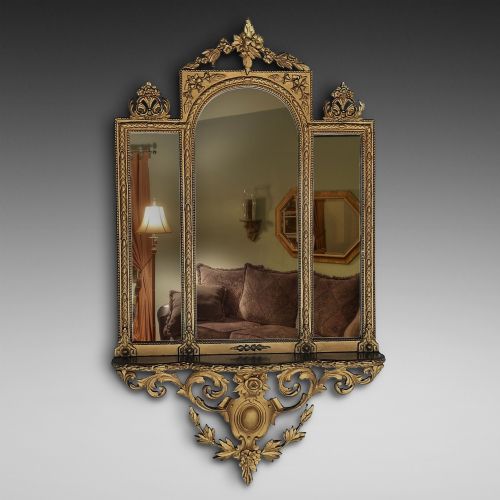
An antique carved wall shelf brings architectural depth and practical display space to a room, drawing the eye upwards with ornate timber and gilt details.
Antique Carved Wall Shelf
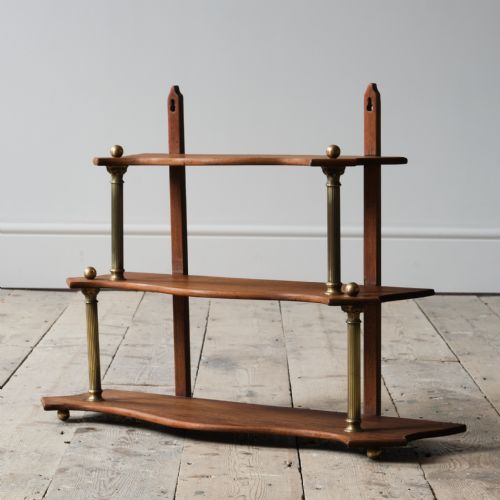
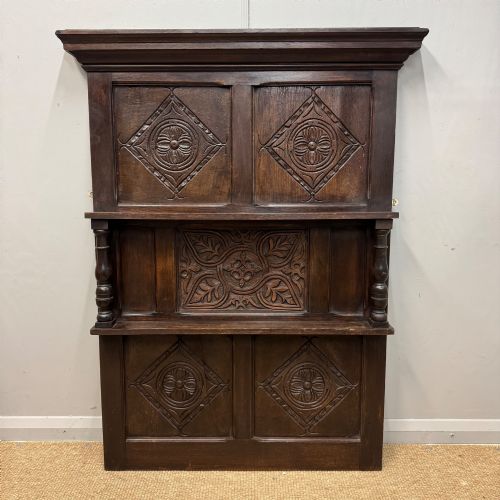
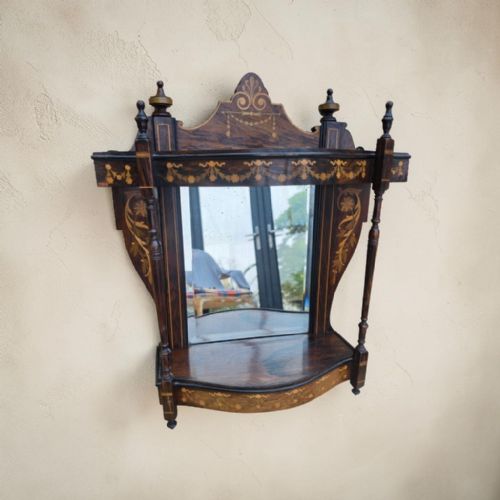
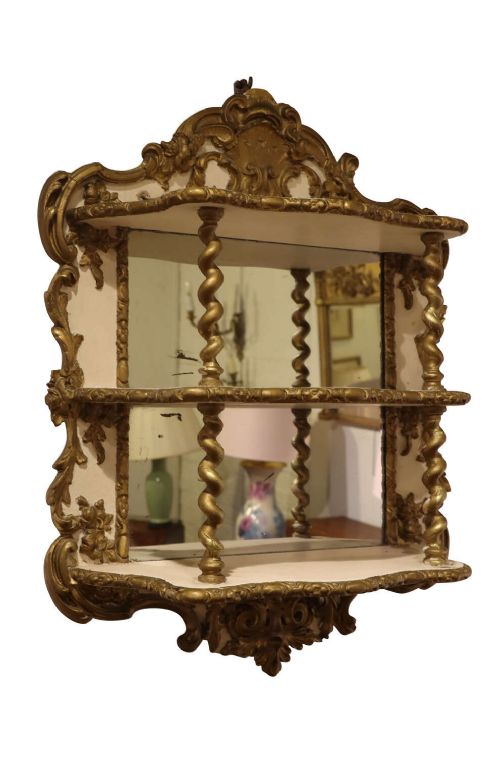
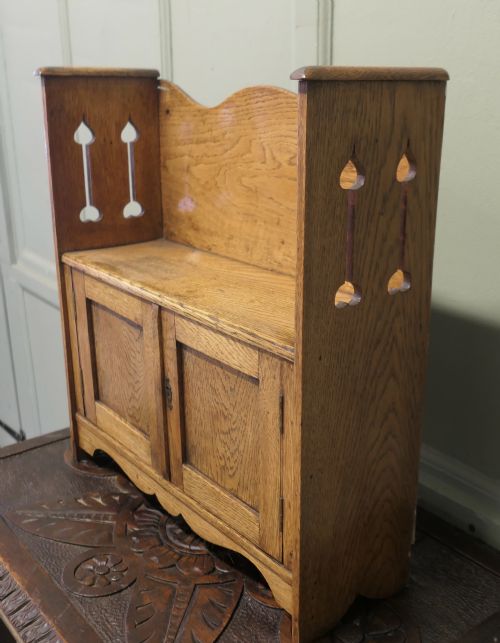
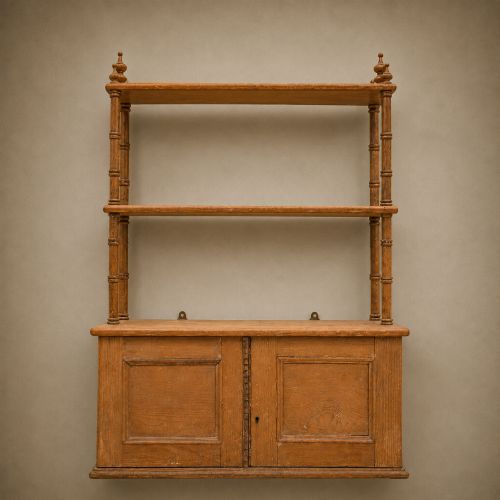
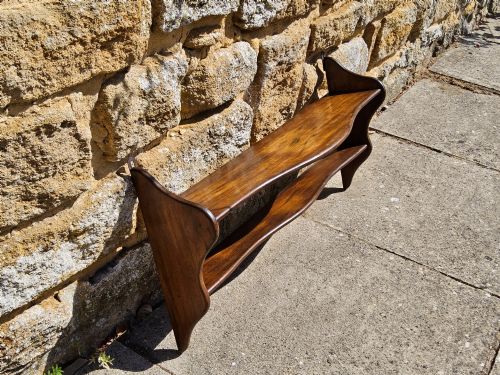
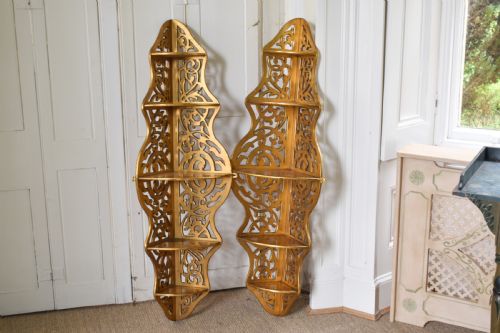
An antique carved wall shelf encompasses various wooden wall-mounted fixtures designed to hold small decorative items, books or plates, including corner brackets, hanging shelves and display cabinets. These pieces span the eighteenth, nineteenth and early twentieth centuries, crossing through Victorian, Edwardian, Arts and Crafts and revivalist styles.
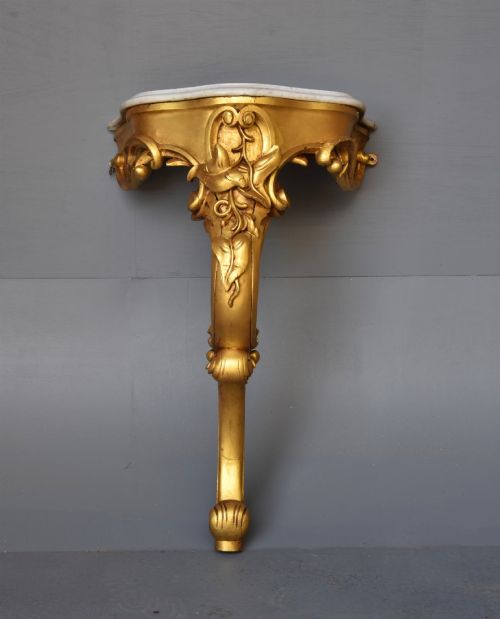
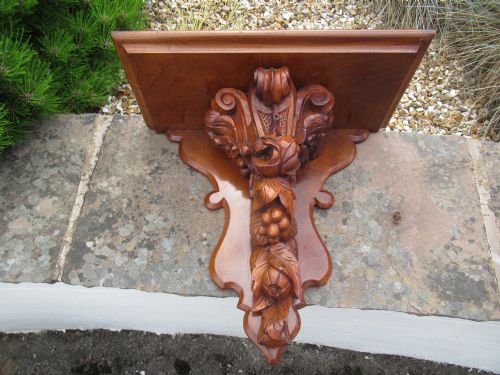
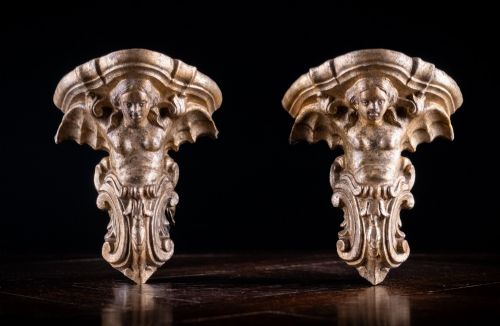
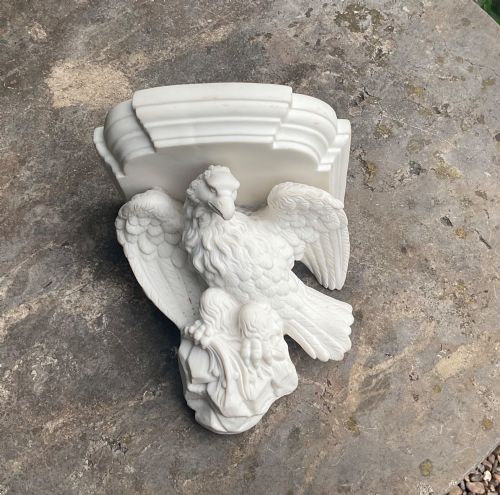
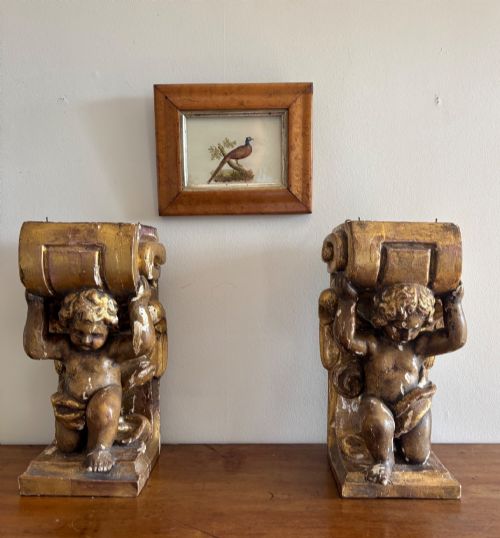
The selection on this page relies heavily on nineteenth-century examples in oak, mahogany and walnut, alongside giltwood brackets and pine plate racks. Buyers encounter everything from simple domestic kitchen shelves to ornate Baroque and Rococo revival corbels carved with cherubs and putti.
Origins vary across English, French and Italian workshops, reflecting regional preferences in joinery and ornamentation. Whether small mahogany hanging shelves or larger architectural brackets, each piece serves to utilise vertical wall space effectively.
Judging Quality
Quality rests upon the crispness and depth of the hand carving, where sharp, undercut details distinguish superior artisanal work from mechanical or heavy-handed reproductions. The choice of timber grain and the precision of the joinery at the corners and joints further separate everyday utility pieces from high-status decorative items.
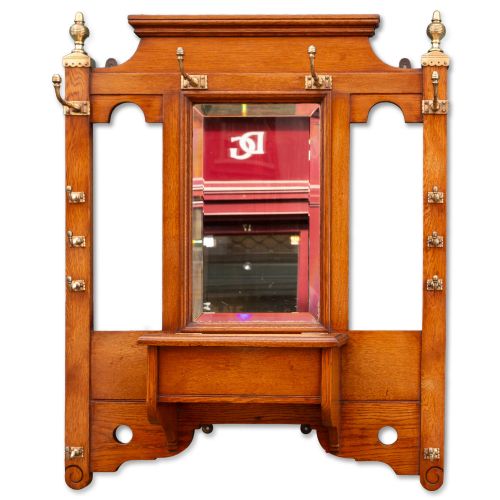
Originality of surface and finish dictates long-term character, as untouched patinas on walnut, oak and giltwood carry historical integrity. Pieces retaining original mirror glass, brass hanging brackets and secondary pine backboards demonstrate higher levels of preservation.
Several nineteenth-century brackets feature winged sirens and cherubs keeping permanent watch over the hallway post.
Arthur Simpson of Kendal·John Moyr Smith·Strahan of Dublin·Liberty and Co
The Antique Carved Wall Shelf Glossary
- Corbel
- A structural or decorative bracket projecting from a wall to support a weight above. It often takes carved scroll or figurative forms.
- Gesso
- A plaster-like mixture applied to wood as a smooth base for gilding or painting. It allows intricate relief ornamentation on brackets and frames.
- Giltwood
- Timber that has been coated with gold leaf or gold paint. It appears frequently in decorative wall brackets and mirrors.
- Plate Rack
- A wooden fixture featuring slotted rails or grooves designed to display plates upright. They originate primarily from domestic kitchen and dining contexts.
- Overmantel
- A decorative structure positioned above a fireplace mantelpiece. It often incorporates mirrors, shelves and carved panels.
Antique Carved Wall Shelf: Frequently Asked Questions
How do I hang a heavy wooden wall shelf safely?
Heavy antique shelves require secure fixing directly into wall studs or masonry using appropriate wall anchors matched to the weight of the timber. Professional installation ensures the structural integrity of the wall and protects the antique fixings.
Many older pieces feature original brass mounting loops or brackets that dictate the hanging points. One should verify that these historic fixings remain strong before supporting the full weight of the shelf and displayed objects.
How should I clean and maintain antique carved wood?
Dust carved surfaces gently with a dry, soft-bristled brush to reach into deep recesses without disturbing the wood grain. Avoid modern chemical sprays or wet cloths that can strip historic wax polishes.
Apply a microcrystalline wax sparingly once or twice a year to nourish the timber and protect the finish. Buff gently with a soft cloth to maintain a natural, low lustre.
How do I date a carved wooden wall bracket?
Dating relies upon examining the tool marks, timber selection, fastener types and stylistic indicators characteristic of specific periods. Hand-cut dovetails, hand-forged screws and native timbers often point towards eighteenth or early nineteenth-century origins.
Stylistic cues such as Gothic Revival tracery, Arts and Crafts simplicity or Baroque curves help narrow the decade of manufacture. Comparing the piece against documented examples from known makers provides further chronological context.