



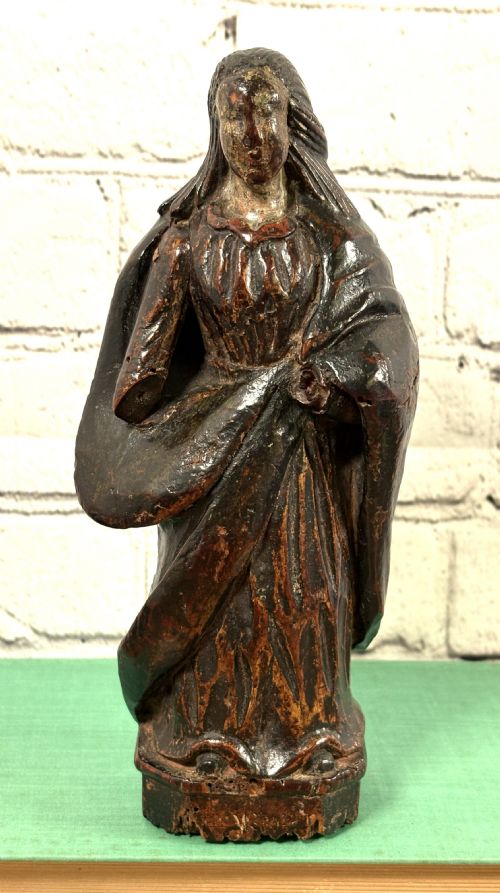


Antique Carved Saint
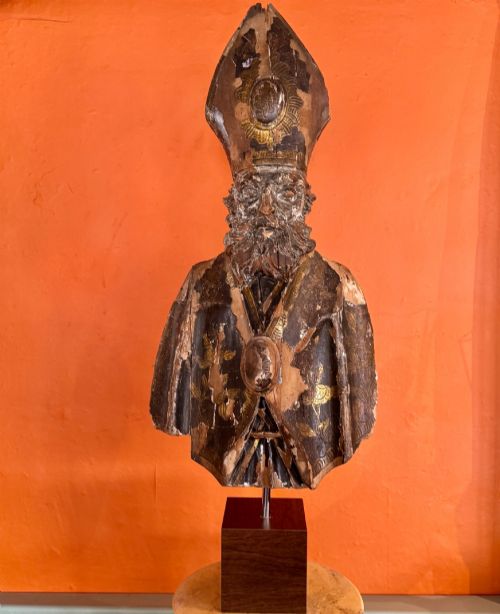
An antique carved saint brings centuries of devotion into a room, capturing sacred figures in wood, gesso and gold leaf.

Antique Carved Saint
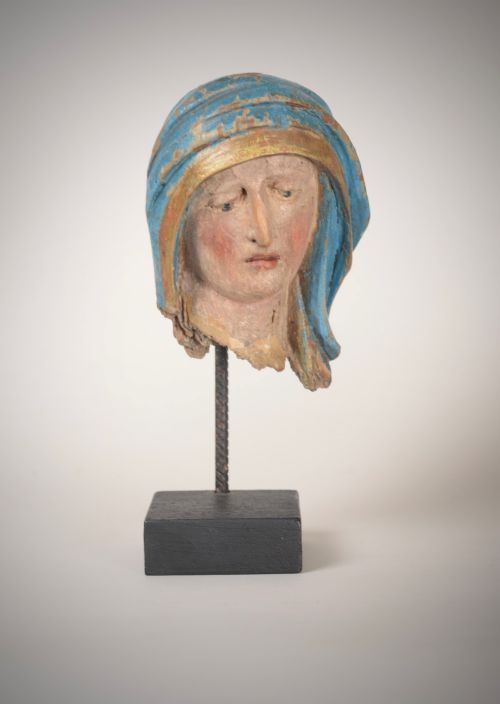
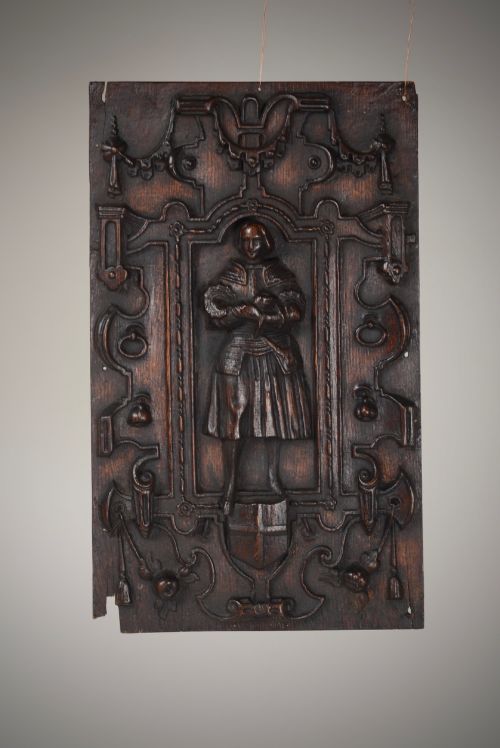
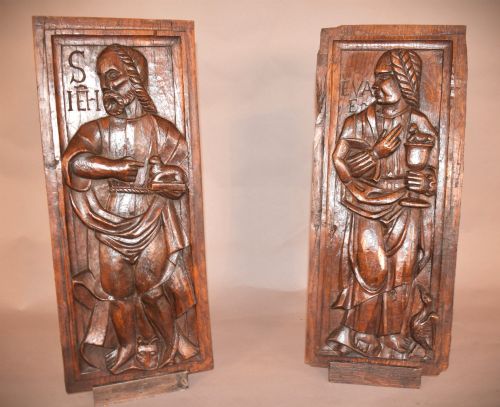
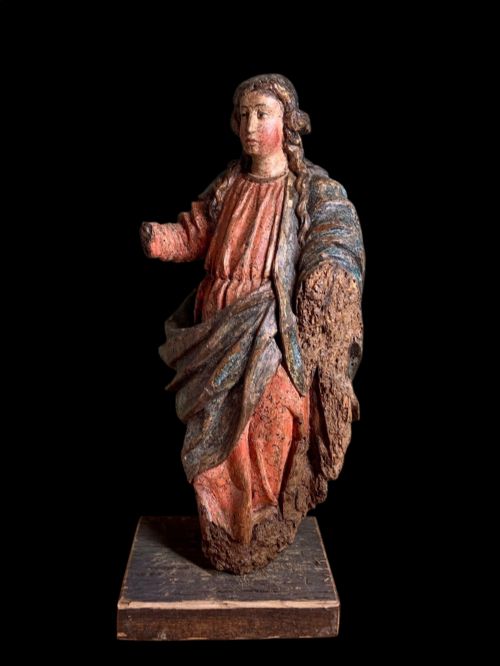
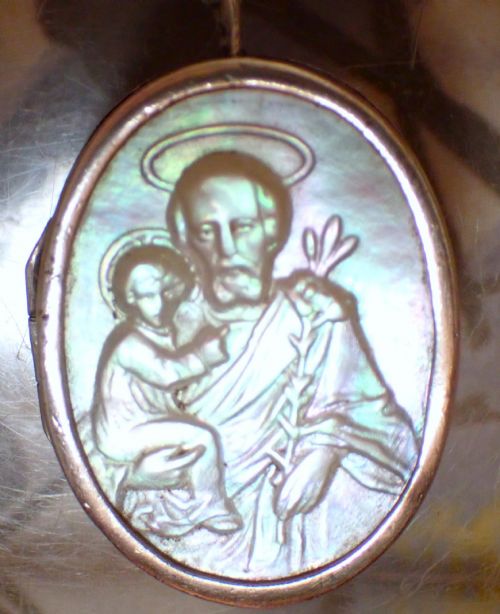
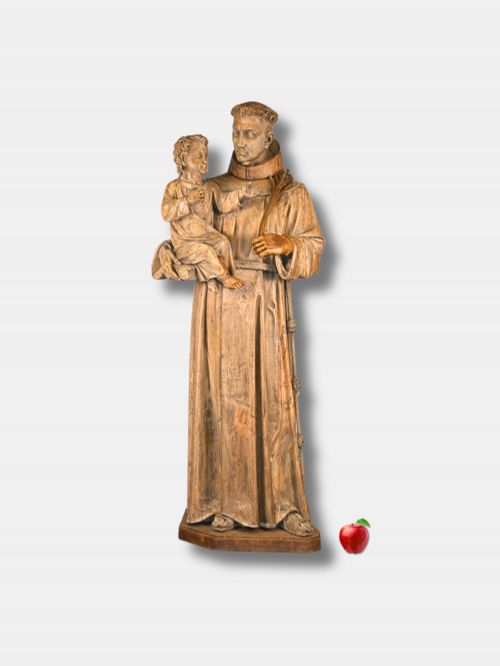
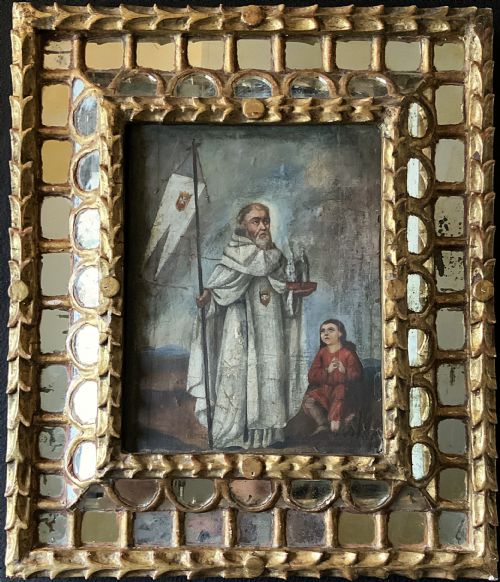
When you search for an antique carved saint, you encounter devotional wooden sculptures, panels and ecclesiastical busts originating from European churches, domestic shrines and religious communities. These figures represent venerated historical and biblical personalities including the Virgin Mary, Saint John, Saint Jerome and regional protectors.
The pieces on this page span from pre-sixteenth century medieval fragments up to later revival interpretations and twentieth-century folk art. Figures appear standing, seated or integrated into architectural panels, reflecting the changing stylistic demands of Gothic, Renaissance and Baroque workshops.
Materials and construction methods
Carvers shaped these sculptures from dense hardwoods such as oak, limewood and assorted regional timbers, working with chisels and gouges to define drapery folds, facial expressions and anatomical details. Grain direction dictated the depth of relief and the stability of the final form over centuries.
Surfaces frequently received applications of gesso, followed by polychrome paint and gold leaf to heighten visual impact under candlelight. Pigments adhered to preparatory grounds, whilst gilding added a luminous aura to vestments and halos.
Listings span multiple centuries, ranging from pre-sixteenth century medieval church figures to twentieth-century folk art pieces.
Distinguishing quality in carved figures
Preservation of original surface treatments also dictates worth, as unpainted timber surfaces compare differently to pieces retaining substantial portions of early polychrome paint and gilding. The survival of original gesso layers beneath later overpaint influences the structural integrity and historical honesty of the object.
Franz Keller
The Antique Carved Saint Glossary
- Polychrome
- Decoration consisting of several colours applied to wood or stone sculpture. This technique was standard for medieval and baroque church figures to simulate lifelike appearance.
- Gesso
- A plaster mixture used as a smooth base for paint or gold leaf application on wooden carvings. It sealed the timber grain before gilding.
- Giltwood
- Wood that has been treated with a thin layer of gold leaf or powder. It catches candlelight within ecclesiastical interiors.
- Capipote
- A Spanish processional statue with a carved head and hands attached to a hidden skeletal wooden framework. The body frame was traditionally dressed in real textiles.
- Limewood
- A fine-grained, pale wood favoured by European carvers for intricate detail work. It resists splitting and holds sharp chisel edges well.
Antique Carved Saint: Frequently Asked Questions
What is a capipote figure?
A capipote is a specific type of Spanish processional sculpture featuring detailed carved wooden heads and hands mounted on a hidden structural framework. These figures were designed to be dressed in elaborate real garments for religious processions.
The exposed carved elements display the artistry of regional workshops, whilst the concealed armature kept the weight manageable for those carrying the sculpture through streets during festivals.
How can I date an antique carved saint?
Dating relies on stylistic clues such as the heavy drapery folds of Gothic carving versus the dynamic movement of Baroque figures. Tool marks, wood species and the composition of underlying gesso layers also provide chronological indicators.
Examining the back of the sculpture often reveals whether it was carved in the round for an altar or flattened for placement against a wall or architectural panel.
Were these figures always painted?
Many ecclesiastical sculptures received vibrant polychrome paint and gold leaf finishes to enhance their dramatic presence in dimly lit churches. Some figures were left as exposed natural oak or limewood, depending on regional tastes and the period of creation.
Over the centuries, many painted surfaces underwent repainting or stripping, meaning the current exterior may reflect later restoration campaigns rather than original workshop finishes.
How do I display a carved wooden saint?
These sculptures require stable indoor environments away from direct sunlight, excessive heat sources and sudden humidity fluctuations that cause wood to crack. Placing them on sturdy shelves, brackets or dedicated mountings ensures their physical security.
Allowing adequate clearance around the sculpture lets you appreciate the depth of the carving and any surviving surface gilding from multiple angles.