

Antique Carved Jade
Antique carved jade unites centuries of mineral artistry in small figures, vessels and jewellery that collectors prize for their tactile weight and mineral depth.
Antique Carved Jade
When you search for antique carved jade, you encounter objects shaped from dense tremolite and pyroxene minerals across periods ranging from the Ming Dynasty through to the mid-twentieth century.
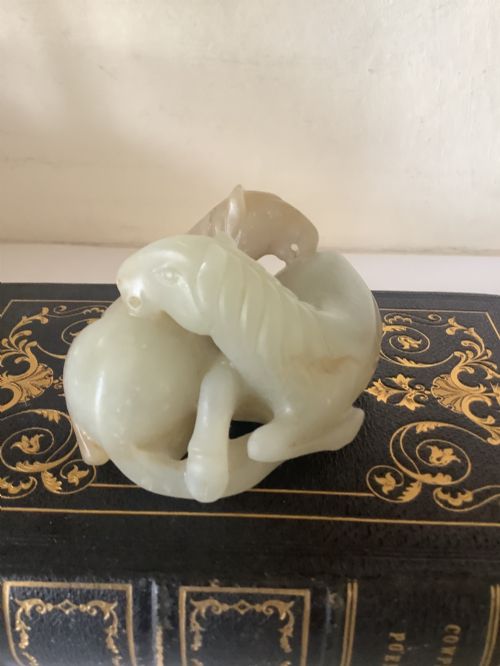
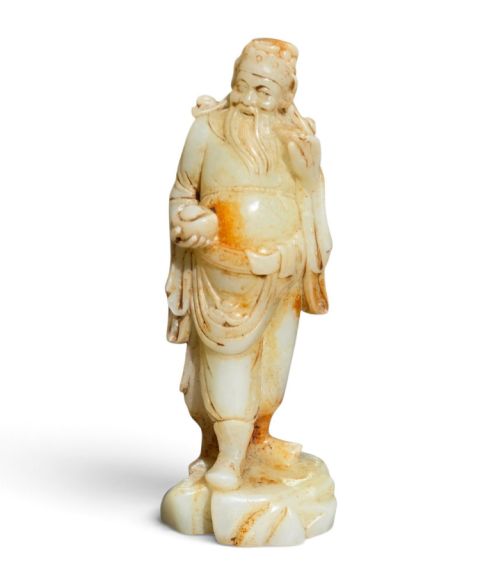
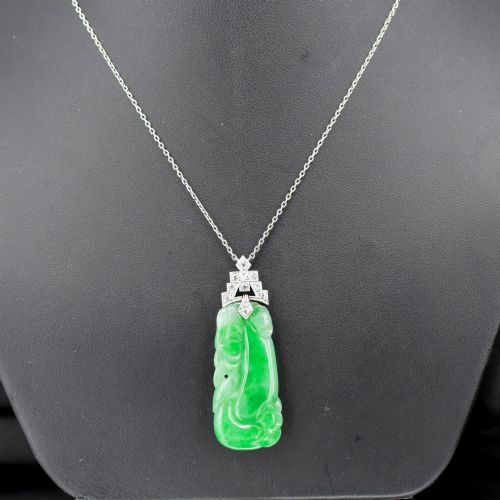
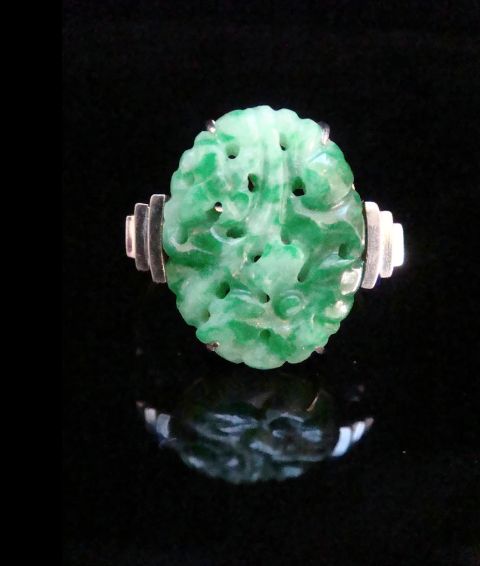
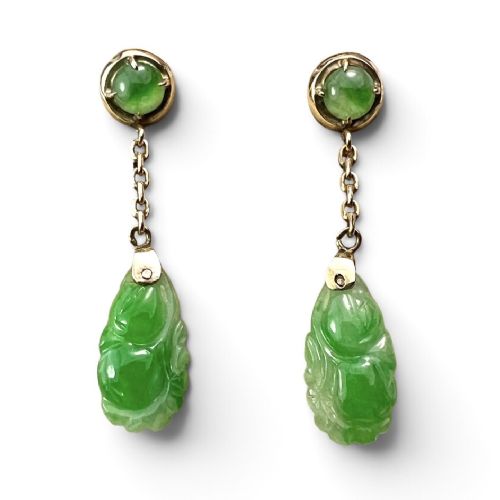
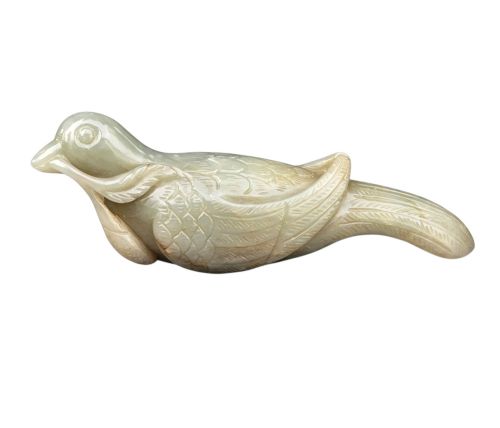
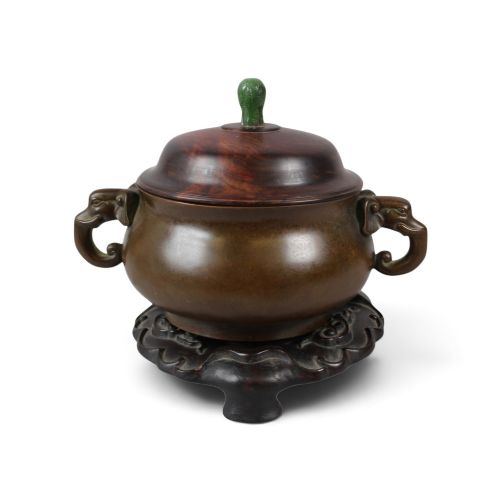
The most common forms on this page include pendants, rings, earrings and bead necklaces, alongside scholar's items like brush washers, water birds and incense burners.
Chinese examples dominate the selection, spanning Qing Dynasty workshops, the Republic Period, and later Art Deco interpretations mounted in platinum or gold.
How they were made
Carving jade requires abrasive sand and rotary tools rather than direct steel blades because the material possesses an interlocking fibrous crystal structure that resists standard cutting.
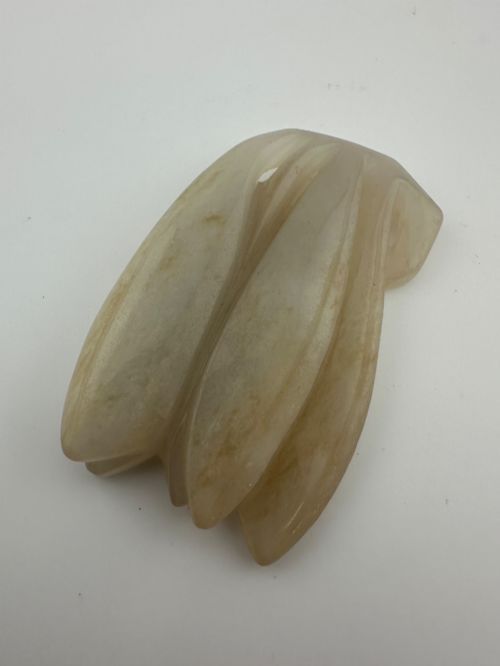
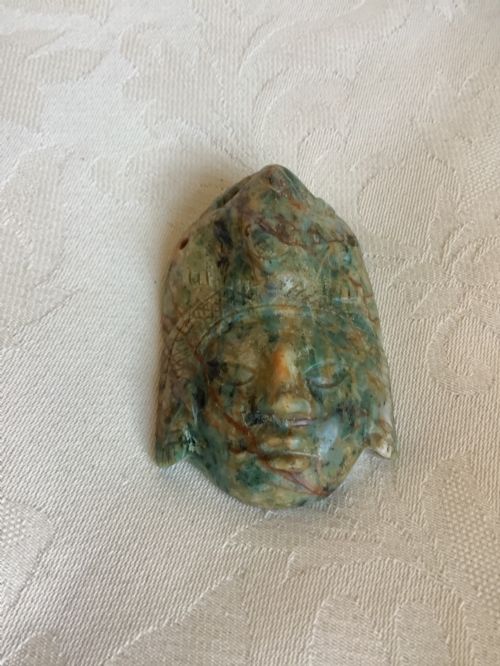
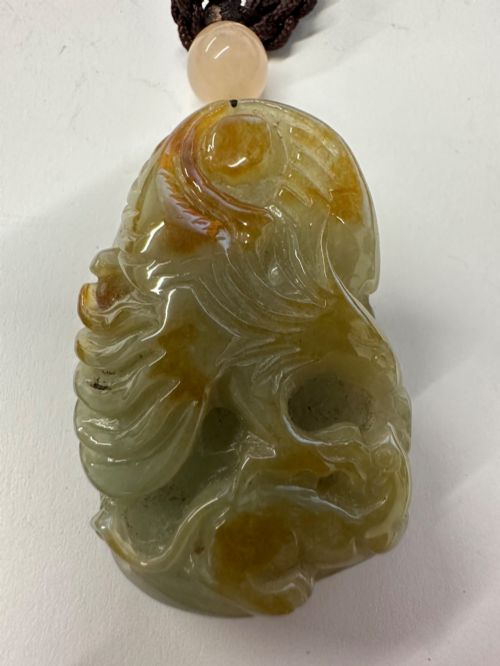
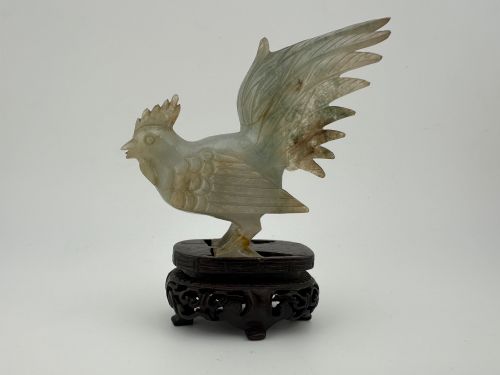
Craftsmen shaped nephrite and jadeite from raw boulders, often preserving the natural russet or brown skin of the stone to accentuate animals, fruit or figures.
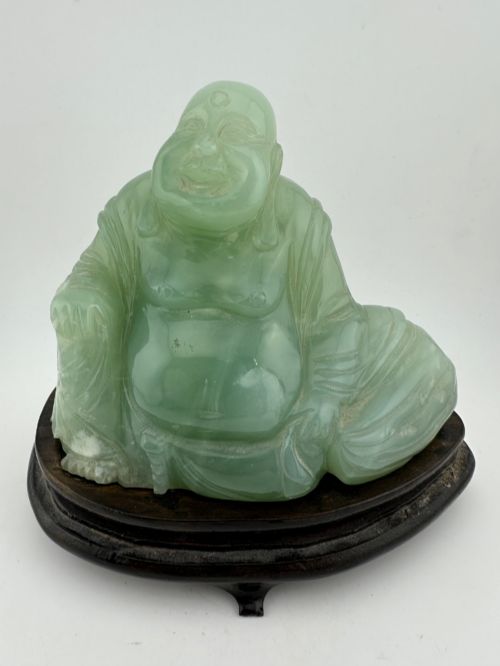
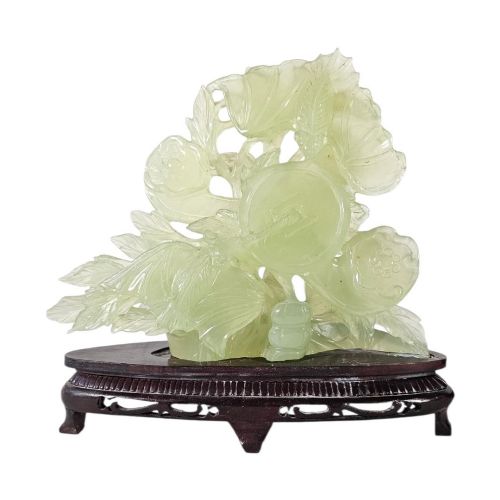
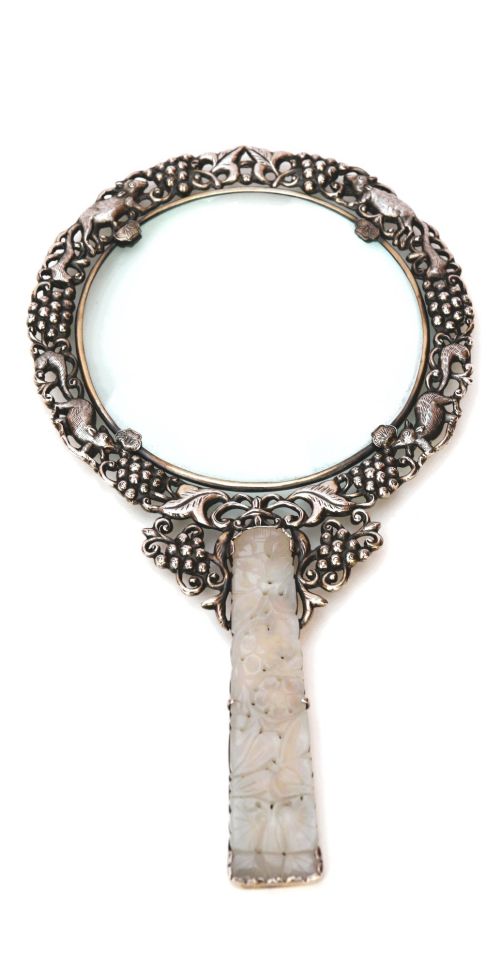
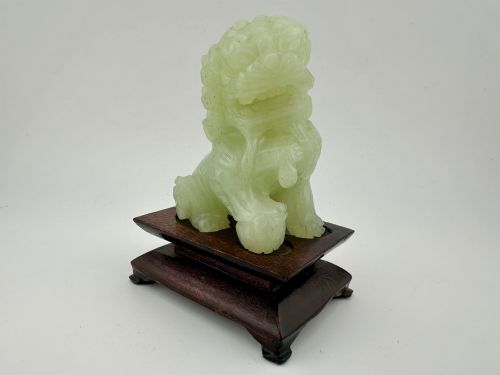
Many sculptures rest upon custom carved hardwood stands, whilst jewellery pieces integrate platinum, sterling silver, yellow gold, diamonds and pearls.
Antique Carved Jade Retail Price Guide 2026
Typical asking prices for carved jade among the pieces listed under this phrase on Sellingantiques today, from the lower quarter to the upper quarter. They describe what is for sale here now, not the wider market.
What varies in quality
Quality rests upon the fineness of the mineral grain and the fluidity of the carving relative to the natural contours of the stone.
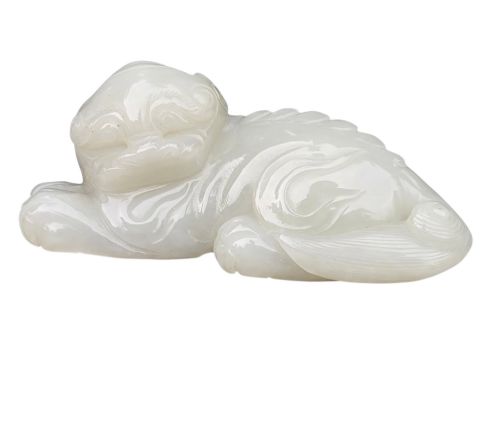
Superior pieces display crisp undercut details in complex motifs like dragons, phoenixes or immortals without masking natural inclusions or poor translucency.
The Antique Carved Jade Glossary
- Nephrite
- A compact, amphibole mineral that forms one of the two distinct mineral species classified as jade. It possesses a tough, fibrous matrix that withstands intricate carving.
- Jadeite
- A pyroxene mineral forming the second primary species of jade, noted for its crystalline sparkle and range of vivid green, lavender and white tones.
- Celadon
- A pale grey-green glaze or stone colour resembling green jade, frequently associated with scholar's objects and vessels from the Qing Dynasty.
- Archaistic
- A design style that deliberately imitates the ritual bronze forms, taotie masks and decorative motifs of ancient dynasties.
- Bi
- A flat circular jade disc with a circular hole in the centre, traditionally used as a ceremonial or auspicious object.
Antique Carved Jade: Frequently Asked Questions
How do I tell nephrite from jadeite?
Nephrite has a greasy or waxy lustre with an interlocking fibrous structure that makes it extremely tough. Jadeite tends to show a more granular, crystalline texture with vitreous glassy highlights.
Colour distribution also differs, as nephrite often displays muted spinach greens, white or celadon tones, whereas jadeite can exhibit vivid emerald hues and translucent lavender.
How were scholar's objects used?
Scholar's objects served functional and contemplative roles on the desks of traditional Chinese literati. Items such as brush washers, water droppers and miniature mountains aided calligraphy and meditation.
Carved from pale celadon or white jade, these pieces invited close tactile inspection and reflection during quiet study.
How do I care for antique jade jewellery?
Jade is a durable mineral but benefits from gentle handling and storage away from harder gemstones that might scratch the surface. Clean pieces using warm soapy water and a soft cloth, avoiding harsh chemical ultrasonic cleaners.
Ensure that mounted items in gold or platinum are checked periodically to confirm the security of the stone settings.