


Antique Carved Head Ring
An antique carved head ring brings miniature portraiture and carved hardstones to the hand, offering a tangible link to Victorian and Edwardian craftsmanship.
Antique Carved Head Ring
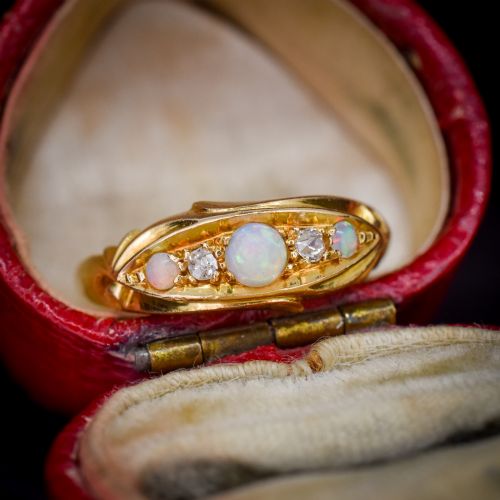
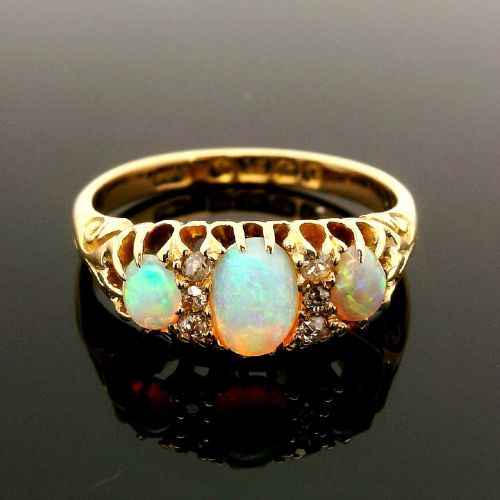
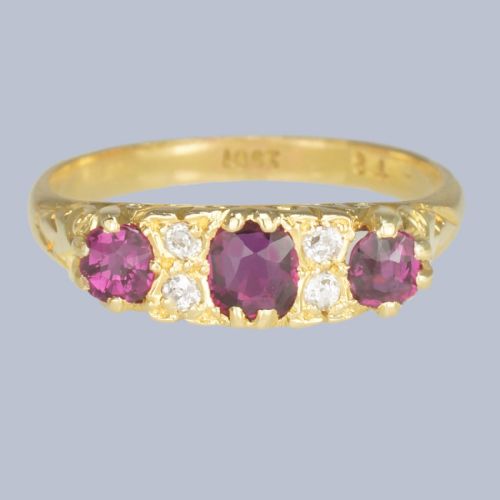
The most common forms on this page pair carved hardstone or shell cameos with 9ct gold or rose gold settings, though buyers also encounter gem-set boat rings alongside these figural designs. The makers utilised traditional goldsmithing techniques of the period, incorporating securely bezel-set stones and detailed shoulders.
Origins are rooted in British regional assay offices such as Birmingham and Chester, as hallmarked on the precious metal bands of the period. Collectors appreciate the intimate scale of these rings and the precise hand-carved detail found in the miniature profiles.
How they were made
The materials centre on 18ct yellow and rose gold, paired with hardstone or shell for the carved cameos and accented by old cut diamonds, sapphires, rubies, and opals. Goldsmiths shaped the precious metal using traditional casting and hand-forging methods before setting each gemstone by hand.
Carving the hardstone requires meticulous hand-chiselling to achieve high-contrast layers in agate or onyx, ensuring the profile stands out crisply from the darker background. Mounts often feature polished bezels and structural shoulders soldered securely to the band.
Some Victorian wearers kept tiny carved profiles close as secret tokens, treating their fingers as moving portrait galleries.
What varies in quality
Proportion and weight in the 18ct gold shank indicate the original standard of production, as heavier bands endure daily wear far better than thinner ones. Hallmarks that remain sharp and legible confirm that the metal has not suffered from excessive polishing over the decades.
The Antique Carved Head Ring Glossary
- Cameo
- A method of carving an object such as an engraved gem or piece of hardstone where a raised relief image is created from a contrasting background layer.
- Hardstone
- A term for semi-precious stones like agate, onyx and jasper utilised by lapidaries for detailed miniature carvings.
- Boat ring
- A ring style featuring a curved, boat-shaped setting that traditionally houses a row of graduated gemstones across the finger.
- Old cut
- A diamond cutting style typical of the Victorian and Edwardian periods, characterised by a smaller table, higher crown and open culet.
- Assay
- The official testing of precious metals to determine their purity, resulting in hallmarks stamped into the gold band.
Antique Carved Head Ring: Frequently Asked Questions
How do I care for an antique carved head ring?
Clean these rings gently using a soft brush and warm soapy water, avoiding harsh ultrasonic cleaners that can loosen glued stones or damage delicate hardstone settings. Store them separately in a lined box to prevent scratching against other jewellery.
Because the gold and carved stone are antique, remove the ring during heavy manual work or gardening to protect the fine details of the portrait.
Can I wear my ring every day?
Many people wear these rings daily, provided the setting is secure and checked regularly by a professional jeweller for any looseness in the claws or bezel. Hardstone is relatively durable, but shell cameos require greater care against impacts.
Consider the thickness of the 18ct gold band when deciding on frequency of wear, as very slender shanks benefit from occasional rest or careful rebuilding.
How do I identify the period of a ring?
Examine the metal hallmarks for town marks and date letters that correspond to British assay office records from Birmingham or Chester. Stylistic clues such as the boat setting or the specific style of old cut diamonds also point toward Victorian or Edwardian manufacture.
Comparing the mount construction with documented examples from the late nineteenth century helps confirm the era of production.
What is hardstone compared to shell?
Hardstone typically uses layered chalcedony, agate or onyx, where the carver cuts through an upper colour stratum to reveal a contrasting base colour underneath. Shell cameos rely on the natural colour zones of sea shells, which are softer and show a translucent quality.
Both materials produce distinct profiles, but hardstone offers greater resistance to scratching during long-term wear.