


Victorian Sapphire Cluster Ring
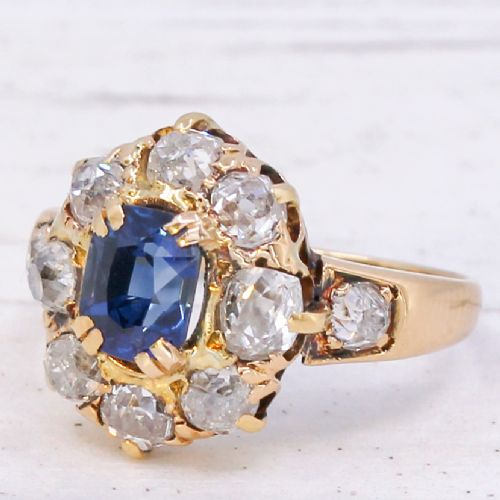
A victorian sapphire cluster ring brings together deep blue gems and sparkling diamonds in an enduring design built to last.
Victorian Sapphire Cluster Ring
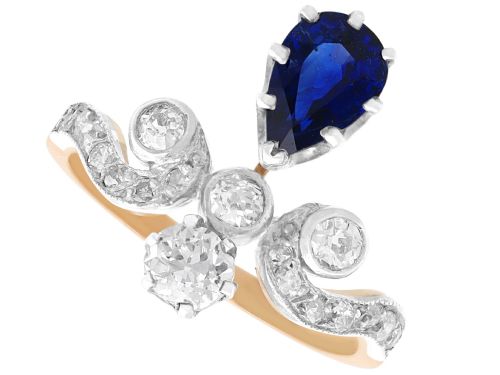
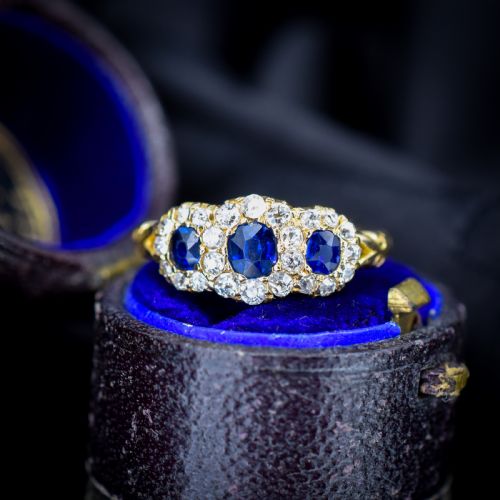
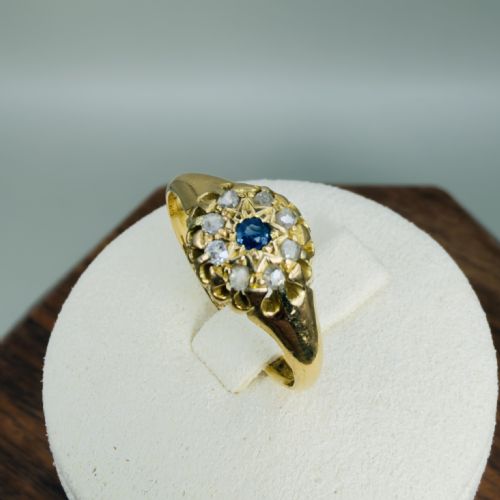
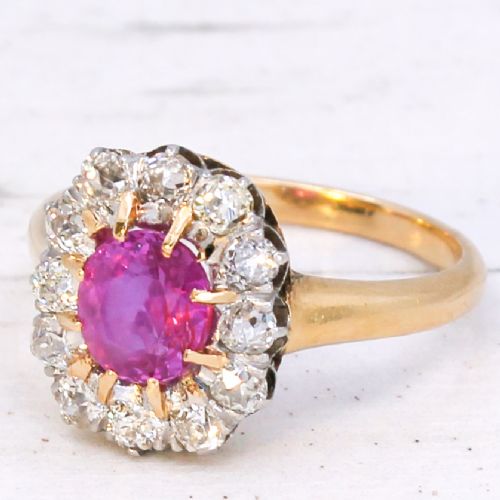
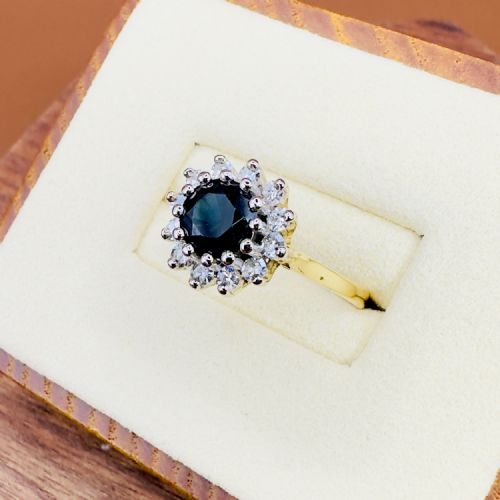
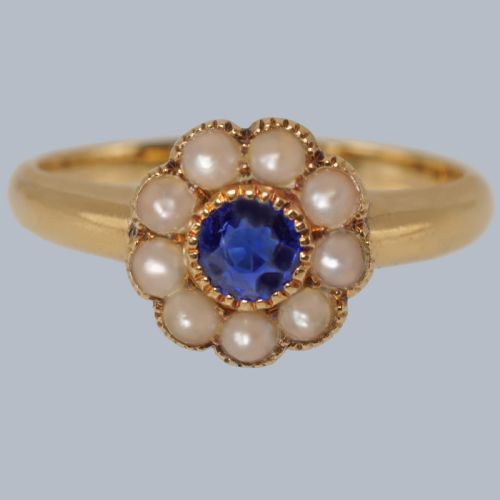
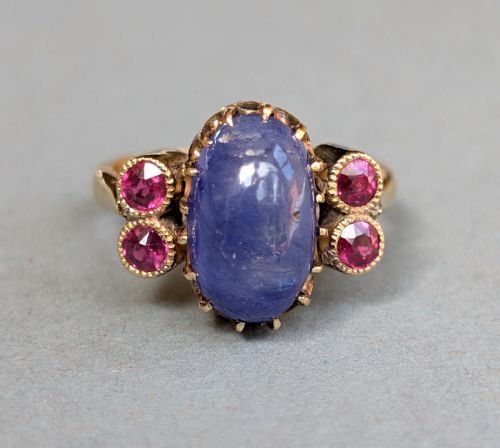
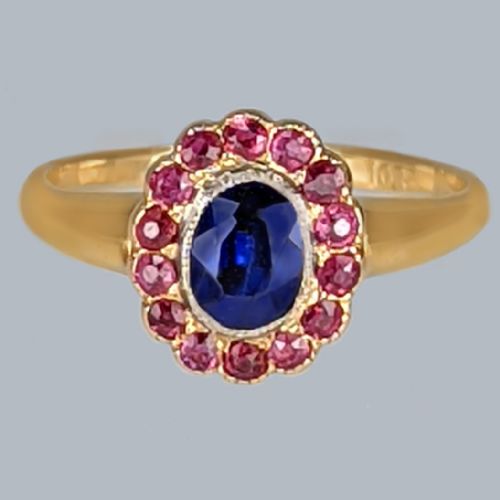
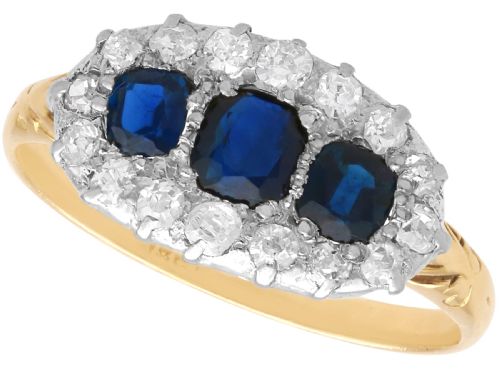
When searching for a victorian sapphire cluster ring, buyers encounter a specific arrangement where a central sapphire is surrounded by a border of smaller diamonds or pearls.
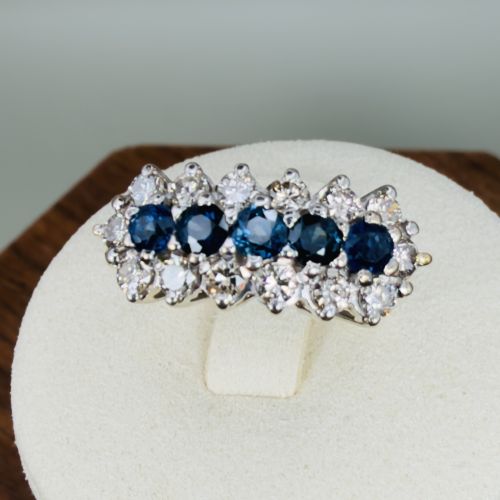
The selections span from late nineteenth-century examples to later twentieth-century revivals, maintaining the traditional clustered silhouette on the finger.
Most pieces utilise yellow gold settings, frequently cast in eighteen carat gold to house the central stones securely.
Materials and construction
Goldsmiths constructed these rings primarily using yellow gold and silver-topped gold settings to enhance the brilliance of old cut diamonds.
Stones such as sapphires, rubies, and split pearls were meticulously set by hand into cluster arrangements, boat shapes, and marquise outlines.
A few rings spell out secret messages in gemstones, turning pet names into wearable poetry.
Judging the range
Differentiation across the range depends largely on the origin and treatment status of the sapphire, with unheated stones commanding significant attention.
The cut and clarity of the surrounding diamonds, alongside the weight and preservation of the gold mount, define the upper tiers of craftsmanship.
The Victorian Sapphire Cluster Ring Glossary
- Cluster ring
- A ring featuring a prominent central stone encircled by a geometric border of smaller gems. This configuration maximises visual presence on the hand.
- Old cut diamond
- A diamond cut by hand before modern machinery, characterised by a smaller table, higher crown, and open culet. These stones display a softer candlelight sparkle.
- Split pearl
- A natural pearl sliced in half and glued to a backing or set into a closed mount. They were frequently utilised in Victorian multi-stone designs.
- Marquise cluster
- A boat-shaped cluster setting pointed at both ends, designed to elongate the appearance of the finger. This silhouette appears frequently in late nineteenth-century jewellerry.
Victorian Sapphire Cluster Ring: Frequently Asked Questions
Can I wear my ring daily?
These rings survived more than a century because people wore them regularly, though modern wearers should remove them during heavy manual tasks to protect the older gold settings.
Regular checks by a jeweller ensure the claws holding the sapphire and diamonds remain tight and secure.
How do I clean my ring?
Warm soapy water and a soft brush remove everyday oils from beneath the sapphire and diamond cluster without harming the antique metal.
Harsh chemical dips and ultrasonic cleaners should be avoided, particularly with rings containing pearls or treated stones.
What does unheated mean?
An unheated sapphire has not undergone thermal enhancement to improve its natural colour or clarity since leaving the mine.
Such stones are evaluated for their pure geological origins and hold particular interest for collectors.
How are different periods identified?
Stylistic shifts, such as the transition from Victorian heavy gold mounts to Edwardian lacy platinum work, help date specific examples alongside hallmarks.
Examination of the diamond facets provides further clues regarding the era of manufacture.