


Antique Carved Hanging Mirror
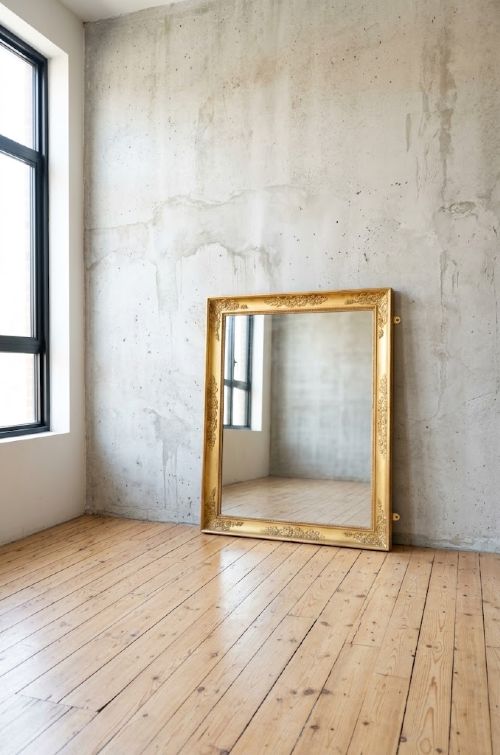
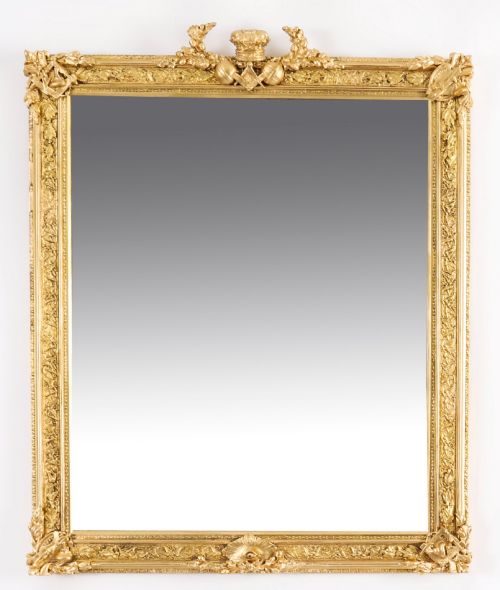
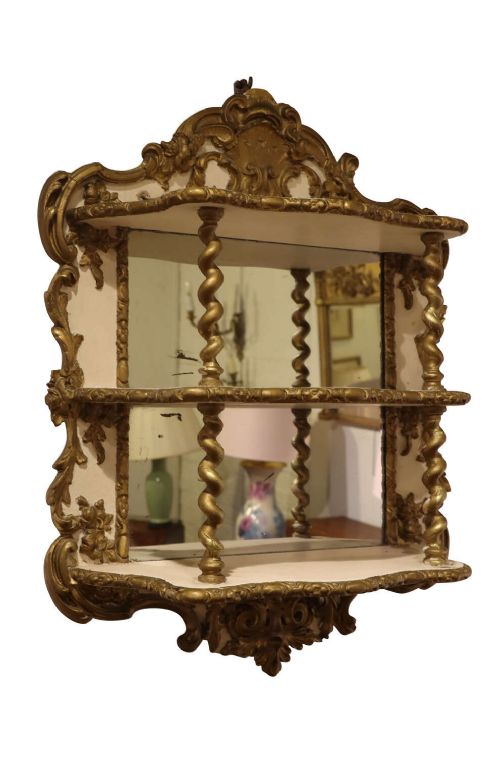
An antique carved hanging mirror brings depth and historic presence to a room, catching the light through plates shaped by centuries.
Antique Carved Hanging Mirror
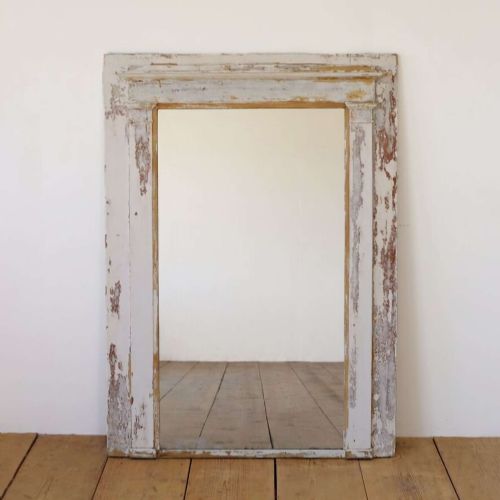
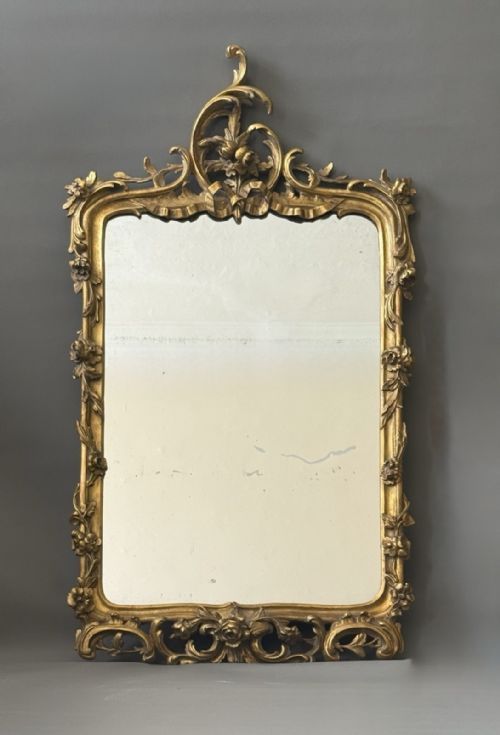
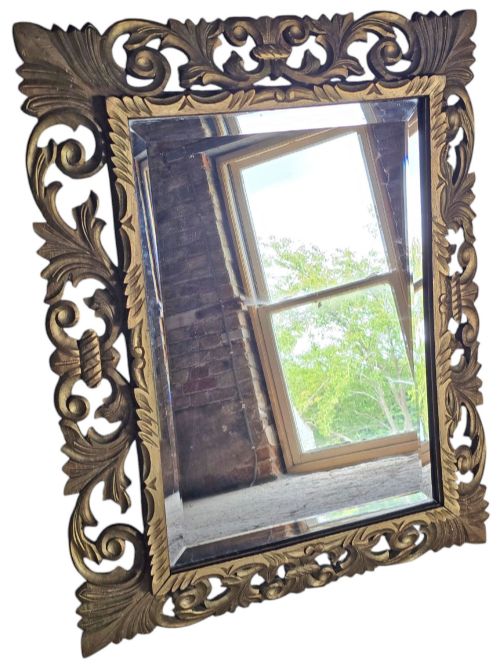
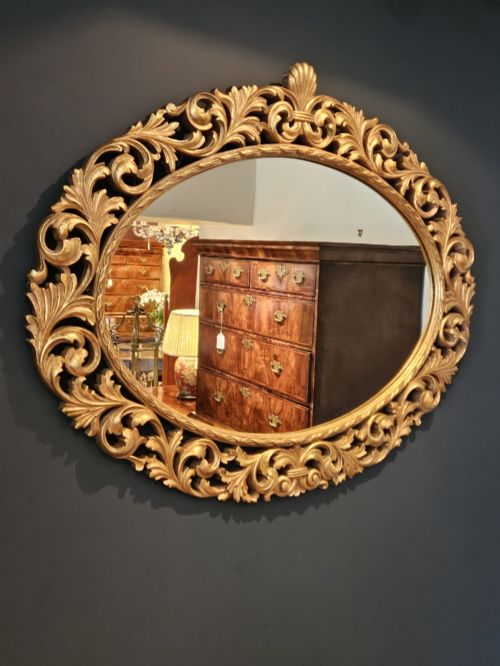
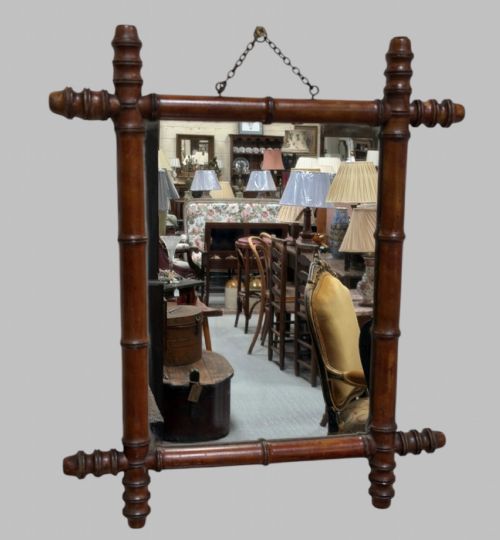
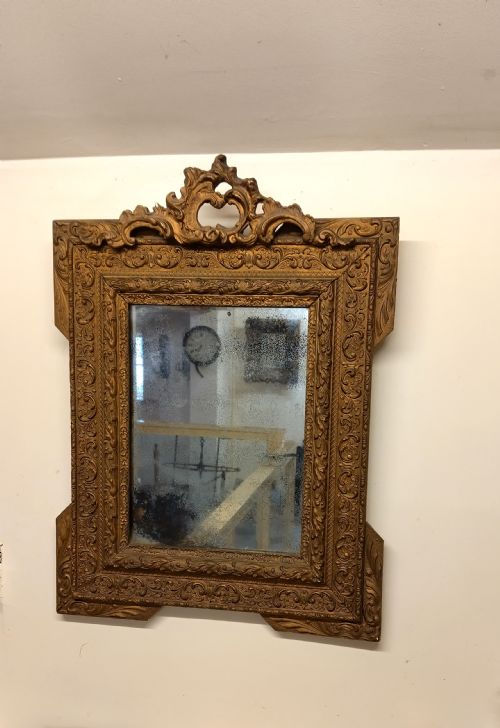
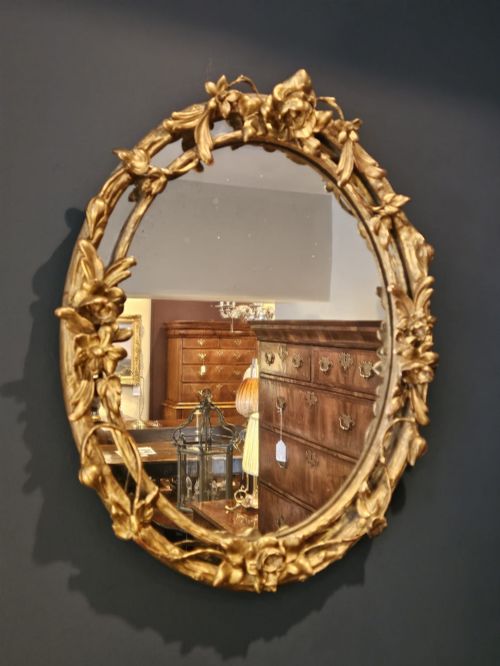
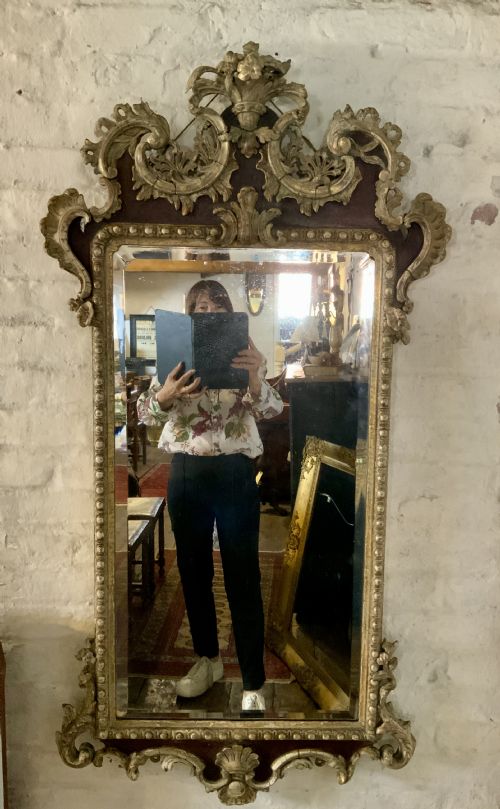
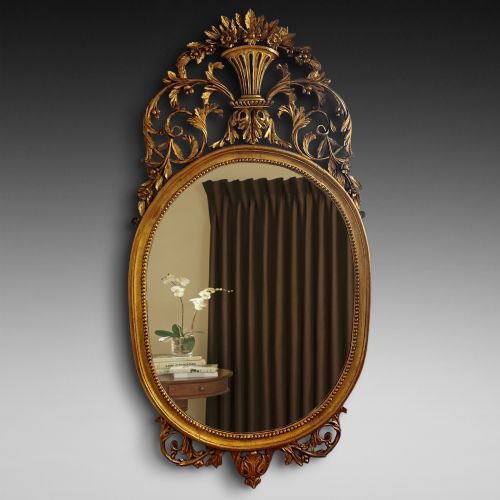
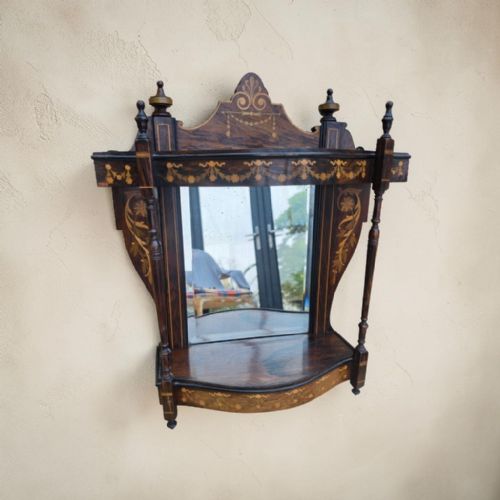
When you search for an antique carved hanging mirror, you encounter wall-mounted looking glasses framed in timber, giltwood, and gesso. These pieces span the eighteenth, nineteenth, and early twentieth centuries, reflecting Georgian restraint, Victorian exuberance, and French Rococo influence.
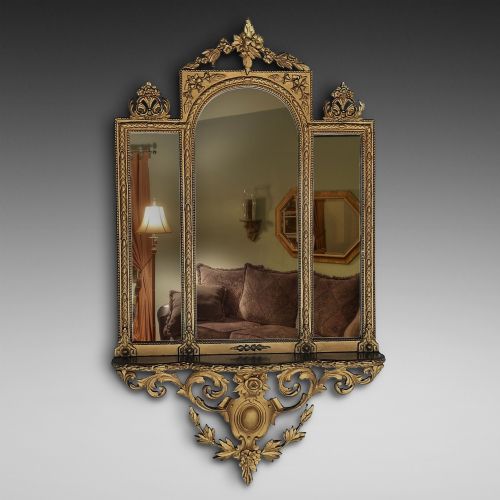
The most common examples on this page are nineteenth-century Victorian and French gilt mirrors, alongside Georgian and Edwardian designs. They appear in oval, rectangular, and overmantle formats, frequently incorporating carved floral motifs, scrolls, and gilt finishes.
Beyond standard wall mirrors, related forms include pier mirrors, dressing mirrors, and architectural overmantles designed to anchor a principal room. Their primary function remains unchanged: to illuminate dark corners and provide a decorative focal point.
How they were made
Carvers shaped frames from solid woods such as oak, walnut, and mahogany, or applied layers of gesso onto a timber base to receive intricate sculptural detail. Gilders then applied gold leaf or silver-gilt over the prepared surfaces, burnishing the metal to achieve a bright or mellow sheen.
Mirror plates were hand-cut and silvered using traditional methods, often resulting in minor imperfections, foxing, or engraved designs that distinguish older glass from modern replacements. Frames were joined using period techniques, and secondary woods on the reverse help confirm the era of construction.
Freemasonic symbols and rustic horseshoe tack racks occasionally join the grand gilt overmantles, proving that Victorians framed everything.
What varies in quality
Quality rests in the crispness of the carving and the depth of the gilding, where hand-tooled gesso and finely carved wood outshine mechanical repetition. The integrity of the plate matters equally, as original antique glass carries an undulating surface and soft reflectivity absent in modern float glass.
Proportion and structural balance separate standard utilitarian pieces from exceptional examples commissioned for grand interiors. Original backboards, undisturbed gilding, and well-executed joinery indicate superior workshop origin and careful preservation.
The Antique Carved Hanging Mirror Glossary
- Giltwood
- Wood coated with gold leaf or metallic powder applied over a prepared ground. This finish defines the ornate frames typical of Rococo and Victorian wall mirrors.
- Gesso
- A plaster-like mixture applied to wood frames to create a smooth surface for carving and gilding. It allows for sharp, intricate relief work.
- Overmantle
- A large mirror designed to hang specifically above a fireplace mantelpiece. These pieces often feature wide proportions to reflect the hearth.
- Pier glass
- A tall, narrow mirror designed to hang on the wall space between two windows. They frequently sat above matching console tables.
- Foxing
- Small dark spots or brownish discolouration within the silvering of antique mirror glass. This occurs naturally as oxidation affects the backing over time.
- Parcel gilt
- A decorative technique where only specific portions of a wooden or painted frame are gilded. It creates contrast between the exposed wood grain and the gold leaf.
Antique Carved Hanging Mirror: Frequently Asked Questions
How do I hang a heavy antique mirror?
Heavy frames require fixings secured directly into wall studs or masonry rather than standard plasterboard hooks. Professional mirror hangers utilise weight-rated brackets that distribute the load safely.
Ensuring the hanging wire or integrated D-rings on the reverse match the total weight prevents structural strain on the antique frame.
Are the mirror plates original?
Many pieces retain their original glass, identifiable by slight distortions, minor surface scratches, and occasional foxing. Replacement plates usually appear noticeably flatter and clearer.
Examining the silvering from the reverse and checking for edge wear helps determine whether the glass dates to the same period as the frame.
How do I clean an antique gilt frame?
Dusting requires a soft-bristled brush to prevent dislodging delicate gesso or flaking gold leaf. Moisture and chemical cleaners damage historic gilding instantly.
Keeping the frame away from direct sunlight and damp environments preserves the stability of the wood and the integrity of the metallic finish.
How do I tell Victorian mirrors from Georgian ones?
Georgian mirrors typically exhibit restrained symmetry, classical motifs, and mahogany or walnut primary woods. Victorian pieces often display heavier ornamentation, elaborate floral carvings, and bright gilt gesso.
Looking at the construction of the backboards and the style of the carving reveals the stylistic shifts between these eras.