


Antique Carved Dresser
When you search for an antique carved dresser, you find robust wooden storage pieces built with intricate ornamentation that anchor a traditional dining room or hallway.
Antique Carved Dresser
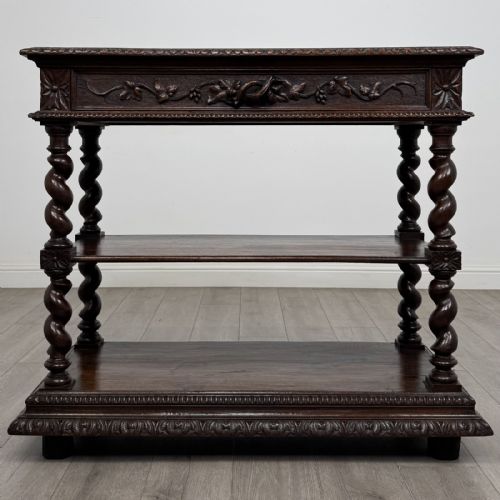
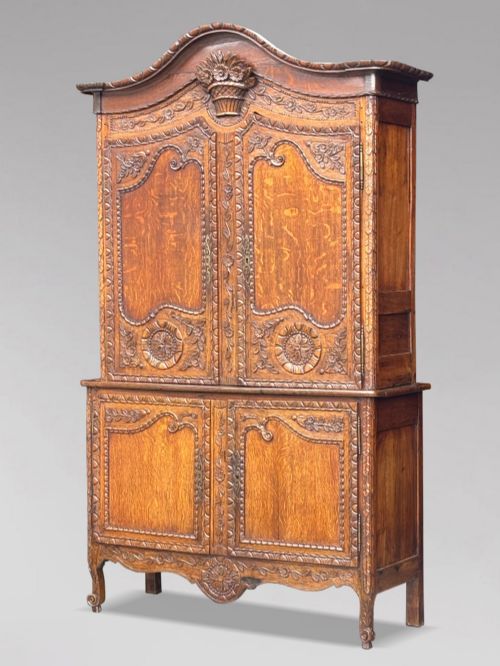
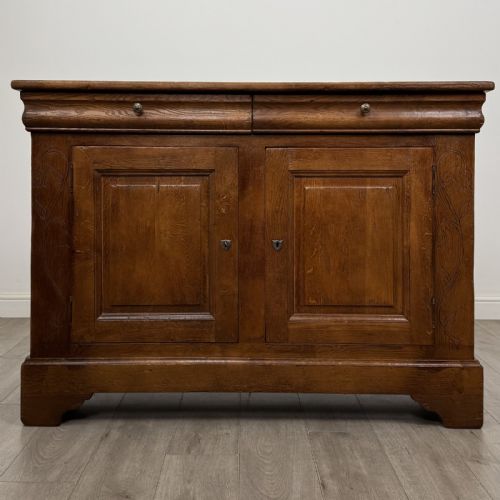
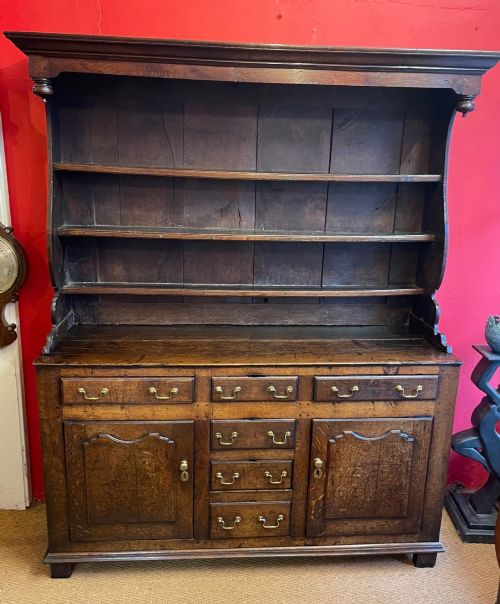
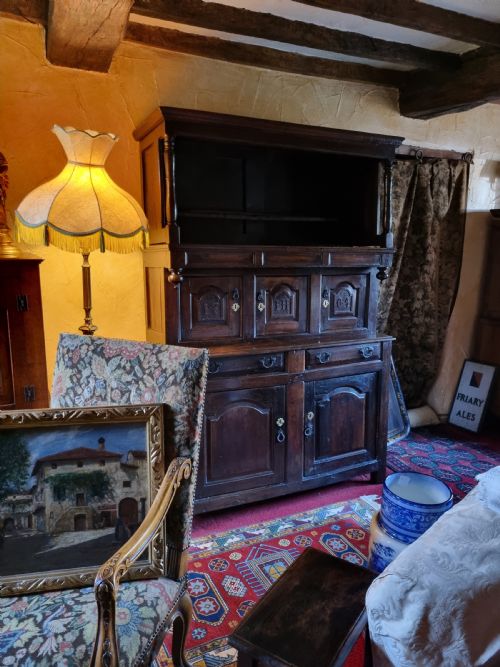
An antique carved dresser brings centuries of woodworking heritage into a modern interior, functioning primarily as a substantial storage unit with display capability. Buyers hunting for this specific phrase typically encounter sturdy oak dresser bases, sideboard hybrids, and heavy panelled cupboards originating from periods spanning the seventeenth century through to the Edwardian era.
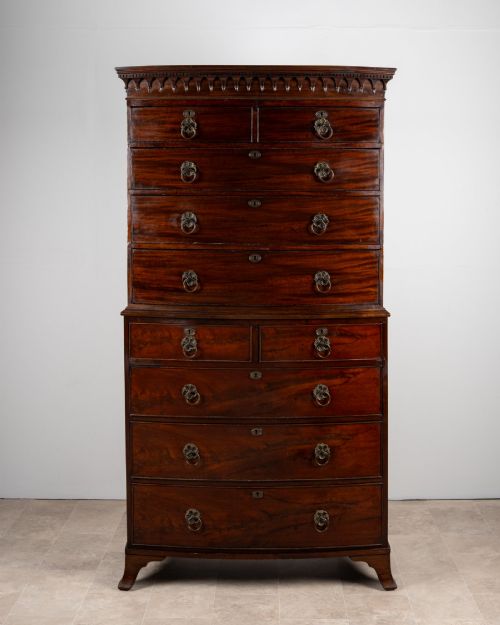
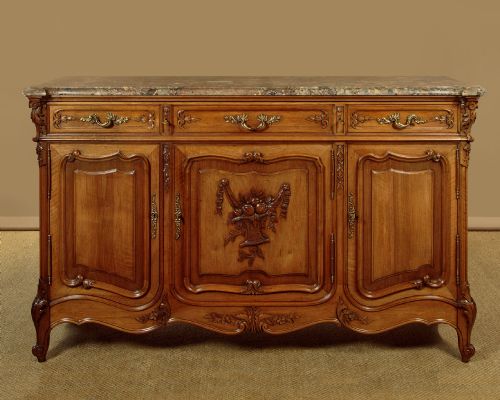
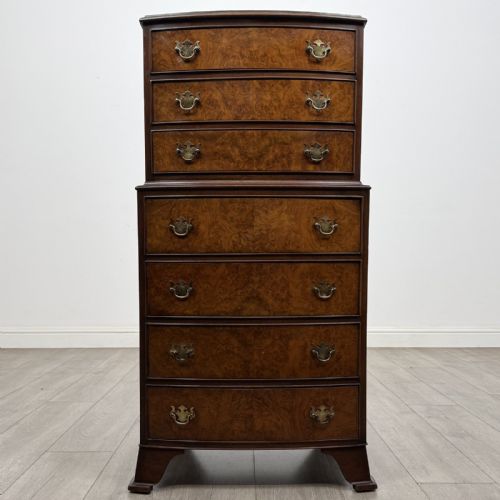
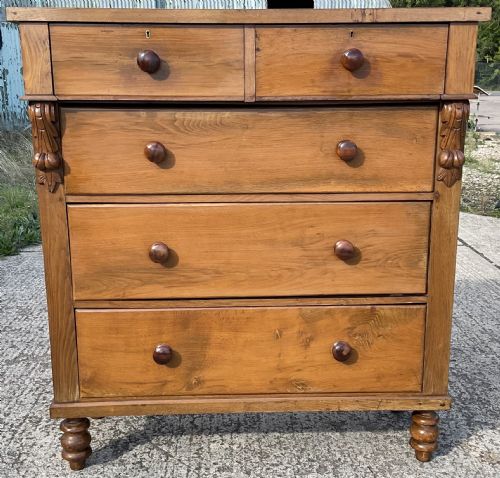
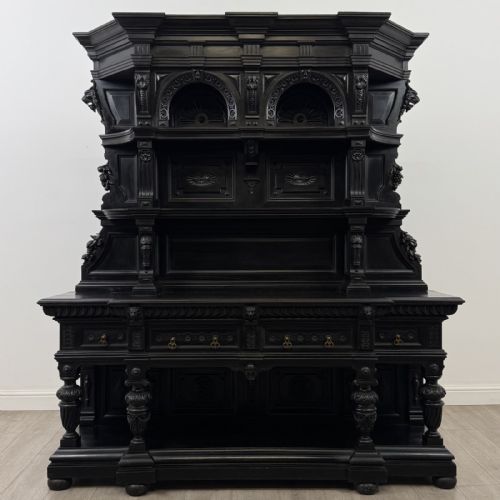
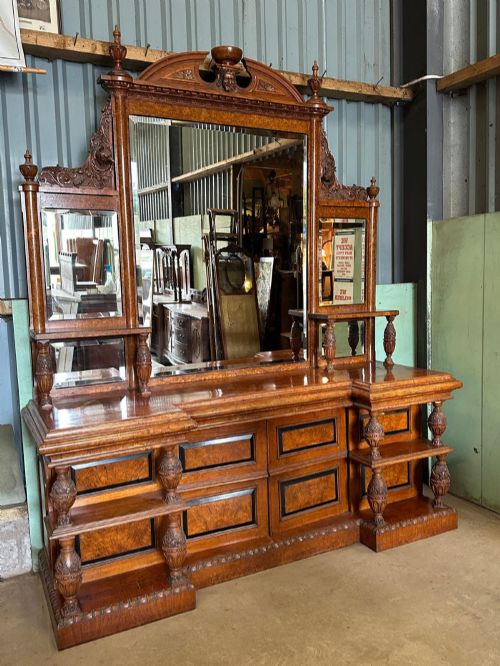
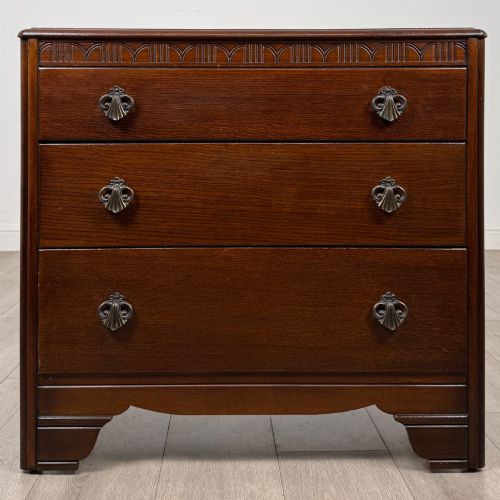
The selection on this page leans heavily towards robust oak examples influenced by Jacobean, Gothic Revival, and Arts and Crafts movements. Alongside traditional base units, the listings include related forms such as mahogany chests of drawers, walnut sideboards, and mirror-backed display pieces reflecting diverse regional aesthetics.
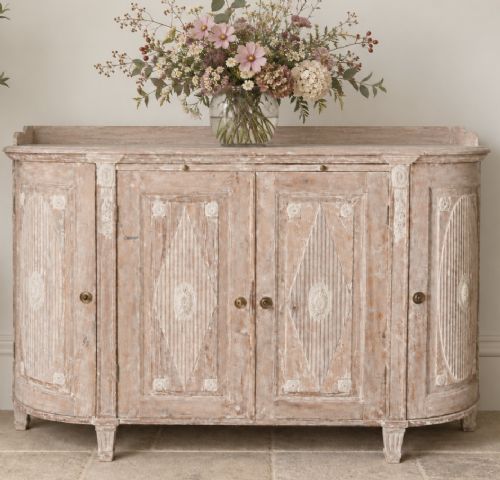
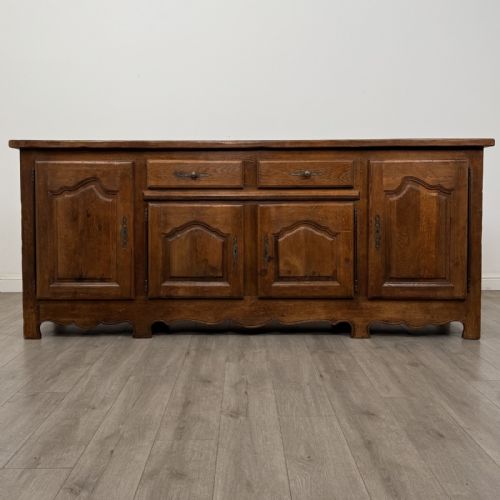
Origin details in the evidence point to British craftsmanship alongside French iterations like bleached oak enfilades and cherry bombe chests. Whether selecting a small seventeenth-century dresser base or a later revival sideboard, each piece offers deep drawers and heavy framework suited to daily service.
Materials and Construction
Solid timber forms the structural core of these items, with oak, mahogany, walnut, and cherry dominating the evidence. Cabinetmakers utilised sturdy hardwoods to withstand deep hand-carving, applying fielded panels, carved stretcher bases, and raised galleries to add architectural depth.
Metal hardware such as brass handles and iron fittings secure the functional elements, while glass appears in display cabinets and mirror plates are fitted to Victorian backboards. Joinery relied on traditional pegging and frame-and-panel construction to accommodate seasonal wood movement without compromising the carved decoration.
Antique Carved Dresser Retail Price Guide 2026
Typical asking prices for carved dresser among the pieces listed under this phrase on Sellingantiques today, from the lower quarter to the upper quarter. They describe what is for sale here now, not the wider market.
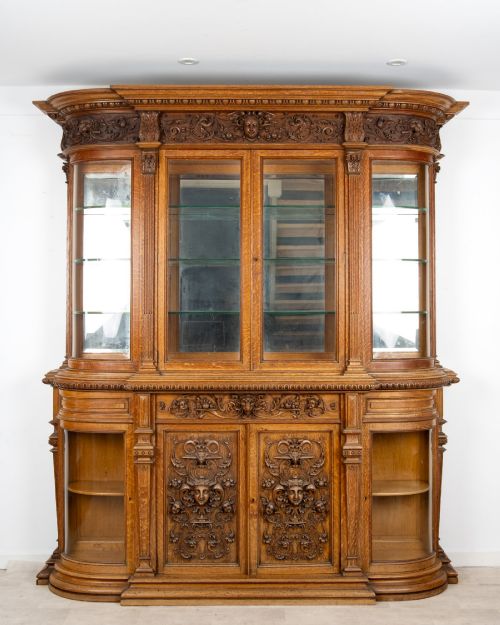
Some Victorian oak cupboards feature hidden green man carvings peering out from the foliage to watch over the dining room.
Evaluating Craftsmanship
Quality rests upon the crispness of the hand-carving and the integrity of the timber selection, distinguishing master workshop output from simpler vernacular work. Fine examples display deeply undercut foliage, distinct green man masks, or precise linenfold panels rather than shallow, mechanical stamping.
The structural honesty of the piece dictates its standing, particularly how well drawers run and whether stretchers and feet remain original to the carcass. Heavier timbers like pollard oak and burr walnut demand exceptional skill in veneering and polishing to ensure the grain patterns remain stable and visually striking over centuries.
Leonard Wyburd for Liberty and Co·Shapland and Petter
The Antique Carved Dresser Glossary
- Dresser base
- A low wooden storage unit featuring drawers and cupboards beneath a flat top, historically used for food preparation and serving in large kitchens.
- Stretcher base
- Horizontal wooden bracing connecting the lower legs of a table or sideboard for added stability and strength.
- Fielded panel
- A wooden panel with bevelled edges set into a frame, designed to reduce warping while adding visual dimension to cabinet doors.
- Raised gallery
- An elevated decorative backboard or rim rising above the top surface of a sideboard or chest to prevent items from sliding off.
- Green man carving
- A sculptural architectural motif depicting a human face entwined with leaves, vines, and branches, commonly found in revival furniture.
- Pollard oak
- Timber taken from trees that were cut back close to the trunk to encourage dense, highly figured growth patterns with rich swirling grain.
Antique Carved Dresser: Frequently Asked Questions
What is an antique carved dresser used for?
These pieces serve as heavy storage furniture in dining rooms, hallways, or living spaces, providing surface area for serving and deep drawers for linens or tableware.
Their substantial construction allows them to anchor a room while keeping household goods organised behind solid wooden doors.
How do I care for antique oak furniture?
Maintain timber pieces by keeping them away from direct heat sources and sudden humidity changes that can cause the wood to split.
Apply a gentle beeswax periodically to nourish the grain and buff it to a soft natural sheen without using harsh chemical polishes.
How can I tell a revival piece from an older one?
Examine the tool marks, timber shrinkage, and construction methods used in hidden areas like drawer linings and back panels.
Revival items from the nineteenth and twentieth centuries often emulate seventeenth-century styles using machine-sawn elements and uniform patination.
What rooms suit a large sideboard?
Spacious dining rooms, grand hallways, and open-plan living areas accommodate the deep proportions and heavy presence of these cabinets.
Ensure you measure both floor space and ceiling height, as mirror-backed and gallery-topped variants require considerable vertical clearance.