

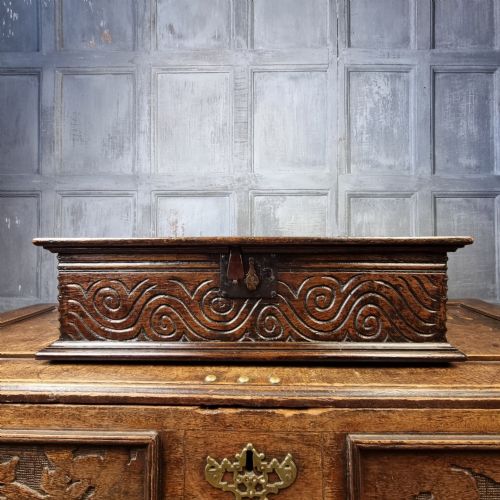


Antique Carved Document Box
An antique carved document box is a robust timber chest designed to safeguard legal papers, letters and scripture, offering tactile historic character.
Antique Carved Document Box
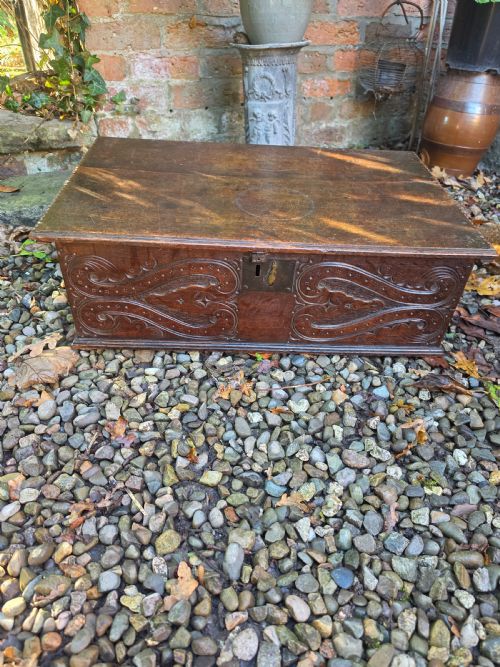
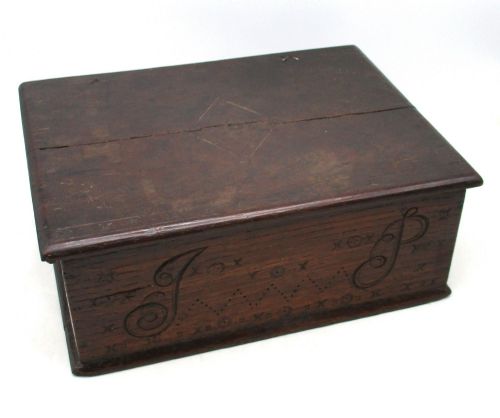
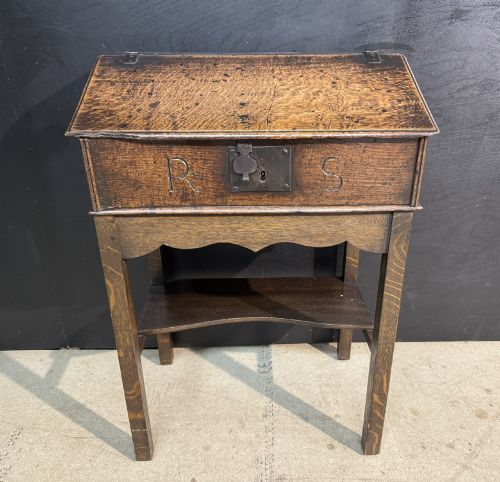
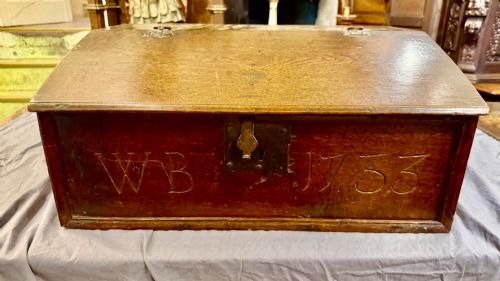
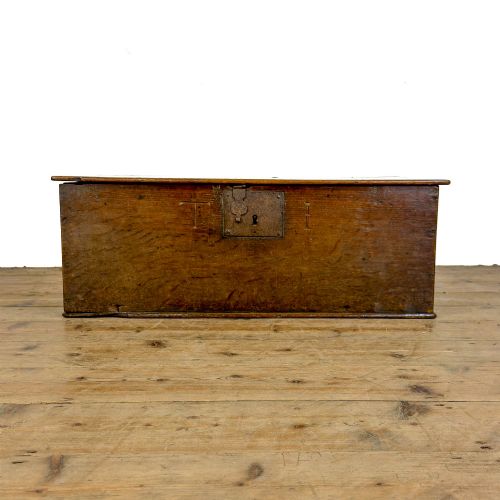
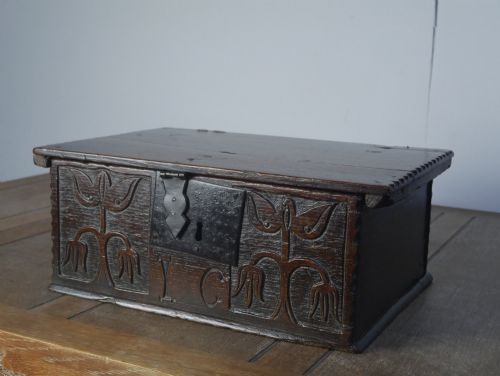
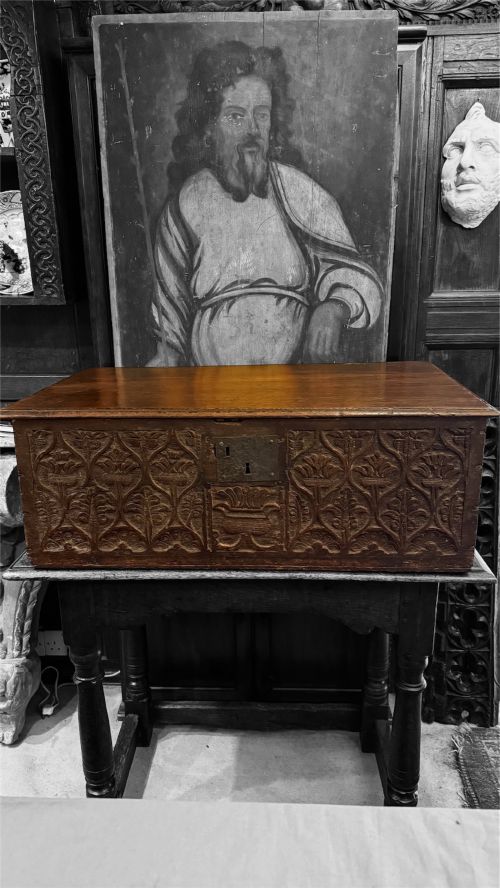
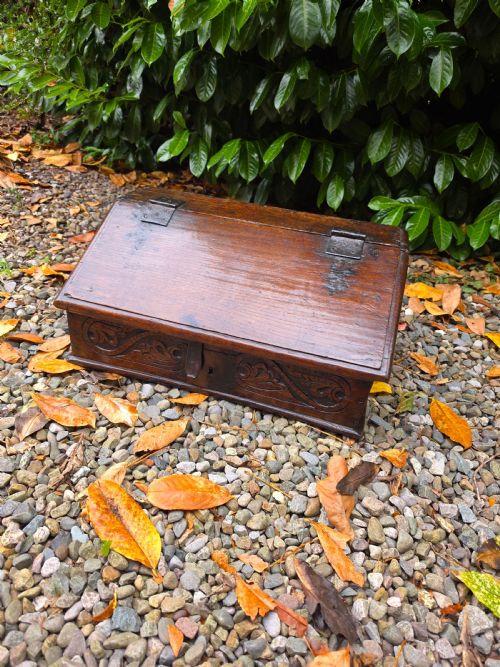
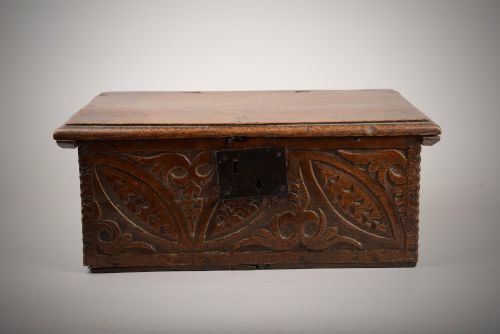
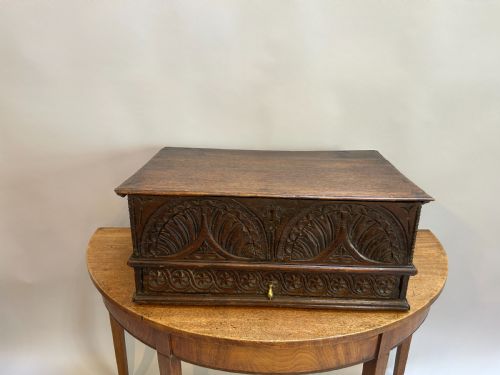
The antique carved document box primarily surfaces in solid oak from the seventeenth and eighteenth centuries, taking the form of table boxes, Bible boxes and deed containers. These utilitarian pieces often feature hinged lids, internal drawers or sloping surfaces designed for writing.
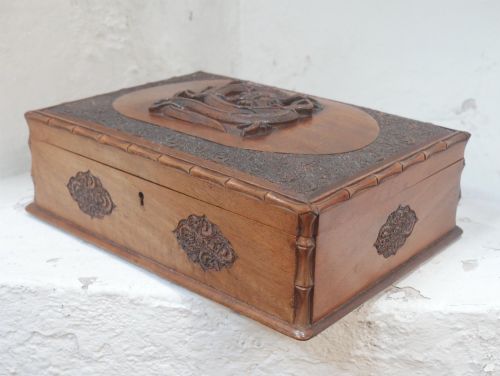
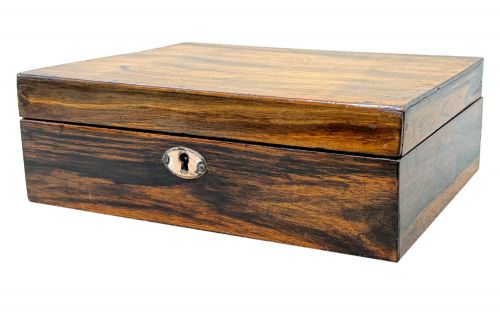
Nineteenth-century variations expand into exotic materials and specialised formats, including stationery boxes, coromandel work boxes and Anglo-Indian writing slopes. Buyers encounter both austere early English joinery and heavily carved decorative caskets from distant regions.
Materials and Construction
Construction relies heavily on sturdy native oak shaped with hand-carved panels, geometric mouldings and incised dates or initials. Iron hinges and brass mounts provide structural reinforcement and secure closure for valuable papers.
Later examples incorporate exotic hardwoods such as coromandel, ebony and mahogany, frequently embellished with bone, mother-of-pearl, porcupine quill or marquetry inlay in holly and bog oak.
Listings demonstrate a strong concentration of seventeenth and eighteenth-century joined oak Bible boxes alongside nineteenth-century Anglo-Indian ebony writing slopes.
Quality and Distinction
Quality rests upon the crispness of the hand-carved ornamentation, the integrity of the timber joints and the retention of original brass or iron hardware. Superior examples display thoughtful proportions and undisturbed surface patination accumulated over centuries.
Lesser pieces suffer from excessive later alterations, replaced hinges, or heavy-handed repairs that obscure the original period craftsmanship and dry out the underlying wood.
The Antique Carved Document Box Glossary
- Bible box
- A small table-top chest historically built to hold a family Bible or important manuscripts, often fitted with a sloping lid.
- Deed box
- A secure receptacle utilised for storing legal documents, land indentures and financial certificates.
- Writing slope
- A box featuring an angled lid that opens to reveal a slanted writing surface and internal compartments for ink and pens.
- Marquetry
- Decorative veneer work employing contrasting woods, such as holly and bog oak, to create intricate geometric patterns.
- Porcupine quill
- An exotic decorative technique utilising natural quills arranged in geometric mosaics across nineteenth-century boxes.
Antique Carved Document Box: Frequently Asked Questions
What is an antique carved document box?
An antique carved document box is a portable wooden chest built to store letters, legal papers, or sacred texts securely.
These pieces range from austere seventeenth-century joined oak boxes to ornate nineteenth-century coromandel and ebony stationery caskets.
How were document boxes used historically?
They served as portable archives for literate households, merchants, and clerics who needed to protect vital records from damp and theft.
Many doubled as writing desks by utilising a sloping lid to provide a comfortable surface for quill and ink.
How do I date an antique document box?
Dating relies on identifying construction methods, timber species, and carved decorative motifs characteristic of specific centuries.
Early pieces utilise pegged oak joinery and chip-carved strapwork, whereas Victorian examples feature exotic veneers and refined brass hinges.
Where should I place a document box?
These boxes suit placement on sturdy tables, sideboards, or desks where their carved lids and patinated timber remain visible.
They also function effectively for holding modern correspondence or everyday desk accessories while maintaining historic charm.