

Antique Carved Container
An antique carved container holds small treasures, dry goods, or fuel, bringing tactile history into daily rooms.
Antique Carved Container
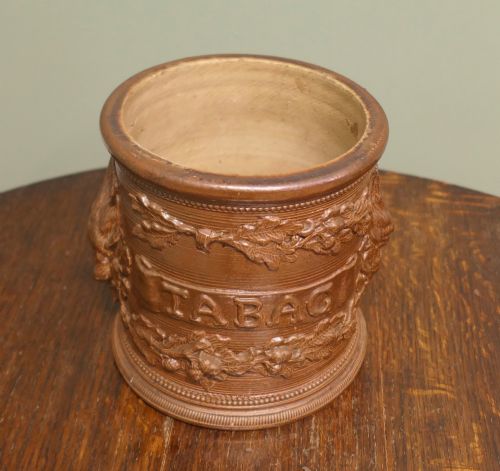
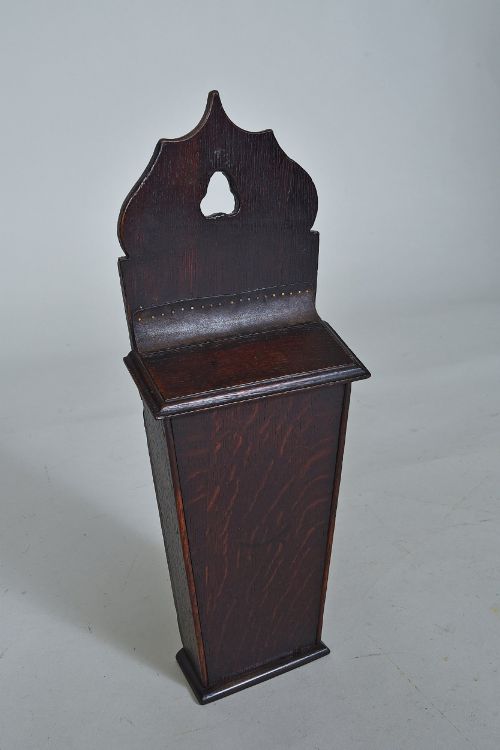
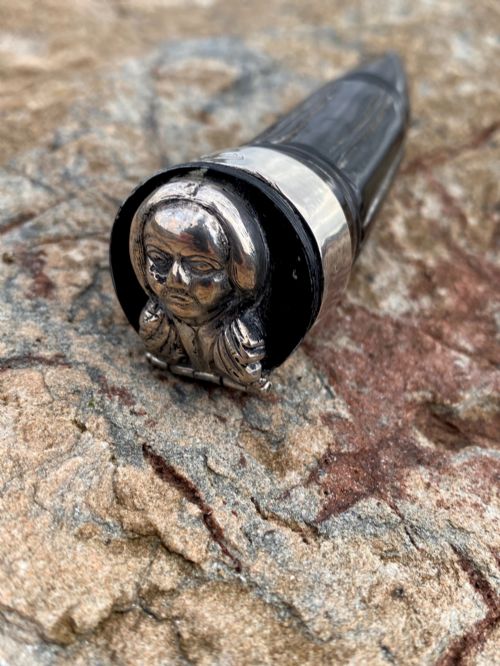
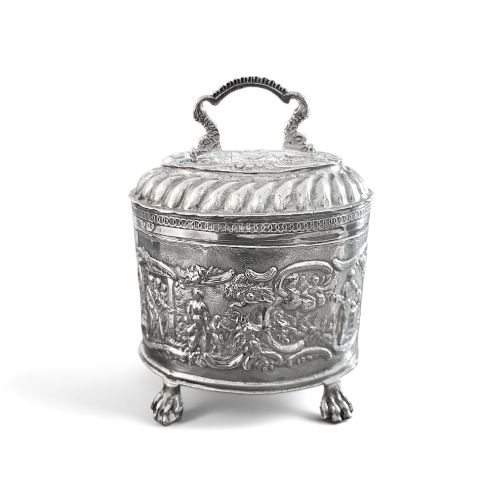
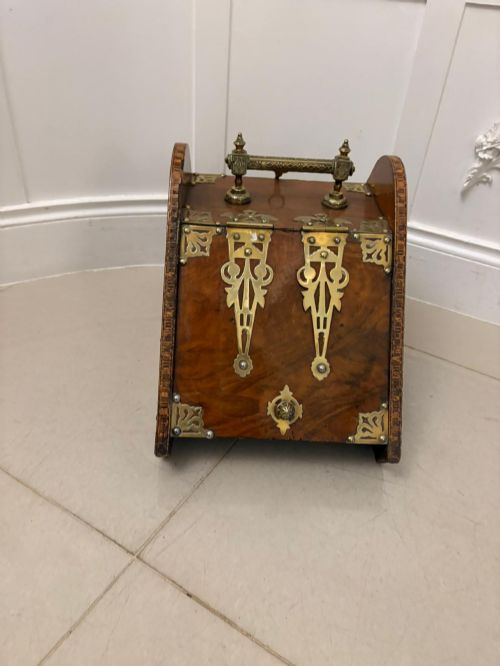
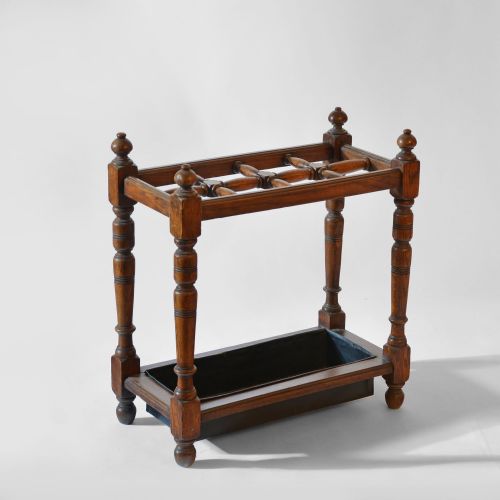
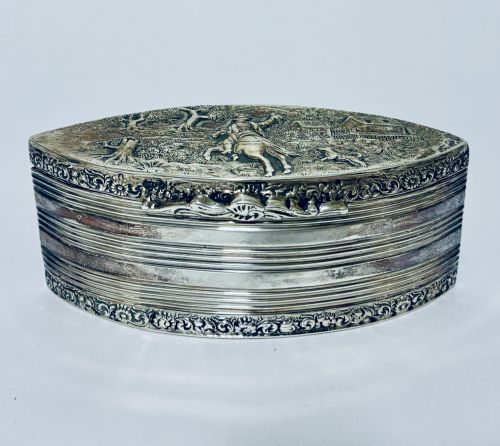
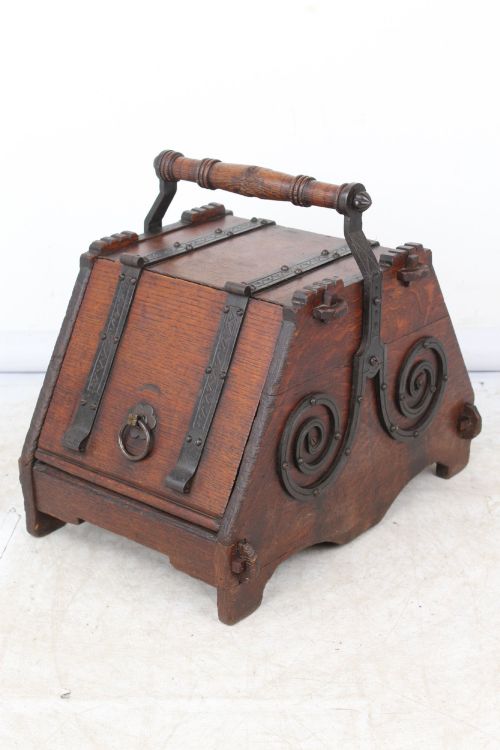
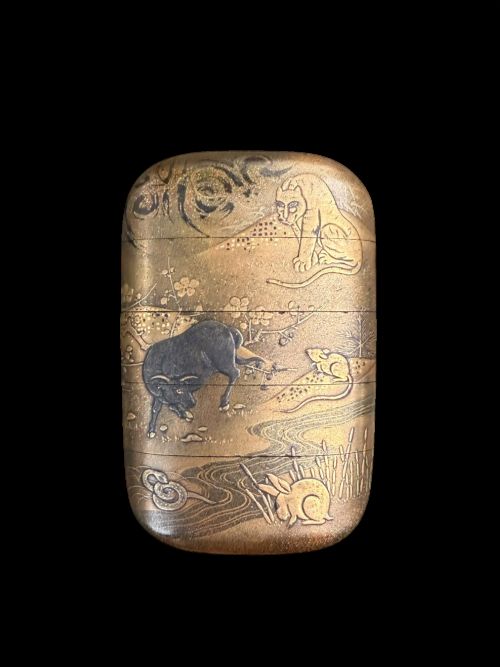
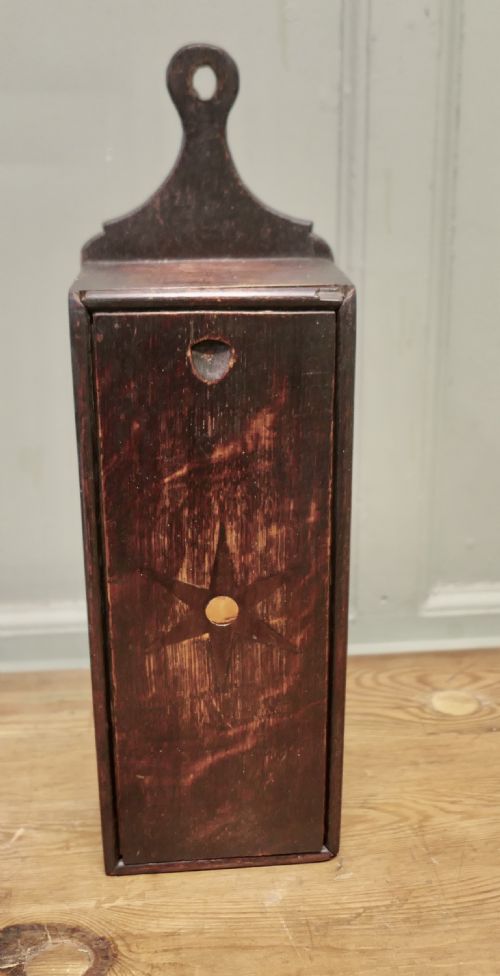
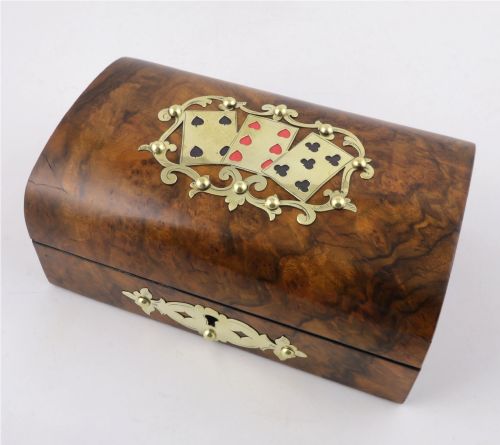
An antique carved container spans utility and display, taking forms such as small snuff boxes, tea caddies, salt boxes, and substantial coal scuttles. These pieces served practical domestic roles in holding tobacco, spices, candles, or matches while showing decorative carver work.
The selection here draws primarily from nineteenth-century and Edwardian workshops, alongside earlier Georgian and seventeenth-century examples in oak, fruitwood, and walnut. Smaller treen items and metal vessels sit alongside larger fireside wood boxes.
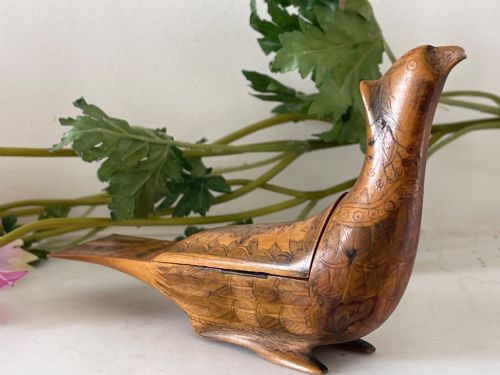
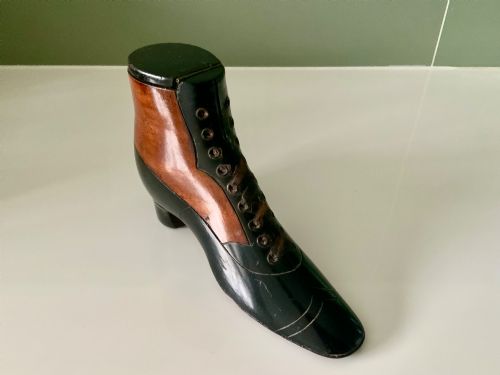
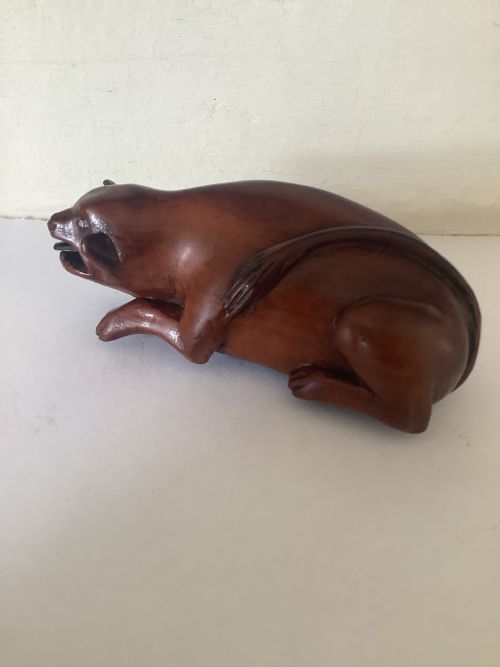
Origins stretch across British, European, and Asian traditions, including Black Forest animal carvings, Anglo-Indian spice boxes, and Japanese lacquer or bamboo pieces. This variety means buyers encounter everything from pocket-sized snuff shoes to floor-standing coal bins.
How they were made
Carvers shaped these objects using dense hardwoods like oak, walnut, fruitwood, and linden wood, applying hand-chizzled relief, incised lines, and figural shaping. Metal vessels combine cast brass, bronze, and silver with repousse work or applied iron hardware.
Construction methods match the intended function, utilising tight-fitting lidded joints for spice and tobacco boxes, and robust dovetailing or iron hinges for wall-hanging candle and salt boxes. Surface finishes rely on natural wax polishes, original paint traces, and gilt decoration.
Antique Carved Container Retail Price Guide 2026
Typical asking prices for carved container among the pieces listed under this phrase on Sellingantiques today, from the lower quarter to the upper quarter. They describe what is for sale here now, not the wider market.
Periods represented range from seventeenth-century oak salt boxes to Edwardian purdoniums and 1916 dated limewood carvings.
What varies in quality
Quality rests in the crispness and depth of the hand-carving, where skilled execution gives life to figural subjects like bears, gnomes, and human scenes rather than stiff, shallow tool marks. The choice of material dictates baseline merit, with fine-grained fruitwood and dense boxwood holding sharper detail than coarse timber.
Proportion and structural integrity separate standard utility items from superior workshop pieces, particularly in fitted lids, hinges, and the retention of original hardware. Surface preservation matters greatly, distinguishing untouched patination from heavily stripped or altered surfaces.
Christopher Dresser
The Antique Carved Container Glossary
- Treen
- Small wooden domestic objects made by turning or carving. This category includes boxes, small containers, and treen snuff shoes.
- Caddy
- A small container designed for storing tea leaves. These often feature locking lids and internal compartments.
- Scuttle
- A metal or wooden bucket used for holding coal by a fireplace. They frequently include shovels and brass mountings.
- Repousse
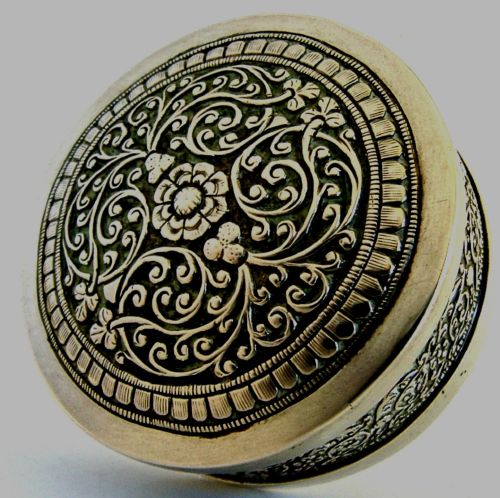
- A metalworking technique where the artisan hammers the design from the reverse side to form a raised pattern on the front. This appears frequently on silver and brass vessels.
- Purdonium
- A specific type of Edwardian coal box featuring a downward-tilting front door and a built-in shovel compartment. These tidy fireside containers were popular in middle-class homes.
Antique Carved Container: Frequently Asked Questions
What were antique wooden boxes used for?
These containers served specific domestic storage needs, holding dried goods like tea and spices, personal items like tobacco and snuff, or household necessities like candles and matches.
Craftsmen tailored each shape to its contents, ensuring tight seals for aromatics or sturdy hinges for heavy fireplace fuel.
How do I care for antique carved wood?
Keep wooden containers away from direct heat sources and sudden humidity changes to prevent timber splitting or warping.
Apply a microcrystalline wax sparingly when the surface feels dry, buffing gently with a soft cloth to maintain the natural sheen.
How do I distinguish eighteenth-century oak from later pieces?
Early pieces display hand-riven timber grain, irregular peg construction, and heavy iron hardware forged by local blacksmiths.
Later nineteenth-century iterations often show mechanical saw marks inside and standardised machine-made screws or hinges.
Are metal coal scuttles safe to use?
Brass and iron coal scuttles remain entirely functional for holding logs or kindling near a hearth today.
Inspect the internal seams and handles to ensure they can bear the weight of fuel without straining historical riveted joints.