

Antique Carved Brackets
Antique carved brackets offer structural support and decorative projection, bringing classical form and detailed woodwork to interior walls.
Antique Carved Brackets
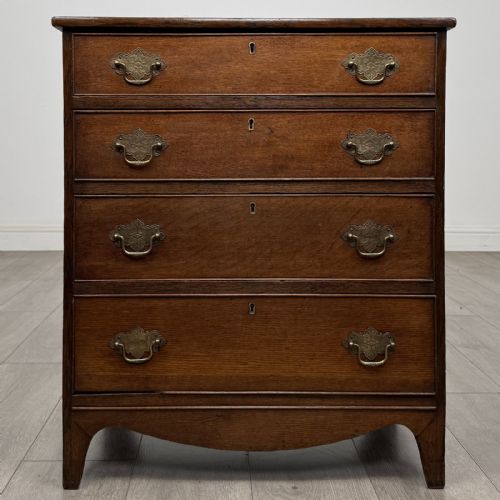
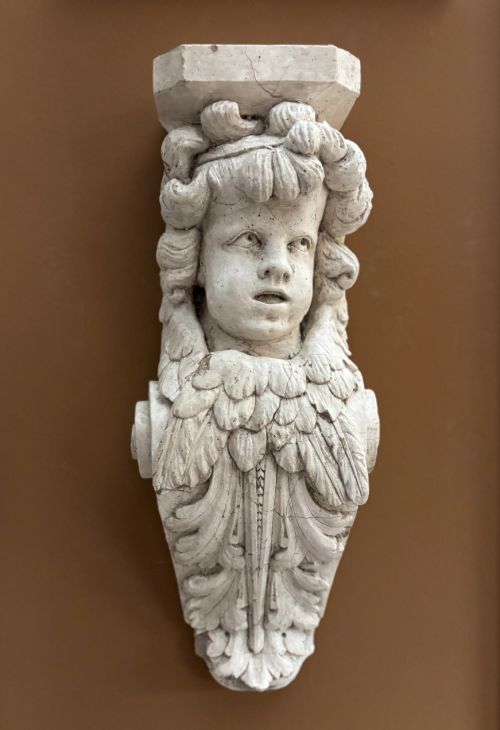
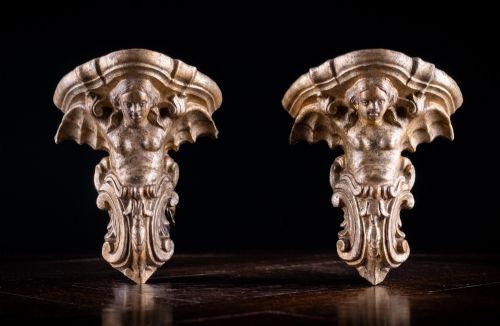
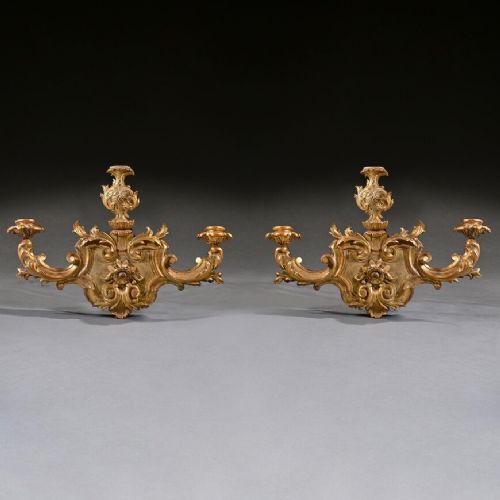
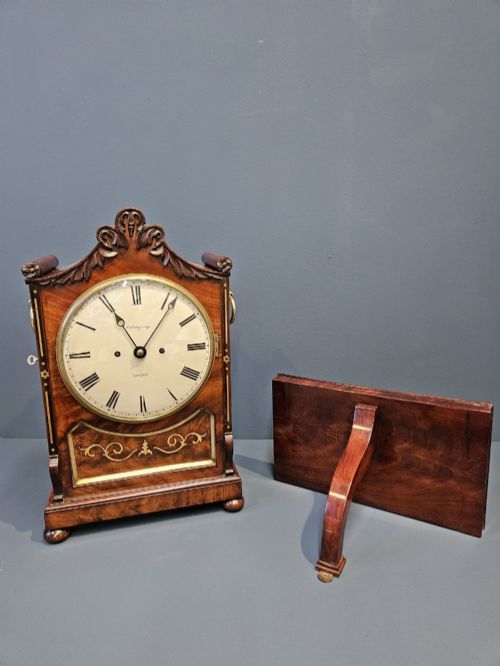
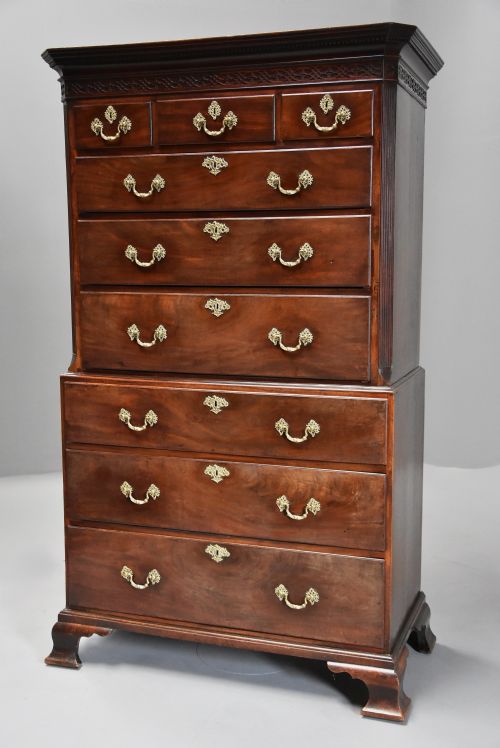
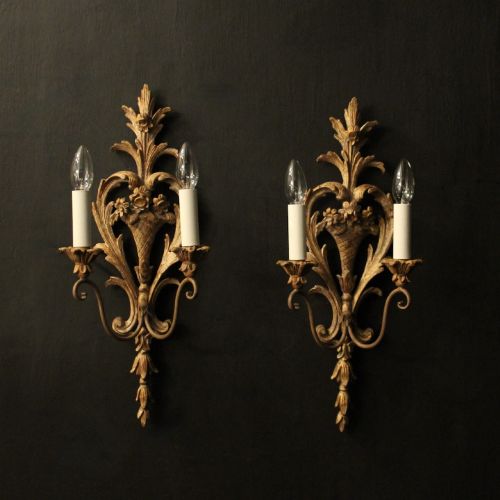
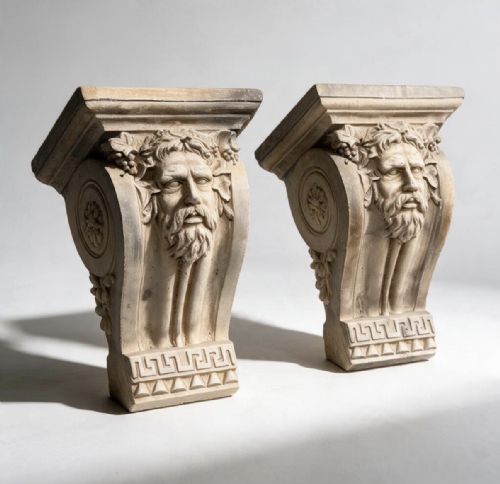
Antique carved brackets encompass architectural supports, wall sconces, and display ledges fashioned from wood and other sculptural materials. These pieces emerge primarily from the eighteenth and nineteenth centuries, reflecting periods such as the Georgian, Victorian, and Edwardian eras. Buyers searching for antique carved brackets encounter items ranging from simple wooden ledges to ornate giltwood corbels and figural wall fixtures.
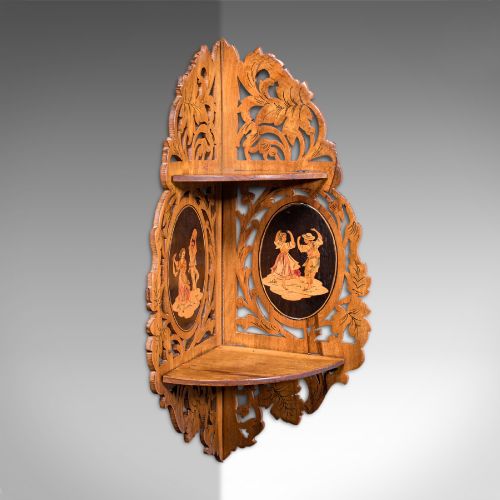
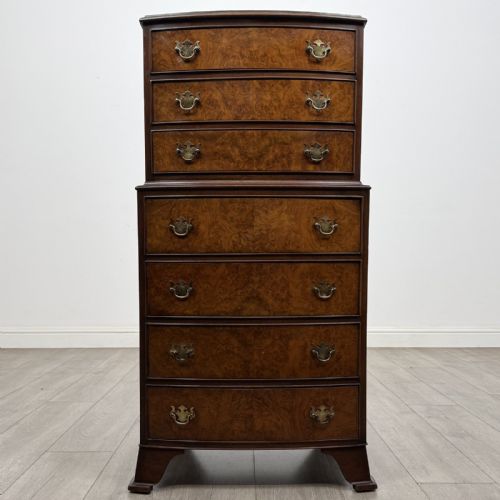
The selections on this page highlight distinct regional and stylistic approaches, including Italian giltwood designs, French girandoles, and English walnut or mahogany supports. Forms vary from functional corner shelves to decorative putto corbels and architectural pediments. Many pieces were originally designed to display clocks, porcelain, or lighting, while others served as structural ornament beneath beams or overdoors.
Materials and Methods
Craftsmen carved these pieces from native and exotic timbers such as mahogany, walnut, and oak, often applying gold leaf over gesso to create luminous giltwood surfaces. Terrestrial materials like limestone and terracotta also appear among the architectural fragments and wall fixtures, demonstrating diverse sculptural techniques. Woodcarvers utilised traditional hand chisels and gouges to achieve deep undercut foliage, cherubs, and scrollwork.
Gilding involved applying thin layers of gold leaf to a prepared gesso ground on wood bases, sometimes burnished to create contrasting matte and bright finishes. Joinery methods varied by period, employing pegged mortise and tenon joints in earlier oak pieces and precise glue-block reinforcement in later mahogany and walnut examples. Surface treatments range from clear wax finishes on dense hardwoods to polychrome paint on decorative Italian fixtures.
Antique Carved Brackets Retail Price Guide 2026
Typical asking prices for carved brackets among the pieces listed under this phrase on Sellingantiques today, from the lower quarter to the upper quarter. They describe what is for sale here now, not the wider market.
Listings feature eighteenth-century walnut and mahogany brackets alongside nineteenth-century Victorian giltwood and terracotta examples.
Distinctions in Quality
Proportion and structural balance separate standard production from masterwork execution, ensuring the scrollwork or cantilevered form appears organic and resolved rather than stiff. The relationship between the backplate and the supporting shelf demonstrates the maker's joinery skill, particularly in weight distribution for load-bearing wall brackets. Original hanging fixings and undisturbed patination further elevate the standing of an antique bracket among collectors.
Lenzkirch·Brockbanks And Atkins·Walker And Hall·Winterhalder
The Antique Carved Brackets Glossary
- Corbel
- A structural piece of stone, wood, or metal jutting from a wall to carry a superincumbent weight. In decorative contexts, it functions primarily as an ornamental wall bracket.
- Giltwood
- Wood that has been treated with a thin layer of gold leaf or gold paint. This technique was widely utilised in the eighteenth and nineteenth centuries for decorative wall lights and mirrors.
- Gesso
- A paint mixture consisting of a neutral binder mixed with chalk, gypsum, or pigment. It provides a smooth surface for subsequent gilding on carved wooden brackets.
- Putto
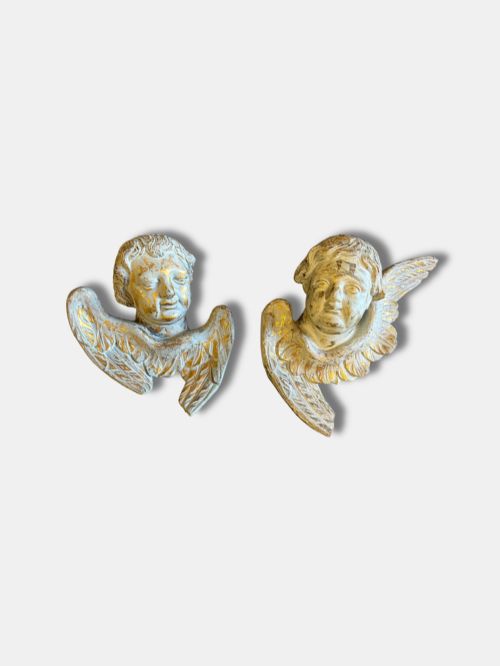
- A figure of a human infant, usually nude and chubby, depicted in classical art and later revivals. These winged or wingless figures frequently adorn the flanks of Victorian and continental wall brackets.
- Twin Fusee
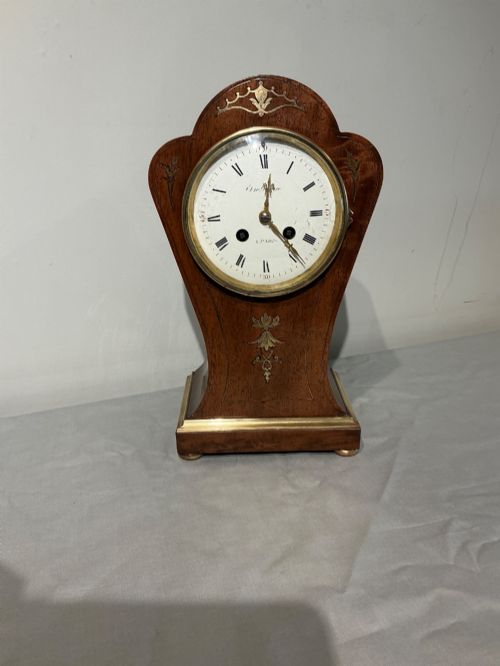
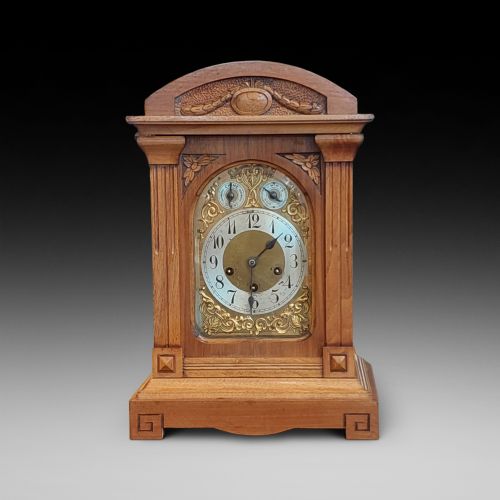
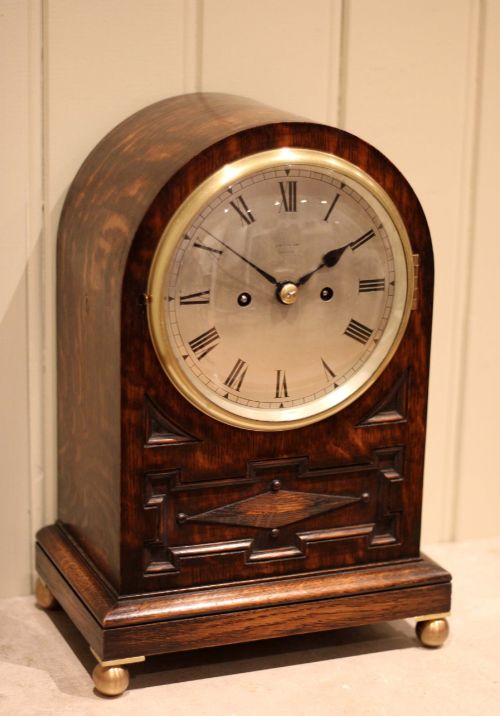
- A clock movement driven by two springs connected via chains or cords to conical pulleys, designed to equalise the force of the mainsprings. This mechanism appears in high-grade bracket clocks listed alongside architectural supports.
Antique Carved Brackets: Frequently Asked Questions
How do I hang a heavy wooden bracket safely?
Supporting a heavy timber or limestone bracket requires locating solid wall studs or masonry anchors capable of handling both the object's dead weight and any displayed items. Professional installation often involves concealed steel mounting plates or reinforced keyhole fixings integrated into the backplate.
Consulting a structural specialist ensures the wall substrate can bear the cantilevered load safely. This prevents strain on the historic joints where the shelf meets the back support.
How do I tell Victorian brackets from 18th century ones?
Eighteenth-century pieces, particularly Georgian and Rococo Revival examples, often exhibit deeper, more fluid hand-carving in timbers like mahogany and walnut alongside hand-applied gesso on pine. Victorian interpretations tend to feature denser secondary woods, machine-assisted finishing details, and heavier proportions associated with revivalist movements.
Examination of tool marks, timber shrinkage, and underlying construction methods clarifies the chronological origin of each support. Stylistic cues like the presence of specific Victorian crests or exuberant floral motifs also distinguish the later period.
Can I clean gilded antique brackets?
Giltwood surfaces require extremely gentle maintenance using a soft dry brush to remove dust without disturbing the delicate gold leaf or underlying gesso. Water and chemical cleaning agents must be avoided entirely, as moisture strips historical water-gilt finishes.
Professional conservators should handle any substantive cleaning or consolidation of flaking gesso. Regular dusting with an ostrich feather duster prevents particulate accumulation that can dull the metallic sheen.
Where should I place wall brackets in a modern home?
Wall brackets excel in circulation spaces, hallways, or living rooms where floor space is limited but vertical display area is available. Placing them at eye level allows the carved details of the corbel or console to be appreciated up close.
Pairing symmetrical brackets on either side of a fireplace or doorway creates formal balance. Alternatively, a single bracket can support a solitary clock or sculptural object as a focal point.