
Antique Carved Bed
An antique carved bed anchors a room with timber character, bringing solid oak, walnut and mahogany furniture from past centuries into daily use.
Antique Carved Bed
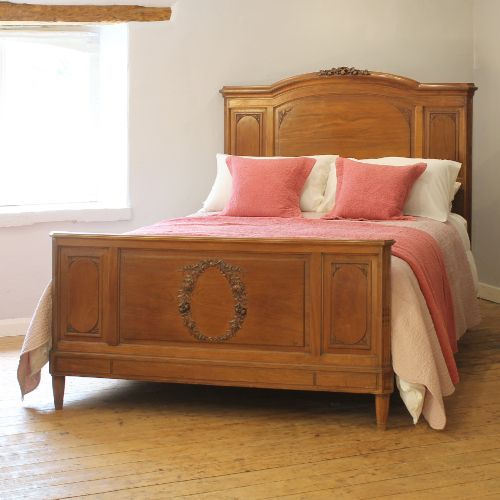
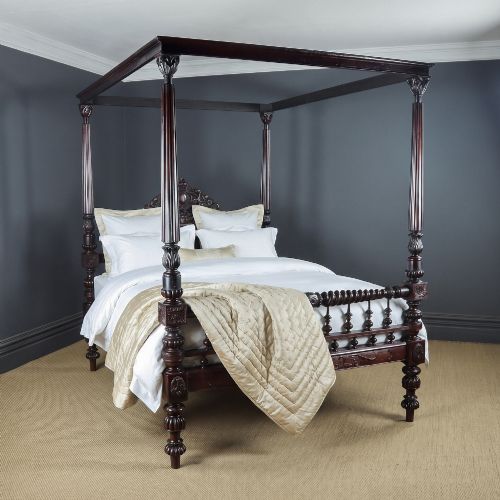
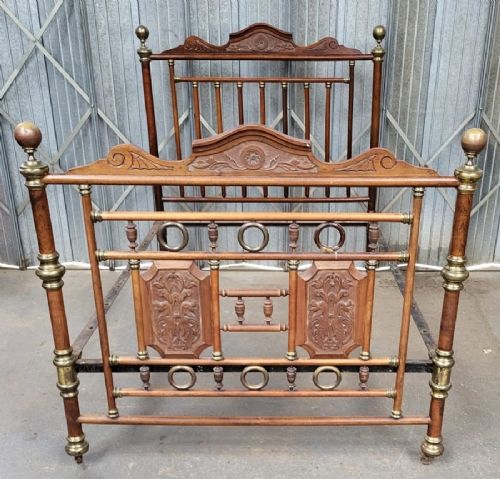
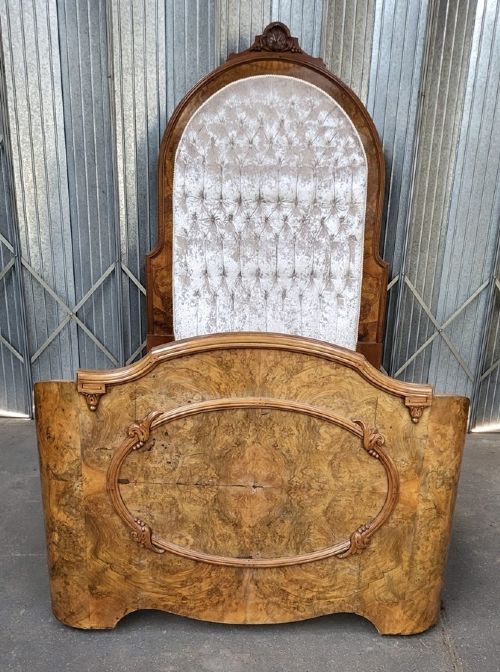
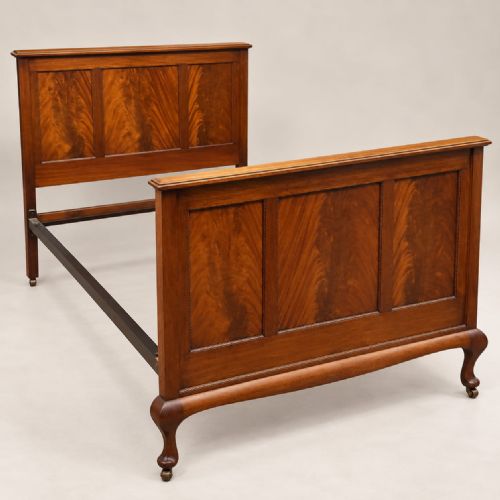
An antique carved bed spans centuries of cabinetmaking, ranging from seventeenth century oak frames to Edwardian mahogany bedsteads and French provincial styles. Buyers seeking an antique carved bed encounter four poster frames, double beds, and king size proportions shaped by period tastes such as Victorian, Jacobean Revival, and Louis XVI.
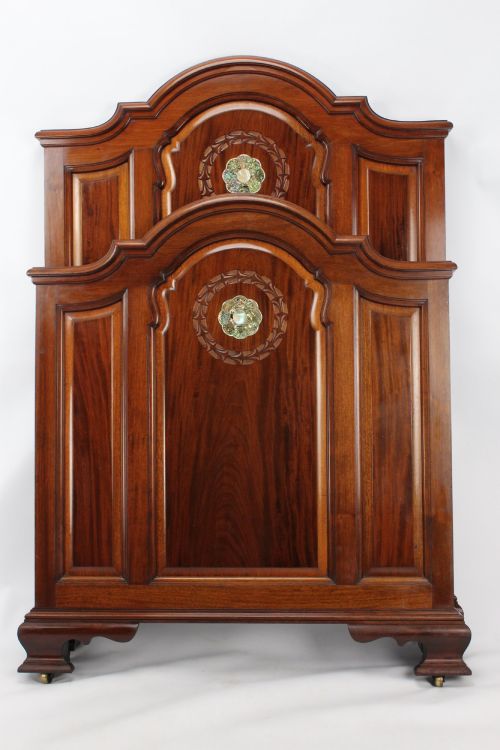
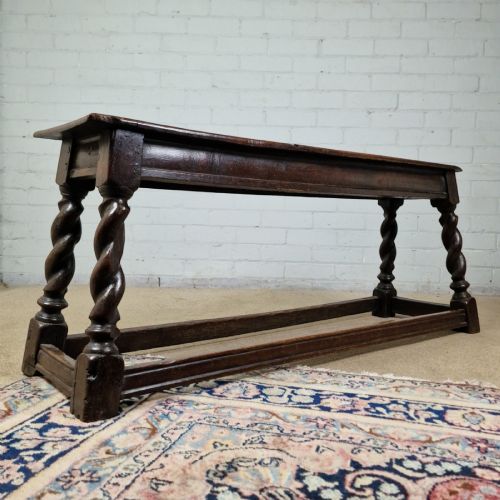
The selection here draws primarily upon nineteenth century and early twentieth century examples, alongside earlier seventeenth and eighteenth century pieces. Solid timber construction defines the category, incorporating carved details on headboards, panels, and posts executed in hardwoods like oak, walnut, and mahogany.
Assessing quality and proportion
Quality in these pieces rests upon the crispness of the hand carving and the selection of figured timber grains, particularly in walnut and mahogany surfaces. Better examples maintain original proportions and structural integrity without excessive later alterations to accommodate modern mattress sizes.
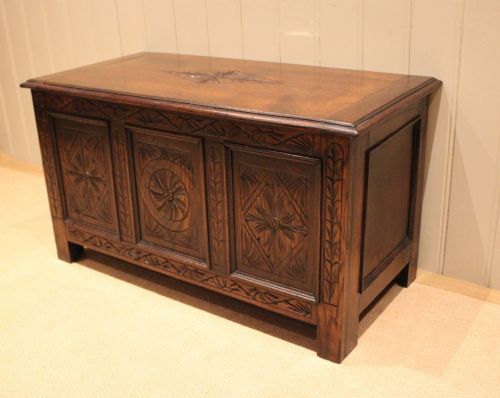
The depth and execution of decorative carving separate standard production from finer cabinet work, especially within revival styles and continental pieces. Selection of solid timber throughout the frame rather than secondary veneers indicates superior construction standards.
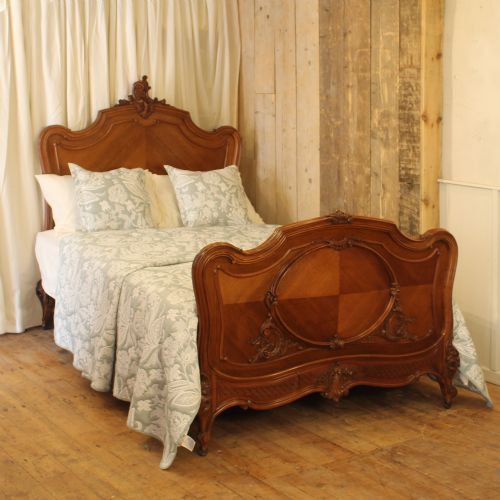
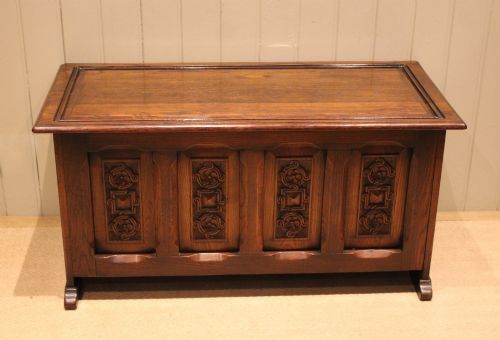
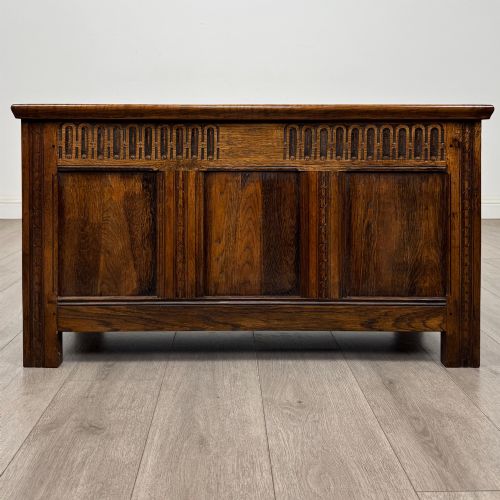
French regional styles appear alongside English Victorian, Edwardian, and Georgian examples within the available bed and coffer forms.
Waring & Gillows·Oliver Morel
The Antique Carved Bed Glossary
- Bedstead
- A framework of wood or metal that supports a mattress, forming the primary structure of a bed.
- Coffer
- A large wooden chest used historically for storage, often featuring carved panels and solid timber construction.
- Four poster bed
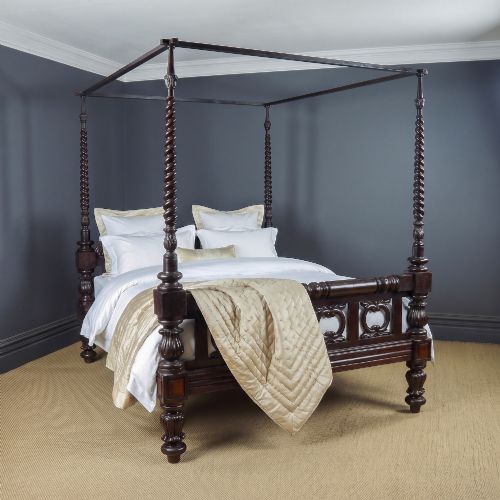
- A bed with four vertical posts supporting an upper canopy or tester frame.
- Daybed
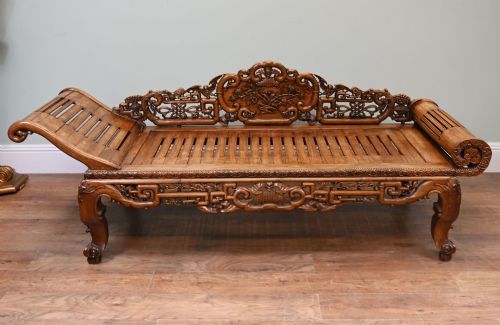
- A couch or bed form used for lounging and sleeping, appearing in French painted and upholstered styles.
- Mule chest
- A traditional storage chest featuring one or more drawers beneath the main lifting lid compartment.
Antique Carved Bed: Frequently Asked Questions
Will an antique bed fit a modern mattress?
Many older beds were built to historic dimensions rather than modern standard sizes. Adjustments to side rails or custom mattress commissioning may be necessary for daily use.
Checking internal length and width measurements before purchase ensures compatibility with standard modern bedding requirements.
How do I care for a wooden bed frame?
Maintain timber surfaces by applying appropriate wax polishes and avoiding placement near direct heat sources. Stable room humidity prevents wood shrinkage and joint movement.
Inspect structural bolts and joints periodically to ensure the frame remains secure and stable during use.
What is the difference between oak and mahogany beds?
Oak frames typically date from earlier periods like the seventeenth and eighteenth centuries, displaying pronounced grain patterns and robust construction. Mahogany became prominent later, offering a smoother reddish-brown surface suitable for refined carving.
Both timbers provide exceptional durability, though their aesthetic weight alters the character of a bedroom interior significantly.
How are different period styles identified?
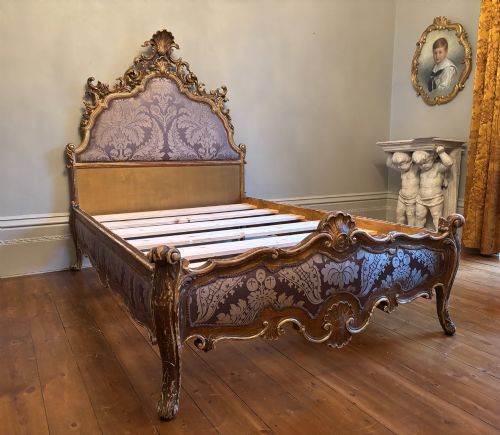
Period styles reveal themselves through characteristic decorative motifs, such as the heavy geometric panels of Jacobean work or the refined curves of French Louis styles. Examining hardware, timber choice, and carving techniques helps determine the likely era of manufacture.
Revival pieces from the Victorian and Edwardian eras often reinterpret earlier Georgian or seventeenth century designs using contemporary workshop methods.