



Antique Carnelian Seal
An antique carnelian seal is a wearable marker of identity, offering carved intaglios and warm stones set in gold or gilt metal.
Antique Carnelian Seal
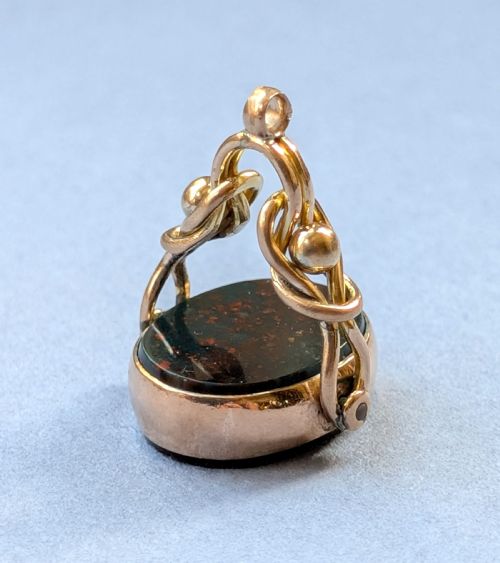
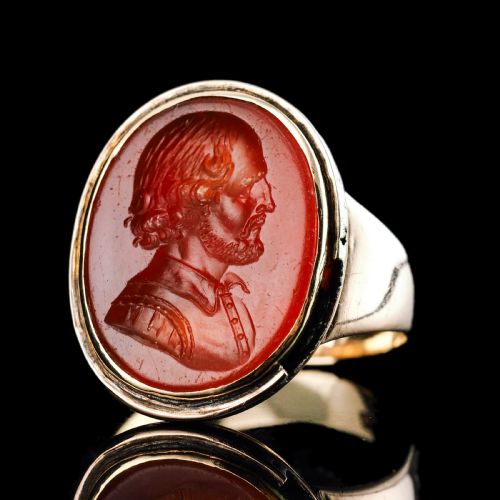
An antique carnelian seal serves as both a practical desk accessory and a personal ornament, featuring a hard orange-red chalcedony stone carved with intaglio designs. These pieces appear frequently as pocket watch fobs, pendants, and signet rings.
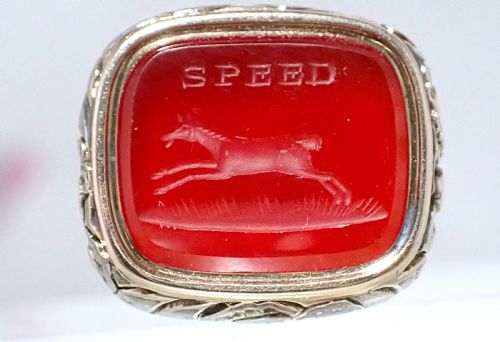
The most common examples on this page date from the Georgian and Victorian eras, ranging from simple swivel mounts to elaborate gold frames. Collectors encounter stones engraved with crests, initials, classical figures, and mottoes.
Earlier pieces from the eighteenth century often display deep neoclassical motifs, while Edwardian versions tend towards lighter nine-carat gold mounts. Each item reflects the personal tastes of its original owner through distinct heraldic or allegorical carvings.
What varies in quality
The sharpness and depth of the intaglio carving dictate the visual merit of the piece, with finely detailed classical figures and crisp lettering representing superior work. Softer, shallow incisions suggest hurried production or excessive wear over time.
The weight and purity of the gold mount also distinguish finer pieces from simpler gilt metal or rolled gold alternatives. Substantial precious metal settings with intricate scrollwork indicate higher workshop standards.
The object types recorded here include signet rings, swivel pendants, and charm bracelets carrying multiple fob seals.
The Antique Carnelian Seal Glossary
- Intaglio
- A design carved into the surface of a gemstone so that a raised impression is left when pressed into sealing wax. This technique requires steady precision from the stone cutter.
- Fob seal
- A small pendant attached to a pocket watch ribbon or chain, designed to carry a personal stamp. They were widely worn by gentlemen in the Georgian and Victorian periods.
- Swivel mount
- A pivoting metal frame holding a seal that allows the stone to rotate. It provides two distinct faces for display or stamping.
- Cornelian
- An alternative spelling of carnelian, a brownish-red variety of the quartz mineral chalcedony. It has been favoured for signet rings since antiquity.
- Gold cased
- A method of manufacturing where a thin layer of gold is fused to a base metal core. This technique offered the appearance of solid gold at a lower cost.
Antique Carnelian Seal: Frequently Asked Questions
How do I use an antique carnelian seal?
You can wear these pieces as pendants on a chain or suspend them from a pocket watch albert.
To make an impression, press the carved stone firmly into melted sealing wax and pull it away at a slight angle.
How do I date a carnelian seal?
Examine the style of the metal mount and the subject of the intaglio carving to determine the era. Georgian pieces often feature heavy gold mounts and neoclassical motifs, while Victorian examples introduce diverse charm bracelets and swivel designs.
Hallmarks on the gold components also provide specific date letters and assay office marks where present.
What is the difference between carnelian and cornelian?
Both terms refer to the exact same orange-red chalcedony gemstone used in antique jewellery. Cornelian is simply an older spelling commonly found in historic records and trade descriptions.
Jewellery makers and gemmologists use the words interchangeably.
Can I wear a carnelian seal ring every day?
Carnelian is a durable quartz with a hardness of seven on the Mohs scale, making it suitable for regular wear. However, care should be taken to protect the gold setting and the flat table of the stone from hard knocks.
Removing rings during heavy manual work prevents scratches to the intaglio.