




Antique Card Storage
Antique card storage covers small boxes for games and large cabinets for filing, offering neat organisation for tables and desks alike.
Antique Card Storage
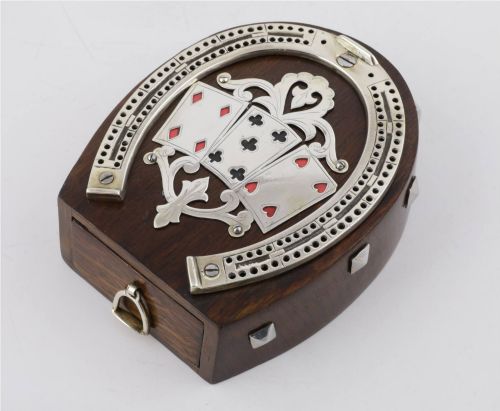
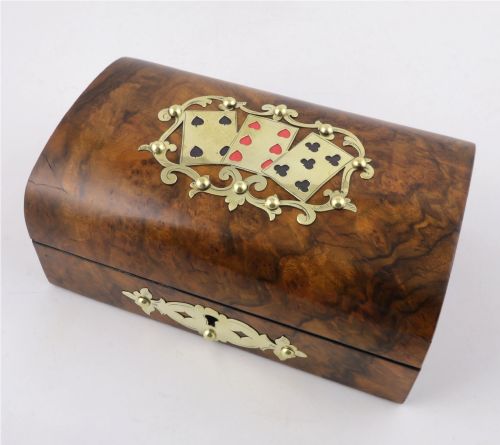
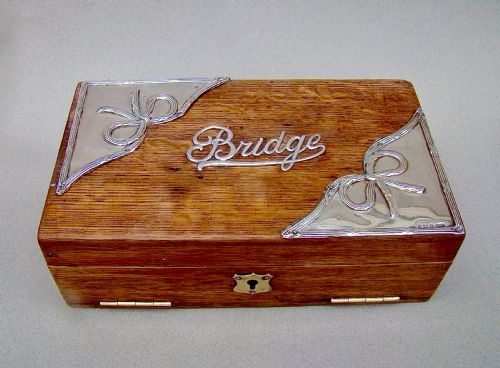
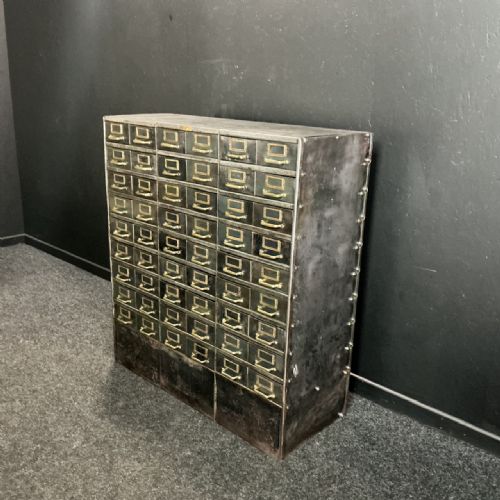
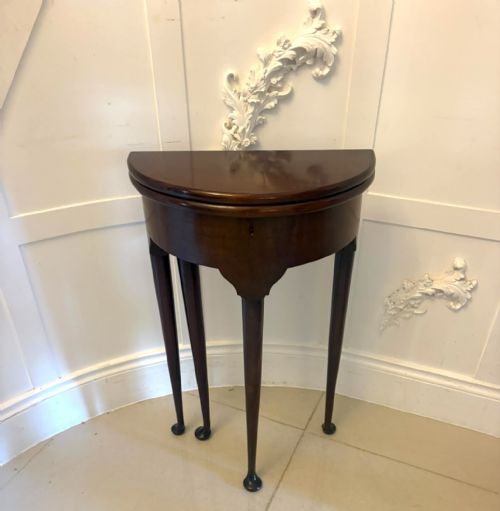
The domestic gaming boxes often appear in Victorian and Edwardian periods, utilising walnut, mahogany, rosewood, and oak. Office storage spans from late Victorian examples through to industrial pieces from the nineteen twenties and nineteen sixties. Both categories reflect the Victorian and Edwardian appetite for keeping small items properly sorted.
How they were made
Makers utilised timber such as oak, mahogany, walnut, pine, and satinwood to construct both small boxes and multi-drawer cabinets. Brass mounts, hinges, and handles appear frequently on the gaming caskets and filing units alike, providing both structural reinforcement and decorative contrast.
Surface finishes range from polished hardwood veneers on games boxes to durable enamel and lacquer on industrial office furniture. Metal and steel elements appear in patent filing cabinets and industrial storage pieces, reflecting the shift towards robust office equipment in the early twentieth century.
Antique Card Storage Retail Price Guide 2026
Typical asking prices for card storage among the pieces listed under this phrase on Sellingantiques today, from the lower quarter to the upper quarter. They describe what is for sale here now, not the wider market.
Listings feature oak, mahogany, walnut, and pine, demonstrating how domestic furniture woods shifted towards industrial steel and enamel in the twentieth century.
What varies in quality
The distinction between standard utility items and finer pieces lies in the selection of timber and the precision of the joinery. Finer boxes display matched veneers, satinwood or rosewood surfaces, and integrated silver mounts. Commercial filing cabinets depend on the sturdiness of their multiple drawers and the integrity of their original brass or metal hardware.
Maker marks and patent mechanisms elevate certain pieces above standard workshop production. Items bearing stamps or proprietary filing systems demonstrate higher manufacturing ambition than plain pine or generic metal office furniture.
Levi & Salaman·Amberg
The Antique Card Storage Glossary
- Cribbage board
- A board used to keep score in the game of cribbage, often combined with storage compartments for playing cards.
- Games box
- A container specifically built to hold playing cards, dice, or counters for parlour games. They frequently feature internal partitions and fitted interiors.
- Bank of drawers
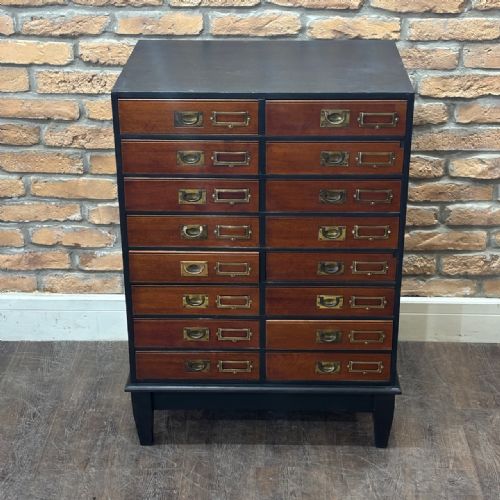
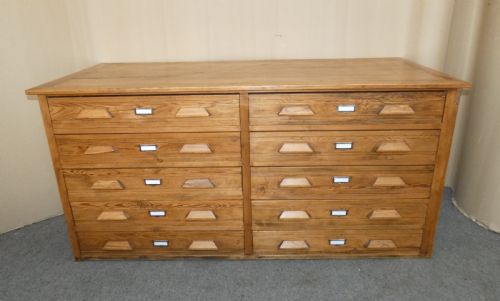
- A multi-drawer unit designed for sorting paperwork, cards, or haberdashery. These range from small desktop chests to tall office cabinets.
- Filing cabinet
- A piece of office furniture with sliding drawers meant for organising documents or index cards. Examples utilise oak, mahogany, steel, or pine.
- Parquetry
- A geometric mosaic of wood pieces used for decorative veneer on furniture tops. This technique appears on decorative boxes and games caskets.
Antique Card Storage: Frequently Asked Questions
What fits inside antique card storage?
These pieces hold traditional playing cards, poker dice, cribbage pegs, and small gaming accessories in the smaller boxes. Larger drawer units accommodate office documents, index cards, and small stationery items.
The interior layout usually dictates the function, with fitted wooden partitions in gaming caskets and deep runner drawers in office cabinets.
How do I date a filing cabinet?
Dating relies on the primary timber used, the style of the drawer pulls, and the mechanical construction of the runners. Edwardian and Victorian pieces typically feature solid oak or mahogany with brass hardware.
Later industrial versions from the nineteen twenties onward incorporate steel, enamel finishes, and patent filing systems that indicate twentieth-century manufacture.
Where were games boxes kept?
Parlour games and card playing formed a central part of middle-class entertainment in the nineteenth century. These boxes rested on side tables, games tables, or cabinets within the drawing room.
Their decorative exteriors in rosewood, walnut, or silver ensured they contributed to the room's interior aesthetic when not in active use.
How do I care for wooden card boxes?
Keep wooden boxes and cabinets away from direct sunlight and radiators to prevent the timber veneers from drying out and cracking. Occasional dusting with a dry cloth maintains the polished surface.
Avoid excessive moisture on antique finishes, particularly on pieces featuring delicate marquetry or silver mounts.