
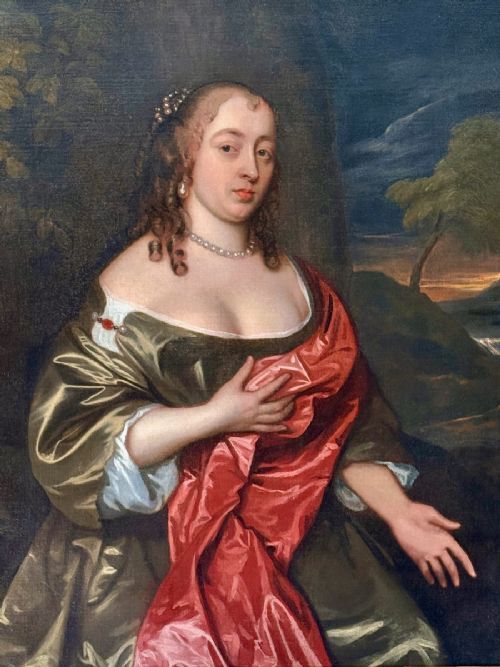
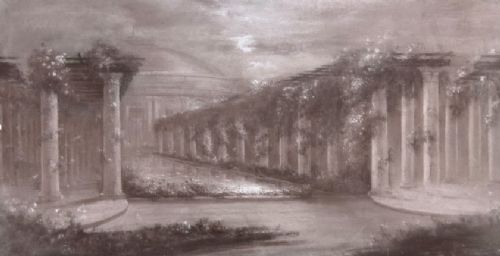

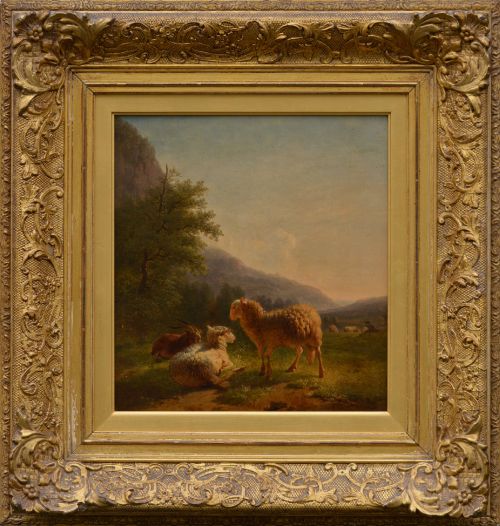
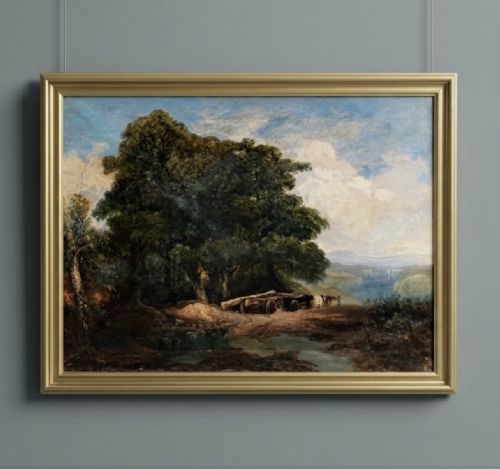



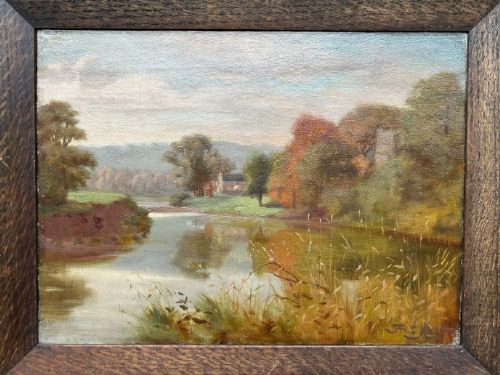
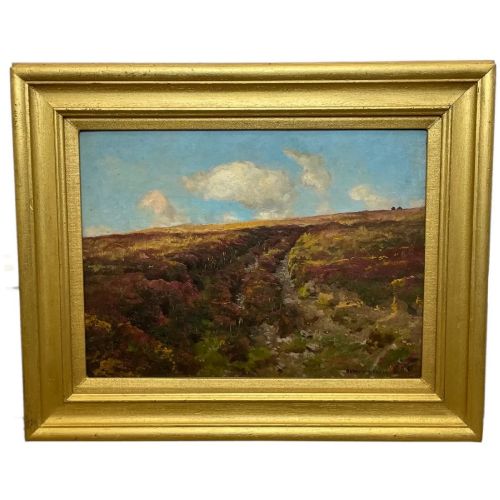
Antique Canvas Landscape Art
Antique canvas landscape art brings pastoral valleys, coastal seascapes and forest clearings into the room through centuries of painted oil.
Antique Canvas Landscape Art
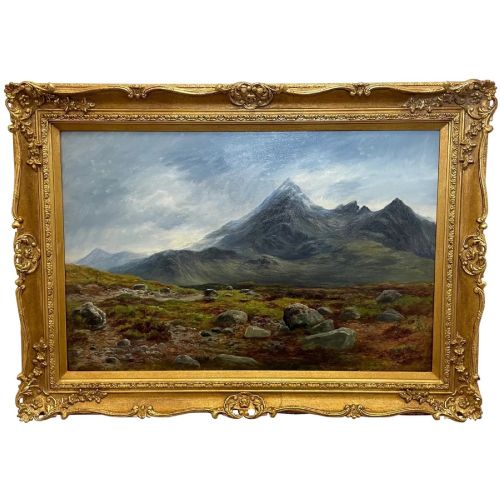
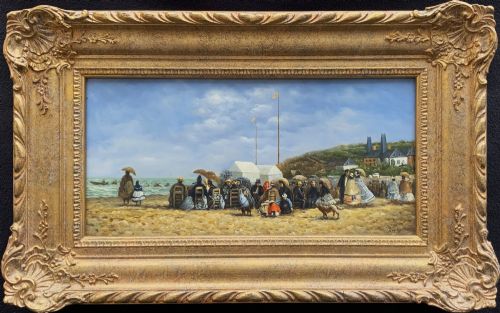
When you search for antique canvas landscape art, you find works executed in oil on stretched fabric, capturing rural scenes, rivers and mountains. The nineteenth century yields the highest volume of these works, spanning British, French and Dutch traditions.
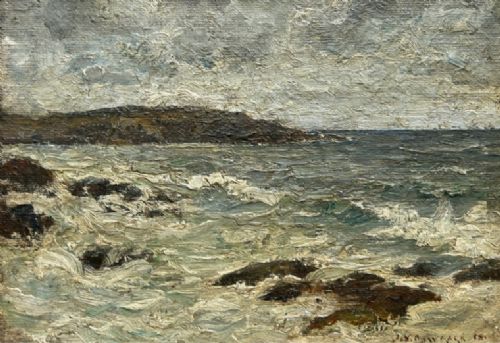
Subjects range from tranquil pastoral pasturelands with livestock to dramatic coastal seascapes and wooded paths. Many bear the signatures of regional British and European painters working within Victorian, Edwardian and Post-Impressionist idioms.
Materials and technique
Painters applied oil paint directly onto stretched woven canvas, sometimes supported by wood strainer frames. Gesso and carved giltwood frames frequently complement the primary works.
Brushwork varies from smooth, academic blending to heavier impasto application that gives texture to foliage, water and skies.
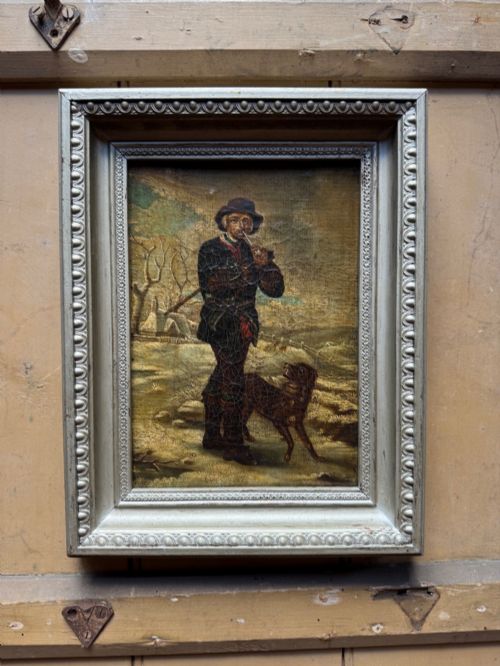
Sheep, cattle, horses and even a prized shorthorn bull frequently share the landscape with their human counterparts across these historic canvases.
Variations in quality
Mastery of natural light, atmospheric depth and anatomical accuracy in figures and animals elevates certain canvases above standard decorative works. Compositional balance and the sensitivity of the brushwork determine the distinction between routine studio output and accomplished artistic creation.
The survival of original surface condition, minimal restoration to the paint layer and the presence of period-appropriate giltwood or gesso framing contribute to the overall integrity of the piece.
Richard Sebastian Bond·William Beattie-Brown·William H Myers·George Graham·Frederick Marriott·Arthur Wardle·Angelo Maria Crivelli·John Horace Hooper·Reginald Arthur Borstel·Hendrik Willem Schweickhardt·Alfred Fontville de Breanski Jr·George Houston·Herbert Royle·Thomas Barker of Bath·Thomas W Lascelles·James Kay·Augusto Alberici·Gabriel Mathieu·David Bates·Arthur Gué·Benjamin Barker of Bath·Thomas Smythe
The Antique Canvas Landscape Art Glossary
- Impasto
- Paint applied thickly to a canvas, standing proud of the surface to create a three-dimensional texture. This technique often highlights highlights on water or the rough bark of trees.
- Gesso
- A plaster-like mixture applied to wooden frames before gilding or painting. It provides a smooth base that accepts gold leaf and intricate decorative moulding.
- Strainer
- A rigid wooden frame upon which the canvas is stretched, held together with fixed corners rather than expandable mortise-and-tenon joints. It keeps the painted surface taut.
- Provenance
- The documented history of ownership surrounding a work of art. Clear provenance helps verify the attribution and age of nineteenth-century paintings.
Antique Canvas Landscape Art: Frequently Asked Questions
How do I date an oil painting on canvas?
Dating relies on examining the canvas weave, the composition style, stretcher construction and any signatures or inscriptions on the reverse.
Period framing and labels from nineteenth-century art suppliers also offer reliable clues to the age of the piece.
Where should I hang a large canvas landscape?
These works require stable interior environments away from direct sunlight, high humidity and sudden temperature fluctuations that affect wood and canvas.
Placing them on interior walls at eye level allows adequate appreciation of the brushwork and depth.
What is the difference between a marine and pastoral landscape?
Marine landscapes focus on coastal views, open seas, harbours and shipping vessels under changing atmospheric conditions. Pastoral scenes concentrate on inland countryside, rivers, woodlands, agricultural fields and grazing animals.
How do I clean an antique oil painting?
Surface dust can be removed gently with a soft, dry brush by someone experienced in handling historic textiles and pigments.
Chemical cleaning or varnish removal requires professional conservation to avoid damaging the underlying paint layers.