



Antique Canine Oil Artwork
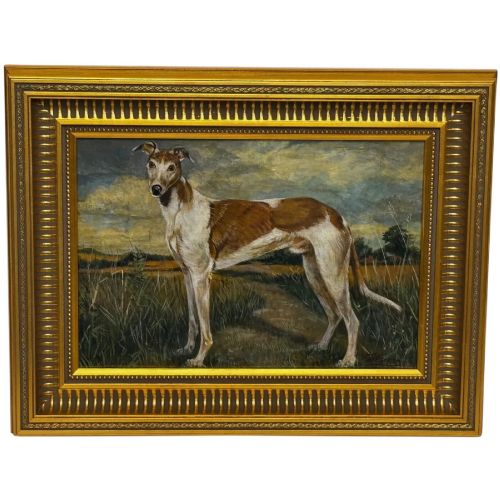
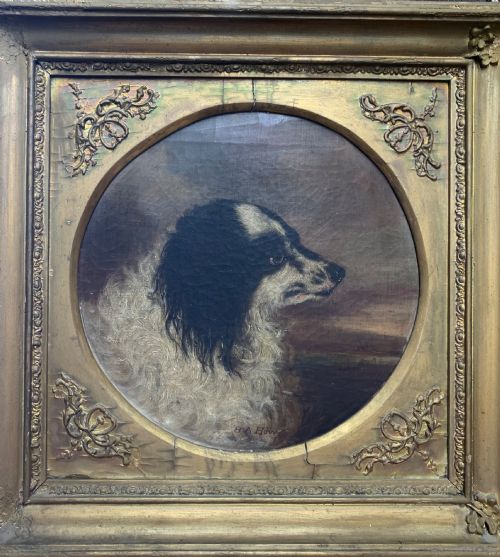
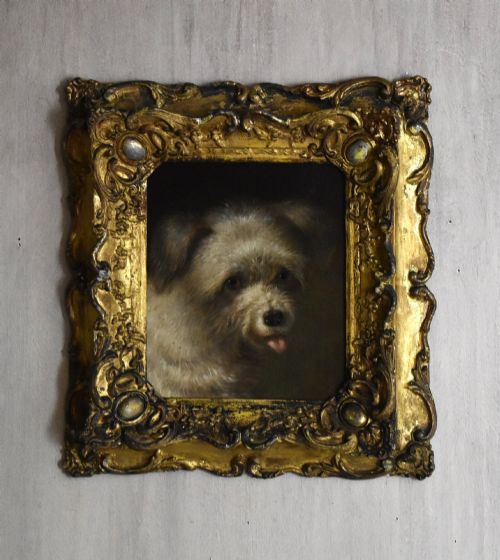
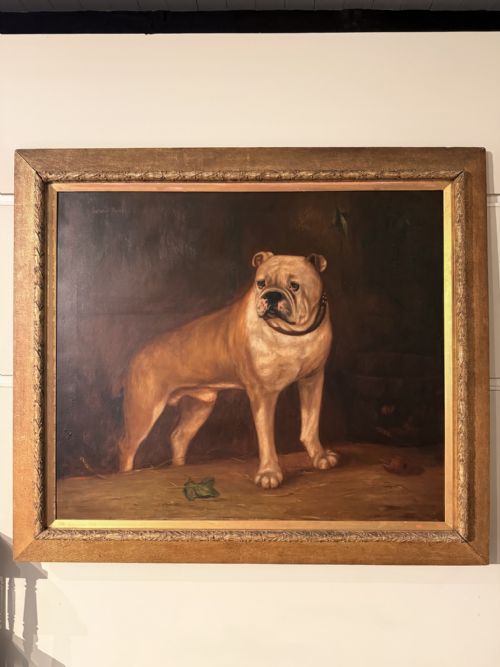
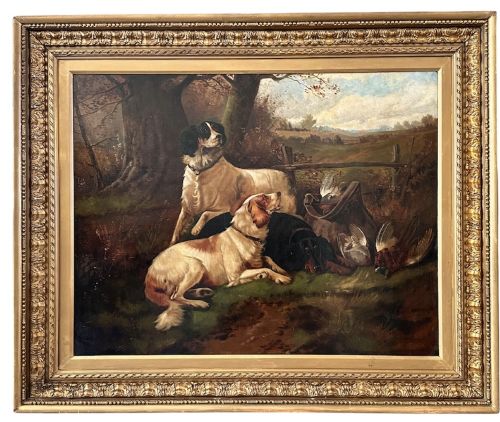
When you search for antique canine oil artwork, you are looking at painted studies of hounds, terriers, and sporting dogs set in landscapes or interiors.
Antique Canine Oil Artwork
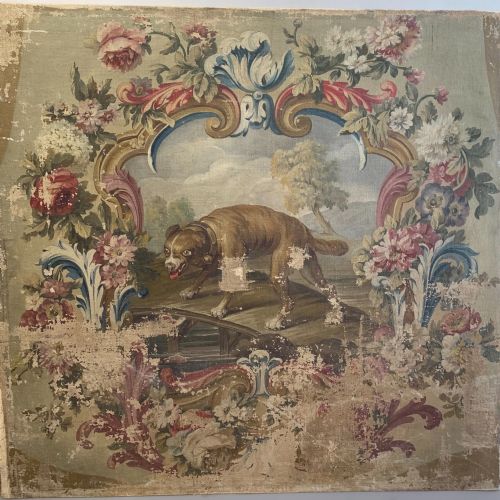
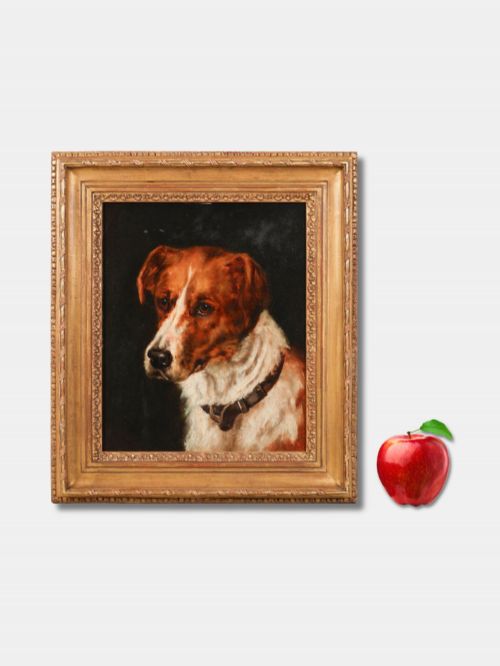
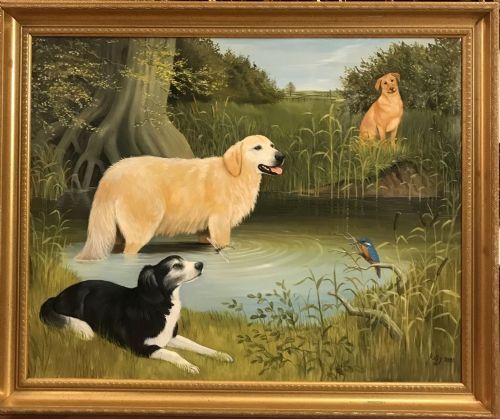
An antique canine oil artwork captures individual animals or hunting groups rendered on canvas or board. The selection spans the nineteenth and twentieth centuries, taking in Victorian sporting art, Edwardian studies, and mid-century dog portraits.
Most examples originate from British and European schools, depicting working dogs, gun dogs, and family pets. You will encounter formal studio portraits alongside action scenes of terriers and setters in the field.
The subjects range from named champions and specific breeds like collies and spaniels to more intimate character studies. Each canvas preserves a specific relationship between owner and animal from past centuries.
How they were made
The technique relies upon oil paint applied to stretched canvas or wooden board, frequently framed in original giltwood or gold leaf surrounds. Pigments are layered to build the texture of fur, expression, and the surrounding landscape.
Several canvases capture dogs caught mid-mischief, guarding trapped rats or eyeing the day's hunting bag with intense concentration.
What varies in quality
The strength of the anatomy and the precision in rendering the dog's expression distinguish finer works from standard decorative pieces. Master painters capture the intelligent gaze and distinct musculature of breeds with careful brushwork.
Compositional balance and the treatment of light across the subject's coat separate academic works from simpler vernacular portraits. The integration of the animal within its landscape setting also determines the artistic merit of the painting.
Valentine T. Garland·Martin Theodore Ward·John Emms·William Barraud·Colin Graeme Roe·John Trivett Nettleship·Florence Mabel Hollams·George Earl
The Antique Canine Oil Artwork Glossary
- Oil on Canvas
- A traditional painting medium where coloured pigments are suspended in a drying oil and applied to a woven fabric support. This combination allows for rich blending and longevity.
- Giltwood
- Wood that has been decorated with a thin layer of gold leaf or gilt. It is commonly found on the original frames housing these historic paintings.
- Sporting Art
- A genre of painting dedicated to field sports, hunting, and animal portraits. These works record the prized horses and dogs of landed estates.
- Canvas Board
- A stiff board faced with primed canvas fabric, offering a stable alternative to stretched canvas. It appears frequently in smaller twentieth-century dog studies.
Antique Canine Oil Artwork: Frequently Asked Questions
What breeds appear most frequently in these paintings?
Terriers, spaniels, and various gun dogs dominate the selections across the Victorian and Edwardian periods. Working collies and hounds also feature prominently in both rural scenes and formal portraits.
Artists frequently recorded specific working dogs belonging to landowners or prized racing champions. Their choices reflect the dominant sporting interests of the nineteenth century.
How do I care for an antique oil painting?
Keep the artwork away from direct sunlight and steady humidity fluctuations to protect both the canvas and the wooden frame. Gentle dusting with a soft, dry brush is generally sufficient for maintenance.
Avoid using water or chemical cleaners on the painted surface or gilt frame. Professional conservators should handle any cleaning or structural repairs.
How can I tell the period of the painting?
Examine the construction of the stretcher frames, the type of canvas, and the style of the gilt surround. Canvas preparation and backing boards often provide clues to the century of creation.
Clothing styles of any human figures, artist signatures, and framing techniques also help narrow down the date. Nineteenth-century works typically display heavier ornamentation on their frames than later twentieth-century pieces.
Where were these dog portraits originally displayed?
Owners historically hung canine artwork in country houses, estate libraries, and sporting lodges. They served to commemorate valued hunting companions and prize-winning animals.
Later Victorian and Edwardian households placed smaller dog studies in domestic drawing rooms and studies. These paintings formed part of a broader tradition of animal portraiture in British homes.