





Antique Cane Table
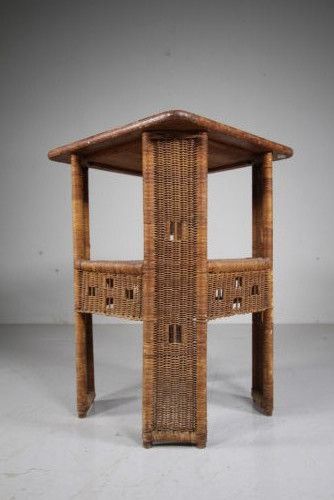
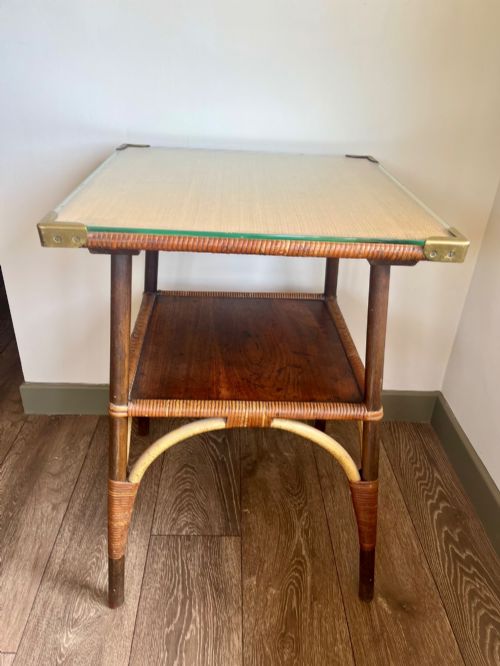
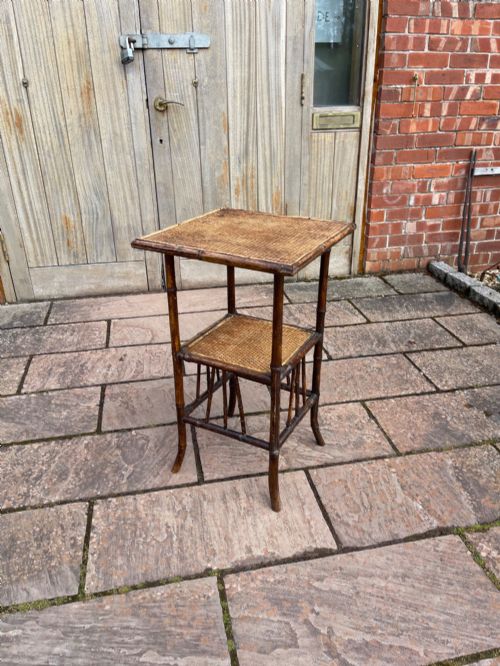
An antique cane table brings lightness and natural texture into a room, combining sturdy timber frames with woven surfaces.
Antique Cane Table
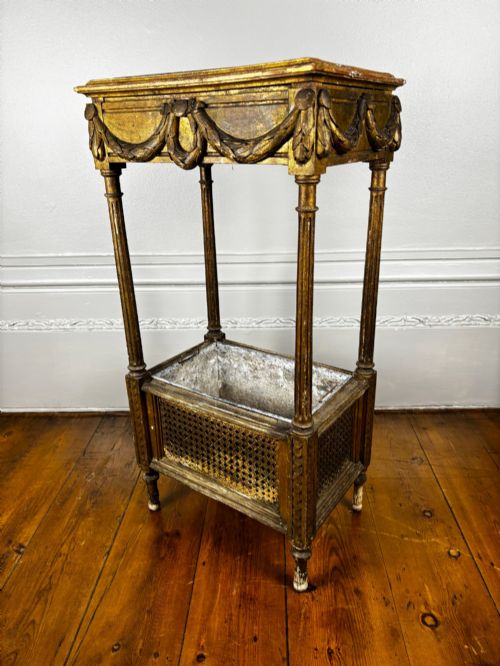
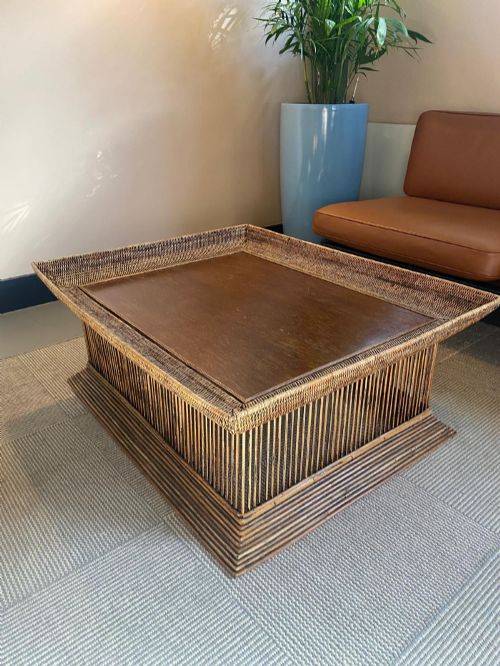
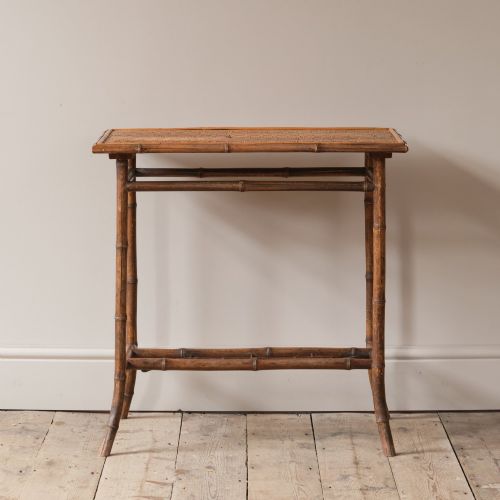
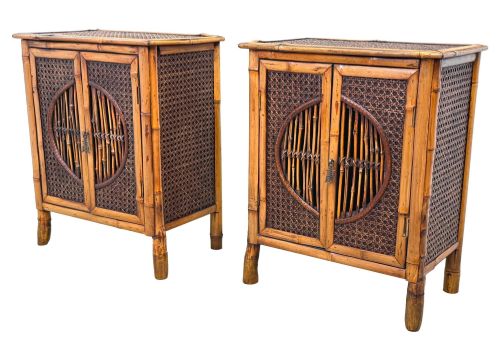
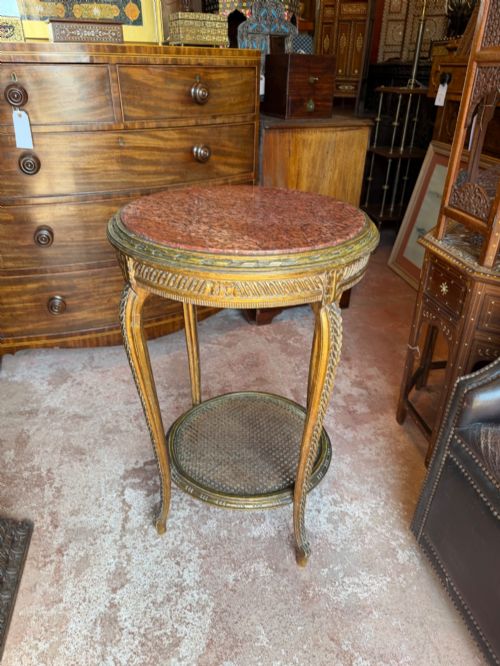
When searching for an antique cane table, buyers encounter a variety of forms including side tables, coffee tables, and two-tier etageres originating from the nineteenth and early twentieth centuries. These pieces often incorporate materials like mahogany, oak, bamboo, and marble alongside woven canework or rattan.
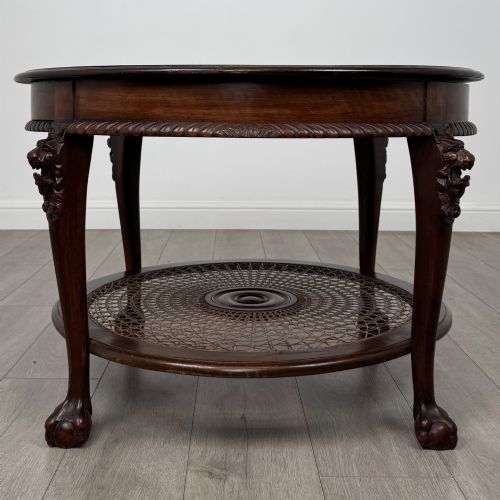
The version most commonly met on this page is the occasional or side table, frequently fashioned in French or English styles ranging from the Victorian era to the Edwardian period. Such tables serve practical functions in modern interiors while displaying traditional craftsmanship.
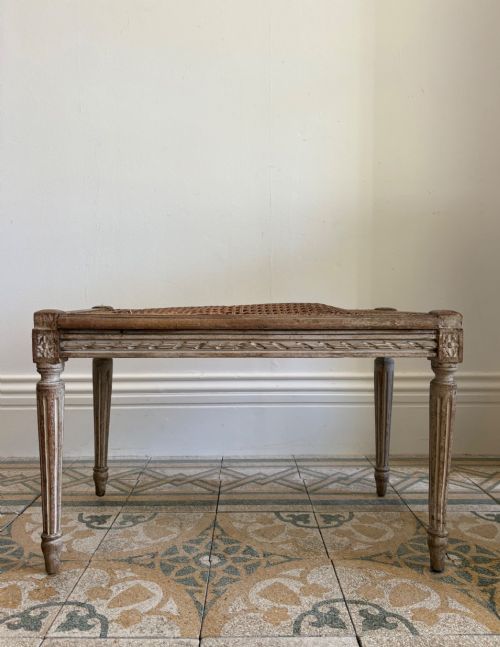
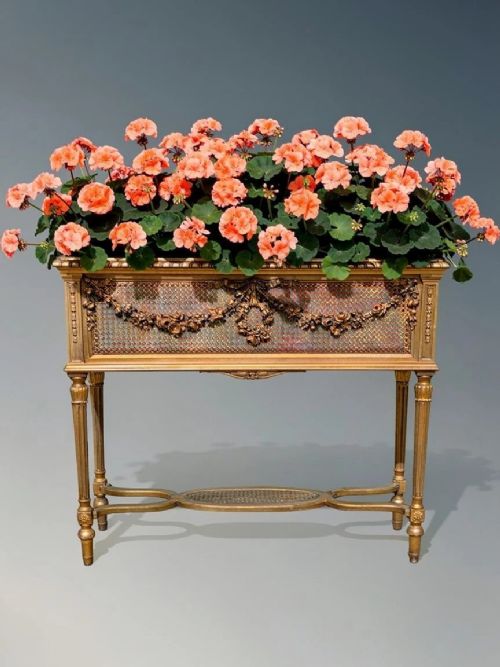
The selection also encompasses related furniture types such as caned stools, benches, and planter stands, reflecting the versatility of woven plant fibres in historic home furnishings.
Materials and construction methods
Construction relies heavily on traditional timber framing, utilising hardwoods like mahogany, satinwood, and oak alongside flexible natural materials such as cane, rattan, and bamboo. Joinery techniques connect these elements to support the tension of woven panels.
Canework surfaces are painstakingly hand-woven through pierced frames, requiring skill to maintain even spacing and structural integrity across the seat or table top. Additional decorative details include marble inserts, brass fittings, and painted finishes applied to wood.
Antique Cane Table Retail Price Guide 2026
Typical asking prices for cane table among the pieces listed under this phrase on Sellingantiques today, from the lower quarter to the upper quarter. They describe what is for sale here now, not the wider market.
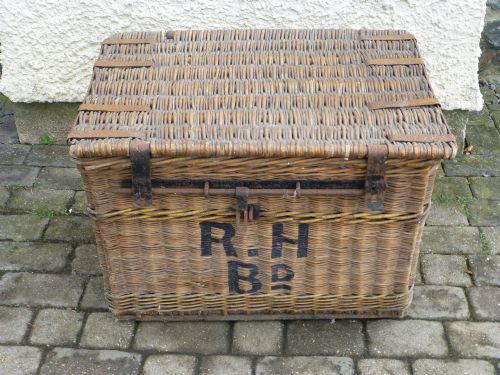
Some tables double as log baskets or travelling trunks, proving that historic furniture had a sense of adventure.
Distinctions in quality
The calibre of an antique cane table depends on the tightness and uniformity of the woven cane work, as well as the stability of the underlying timber frame. Finer examples display meticulous hand-carving and careful selection of secondary woods.
Provenance and stylistic coherence separate standard productions from works attributed to notable makers or specific design movements like the Aesthetic Movement. The integration of high-grade materials such as inset marble tops elevates certain pieces above simpler utility items.
Liberty & Co.·Krieger of Paris·Dryad of Leicester
The Antique Cane Table Glossary
- Cane
- A material derived from the peeled bark of the rattan palm, traditionally split and woven into decorative grid patterns for furniture panels.
- Etagere
- A set of open shelves or tiers used for displaying small objects, frequently seen in French nineteenth-century furniture designs.
- Gueridon
- A small French occasional table supported by one or more central columns, often featuring a circular marble top.
- Rattan
- A climbing palm native to tropical regions, utilised whole for structural framing or processed into woven elements.
- Aesthetic Movement
- A late nineteenth-century design style emphasising visual beauty over narrative subject matter, often incorporating bamboo and ebonised wood.
Antique Cane Table: Frequently Asked Questions
What is an antique cane table?
An antique cane table is a historic piece of furniture featuring a woven cane or rattan surface, typically supported by wooden frames of mahogany, bamboo, or oak.
These items range from compact side tables and coffee tables to multi-tiered etageres produced during the nineteenth and early twentieth centuries.
How were these tables used?
Historically, these tables served as versatile occasional pieces in drawing rooms, boudoirs, and parlours for holding books, tea services, or decorative items.
They provided lightweight yet sturdy surfaces that could be easily moved about the home to suit the occupants' needs.
How do I care for cane furniture?
Living with antique cane requires maintaining moderate humidity levels to prevent the natural fibres from drying out and becoming brittle.
Occasional gentle dusting and avoiding excessive weight on the woven panels will help preserve the material over time.
How do I identify the period?
Dating relies on examining the timber species, joinery methods, and stylistic cues such as Regency curves, Victorian proportions, or Edwardian satinwood.
Makers' marks, where present, also provide definitive clues to the exact era of production.