


Antique Canal Scene Art
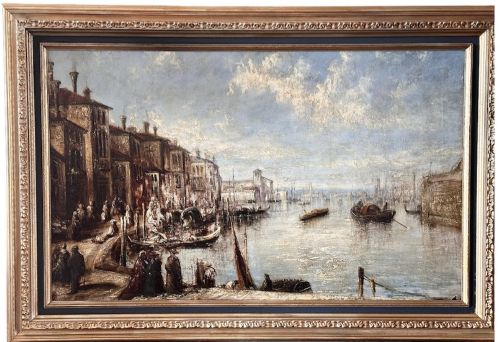
Antique canal scene art captures the timeless romance of waterways and historic architecture through the delicate brushwork of past centuries.
Antique Canal Scene Art
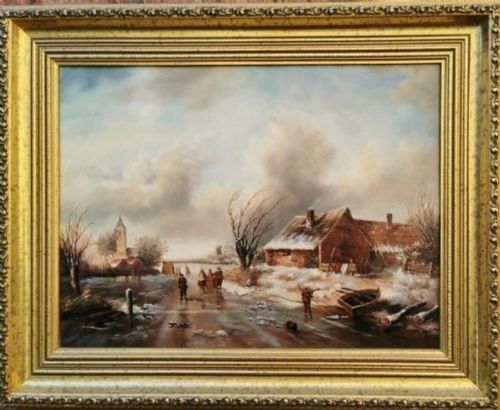
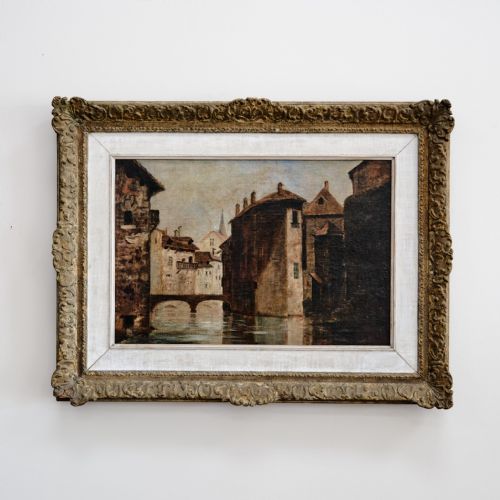
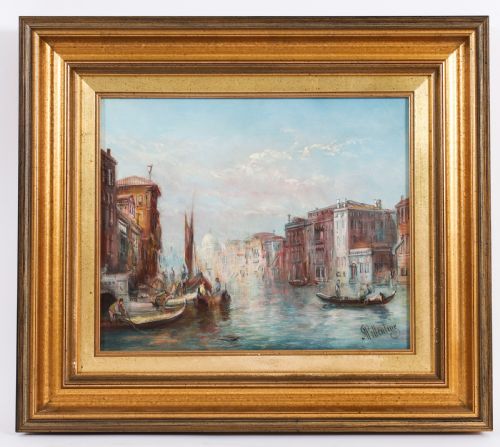
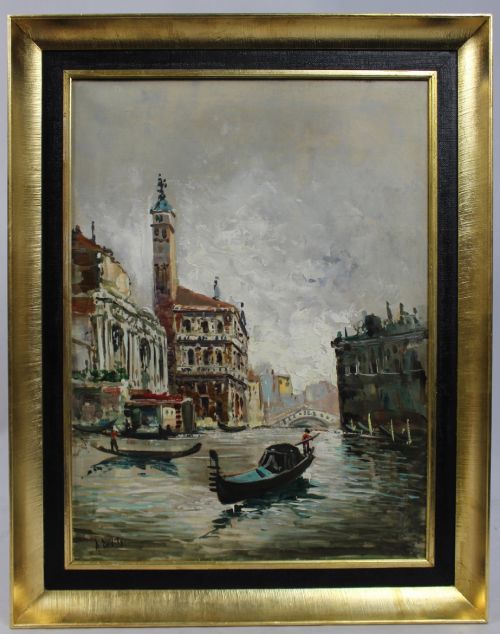
When you search for antique canal scene art, you encounter framed paintings and watercolours depicting historic waterways, urban quaysides, and distant Venetian palazzos. These works span the nineteenth century and the early twentieth century, reflecting the romantic fascination with travel, trade, and engineering achievements like locks and docks.
The most common examples on this page are oil paintings and watercolours representing European locations such as Venice, Dutch waterways, and British rivers. Artists render these scenes through distinct regional lenses, ranging from the bright palettes of impressionism to the moody atmospheres of the Dutch school.
Subjects stretch from grand Italian lagoons with gondoliers to quiet northern European canals flanked by windmills and historic architecture. Buyers find both intimate vignettes of daily working life and sweeping architectural vistas executed on canvas or paper.
How these works were made
Makers apply oil paint to stretched canvas or work with watercolour and gouache on paper to capture the shifting light upon water. Supports frequently feature period framing in giltwood or gesso, which preserves the fragile media and provides structural integrity to the composition.
Techniques vary from fluid watercolour washes that capture translucent river reflections to heavy oil impasto that builds rich textures on the canvas. Painters utilise these varied methods to describe the damp atmosphere of locks, quays, and bustling waterways.
Listings feature oil paintings, watercolours, pastels, and gouache works created across the nineteenth and early twentieth centuries.
What varies in quality
The distinction between standard works and exceptional pieces lies in the artist's ability to handle atmospheric perspective and the complex reflections of light upon water. Masterful control over tone and colour creates a convincing sense of depth along the receding lines of a canal.
Condition of the medium and the originality of the frame heavily influence the standing of any given piece. Well-preserved surfaces without excessive restoration retain the intended vibrancy of the original pigment.
Alfred Pollentine·Francis Moltino·Thomas Baker·Fred Lawson·Claude Jousset
The Antique Canal Scene Art Glossary
- Giltwood
- Wood carved and coated with gold leaf or gold paint. This finish frequently adorns the frames accompanying nineteenth-century paintings.
- Gesso
- A plaster-like mixture applied to wood surfaces as a base for gilding or painting. It allows craftsmen to create intricate moulded frame decorations.
- Impressionism
- An art movement characterised by relatively small, thin, yet visible brush strokes and an emphasis on accurate depiction of light. Practitioners focus on the shifting qualities of natural illumination.
- Watercolour
- A paint wherein the colour pigments are suspended in a water-soluble vehicle. Artists utilise this medium on paper to achieve luminous, translucent effects.
Antique Canal Scene Art: Frequently Asked Questions
What subjects appear in canal art?
These works depict bustling Venetian canals, quiet Dutch waterways, industrial docks, and rural locks with figures and boats.
Artists record specific locations across Europe, capturing both grand architectural landmarks and humble daily life along the water.
How do I care for antique watercolours?
Watercolours on paper require protection from direct sunlight to prevent the fading of delicate pigments.
Framing should utilise acid-free mounts and conservation glass to shield the paper from environmental degradation over time.
What is the difference between oil and watercolour?
Oil paintings utilise pigment suspended in drying oils applied to canvas or wood panels, offering rich textures.
Watercolours employ water-soluble media on paper, resulting in transparent, luminous washes that depend on the white paper for brilliance.
How do I identify the period of a painting?
Periods reveal themselves through stylistic conventions, costume details of figures, and the physical construction of the canvas support.
Signatures, artist records, and the style of the original giltwood or gesso frame provide further clues regarding the date of creation.