

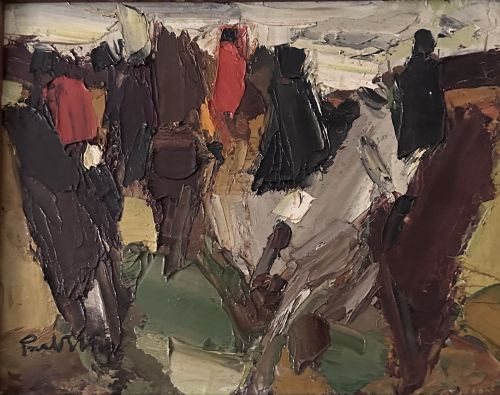


Mid Century Expressionist Painting
When searching for mid century expressionist painting, you uncover dynamic works that capture emotional intensity through bold brushwork and striking colour.
Mid Century Expressionist Painting
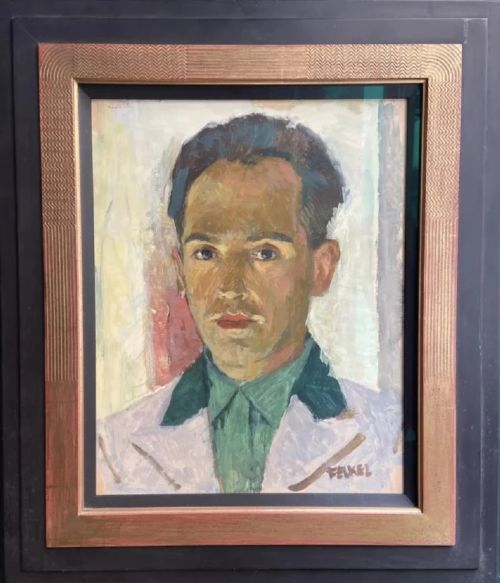
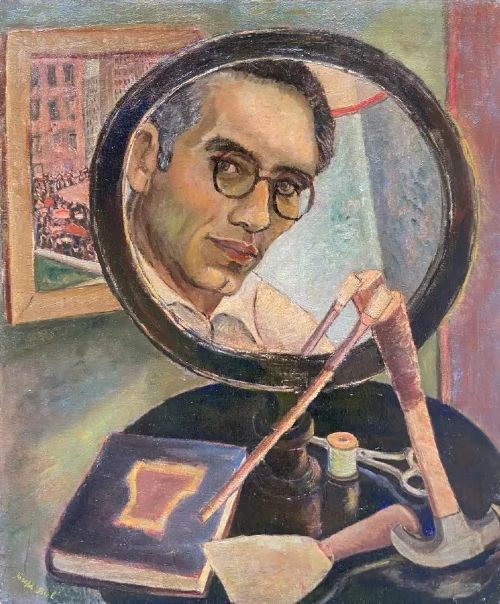
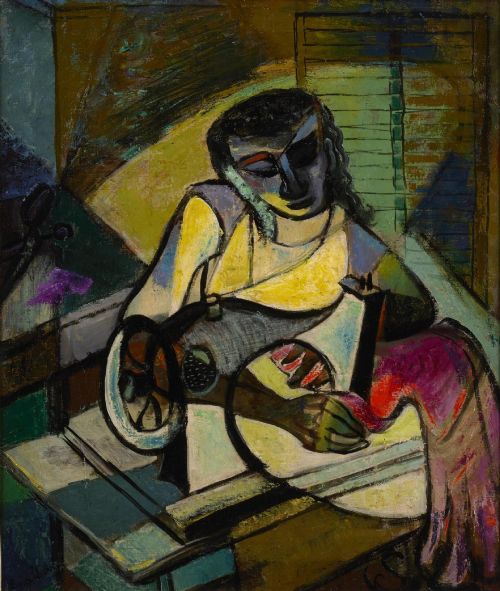
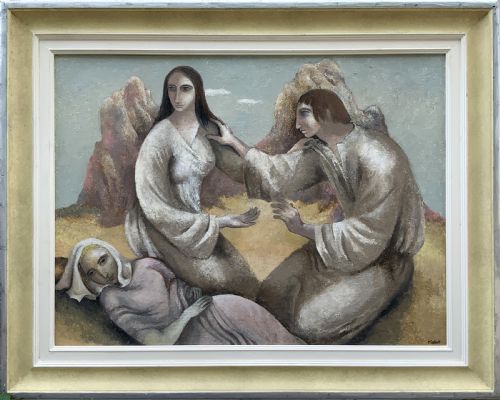
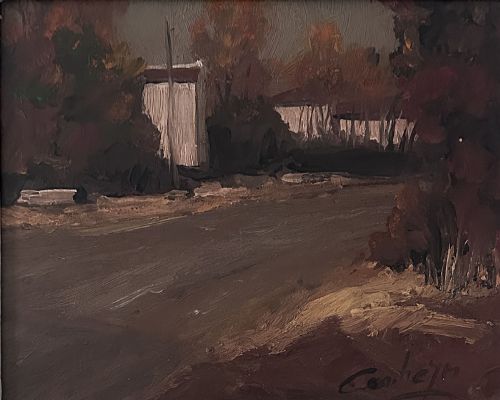
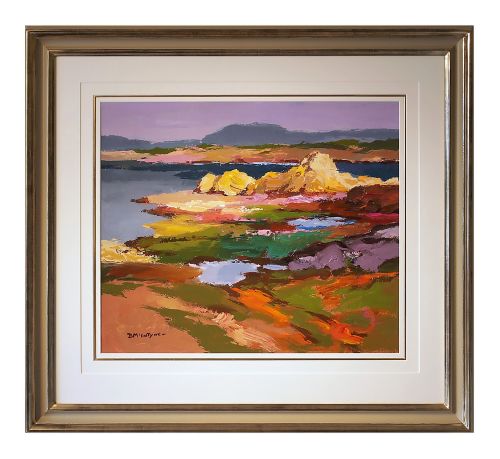
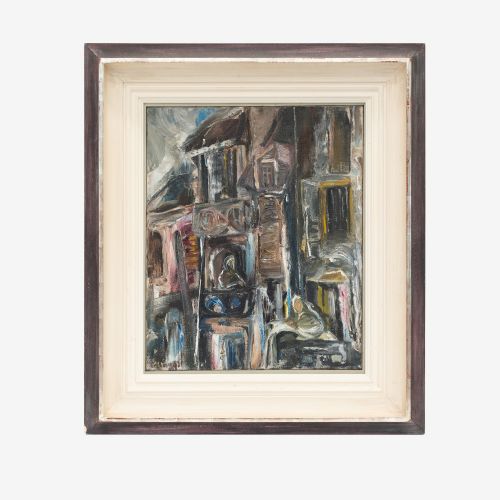
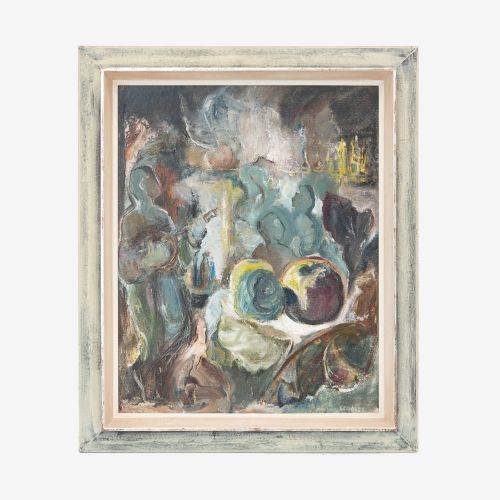
When exploring mid century expressionist painting, collectors encounter a diverse range of works spanning decades from the nineteen twenties through to the nineteen sixties. The pieces represented here encompass powerful self portraits, evocative street scenes of Paris, and dynamic landscape studies.
How They Were Made
Artists of this era primarily utilised oil paint applied to prepared canvas or sturdy board supports. The technique often incorporates thick impasto application, building tactile surfaces that elevate the emotional resonance of the subject matter.
Supporting materials such as wood frames and glass preservation layers frequently accompany the painted works. Certain pieces incorporate mixed media elements on paper, demonstrating the experimental methods typical of twentieth-century modernism.
Listings feature works created across multiple decades, spanning from the nineteen-twenties to the nineteen-sixties.
What Varies in Quality
The distinction between ordinary and exceptional works rests on the confidence of the brushwork and the clarity of the artistic vision. Superior examples display a decisive handling of pigment that commands the viewer's attention across the composition.
Provenance and documentation also separate notable pieces from anonymous creations. Works retaining clear artist attribution or exhibition history carry deeper art historical significance.
Carl Felkel·Joseph Biel·Lena Gurr·Donald McIntyre·Lilian Colbourn·Joan Gillchrest·Tony Giles·Dame Elisabeth Frink·Hazel M Barnett·Gaetan Dumas·Gabriel Dauchot·Mercedes Legrand·Baruch Shalom Oskotsky·Hein Hoppmann·Leon Kossoff·Derek Latimer Sayer·William McCance·Peter Jackson·Adrian Heath
The Mid Century Expressionist Painting Glossary
- Impasto
- A technique where paint is laid onto a surface in very thick layers, usually thick enough that the brush or painting-knife strokes are visible. This method adds physical texture and depth to the painted surface.
- Expressionism
- A modernist movement originating in Europe where artists sought to depict emotional experience rather than physical reality. Distorted forms and intense colours are typical hallmarks of this approach.
- Mid-Century Modern
- A design and art movement spanning roughly from the nineteen-forties to the nineteen-sixties, characterised by clean aesthetics and forward-looking abstraction. It heavily influenced both painting and decorative arts.
- Provenance
- The chronology of the ownership, custody, or location of a historical object or artwork. A documented history authenticates the piece and connects it to its creator.
Mid Century Expressionist Painting: Frequently Asked Questions
What defines a mid century expressionist painting?
These works combine the emotional intensity of expressionism with the aesthetic developments of the mid-twentieth century. Artists prioritised internal feeling over strict realism.
Brushwork tends to be vigorous and colours are frequently chosen for psychological impact rather than naturalistic accuracy.
How should I display these paintings?
Such works suit both contemporary minimalist interiors and eclectic traditional spaces. Ensure they hang away from direct sunlight to protect the oil pigments.
Proper framing enhances the visual weight of the heavy brushwork characteristic of these pieces.
Are these works signed by the artists?
Many listings feature signatures, dates, or notable exhibition provenances. Signed pieces offer clearer historical attribution for collectors.
Unsigned works nevertheless display distinct stylistic markers characteristic of specific regional movements.
What periods do these paintings cover?
The available selection spans from early twentieth-century experimentation in the nineteen-twenties through to post-war creations of the nineteen-sixties. Each decade reflects shifting social conditions and artistic reactions.
Works from the wartime nineteen-forties often carry particularly resonant themes of resilience.