




Vintage European Cityscape Painting
A vintage european cityscape painting captures the enduring charm of bustling continental streets, historic canals, and grand squares across various twentieth-century movements.
Vintage European Cityscape Painting
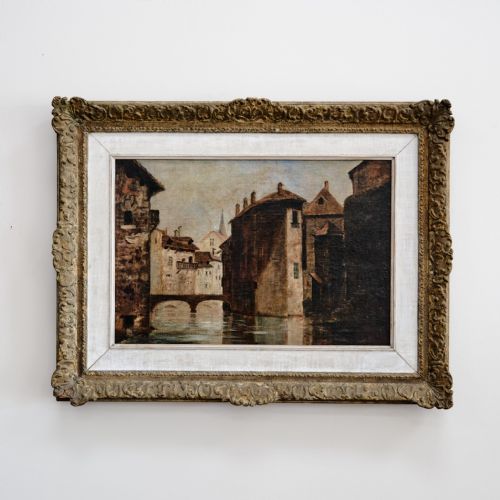
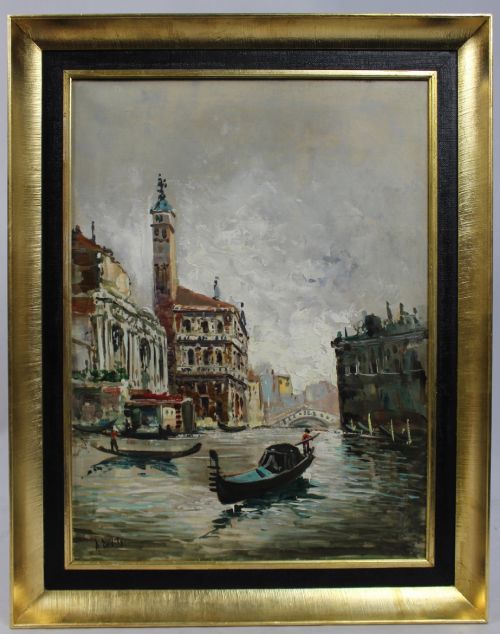
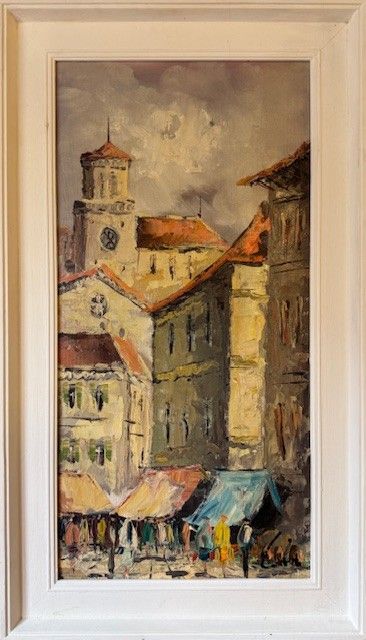
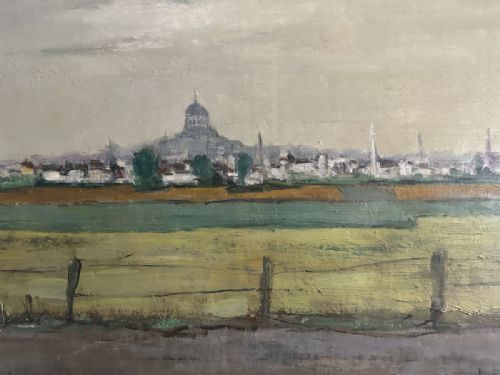
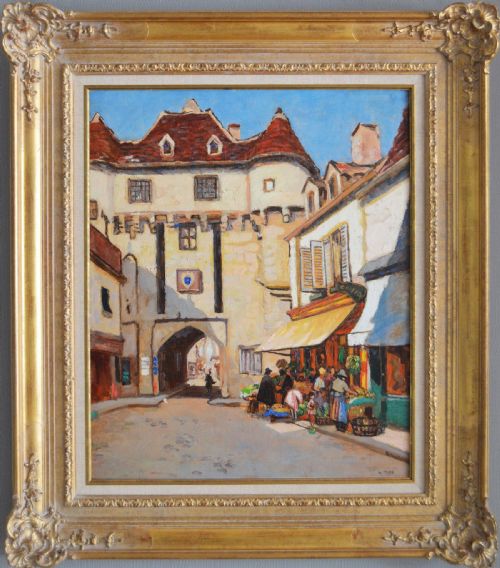
A vintage european cityscape painting brings urban scenes into domestic spaces through works executed on canvas, board, and paper. These artworks record architectural views ranging from bustling French market squares to serene Venetian canals.
Compositions depict specific locales such as Padua, Paris, Ghent, and Semur, alongside anonymous continental views. Mediums include traditional oil paints and watercolours capturing urban life and riverbanks.
How they were made
Artists built these compositions primarily using oil paint applied to stretched canvas or wooden board. This traditional technique allowed painters to build rich surface textures and capture shifting natural light across urban stone and water.
Some works incorporate gesso and gilt finishes within their frames or surface preparation. Watercolours on paper also appear, utilising fluid washes to render atmospheric riverside views of landmarks like Notre Dame.
Represented periods span from the nineteenth century through the mid-century modern era.
What varies in quality
The distinction between works rests upon the confidence of the brushwork and the handling of perspective. Masterly pieces demonstrate a distinct command of light and shadow that animates the architectural forms.
Contextual strength also influences the work, as identifiable locations and documented artists carry more art historical weight than anonymous views. The interplay between paint application and support condition completes the assessment.
Antonio DeVity·E A Minardo·Job de Vogel·Noel Harry Leaver·Letitia Marion Hamilton
The Vintage European Cityscape Painting Glossary
- Impressionism
- A nineteenth-century painting style focusing on transient visual impressions through small, thin brush strokes and open composition. It prioritises accurate depiction of light in its changing qualities.
- German Expressionism
- An early twentieth-century modernist movement originating in Germany that presented the world from a subjective perspective. Works in this style distort radical forms for emotional effect.
- Gesso
- A paint mixture consisting of a binder mixed with chalk, gypsum, and pigment used to prepare a substrate for painting. It provides a smooth surface for oil and tempera applications.
- Gilt
- Covered thinly with gold leaf or gold paint to impart a decorative metallic sheen. This treatment often appears on period frames accompanying historic canvases.
Vintage European Cityscape Painting: Frequently Asked Questions
How do I date a cityscape oil painting?
Dating relies on stylistic evidence, stretcher construction, and artist signatures where available. Mid-century works often display looser brushwork compared to nineteenth-century academic standards.
Material analysis of the canvas and underlying gesso also assists in establishing an approximate period of creation.
Where should I hang a cityscape painting?
These works suit dining rooms, studies, or living areas where adequate wall space allows the composition to draw the eye. Neutral wall colours help the architectural tones stand out.
Keep paintings away from direct sunlight and excessive moisture to protect the oil paint and canvas over time.
What is the difference between an oil and a watercolour?
Oils utilise slow-drying paint bound in oil, allowing for thick impasto textures and deep colour layering. Watercolours employ water-soluble pigments on paper for a translucent effect.
Oils require stretcher frames, whereas watercolours need glass protection to prevent paper deterioration.
How do I recognise impressionist cityscapes?
Impressionist views focus on light effects, atmospheric conditions, and the vibrant hustle of urban life rather than strict architectural precision. Artists use visible, rapid brushstrokes.
These paintings frequently depict bustling streets, bridges, and riverbanks with blurred motion.
Are frames original to the paintings?
Frames may be original period pieces or later replacements chosen to complement the aesthetic of the artwork. Gilt or moulded wood frames often match the era of the canvas.
Examining the rabbet and backboards helps determine whether frame and painting have remained together.