


Antique Cabriole Leg Seat
When you search for an antique cabriole leg seat, you encounter centuries of curving timber supporting upholstered comfort.
Antique Cabriole Leg Seat
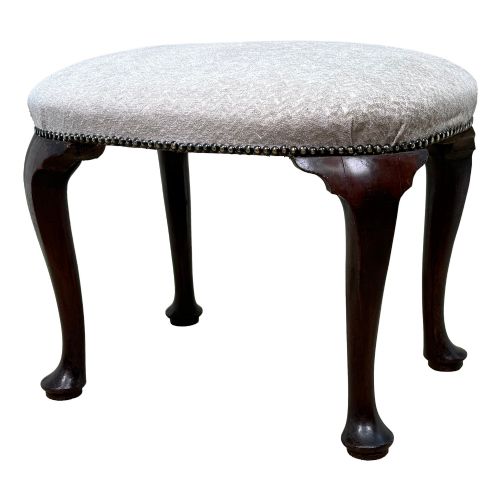
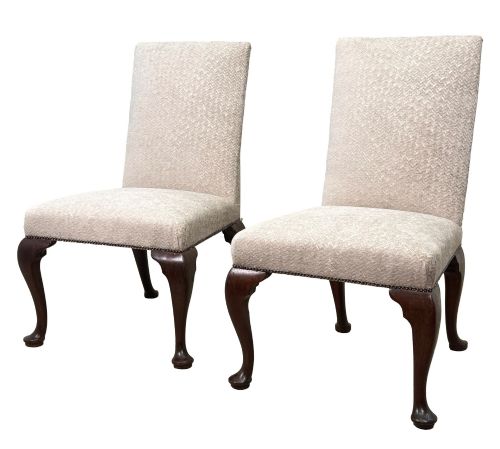
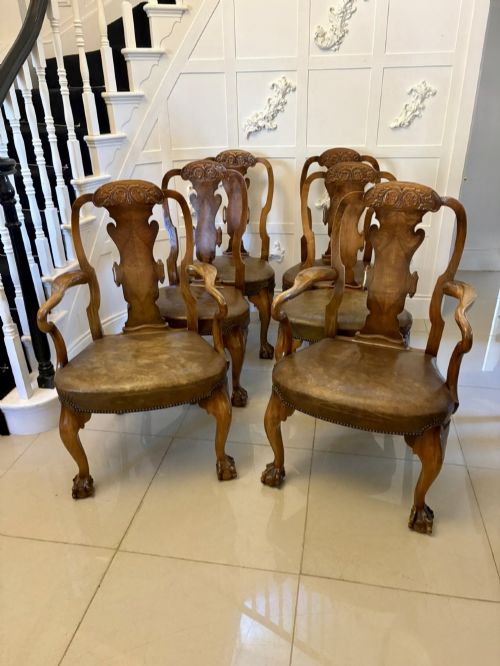
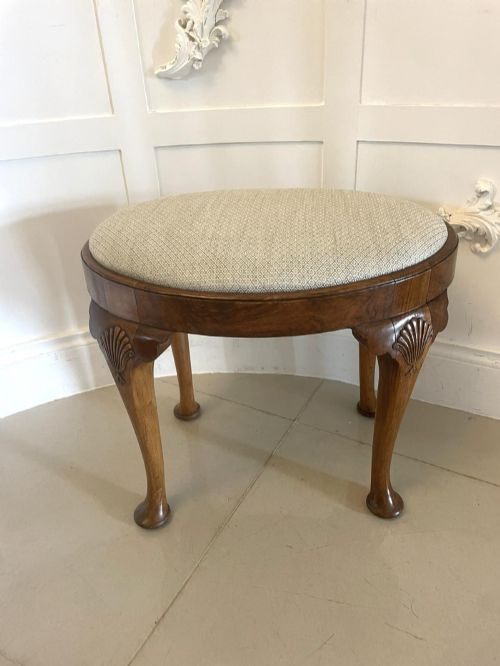
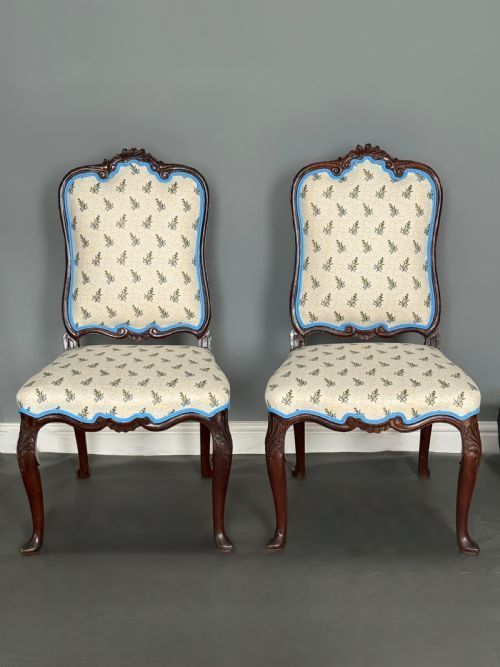
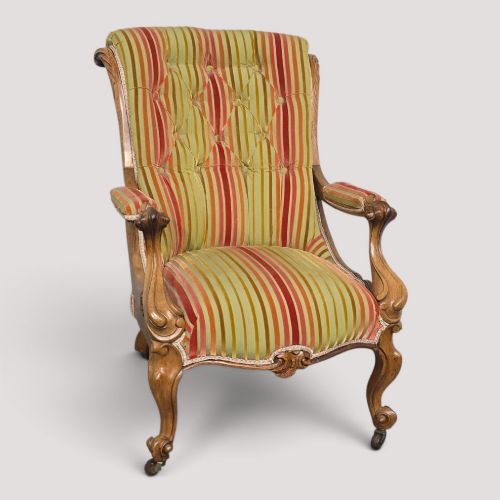
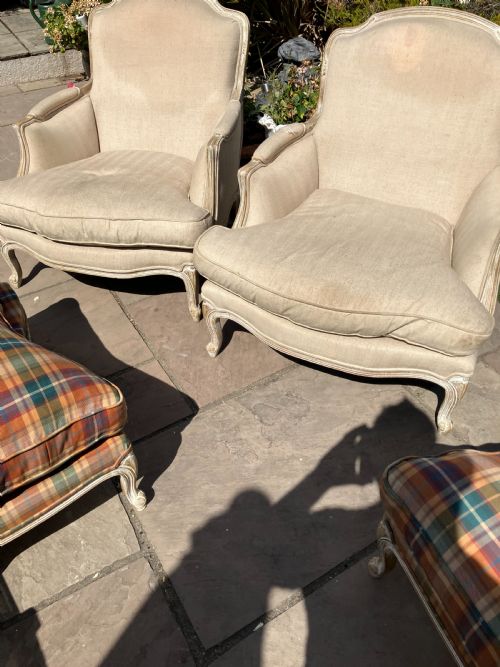
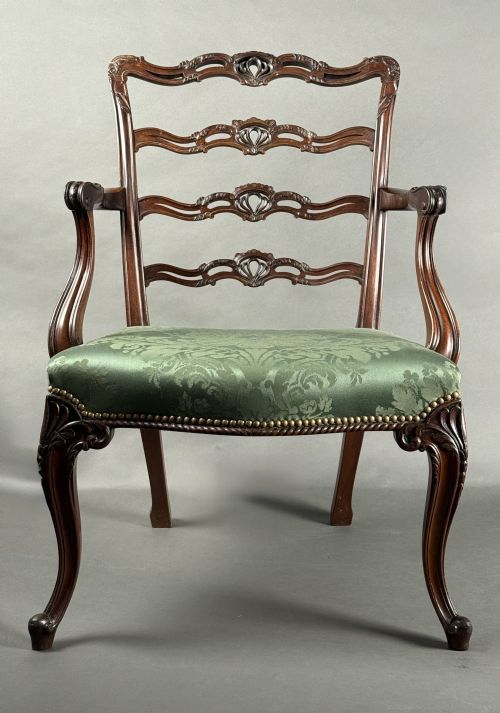
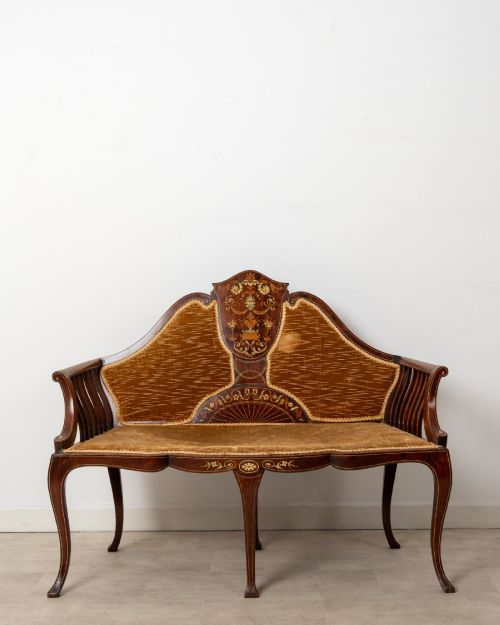
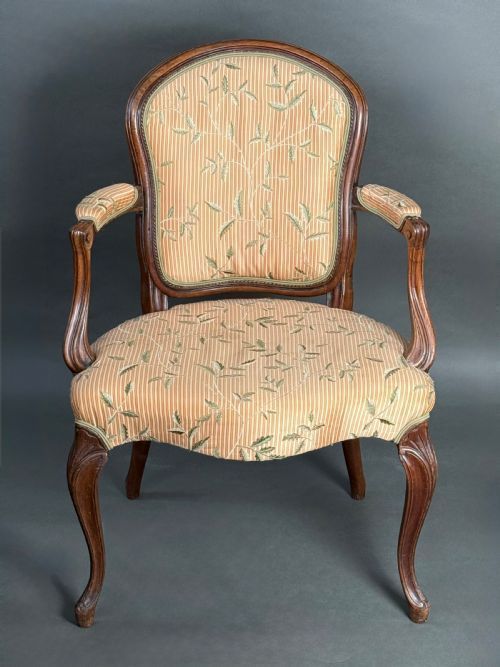
An antique cabriole leg seat encompasses diverse forms designed for sitting and resting, from single dining chairs to large settees and small stools. When searching this phrase, buyers most commonly meet Victorian and Edwardian examples alongside pieces executed in the Queen Anne and Louis XV styles.
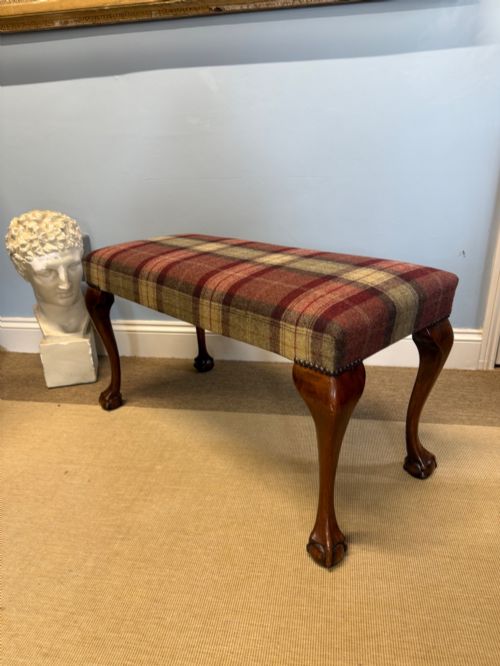
The selection ranges across centuries, including 18th-century walnut and mahogany chairs alongside later revival pieces. Forms vary from bedroom chairs and library armchairs to window seats and dressing stools, each supported by the characteristic curved leg ending in a pad or claw foot.
What varies in quality
The distinction between tiers rests upon the crispness of the timber carving and the integrity of the underlying frame construction. Finer examples display harmonious proportions in the sweep of the leg and the selection of figured veneers.
Material choice dictates standard, with solid walnut and mahogany pieces outperforming simpler secondary woods. Upholstery execution and the preservation of original fabric or period-appropriate textiles also influence standing.
Footstools range from small dressing seats to carriage footstools designed to keep feet warm during bumpy nineteenth-century coach journeys.
Charles Tozer·Warings·Whytock and Reid
The Antique Cabriole Leg Seat Glossary
- Cabriole leg
- A furniture leg that curves out in a convex arc at the knee and tapers inward in a concave arc below, ending in a foot. This form originated in antiquity and gained prominence in Dutch and English furniture design.
- Bergere
- An enclosed upholstered armchair with wooden framing visible around the sides and back. These French-inspired seats frequently feature cane panels or tight upholstery.
- Settee
- A long upholstered seat with a back and arms, designed to accommodate multiple people. These pieces emerged in various revival styles during the 19th and early 20th centuries.
- Giltwood
- Wood that has been coated with a thin layer of gold leaf or gilt powder. This decorative finish appears predominantly on 18th-century and revival salon seating.
- Wingback
- An armchair with side panels extending from the back to shelter the user from drafts. These seats often rest upon carved cabriole supports.
Antique Cabriole Leg Seat: Frequently Asked Questions
How do I date a cabriole leg seat?
Dating relies upon timber selection, construction methods, and stylistic cues present in the frame. Earlier pieces from the 18th century often utilise dense walnut or mahogany with hand-cut joinery.
Later revival pieces from the Victorian and Edwardian periods display machine assistance and specific stylistic revivals, such as Queen Anne or Louis XV interpretations.
Are these seats suitable for daily use?
Most of these pieces are structurally sound for modern living when the frames remain stable and joints are secure. Antique seating often benefits from professional checks on the internal webbing and padding before regular deployment.
Lighter stools and bedroom chairs function well as occasional seating, while dining sets handle routine use.
What is the difference between a stool and a footstool?
Stools generally stand higher and were built for sitting at dressing tables, pianos, or dining settings. Footstools and long benches sit lower to the ground, intended to support resting feet or serve as window seats.
Both forms frequently share the characteristic curved leg style across various periods.
How should I care for antique wood and upholstery?
Maintain timber surfaces by dusting regularly with a soft cloth and avoiding direct sunlight or excessive moisture. Preservation depends upon gentle cleaning methods that protect the original polish and patina.
Upholstery requires careful vacuuming with a low-suction attachment and prompt attention to spills by professional cleaners.