
Antique Cabriole Desk
An antique cabriole desk combines curved leg forms with writing surfaces from periods spanning the eighteenth to the twentieth centuries.
Antique Cabriole Desk
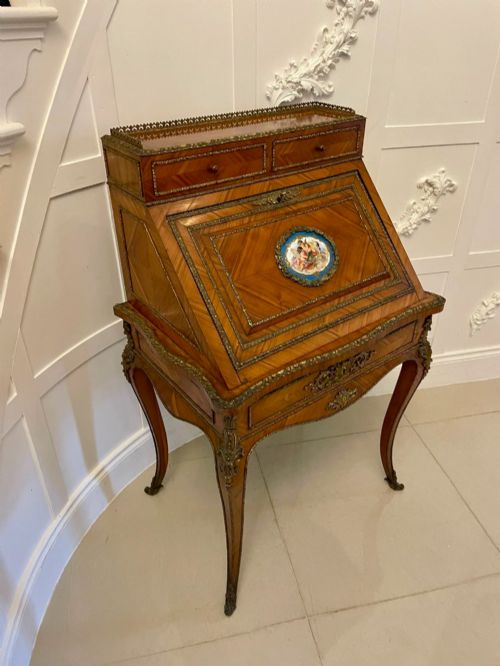
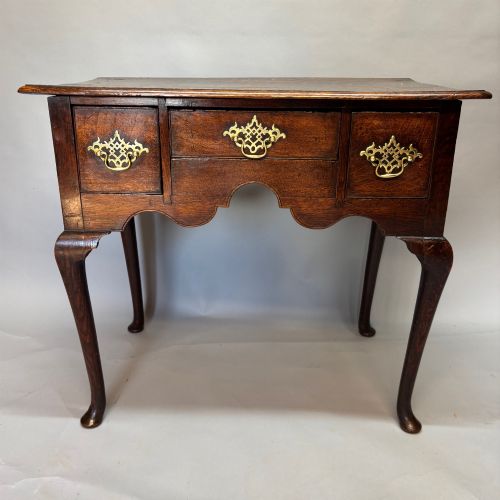
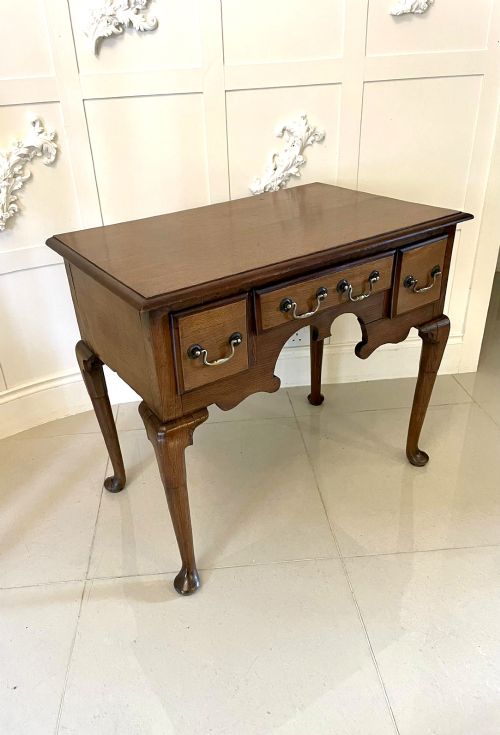
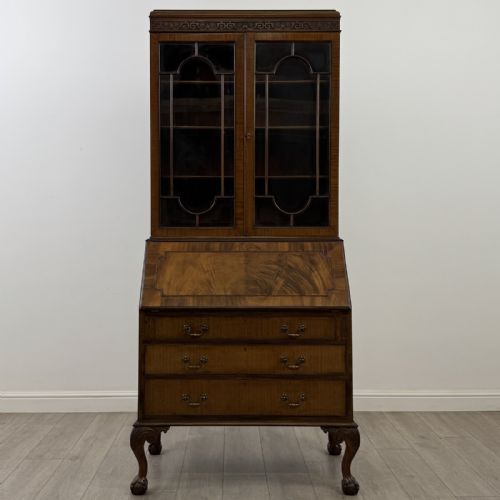
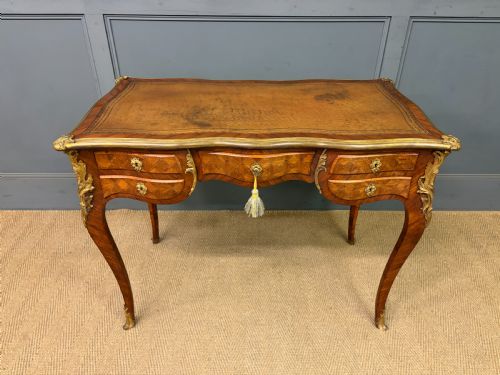
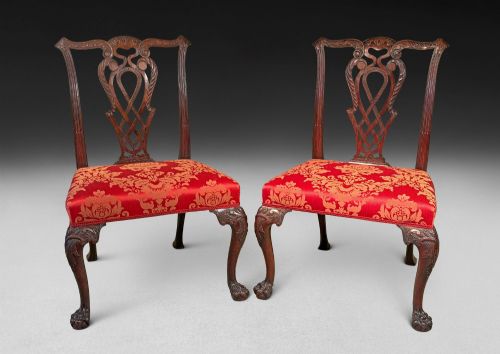
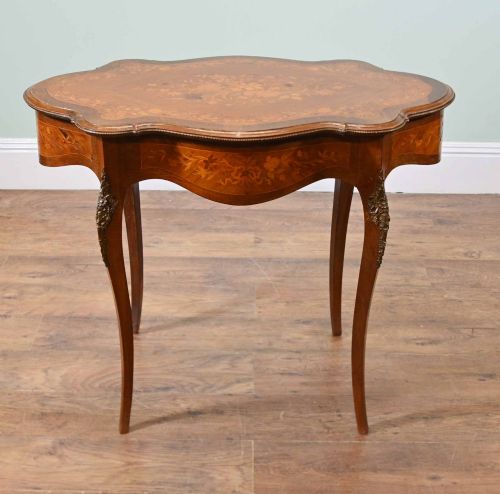
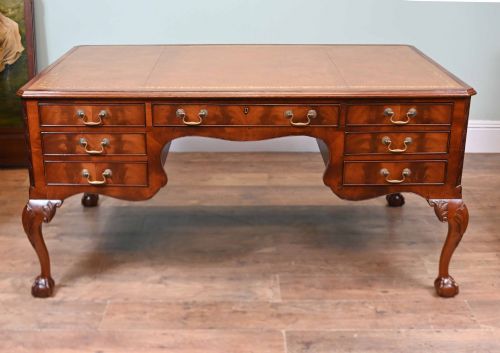
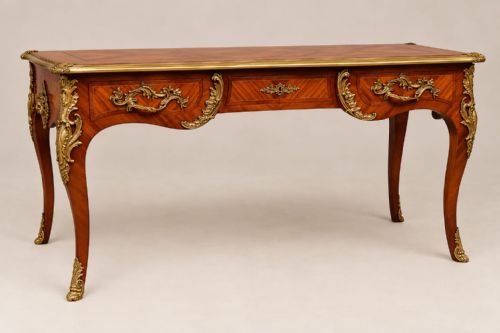
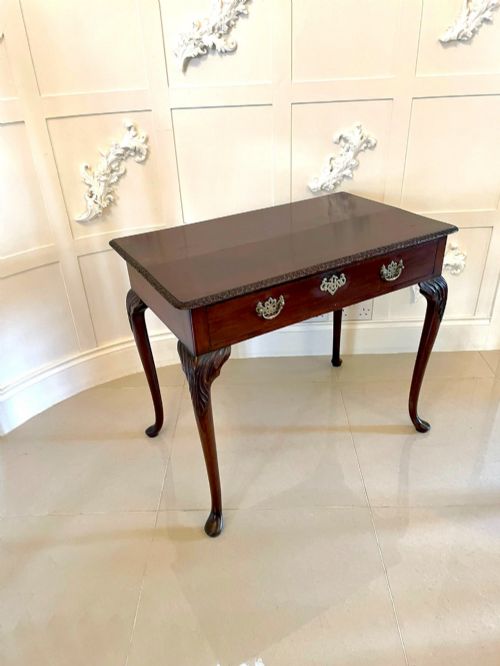
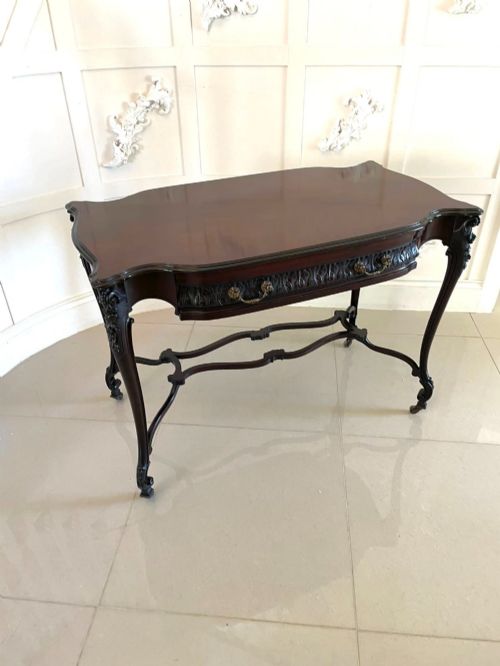
When you search for an antique cabriole desk, you encounter writing furniture defined by characteristic double-curved legs originating in earlier historical eras and revived across later decades. The selections on this page encompass forms such as writing desks, bureau plats, and bureaus on stands.
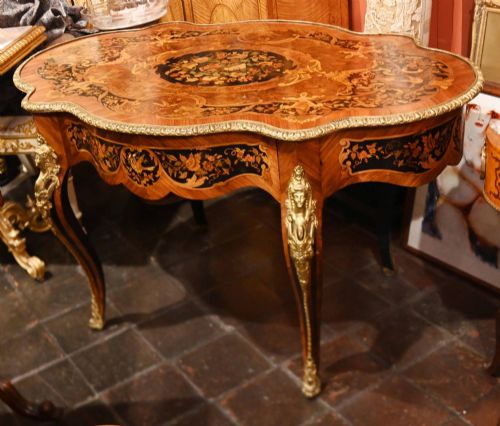
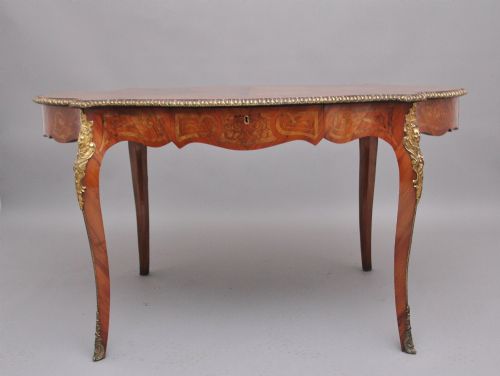
The material vocabulary ranges from walnut and mahogany to burr walnut, kingwood, and oak, often ornamented with marquetry or ormolu mounts. Pieces emerge from diverse stylistic revivals including Queen Anne, Louis XV, and Chippendale.
The common thread across these disparate examples is the distinct leg profile supporting surfaces designed for correspondence and clerical tasks. Buyers select these items to anchor studies, libraries, and principal living rooms with historical presence.
How they were made
Cabinetmakers utilised solid timbers and decorative veneers, applying walnut, mahogany, rosewood, and kingwood over sturdier secondary woods. Marquetry and parquetry involved precise inlay of contrasting botanical specimens, creating floral or geometric top designs.
Structural elements incorporated brass handles and cast ormolu mounts fixed to corners and aprons, particularly on French revival pieces. Leather inserts frequently surfaced the writing platforms, bordered by gilt tooling.
Periods represented span from eighteenth-century Georgian and Queen Anne eras through Victorian times to Edwardian and 1920s revivals.
What varies in quality
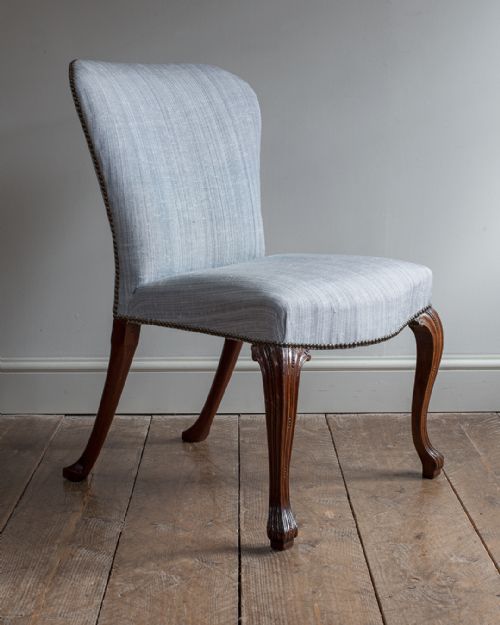
The refinement of the leg curvature dictates the visual success of the piece, separating confident sculptural shaping from stiff or blocky execution. Crispness in carved details, such as knees and toes on the legs, distinguishes superior examples.
The selection and bookmatching of veneers across large writing surfaces determine the decorative impact. Quality shows in the precise fit of drawers and the preservation of original mounts and hardware.
Charles Tozer·Francois Linke·Edwards and Roberts
The Antique Cabriole Desk Glossary
- Cabriole leg
- A furniture leg that curves outward at the knee and inward at the ankle, ending in a foot. This form derives from classical antiquity and dominated eighteenth-century design.
- Bureau plat
- A flat-topped writing table, usually freestanding with drawers beneath the surface. These desks became popular in France during the eighteenth century.
- Ormolu
- Gilded bronze used for decorative mounts on furniture. It provides metallic contrast to dark woods like kingwood and mahogany.
- Marquetry
- Decorative patterns created by fitting pieces of veneer into a prepared wooden ground. Floral motifs and geometric designs feature extensively in the evidence.
Antique Cabriole Desk: Frequently Asked Questions
How do I identify a cabriole leg?
Look for a distinctive double curve where the wood swells outward near the top and tapers inward toward the floor. This profile mimics animal legs and provides structural support without heavy stretchers.
Cabinetmakers shaped these contours from solid timber or laminated blocks before carving terminal details at the foot. The graceful sweep defines the silhouette of desks, tables, and chairs across multiple revival periods.
Are these desks suitable for daily use?
Many examples provide sturdy writing surfaces and functional drawers capable of accommodating contemporary paperwork and laptops. Leather or suede inserts supply durable working areas that handle daily writing tasks.
Care should be taken with antique veneered surfaces and delicate ormolu mounts when placing modern objects upon them. Using appropriate blotters protects historical finishes from wear.
How do I date an antique desk?
Dating relies on combining the stylistic period, such as Georgian or Edwardian, with the timber species and construction methods visible in the drawers and framing. Evidence of hand-cut dovetails and secondary woods aids in establishing the era of manufacture.
Revival pieces from the nineteenth and twentieth centuries often emulate earlier eighteenth-century designs closely. Examining the internal secondary timbers usually reveals whether a piece is an eighteenth-century original or a later interpretation.