

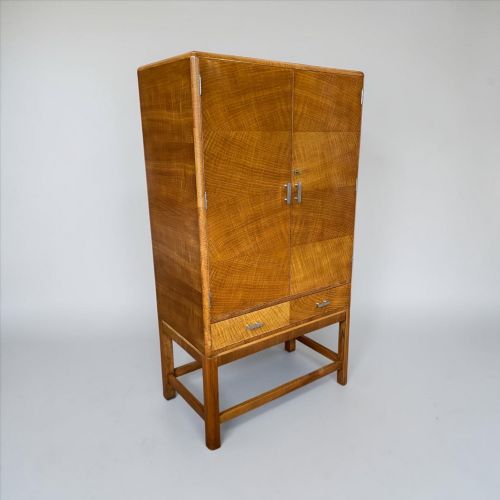
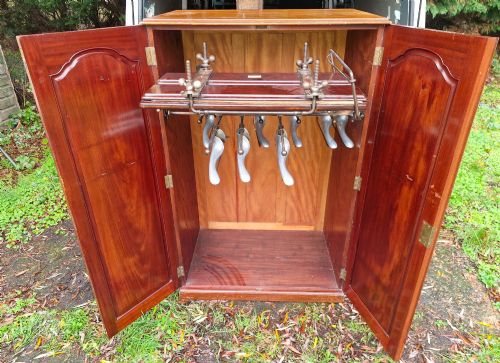
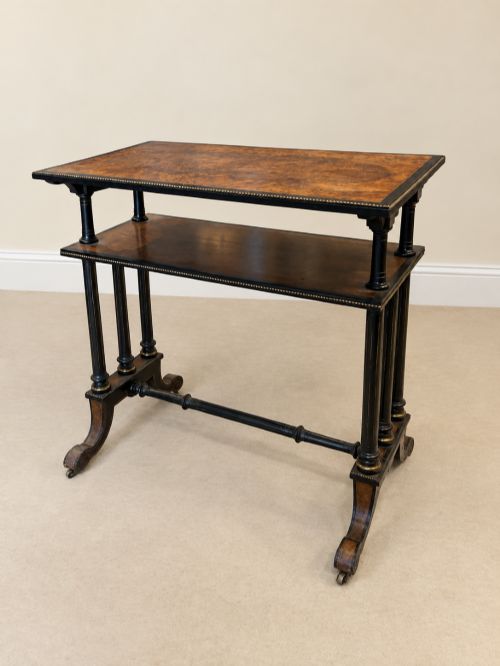

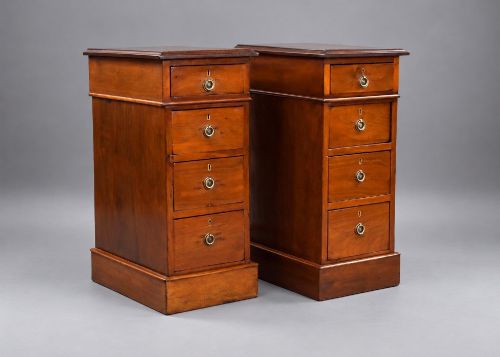
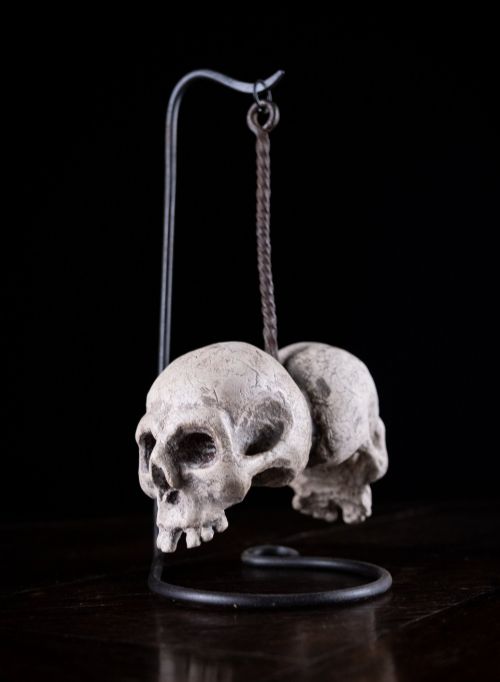
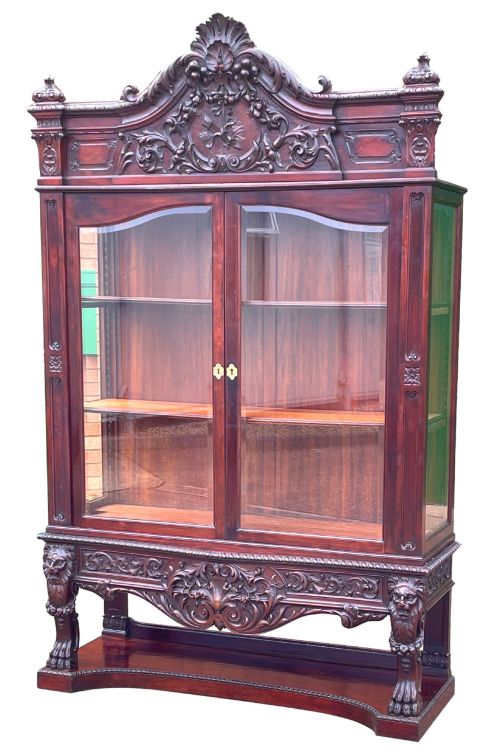
Antique Cabinet with Stand
An antique cabinet with stand provides elevated storage and display, bringing proportion and craftsmanship to a room.
Antique Cabinet with Stand
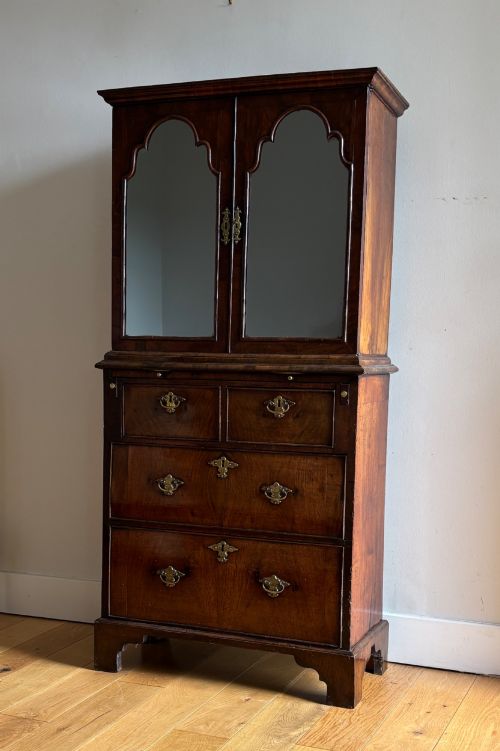
An antique cabinet with stand brings together a raised storage compartment and a supporting base, originating from periods spanning the seventeenth to the twentieth century. These forms vary from Dutch oak and marquetry examples to Georgian collectors chests and later interpretations.
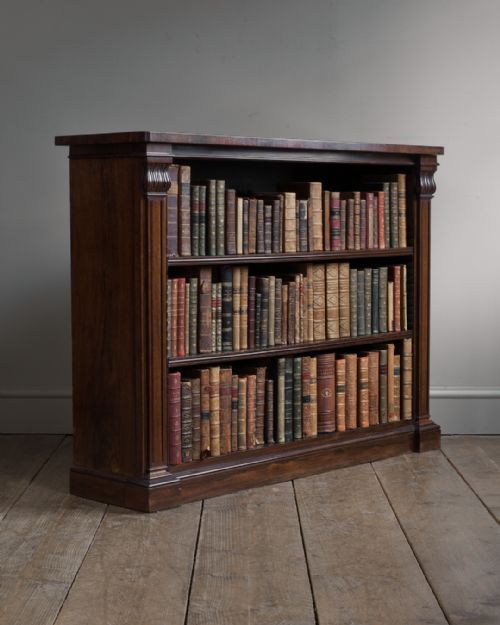
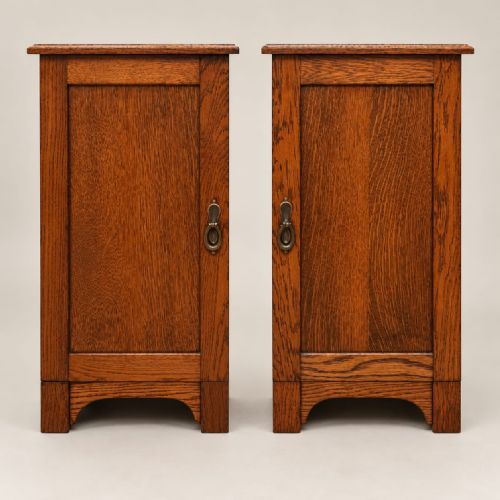
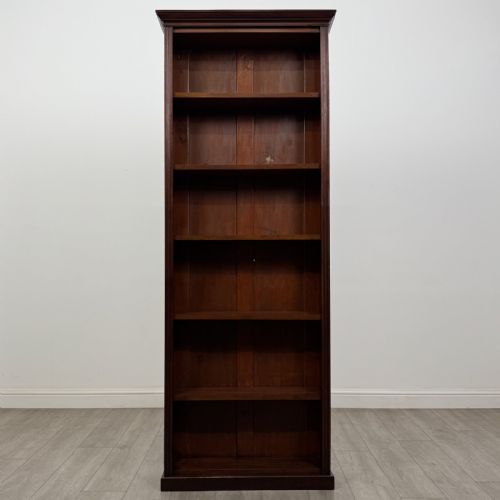
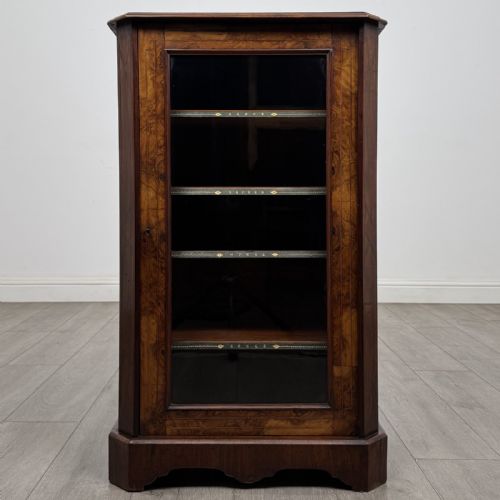
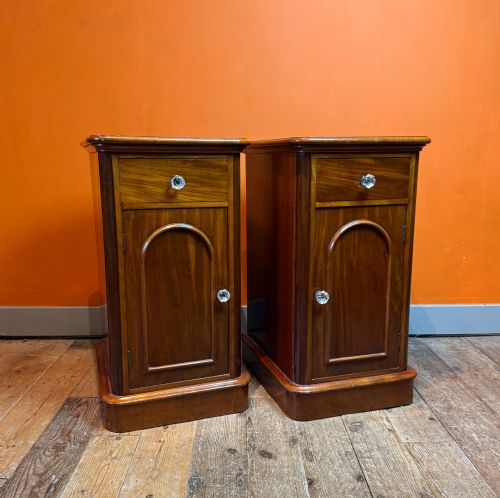
Buyers frequently encounter Edwardian and Georgian iterations alongside nineteenth century designs, often constructed in timbers such as mahogany, oak, and walnut. The selection includes dedicated cabinets on stands, alongside related display furniture and bookcases.
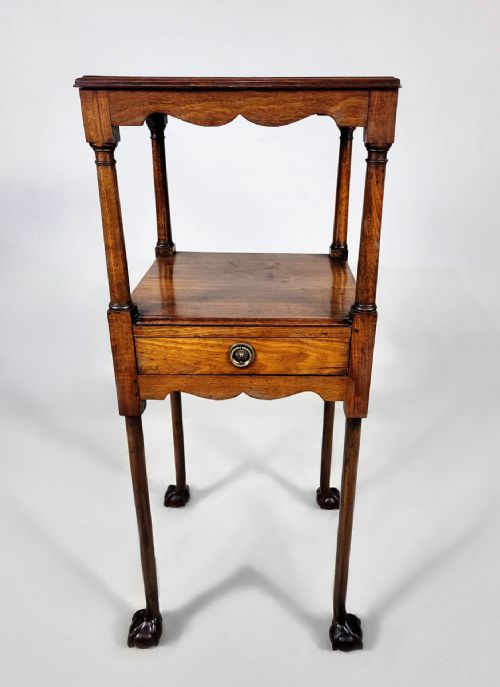
The primary function remains the containment and display of valued objects, papers, or textiles, lifted off the floor to create a lighter footprint in an interior space. The supporting stands range from simple turned legs to intricate frames with integrated drawers.
How They Were Made
Construction relies heavily on traditional cabinet-making timbers, chiefly mahogany, oak, and walnut, frequently enhanced by decorative veneers like satinwood or rosewood. Carpenters utilised dovetail joints for drawer construction and mortise and tenon joinery for structural frames.
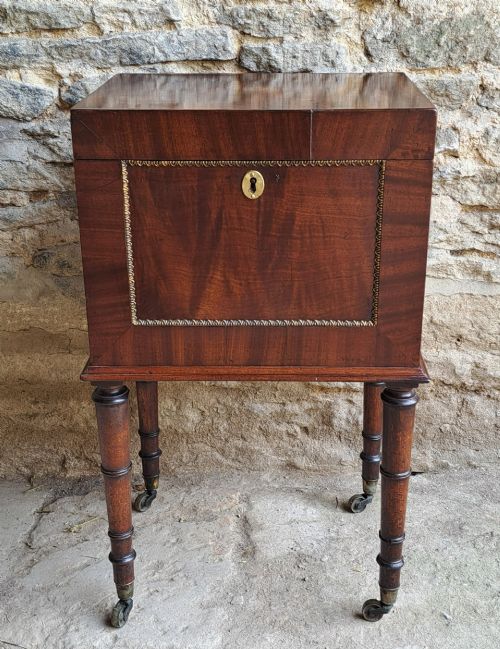
Surface ornamentation incorporates marquetry, pewter inlay, and painted decoration, alongside brass hardware such as castors, handles, and paw feet. Glazed doors utilise individual wooden glazing bars to secure glass panes within the overarching frame.
Antique Cabinet with Stand Retail Price Guide 2026
Typical asking prices for cabinet with stand among the pieces listed under this phrase on Sellingantiques today, from the lower quarter to the upper quarter. They describe what is for sale here now, not the wider market.
Listings span multiple eras from the seventeenth century through to the Edwardian period, utilising mahogany, oak, walnut, and satinwood.
What Varies in Quality
Quality rests in the selection of timber figures, such as plum pudding mahogany or figured walnut, and the precision of the underlying joinery. Superior examples maintain original hardware, locks, keys, and surface finishes rather than later replacements.
The delicacy and execution of inlay work, painted panels, or carved details distinguish master workshops from standard production pieces. Proportion and balance between the upper cabinet and the supporting stand dictate the visual success of the piece.
James Winter and Sons
The Antique Cabinet with Stand Glossary
- Cabinet on stand
- A raised storage unit set upon a distinct supporting table or frame. This form elevates the compartment to facilitate easier access and lighter proportions.
- Marquetry
- The art of applying pieces of veneer to a structure to form decorative patterns. Craftsmen use various tinted woods and materials to create pictorial designs on the surface.
- Astragal glazed
- A method of dividing glass panes within a door using thin wooden mouldings. This technique creates a grid pattern typical of eighteenth and nineteenth century bookcases.
- Canterbury
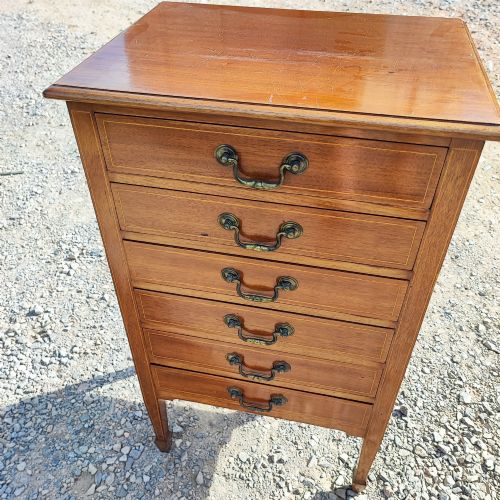
- A low stand fitted with partitions for holding sheet music or books, often featuring a small drawer below. Originating in the late eighteenth century, these pieces sit on castors or short legs.
- Dovetail
- A joint formed by interlocking wedge-shaped fingers of wood. This technique provides exceptional tensile strength for securing drawer corners.
Antique Cabinet with Stand: Frequently Asked Questions
What is an antique cabinet with stand used for?
These pieces function primarily for storing and displaying precious items, collections, or books while occupying minimal floor space.
The elevated design allows the furniture to sit comfortably in principal rooms without overwhelming the surrounding interior architecture.
How do I identify the period of a cabinet?
Dating relies on observing timber choices, construction techniques, and decorative styles characteristic of specific eras like the Georgian or Edwardian periods.
Examination of secondary woods inside drawers and the presence of original fixings further clarify the manufacturing date.
Are stands and cabinets always original to each other?
Many pieces were conceived as a single unified item, particularly seventeenth and eighteenth century examples designed by master cabinet makers.
Careful inspection of joint integration and wear patterns helps determine whether the upper cabinet and lower stand share the same origin.
How should I care for timber cabinets?
Maintain stable humidity and temperature levels away from direct heat sources to prevent the timber and veneer from splitting.
Apply traditional wax sparingly and polish with a soft cloth to preserve the natural lustre of the historical finish.